





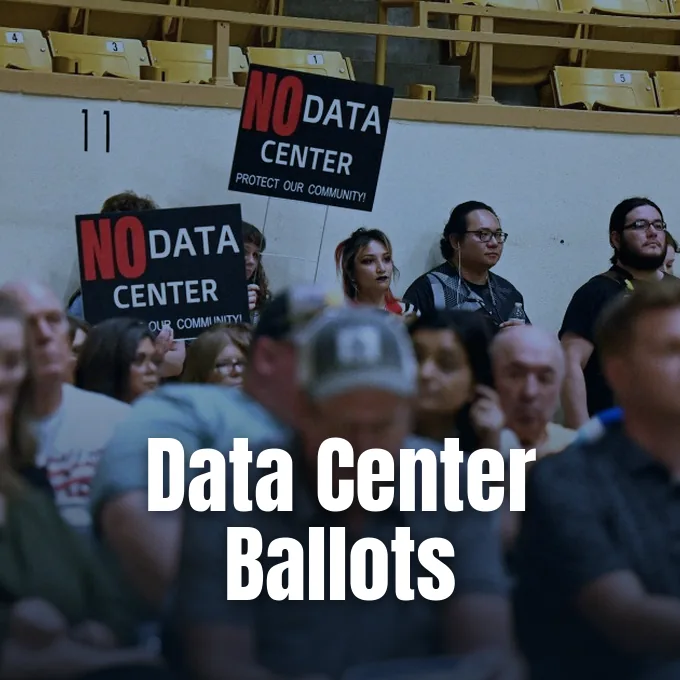
US voters rejected dozens of local data center measures during the midterm elections, blocking new server hubs meant for artificial intelligence. Local ballots in several states turned against the facilities as communities pushed back on rising electricity bills, secret government agreements, and the persistent screeching sound produced by cooling systems running day and night. An NBC exit poll found that over half of surveyed voters called AI tech a key factor in their vote, helping Democrats win both the House and Senate [1].
Where Data Center Measures Won
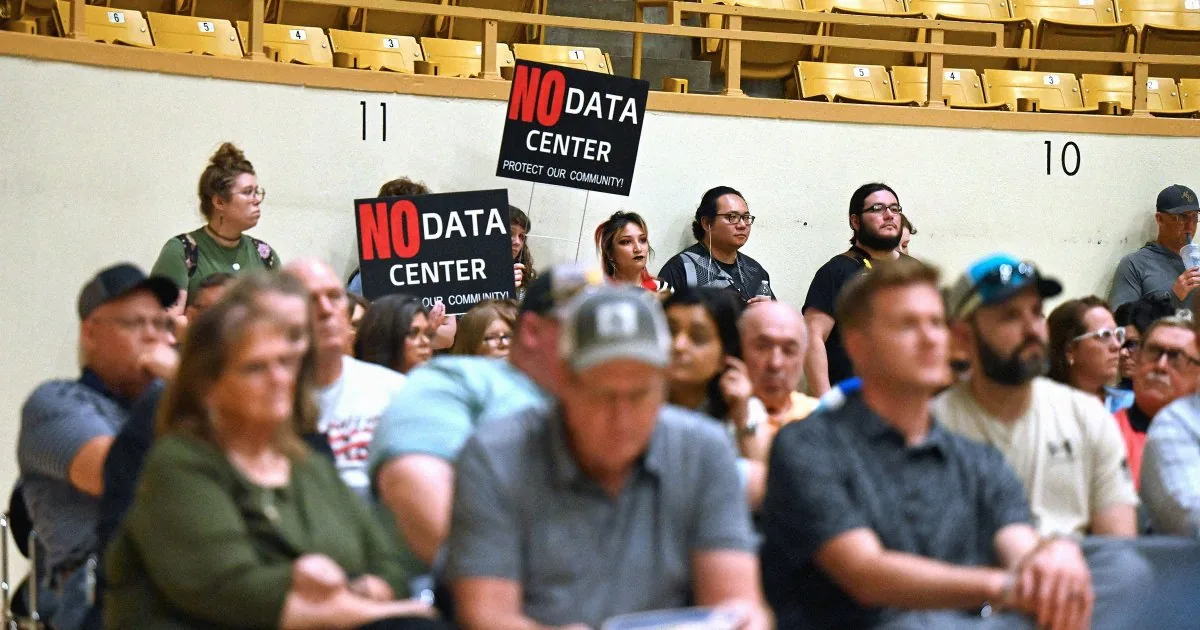
According to the tracker Data Centers on the Ballot, US voters faced 45 measures on server sites during the midterms. Early results showed that 33 separate county rules curbing data hubs had already won, while six more held leads as county clerks tallied votes across rural districts where resistance to server expansion was strongest. Only one vote in Harwood, North Dakota, which added a review step for big industrial builds, failed at the polls. Five questions posted no results [2]. These local wins showed that ordinary Americans were ready to step in at the ballot box when city leaders greenlit big tech campuses without public consent.
A second tracker followed 46 data center measures across 10 US states and found an identical trend. All 33 plans aimed at limiting server hubs were set to pass. Meanwhile, of 13 ballot items meant to permit new data builds, 11 faced defeat [2].
The midterm vote also ousted town officials who had backed data hubs across Ohio and Oklahoma. In Piqua, Ohio, citizens recalled their mayor and two council members after contentious votes on server facilities. Yukon voters recalled their mayor [2]. That push showed how community opposition to stall projects moved from small city halls to county voting booths.
Voter Turnout and Exit Polls
Exit polls run by NBC showed that power grids and server hubs had become urgent concerns for millions of US voters. Nearly one in four surveyed voters said AI data hubs were crucial to their vote, while over half called them a crucial or major factor. Only 13 percent of voters called data hubs a non-issue. When asked about artificial intelligence and computing sites, 56 percent of Americans said the issue was a crucial or major factor in how they cast their midterm ballots across competitive congressional districts [1]. The NBC poll showed that server sprawl had grown from a local zoning headache into a top national voting issue.
Those exit numbers matched broader polling trends. Survey data cited by Tom’s Hardware found that 70% of US citizens push back against new AI sites, while a tracking database noted that “America hates data centers” [2]. Local families object to losing open land and paying higher monthly electricity bills.
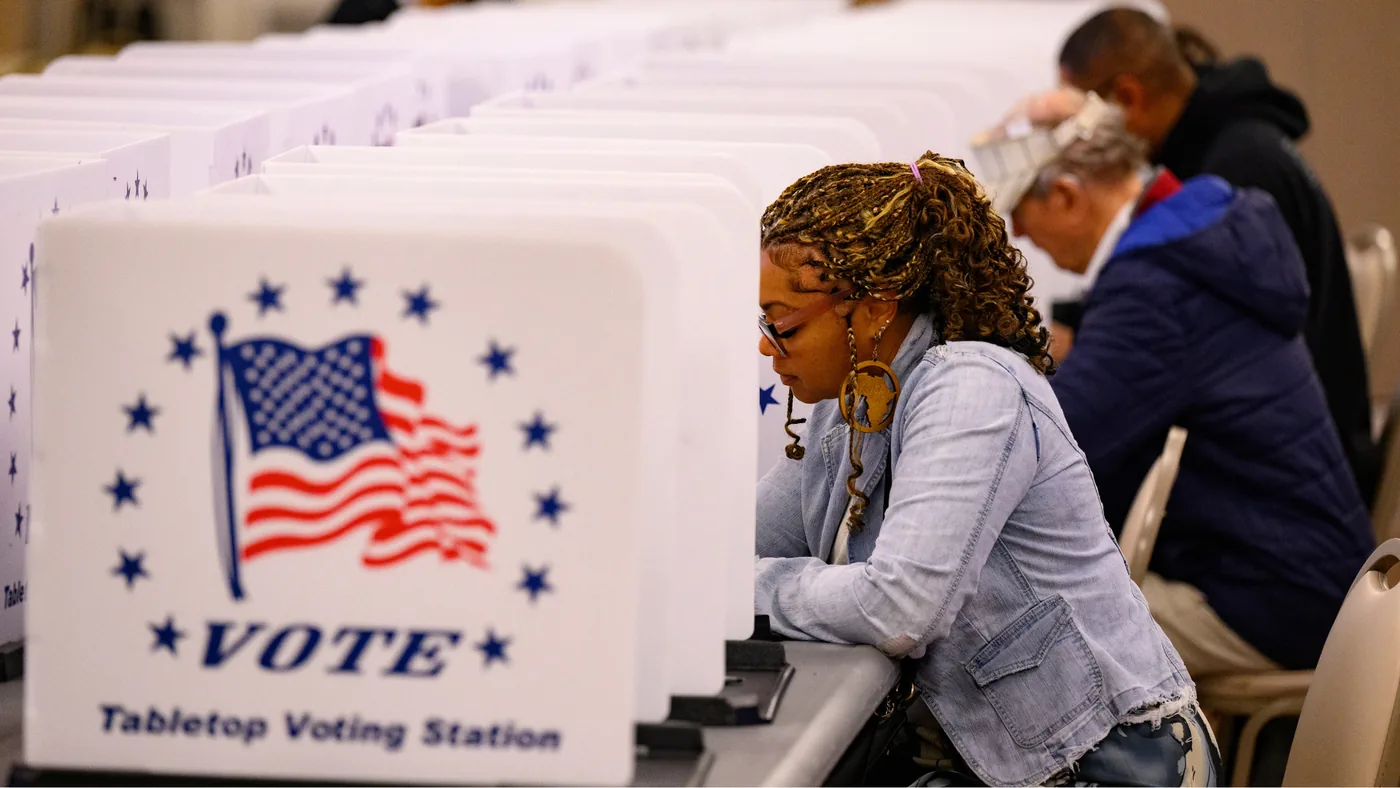
Public anger grew after reports revealed that local and state leaders had signed non-disclosure agreements with AI firms to keep big tech deals secret. These private pacts kept residents from learning about massive utility and land contracts until plans were set. Fights over data hubs broke out across rural counties that usually vote Republican, forging unusual cross-party coalitions where conservative and Democratic voters united against server builds that threatened local farmland and water supplies. As financial news outlet Bloomberg reported, surprise Democratic wins in these rural areas will bring fresh doubt to planned data projects across the country as lawmakers rethink state energy policies [1].

Texas Gubernatorial Race
The voter backlash reached the top of state politics in Texas. Former Republican governor Greg Abbott had welcomed data hubs in 2025. By August, though, Abbott changed course and pushed new site restrictions because his contest with Democrat Gina Hinojosa was growing close. Abbott shifted his position quickly [1]. That pivot showed how fast server hubs turned into a political risk for state leaders.
Democrat Gina Hinojosa made data center limits a central pillar of her campaign for governor of Texas. Hinojosa called for a state halt on data center builds until lawmakers could hold a “legislative session that puts Texans first so that we don’t have any more communities in Texas who are powerless against these global corporations”. On the trail, Hinojosa told voters that families should not pay for tech firms to drain the power grid. Hinojosa won the election in a major upset [1].
Texas voters also weighed big national issues like the war on Iran, healthcare cuts, and everyday living costs. Yet the fight over data hubs signaled a broader voter revolt that helped Democrats gain control of Congress [1].
Tracking Data Center Measures by State
Despite the passage of local data center measures at the polls, questions remain about whether ballot wins will slow projects already under construction. Across the United States, local governments have passed more than 300 separate data center bans, yet only three projects totaling 2.3 gigawatts have experienced actual delays so far. Energy forecasts show that 38 gigawatts are still due to come online by 2027, with total infrastructure spending on track to hit $32 trillion by 2050 as tech giants buy up power supplies across North America [2]. Tech developers have continued spending large budgets even as county boards face heat from local taxpayers.
Federal lawmakers are paying close attention to grid disputes between tech firms and power customers. The US Senate has accused Big Tech of misleading the public on the community perks of AI data hubs. Tech firms made big promises [2]. Senators warned that tech firms make big promises while leaving local families to fund power line upgrades.
President Donald Trump tried to cool voter anger before the midterm vote by rolling out new federal policies. The Trump team told AI data hubs to pay an energy dividend to local towns. Donald Trump also pushed a “ratepayer protection pledge,” asking utility firms, state governors, and tech leaders to promise they would pay their own way. The step came too late to calm voters who worried about high power bills and constant fan noise [2].
Tech Megadonors and Grid Fallout
The midterm election results dealt a direct blow to billionaire tech megadonors who backed Republican candidates with massive campaign cash. Prominent tech donors poured millions into midterm races on behalf of Republicans in an effort to head off local building bans, county moratoriums, and state utility caps that could slow down large computer developments across the nation. High-dollar donors included world’s richest man Elon Musk, investors Marc Andreessen and Ben Horowitz, and OpenAI president Greg Brockman. The defeat of their chosen candidates leaves tech firms facing a much more skeptical political climate in Washington as newly elected leaders in the House and Senate prepare fresh oversight hearings [1].
Facing steady public pushback, top AI builders are changing their physical growth plans. Both OpenAI and Anthropic have started hunting for smaller server projects ranging from 20 to 30 megawatts. Gigawatt sites face permit freezes. Tech teams want these smaller sites because big gigawatt hubs face permit delays and angry neighbors [2].
With Democrats winning control of both chambers of Congress, tech executives face a wave of new federal scrutiny, with lawmakers preparing congressional inquiries, data center moratoriums, and tough oversight of commercial power contracts. Secret deals are over. Public ballots have turned computing power into one of the top political fights in America [1].
- ONLINE NEWS Dupré, M. H. (2026, November 4). Americans just resoundingly rejected AI data centers. Futurism. [Article Link]
- ONLINE NEWS Morales, J. (2026, November 4). AI data centers comprehensively defeated at US midterm elections. Tom’s Hardware. [Article Link]


