





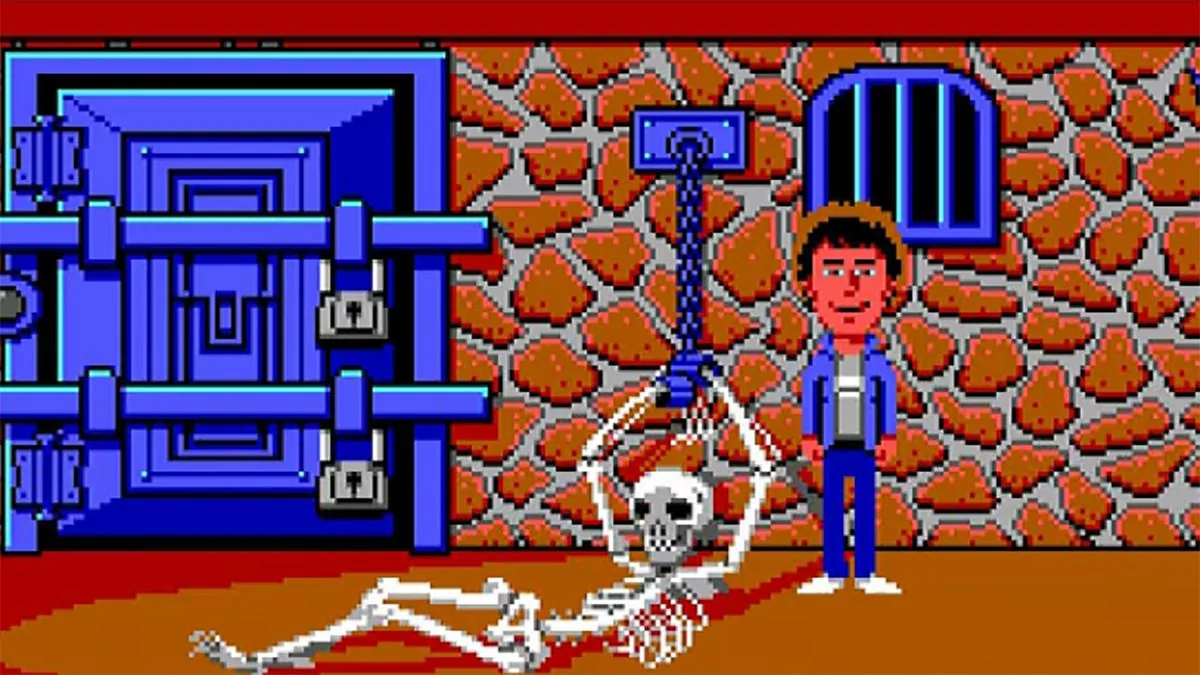
Voice actor Dominic Armato told PC Gamer that the retro LucasArts release Maniac Mansion still feels tedious after ten minutes of play. In a conversation published on November 8, 2026, the performer behind Guybrush Threepwood discussed his gaming habits and admitted that the studio’s early adventure has never clicked with him [1].
Why Dominic Armato Still Tries Maniac Mansion
PC Gamer writer Rick Lane interviewed Armato for Disk Cleanup, a regular weekend feature that inspects the software collections of prominent gaming figures. During the talk, Armato explained that Maniac Mansion is the oldest game installed on his computer, yet it remains an unresolved hurdle for him. He explained that he boots the title periodically to give it another chance, but walks away after ten minutes because he finds it “tedious, man”. He compared the experience to tasting food that never sits right, where a person keeps trying it in hopes that “maybe one day it will reveal its beauty”. The actor sees the root of the studio’s storytelling style in the project, but he finds the early puzzle structure taxing [1].
Armato finds the early project fascinating from a historical viewpoint because so many later adventures grew out of its design. But the work belongs to a developmental period where ideas were interesting without being fun to play. For him, the friction sets in almost right away [1].
Tom Vance at Shattered examined how fast the quote spread among adventure enthusiasts following the November 8 report. In a quick-turn analysis separating confirmed facts from open questions, Shattered pointed out that while the quote is verified, the claim that Armato has “always loved” every other LucasArts adventure represents an outlet framing rather than a documented record. Vance noted that Armato never called the title broken or poorly made. His comment was a personal reaction to early pacing. Tedium is a personal pacing complaint. Observers often notice how older puzzle structures can test player patience, even when fans admire the creative team behind the work [2].
From Guybrush Auditions to Dining Reviews
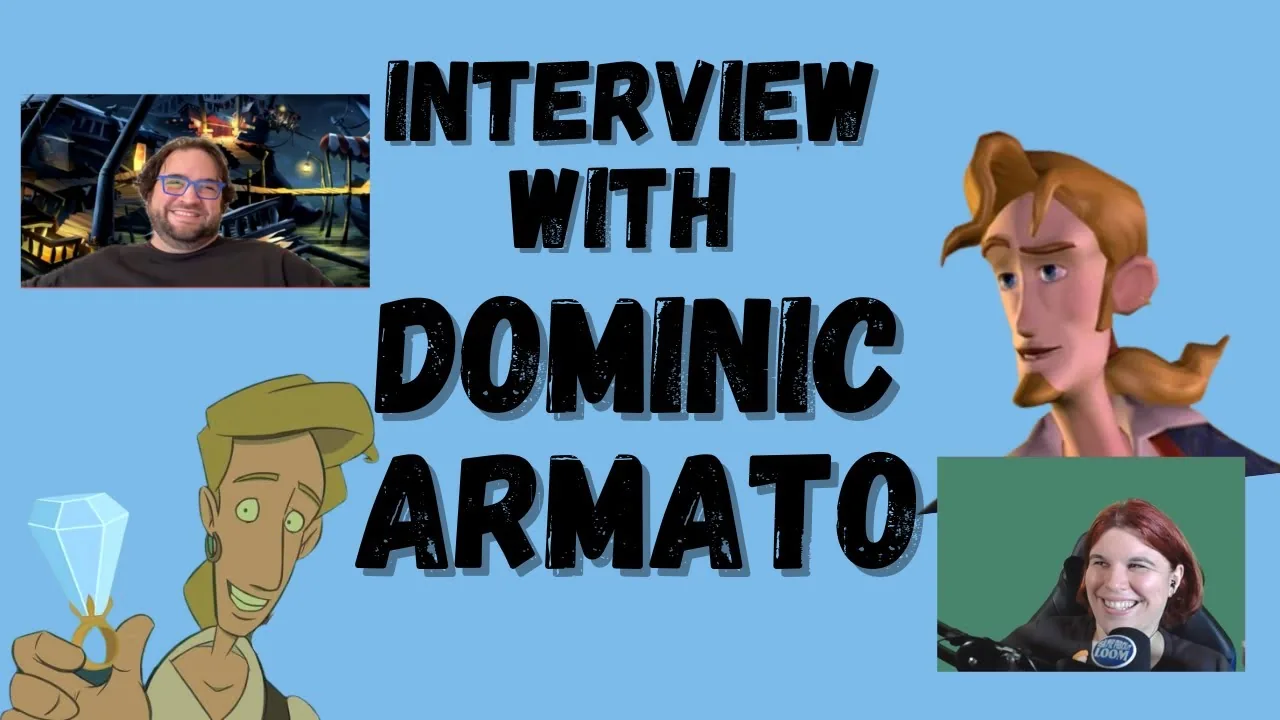
Armato first voiced Guybrush Threepwood for the 1997 game The Curse of Monkey Island [1]. He had grown up playing computer adventure games, so trying out for LucasArts felt natural. In a 2022 chat with Laura Cress for Adventure Gamers, he discussed his 01:03 audition and reflected on video game voice acting at timestamp 12:37 [3].
His voice credits soon expanded across the LucasArts-linked Monkey Island series. Shattered confirmed that Armato voiced Guybrush in six distinct entries: The Curse of Monkey Island, Escape from Monkey Island, Tales of Monkey Island, Return to Monkey Island, and enhanced editions of The Secret of Monkey Island and Monkey Island 2: LeChuck’s Revenge [2]. His connection to the franchise took an unexpected turn when Ron Gilbert met him for coffee to reveal Return to Monkey Island in secret, as Armato described during his Adventure Gamers chat, before detailing his reaction at timestamp 41:55 [3]. Beyond pirate comedy, he played roles in Star Wars Jedi Knight 2: Jedi Outcast and Metal Gear Solid 2: Sons of Liberty [1]. These diverse credits established his reputation across the gaming community [2].
Acting was only part of the career of Dominic Armato. He spent years as a restaurant writer after stepping away from daily voice jobs. He ran his food blog, Skillet Doux, until 2015 before taking dining critic positions at The Arizona Republic and the Phoenix New Times [1].

The Friction Behind Classic Adventure Puzzles
His frustration with Maniac Mansion connects back to an early gaming memory. As a child, he tried Infocom’s text adventure The Hitchhiker’s Guide to the Galaxy, an encounter that nearly drove him away from computer gaming altogether. Armato recalled that the text parser was “just evil” and proved to be one of the hardest games ever written. “It’s not a happy memory”, he explained to PC Gamer, adding that “it’s a miracle that I stuck with videogames at all”. The punishing parser taught him how unforgiving vintage adventure puzzles can be when solutions lack clear logic or direction [1].
Vance organized common point-and-click hurdles into five recurring friction points that still bother players. These include arbitrary inventory logic, repetitive backtracking across painted backgrounds, exhausting dialogue loops, pixel hunting for hidden screen hotspots, and pacing gates that stop progress cold when a player gets stuck [2].
Examining the historical context of the adventure tradition LucasArts built, the studio originally adopted humor and character writing to shield players from sudden deaths and unwinnable scenarios. Yet older interfaces still demand patience. A competitive comparison shows that action games spend patience on physical execution, role-playing games spend it on character management, while adventure games spend patience on dialogue trees and static screens where getting stuck brings visible progress to a complete halt [2]. When studios update classic adventure titles, they face an ongoing design choice: do they preserve the original friction for purists, or do they smooth away tedious roadblocks so modern audiences can enjoy the story? For Armato, ten minutes in Maniac Mansion remains a reminder of that unresolved tension [1].

Dominic Armato on Modern Puzzles and Architecture
Away from retro roadblocks, Dominic Armato continues playing modern adventures. He told PC Gamer that he recently got hooked on Chants of Sennaar on his Steam Deck. He had intended to play Silksong on a flight, but forgot to launch the file once before takeoff, leaving it unplayable while traveling [1].
He opened Chants of Sennaar instead and fell in love with its language puzzles. He explained to Lane that he enjoys slow-paced puzzle adventures because they offer an atmospheric world and a little bit of story where players can live inside the mystery for a while. Mechanics that reward deductive thinking give him mental challenge without the arbitrary stumbling blocks of text adventures. While he picks standout titles rather than sticking to one genre, atmospheric puzzle games remain a favorite when traveling [1].
His tastes also run toward surreal action games. He just finished replaying Control to get ready for its sequel, praising Remedy for combining brutalist architecture with eerie mystery. He described the atmosphere as a mix of Twin Peaks and The X-Files, explaining that wandering through brutalist buildings sits right in his wheelhouse [1].

Long Steam Hours and Writing Habits
When checking playtime numbers, Dominic Armato revealed a surprise on his Steam profile. Steam lists Red Dead Redemption 2 as his top game at 289.8 hours. He built a new PC in late 2019 after his kids grew up, setting up a 32:9 monitor just before lockdown started. Once stuck at home, he logged in every day. But most of that time was not spent doing missions. He just rode his horse across the plains to unwind. Off Steam, he believes Thief: The Dark Project took even more of his life, spending 15 to 20 hours per level so he could knock out every enemy and stack them in a single corner before exploring [1].
For quick midday breaks, he turns to Forbidden Island. He plays the tabletop adaptation solo on PC in ten-minute bursts while eating lunch, treating it like a mental palate cleanser. The casual tabletop port takes only ten minutes, making it a fixture he refuses to uninstall [1].
When writing, Armato depends on a typing tool called Klack, which plays mechanical keyboard sound effects through his laptop speakers. As a former food critic who reviewed restaurants for local newspapers, he found that the auditory clatter helps his words flow smoothly across the page. When he turned Klack off for several weeks, his writing ground to a halt until he realized what was missing. He also keeps a clean desktop screen, archiving game notes and spreadsheets immediately upon finishing a project. He now hopes to bring that focus back to gaming voiceover in future years [1].
- ONLINE NEWS Lane, R. (2026, November 8). Dominic Armato, voice of Guybrush Threepwood, has always loved LucasArts’ adventure games, but there’s one he still can’t get into: ‘I get 10 minutes in and I’m like, oh, this is tedious, man’. PC Gamer. [Article Link]
- ONLINE NEWS Vance, T. (2026, November 8). Dominic Armato: Why 1 LucasArts Game Felt Tedious [2026]. Shattered. [Article Link]
- ONLINE NEWS AG Staff. (2022, July 12). An interview with Dominic Armato. Adventure Gamers. [Article Link]


