




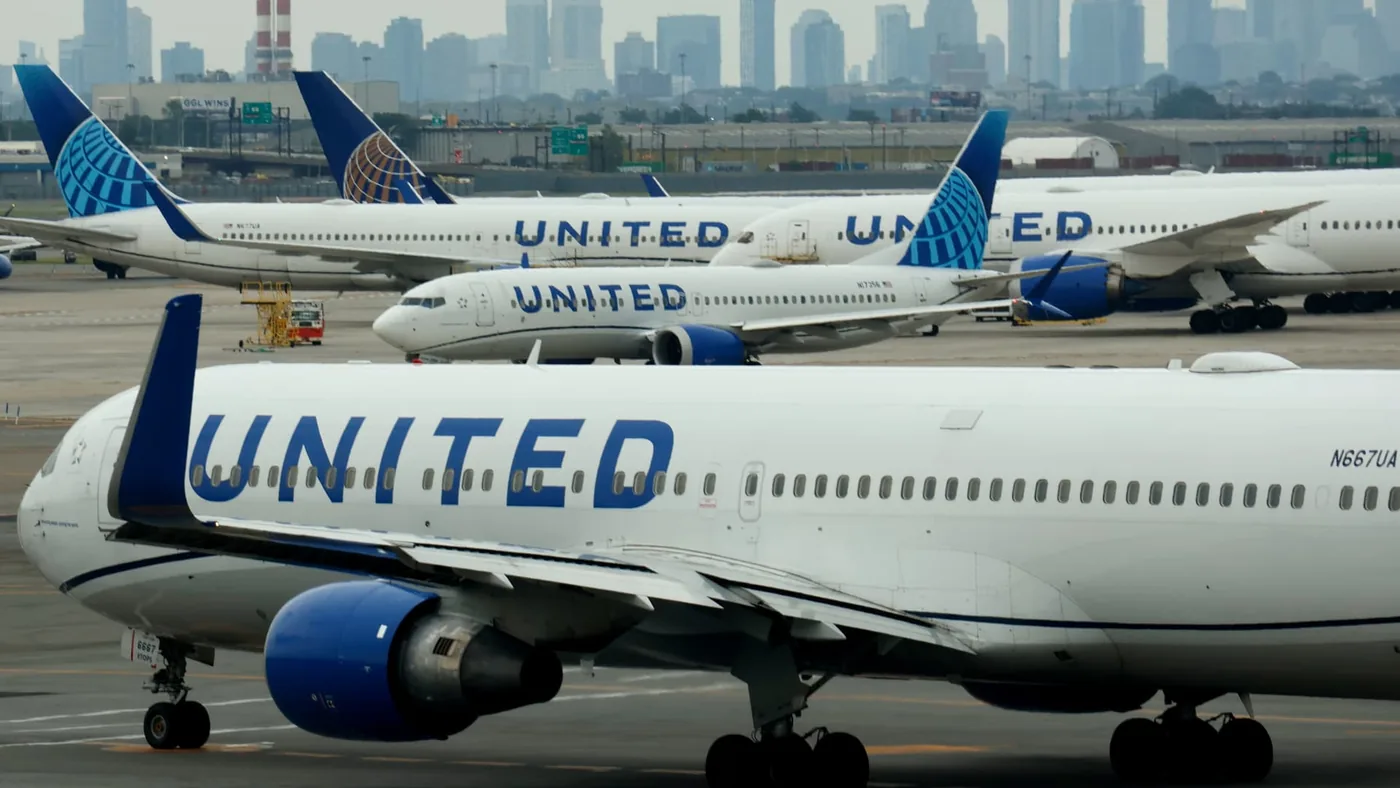
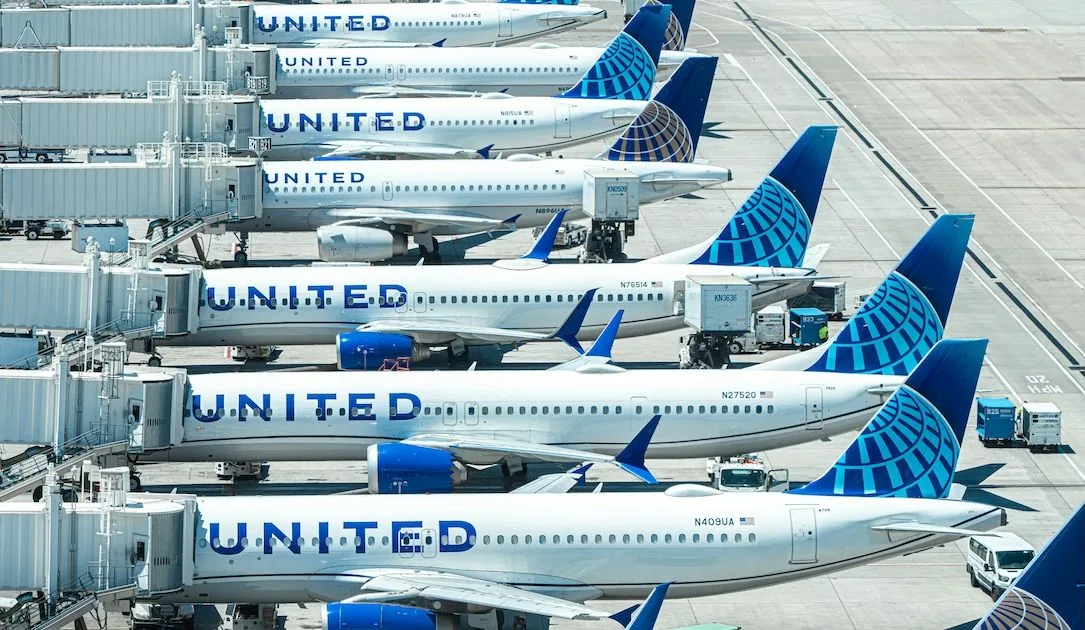
United Airlines announced a strict new policy on Wednesday, November 11, 2026. The carrier is blocking unapproved artificial intelligence agents from booking trips and managing customer itineraries, citing cyber risks, data privacy flaws, and federal safety mandates. Under the updated rules, third-party software bots can no longer buy United Airlines flights or alter existing passenger reservations [1]. The ban covers United’s website and mobile application directly, while also blocking automated agent bookings routed through travel agencies and digital flight aggregators [3].
United Airlines Flights Bar Bot Bookings
United put the ban in place on November 11 [6]. While smart chat bots can still search public fare tables and show flight options to fliers, they can’t complete the ticket buy step on the United website. The airline said its systems can already tell whether an incoming booking comes from an individual person, a licensed travel agency, or an automated software bot [8].
United leadership voiced open doubt about letting outside tech firms step between the airline and its fliers [5]. Speaking at an industry event in Chicago on Tuesday, United Chief Executive Officer Scott Kirby explained the stance to The Wall Street Journal [2]. “To be honest, I don’t want to create another middleman,” Kirby said. Kirby said AI agents risk eroding direct customer relationships built through the United app, website, and MileagePlus rewards program [5]. Aviation analyst Henry Harteveldt of Atmosphere Research Group said search bots also risk driving up server costs by sending heavy query traffic into airline reservation computers. Harteveldt said direct bookings help United manage distribution expenses while keeping control of its customer service [6].
Consumer use of AI buying tools remains tiny [2]. During its third-quarter earnings call, Uber revealed that out of 320 million trips and food deliveries handled during Halloween week, AI agents completed only 500 Uber Eats orders and four rides [5]. United said it has seen almost no agent booking traffic across its ticketing systems so far [8]. Trusting a bot with a credit card involves very different stakes than asking software to summarize the news [2].
Credential Risks and Account Security
United warned fliers that sharing account logins with outside AI assistants creates real digital hazards [1]. In an official notice, the airline said that “sharing account credentials with personal, third-party, AI assistants can expose sensitive information, and actions taken by these tools may result in unintended purchases, account changes, or use of MileagePlus miles” [7]. Storing passwords inside outside tools leaves user profiles open if those apps leak data [1]. The airline said automated bots could alter seat assignments or drain frequent-flyer points without direct approval [3].
The airline is not the only large firm blocking smart agents [1]. Last week, Bank of America warned its retail customers never to share user login codes or passwords with AI bots [7]. Several financial firms took similar steps earlier in the month, as seen when US banks restricted unauthorized AI agents over account risks to protect online banking portals. Retail giant Amazon has also blocked Meta’s Muse assistant from its store, while JPMorgan Chase set up similar blocks to protect user data [2].
Some computer security leaders question the ban. Raj Ananthanpillai, founder and chief executive of identity verification firm Trua, told The Record via text that corporate blocks merely delay technical realities. “Blocking agents or forcing more data sharing just delays the inevitable,” Ananthanpillai said, arguing that firms should adopt verified identity tokens instead of logins [7]. United has not shared the exact technical tools it uses to filter out automated assistants, leaving security analysts to debate whether it relies on bot detection scripts or web browser fingerprinting [8].
Federal Aviation Safety Rules
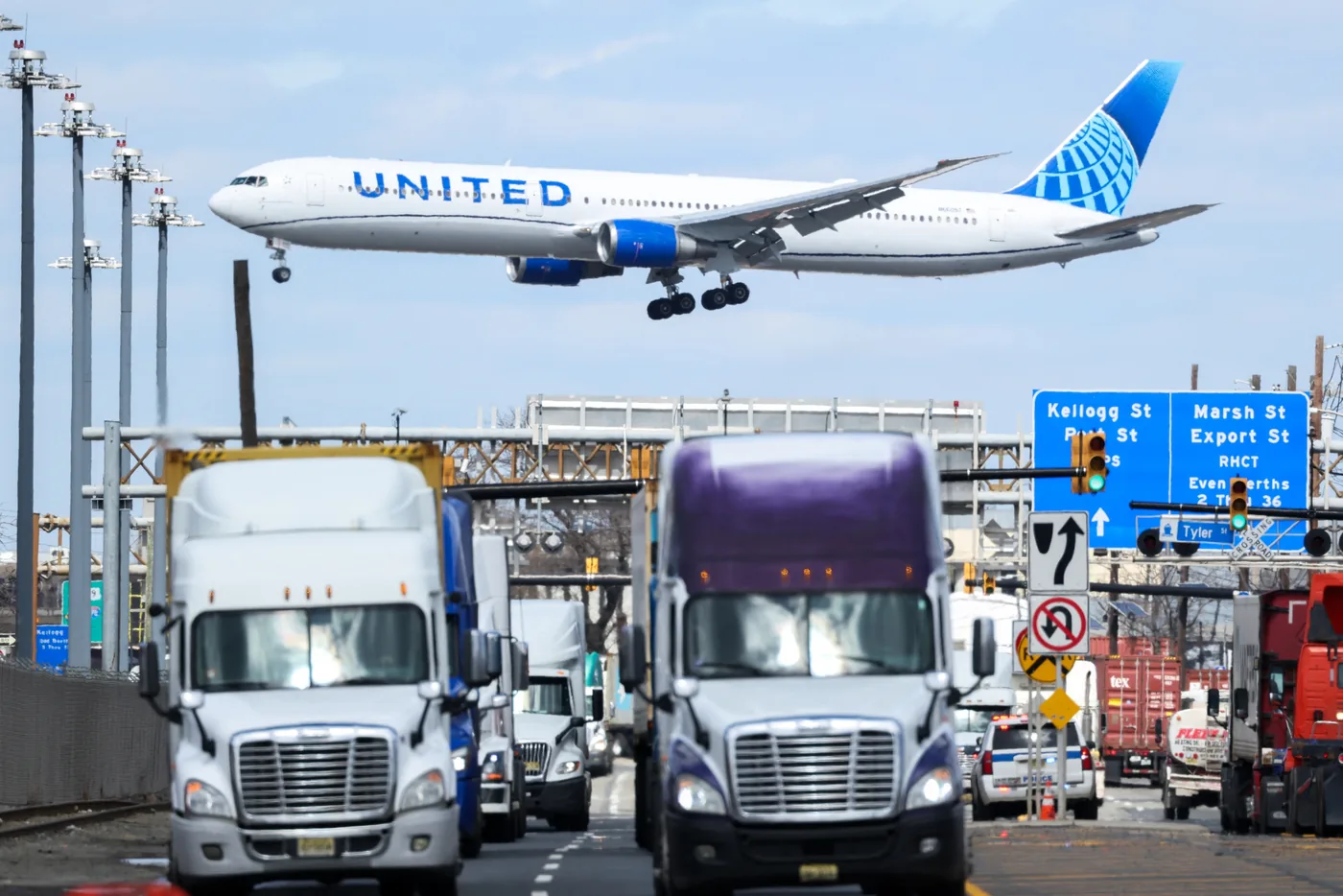
Beyond cyber risks, United cited government aviation safety rules set by the Federal Aviation Administration (FAA) and the Department of Transportation (DOT) [2]. Federal travel rules govern passenger check-in steps, and several legal terms demand direct human presence before an airline can print boarding passes. Federal rules assume that an accountable human flier confirms safety statements during the booking process [5].
Luggage safety rules pose the clearest legal hurdle [5]. Federal rules require fliers to confirm personally that their bags contain no hazardous materials or explosives before an airline issues a boarding pass [3]. United said an AI bot can’t legally make that safety pledge for a passenger [7]. Software bots cannot bypass safety safeguards designed to keep dangerous items off passenger planes [6].
Autonomous transactions also raise tricky legal questions for airlines and consumers alike [5]. If an AI tool books an incorrect flight date or selects the wrong destination, who covers the financial loss for the nonrefundable seat? United wants to avoid public embarrassments, recalling recent incidents where Meta’s Muse assistant accidentally leaked a user’s home address online [2]. For an airline operating hundreds of daily flights from major hubs like Chicago O’Hare and Newark Liberty, regulatory noncompliance risks costly federal fines and operational delays [5].
Different Approaches in Commercial Travel
Not every major carrier shares United’s defensive stance toward software tools [2]. On October 6, Southwest Airlines launched a first-of-its-kind ChatGPT plugin built in partnership with OpenAI and Amazon Web Services (AWS). The tool lets fliers search Southwest routes and check seat availability directly inside a conversational ChatGPT chat window. Sabrina Callahan, Chief Digital and Marketing Officer at Southwest Airlines, defended the rollout, stating, “Customers are evolving how they plan their travel, and Southwest is helping to shape what comes next” [5].
Other legacy airlines and travel booking platforms are taking their own distinct paths. Delta Air Lines allows authenticated AI assistants to complete flight bookings under specific safeguards, such as requiring extra human verifications for unaccompanied minors. American Airlines told Fast Company that select AI tools can complete bookings on its systems. Online travel agencies Expedia and Booking Holdings have partnered with OpenAI, sending their shares up 3.1% and 1.1% on Wednesday, while Meta stock slid roughly 2% to near $628 [8].
The travel market is splitting into two clear camps [3]. Some businesses view smart agents as an easy way to reach fliers early in their planning, but others see third-party bots as an unwanted wedge that weakens direct brand loyalty [5]. Retail brands show a similar divide: Walmart has partnered with Meta’s Muse assistant to enable automated shopping, while Amazon continues to block the software [3]. United chose a defensive posture, refusing to trade data security or direct customer contact for speculative automated sales [5].
Booking United Airlines Flights Through Approved Channels
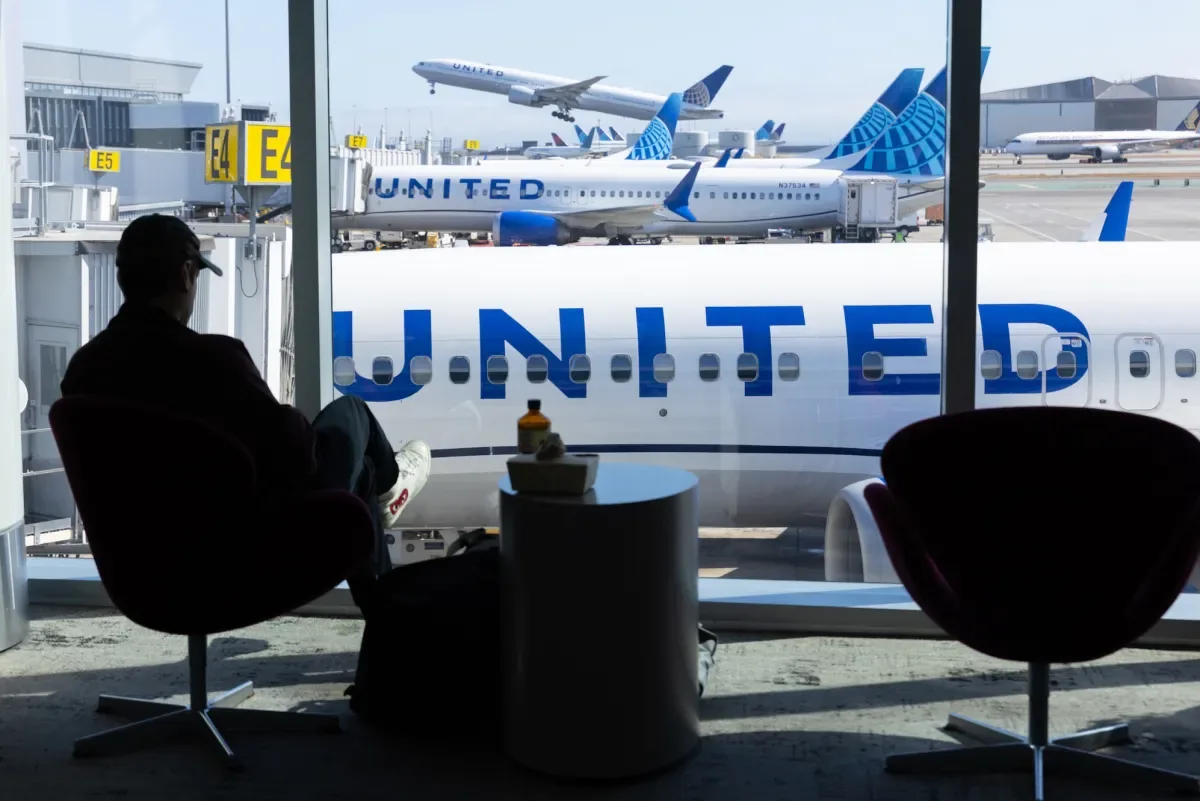
The new policy does not stop fliers from using digital tools to plan trips. Customers can still compare prices and schedules for United Airlines flights on search engines like Google Flights, Kayak, and Hopper [6]. Travelers can also ask conversational chatbots for packing tips or destination ideas, provided software doesn’t access accounts [8].
United founded its operations in 1931 and grew into one of the largest legacy carriers in global aviation, running primary hub operations at Denver International, Houston George Bush Intercontinental, Los Angeles International, San Francisco International, and Washington Dulles. As a founding member of the Star Alliance, the airline coordinates global routes across North America, Europe, Asia-Pacific, Latin America, Africa, and the Middle East. Its MileagePlus frequent-flyer program serves millions of members who rely on digital accounts to manage points, track elite status, and apply seat upgrades on scheduled journeys. Safeguarding customer accounts against automated credential attacks is a core operational priority for United’s security team. The airline keeps strict boundaries around its loyalty balances to prevent unauthorized point redemptions [5].
United framed its restrictions as a prudent temporary step rather than an outright rejection of artificial intelligence. In an official statement, the airline noted, “As third-party AI agents advance, we see the opportunities they present… However, at the same time, allowing them to interact directly with a United account or booking could involve sensitive actions, and we want to make sure we have established protections for travelers first” [8]. Until tech developers build verified identity systems and federal agencies update passenger rules, fliers wanting to book United Airlines flights must continue clicking the final checkout button themselves [6].
- ONLINE NEWS Whittaker, Z. (2026, November 12). United Airlines blocks AI agents from booking flights, citing cybersecurity risks. TechCrunch. [Article Link]
- ONLINE NEWS Campbell, I. C. (2026, November 11). United is restricting AI agents from booking flights. Engadget. [Article Link]
- ONLINE NEWS Reuters. (2026, November 11). United Airlines moves to block AI agents from its platform over security concerns. CNBC. [Article Link]
- ONLINE NEWS Whittaker, Z. (2026, November 12). United Airlines blocks AI agents from booking flights, citing cybersecurity risks. Yahoo! Finance. [Article Link]
- ONLINE NEWS Richard, I. (2026, November 12). United Airlines to Block AI Agents From Booking Flights in Its Website or Third-Parties—Is This For Security? Tech Times. [Article Link]
- ONLINE NEWS ODSC Team. (2026, November 12). United Airlines Bans AI Agents From Booking Flights Over Security Concerns. Open Data Science. [Article Link]
- ONLINE NEWS Smalley, S. (2026, November 12). United to block customers from using AI agents, citing cyber threats. The Record. [Article Link]
- ONLINE NEWS Navi. (2026, November 12). United Airlines Blocks AI Agents from Flight Bookings. TheOutpost.ai. [Article Link]


