





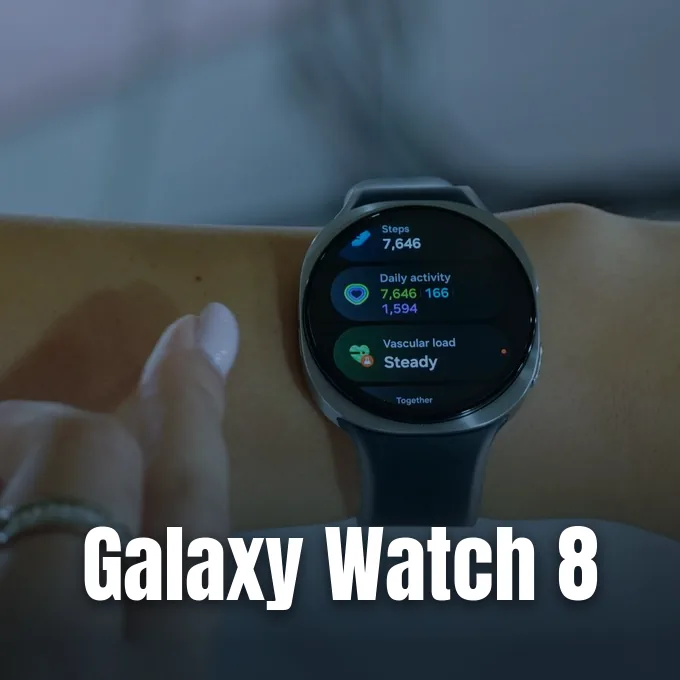
Amazon lowered the 40mm LTE Galaxy Watch 8 to $249.99 on November 27, 2026, marking a record low price for the cellular smartwatch. The discount takes $100 off the $349.99 list price and applies to both Graphite and Silver finishes. It’s a rare promotional cut on an unlocked wearable. The deal includes an Amazon-exclusive two-year warranty with direct fulfillment, giving Android users a chance to buy a connected wearable well below its regular retail cost [1].
Amazon Cuts Galaxy Watch 8 Pricing
The $100 reduction on Amazon brings the LTE model down from its regular $349.99 price point to $249.99, representing the steepest drop recorded for the cellular edition. Both colors share the discount. Buyers can pick either Graphite or Silver options at roughly the same reduced rate without needing trade-in devices or carrier activation agreements at checkout. Units are sold and shipped directly by Amazon rather than third-party marketplace sellers, which pairs the hardware with an extended two-year warranty [1].
Cellular smartwatches often carry steep price premiums over basic Bluetooth editions, but this sale narrows that gap for shoppers looking for standalone connectivity. The discounted price point gives buyers full mobile data access without forcing them into multi-year equipment installment plans with wireless carriers. It runs without a phone. Runners and commuters can leave home without a handset while keeping access to voice calls, incoming messages, and live audio streams on the trail or at the gym [1].
Holiday shopping discounts on current-generation hardware rarely cut this deep so early in the season, particularly on unlocked cellular variants that work across major wireless networks. For owners of Galaxy smartphones who skipped earlier sales, the $249.99 price level lowers the barrier to adding a dedicated smartwatch with mobile data [1].
Hardware and Cellular Features
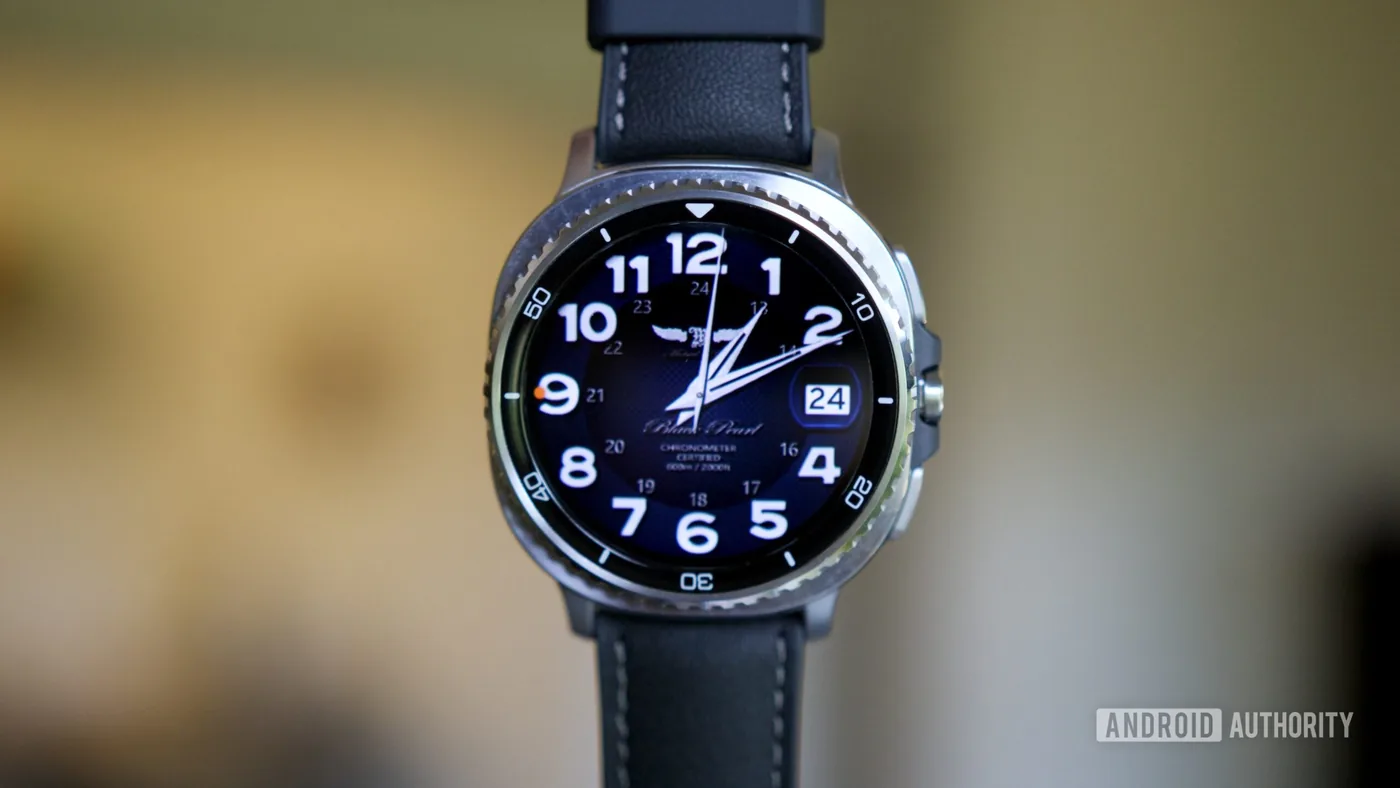
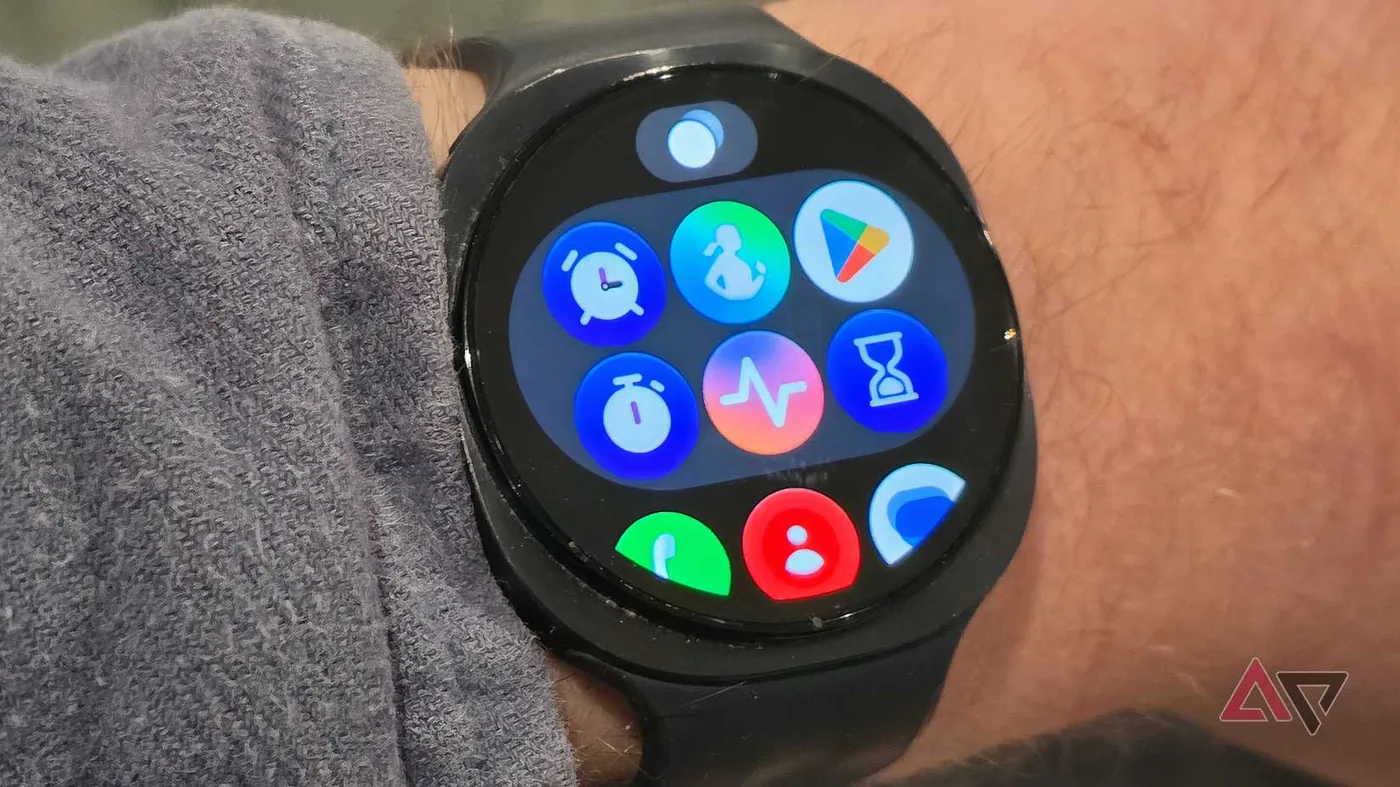
The Galaxy Watch 8 uses Samsung’s cushion frame design, which rests flat against the wrist to maintain steady sensor contact during workouts and overnight sleep tracking. A Quick Button sits on the side of the chassis, giving quick access to shortcuts without forcing users to swipe through multiple menus. In everyday use, the Now Bar interface provides live progress updates and media controls on the watch face so people can glance at active timers without breaking stride [1].
Health tracking tools form a central part of the watch software. The built-in Running Coach offers pacing targets during outdoor workouts, while the Energy Score feature combines recent activity and sleep records to give users a morning assessment of their physical readiness. Sleep coaching programs guide users through sleep routines based on multi-night sensor records, helping them spot disruptions and improve daily rest patterns [1].
Mobile connectivity changes daily routines. With an active cellular plan, the watch receives phone calls, sends text messages, and streams music tracks to wireless earbuds during workouts. Users can run on trails or exercise at the gym while leaving bulky smartphones behind in a locker or at home [1].

Holiday Discounts Across Flagship Wearables
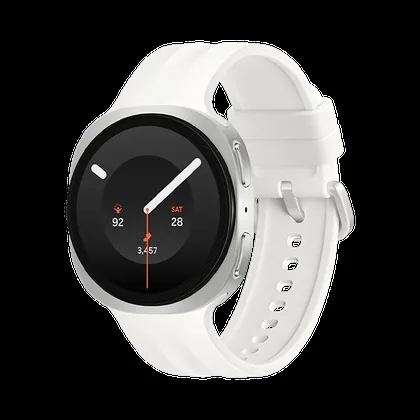
While the Galaxy Watch 8 discount targets budget-conscious buyers seeking cellular access, other wearable lines also saw price drops during the same Black Friday shopping window. Amazon discounted the newer Bluetooth-only Galaxy Watch 9 by $30 for the first time since its launch, lowering the 40mm model from its standard retail price. That device runs on Qualcomm’s Snapdragon Wear Elite processor and weighs 31.5 grams, pairing a 1.34-inch Super AMOLED screen (438 x 438 pixels) with 32GB of onboard storage, dual-band GPS, and an IP68 rating [2].
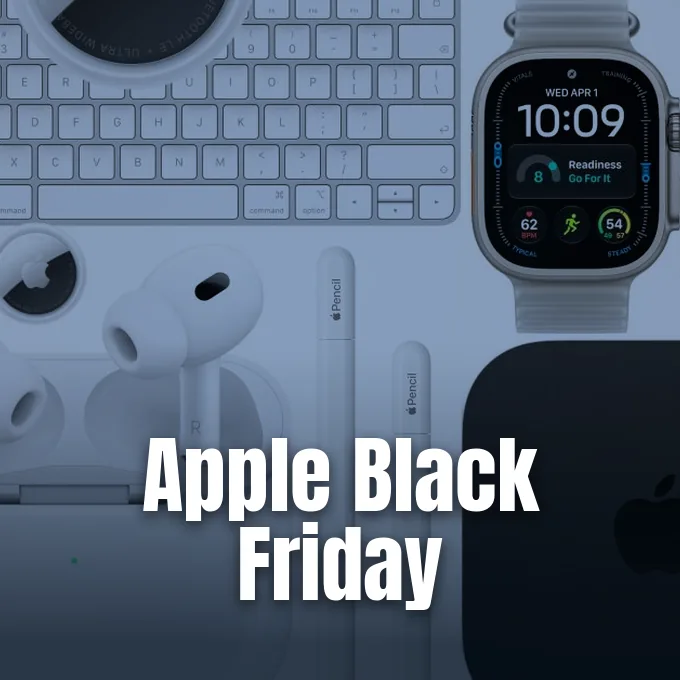
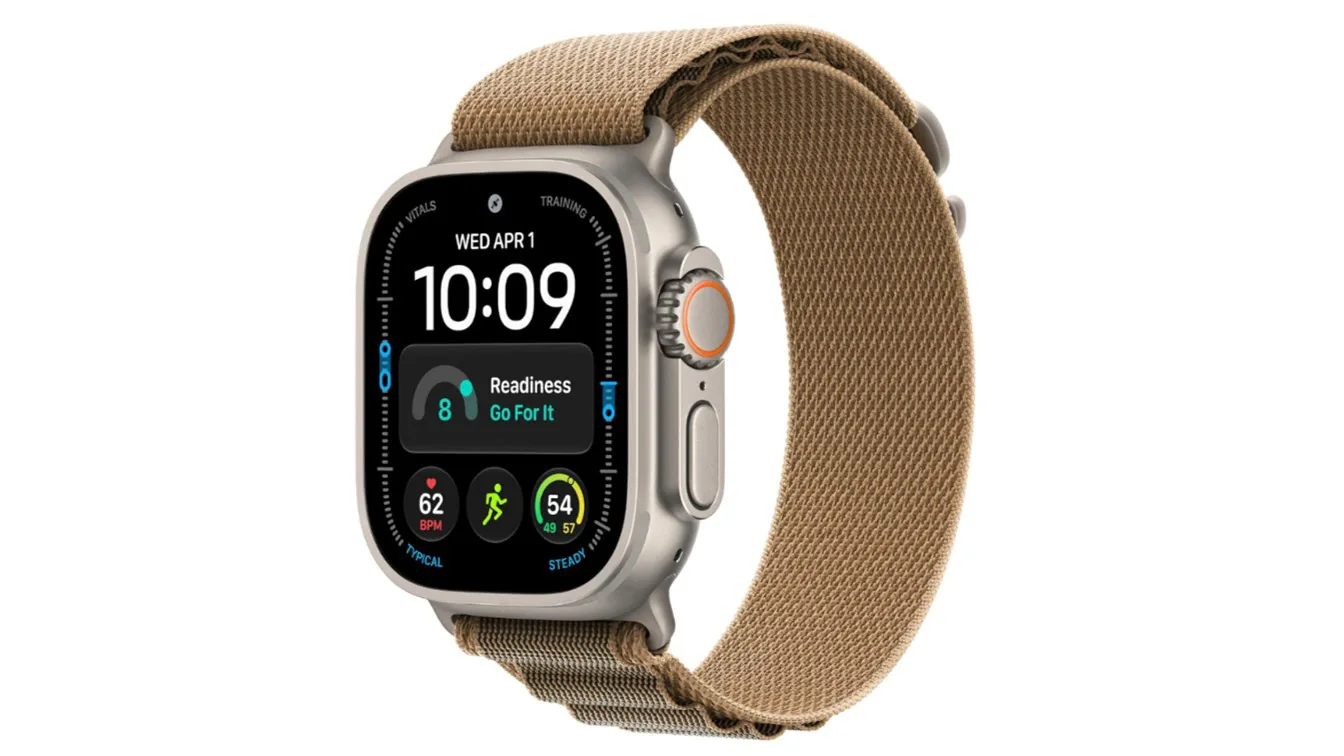
Shoppers comparing smartwatches during Black Friday sales also weighed deals from other major tech brands. Google’s competing Pixel Watch 5 received a steep 29% price cut on Amazon, presenting an alternative for buyers invested in the Wear OS platform. Meanwhile, Apple Black Friday deals included a record discount on the rugged Apple Watch Ultra 4 (GPS + Cellular, 49mm), where the titanium model fell by $149 from $799 to $649.99 on Amazon [3].
The Apple Watch Ultra 4 deal targeted outdoor athletes who need a 3,000-nit screen, 100-meter water resistance, and up to 50 hours of battery life with Low Power Mode. In contrast, the $249.99 Galaxy Watch 8 sale provides cellular freedom at less than half that cost, appealing to runners and everyday users who want core mobile independence without paying rugged luxury prices [1].
From Grocery Trading to Wearables
Samsung’s position as a global electronics maker looks very different from its origins in 1938, when founder Lee Byung-chul started Mitsuboshi Trading Company (Samsung Sanghoe) in Daegu with forty employees. The business dealt in dried fish, locally grown groceries, and noodles before expanding into new commercial fields. The word Samsung comes from Korean hanja for three stars, with three representing power and stars symbolizing eternal presence [4].
After moving its head office to Seoul in 1947, the firm faced wartime upheaval and set up a sugar refinery named Cheil Jedang in Pusan. In 1954, Lee founded Cheil Mojik and built a textile mill in Taegu, which stood as the largest woollen mill in the country at the time of construction. During the late 1960s, the company entered the electronics sector by setting up new divisions in Suwon for electronics devices, electro-mechanics, and semiconductor components. It built its first black-and-white television set around 1970, which reached South Korean consumers under the Samsung Electronics brand in 1972. Following Lee’s death in 1987, the business group split into five separate entities, with Samsung Electronics growing into a worldwide supplier of consumer devices and memory chips [4].
Telecommunications roots deepened in 1980 when Samsung acquired Hanguk Jeonja Tongsin in Kumi to produce hardware such as telephone switchboards and fax machines. That manufacturing facility became the core production center for cellular handsets and mobile gear. Decades of development led from early desktop switchboards to the miniature microchips and connected health sensors running inside modern wristwatches [4].
Galaxy Watch 8 in Samsung Ecosystem
Samsung’s wearable strategy relies on close software integration with companion smartphones, tablets, and wireless earbuds. For owners of Galaxy phones, the discounted Galaxy Watch 8 connects smoothly by syncing health metrics, notifications, and calendar alerts through Samsung’s native software suite. The inclusion of LTE cellular connectivity removes the requirement to carry a handset everywhere, making the watch a practical choice for daily fitness sessions [1].
Software support for health coaching has also become a selling point against fitness trackers and competing smartwatches. The watch tracks daily activity, measures heart rate trends, and generates actionable scores that guide recovery periods after hard workouts. With two years of warranty protection bundled into the Amazon deal, buyers get longer hardware coverage than standard retail purchases typically provide [1].
Holiday sales will continue through Cyber Monday, but pricing across smartwatch tiers may shift as inventories sell out. At $249.99, the cellular Galaxy Watch 8 offers a balance between price and standalone connectivity for Android users who want to untether their daily workouts from their phones without paying flagship prices [1].
- ONLINE NEWS Horne, M. (2026, November 27). Samsung’s LTE Galaxy Watch 8 hits a record low of $249.99. Android Authority. [Article Link]
- ONLINE NEWS Farmer, P. (2026, November 28). The Samsung Galaxy Watch 9 lands its first-ever discount for Black Friday. Android Police. [Article Link]
- ONLINE NEWS Horne, M. (2026, November 26). Apple Watch Ultra 4 hits a record low with $149 off. Android Authority. [Article Link]
- WEBSITE Wikipedia. (2026). Samsung. Wikipedia. [Article Link]


