





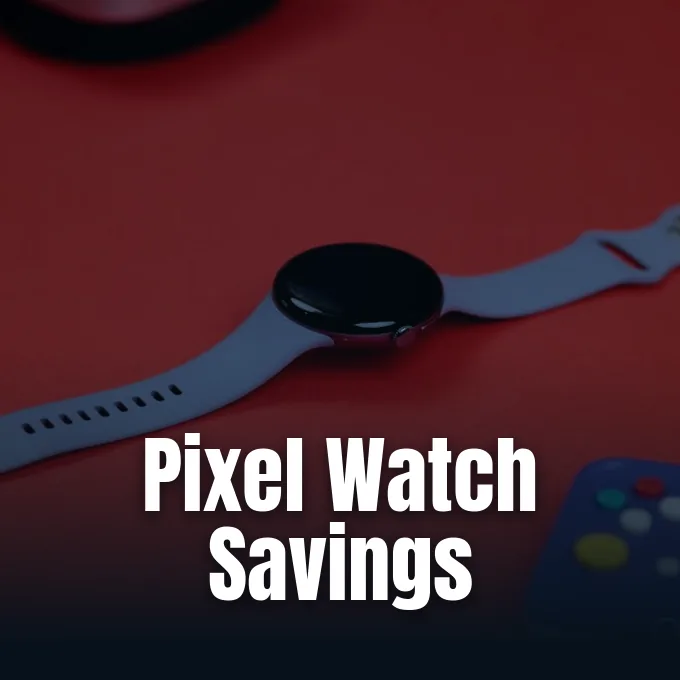
Less than a month after its official release, the Google Pixel Watch 5 has received its first substantial discount on digital storefronts. Early price drops on flagship smartwatches rarely arrive this quickly, raising questions about seasonal hardware promotions across the consumer technology market. Why would Google discount its premier wearable so soon? Android Authority reported that a $100 discount cuts the LTE model by 20 percent, providing buyers with immediate cellular savings as Google begins deploying its September 2026 Feature Drop across its connected wearable portfolio. [1, 3]
Early Price Reductions for Pixel Watch 5
Android Authority highlighted the unexpected retail movement, noting that shoppers can save $100 on the recently launched Pixel Watch 5 equipped with LTE (cellular network connectivity). The promotion targets shoppers seeking untethered smartwatch connectivity without paying the full launch premium. Hardware features emphasized during the discount coverage include continuous heart-rate tracking, fast charging capability, and more than 50 workout modes tailored for athletic training. The discount arrived unexpectedly. Buyers looking for standalone data access can now acquire Google’s latest wearable at a significantly reduced entry price. [1]
Google’s broader marketing calendar may explain the early timing of the discount. Android Authority also covered promotional preparations surrounding Google’s upcoming Birthday Sale, which features an interactive celebration game dubbed Tap Party. In that promotion, participant tapping skills can yield hardware rewards including a Pixel 11, Pixel Buds, or another Pixel Watch 5 unit awarded to players. Retailers acted swiftly. These overlapping promotional events indicate that Google is aggressively positioning its newer hardware against rivals in the consumer wearable space before the autumn shopping season accelerates. [1, 5]
Retail discounts on the hardware arrive while software engineering teams push major system upgrades to earlier wrist devices. [2, 3]
Wear OS Upgrades for Previous Smartwatches
While new buyers examine hardware savings, existing smartwatch owners are receiving software enhancements through Google’s September 2026 Feature Drop. Google detailed and initiated a comprehensive Wear OS rollout reaching the Pixel Watch 2, Pixel Watch 3, and Pixel Watch 4, according to reporting by Abner Li for 9to5Google. The software package introduces updated capabilities to older hardware generations that continue to see active daily use. Wearable software cycles move fast. Even as the Pixel Watch 5 commands headlines, Google maintains software support for prior models. [2, 3]
Google released formal build identification numbers for the rollout, confirming build CP3A.260905.002 for Pixel Watch 3 and Pixel Watch 4 alongside build CP3A.260905.002.E1 for Pixel Watch 2. Abner Li reported that factory and OTA firmware images were not yet live when Google announced the release details. Smartwatch owners relying on manual installation files must wait until Google publishes full OTA (over-the-air firmware packages) files to developer distribution servers. Factory images remained offline. The formal changelog concludes with general bug fixes and performance improvements aimed at stabilizing system operations across all supported watches. [3]
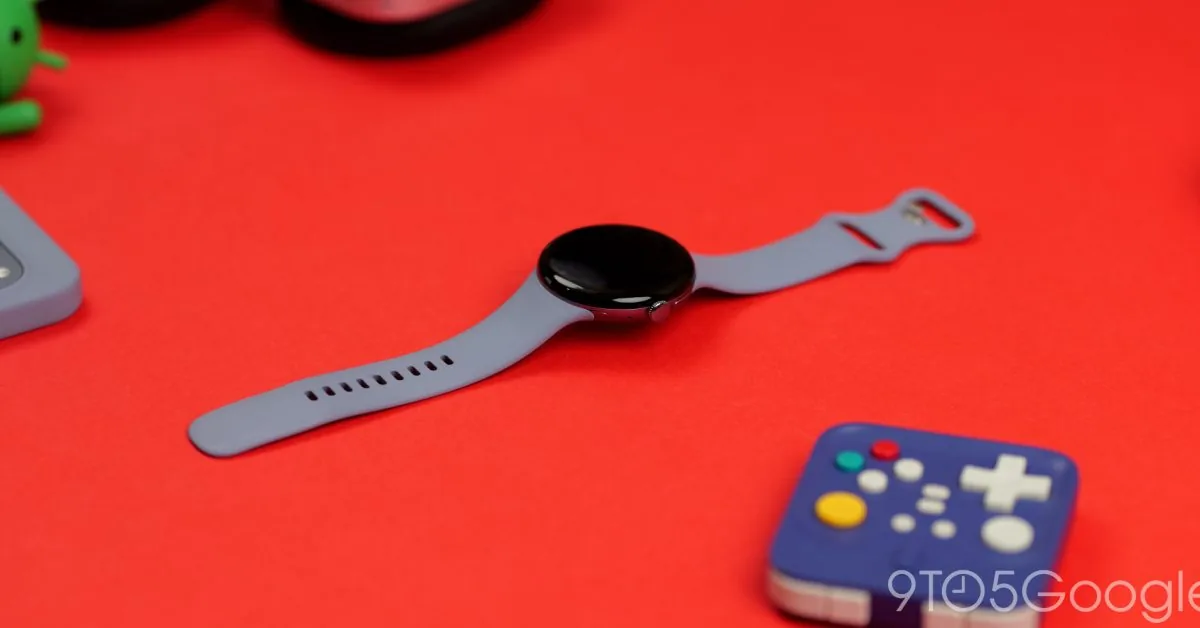
The delivery of matching maintenance updates underscores how Google structures feature distribution across its wearable portfolio. Rather than reserving core utilities exclusively for newer retail hardware, engineering teams are standardizing background services across multiple watch generations. That technical baseline ensures that older smartwatches remain compatible with Google’s modern artificial intelligence ecosystem. [2, 3]

Gemini Personalization Across Connected Google Apps
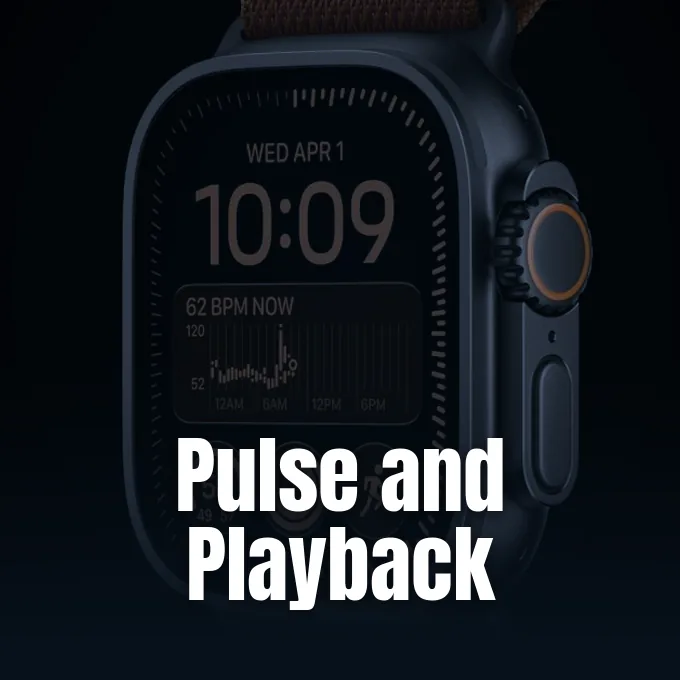
The headline software addition reaching the Pixel Watch 2 and newer hardware is Gemini Personalization, designed to deliver tailored digital assistance directly to the user’s wrist. Google confirmed that this capability leverages past conversations and connected Google apps to construct contextually relevant responses. The integration taps into Gmail, Calendar, Search, YouTube, and Photos, allowing the assistant to retrieve specific user data without forcing manual application launches on a smartphone screen. How does Google balance convenience with responsiveness on compact wrist hardware? [3]
Technical documentation explains that the intelligence architecture is powered by an offline user profile and real-time online retrieval working together. An offline profile stored within local storage (local device memory) allows the watch to retain key behavioral context quickly. When a wearer asks a complex query, the system couples that stored context with live online retrieval from Google services to produce an informed response. This dual-layer processing avoids unnecessary latency while preserving the battery reserves required for all-day wearable operation. [3]
Practical examples demonstrate how personal data retrieval operates during daily routines. Wearers can speak direct verbal prompts such as “What’s on my calendar today” to review upcoming appointments or ask the watch to “Find the tracking number in my email” when monitoring incoming package deliveries. By bridging communication apps and personal schedules on the watch, Google reduces friction for everyday inquiries. The capability transforms older watches into capable companions that mirror productivity workflows established on personal computers and mobile devices. [3]
Expanding Pinch Gestures and Navigation Controls
Physical interaction receives an extensive overhaul on newer smartwatches through an expanded suite of motion shortcuts. Owners of the Pixel Watch 3 and newer devices can now use a double pinch gesture to control multiple interface functions without touching the display glass. Users can execute a double pinch to open At a Glance directly from the watch face or launch the system notification tray, as Jay Bonggolto reported for Android Central. [3, 4]
The double pinch shortcut extends deep into individual Wear OS applications. Wearers can perform a double pinch to scroll through Gemini assistant responses, cycle through stored payment cards in the Google Wallet app, or inspect active metrics during ongoing workouts. The gesture also lets wearers toggle between Google Maps navigation views and manage audio recordings in the Recorder app. Navigation benefits from physical convenience. By enabling one-handed execution during travel or athletic training, Google simplifies critical interactions when a free second hand is unavailable. [3, 4]
Beyond pinch controls, Google introduced a universal wrist turn gesture that functions as system-wide back navigation, enabling users to retreat through menu tiers without reaching across the watch case. Smartwatch owners using the Pixel Watch 4 and newer hardware also benefit from improved raise-to-talk performance thanks to an updated gesture model that detects speech intent more reliably. Voice processing improves as well. According to technical reporting from 9to5Google and Android Central, refining motion detection algorithms allows the watch to differentiate intentional speech from accidental arm swings, preventing false voice triggers during strenuous exercise or ordinary office tasks. [3, 4]
The Broader September Feature Drop Ecosystem
Smartwatch improvements represent only one facet of Google’s autumn release strategy. The September Pixel Drop delivers coordinated updates across smartphones, tablets, and wearable accessories. On mobile devices, Google introduced a refreshed home-screen experience for Pixel VIPs on Pixel 6 and newer handsets. The utility adds one-tap calling and messaging, notification badges for unread or urgent communications, and a floating navigation bar that lets users swipe between designated VIP profiles (frequent contact shortcuts) without navigating through deep application menus. [4]
Fraud prevention and system security also advance under the seasonal software package. Google expanded Scam Detection across additional languages and geographic regions for chat notifications, while Gboard now flags suspicious incoming messages directly as users compose text in supported chat applications. These system-level security protections arrive in tandem with broader network enhancements across Google platforms, including PerEXP Teamworks coverage of an Android Auto update keeping the speedometer on screen without an active navigation route, as well as critical security patches for Google Pixel phones addressing zero-click modem flaws. [4]
A promotional audio collaboration adds a cultural flourish to the technology rollout. Google partnered to introduce Harry Potter Audiobook Packs that transform device wallpapers, interface icons, and system alert sounds on Pixel hardware. Eligible users receive a two-month Audible trial valid through December 31, uniting festive entertainment with functional system upgrades. The promotion ends soon. Between early retail discounts on the Pixel Watch 5 and sweeping feature backports for legacy watches, Google is ensuring that its wearable ecosystem remains competitive across every price tier. [1, 4]
- ONLINE NEWS Android Authority. (2026). Score 20% off the Google Pixel Watch 5 LTE less than a month after launch. Android Authority. [Article Link]
- ONLINE NEWS Android Authority. (2026). Google details September Wear OS update for Pixel Watch 2, Pixel Watch 3, and Pixel Watch 4. Android Authority. [Article Link]
- ONLINE NEWS Li, A. (2026, September 15). Google rolling out September 2026 update for Pixel Watch 2, 3, & 4. 9to5Google. [Article Link]
- ONLINE NEWS Bonggolto, J. (2026, September 15). Google’s September Pixel Drop upgrades VIP contacts, scam detection, and Pixel Watch. Android Central. [Article Link]
- ONLINE NEWS Android Authority. (2026). Pop balloons, win Pixels: Google’s birthday game can win you a Pixel 11, Pixel Watch 5 or Pixel Buds. Android Authority. [Article Link]


1 comment