




The industrialization of medicine changed medical practice over four decades. Where solo doctors once made choices based on their own clinical assessment, health care delivery now mirrors restructured corporate industries through managed care networks and automated script services. While these business models widen patient access to therapies for weight control and mental health, they also introduce fragmented oversight when market models outpace clinical monitoring [1].
Origins of the Industrialization of Medicine
Healthcare executive Breaux Castleman traced this transformation by examining parallels between clinical practice and other regulated sectors. Before entering medicine, Castleman worked as a partner at Booz Allen Hamilton, studying restructuring in banking, airlines, and energy. After an economic slump led Booz Allen Hamilton to shut down operations in Houston, Castleman took charge of Kelsey-Seybold Clinic in 1985. He approached the struggling clinic as an organizational consultant rather than a clinician, studying how market pressures and payment structures shaped doctor behavior [2]. The clinic faced steep deficits.
Castleman discovered that medicine differed fundamentally from manufacturing because doctors sell expertise, time, and cognitive evaluation rather than manufactured goods. Every clinical visit needs an individualized interpretation of patient history, bodily symptoms, and personal risks, which makes clinical judgment resistant to simple factory-style uniformity. Yet rising costs and changing payment rules steadily pushed solo clinics into group mergers. Rather than remaining autonomous doctors who admitted patients to local hospitals, physicians began entering organized health systems that prioritized office coordination, volume control, and financial gains within large patient groups [2].
Dr. Randy Bock, a family doctor who practiced in this era, observed that human biology remained constant while the office environment around medicine transformed completely. Solo medical practices steadily disappeared as physician management firms and hospital networks acquired community clinics. This consolidation promised improved technology and shared overhead, but it also reduced the personal autonomy that defined solo doctor-patient relationships [2]. That independence soon vanished.
How Managed Care Replaced Independent Practice
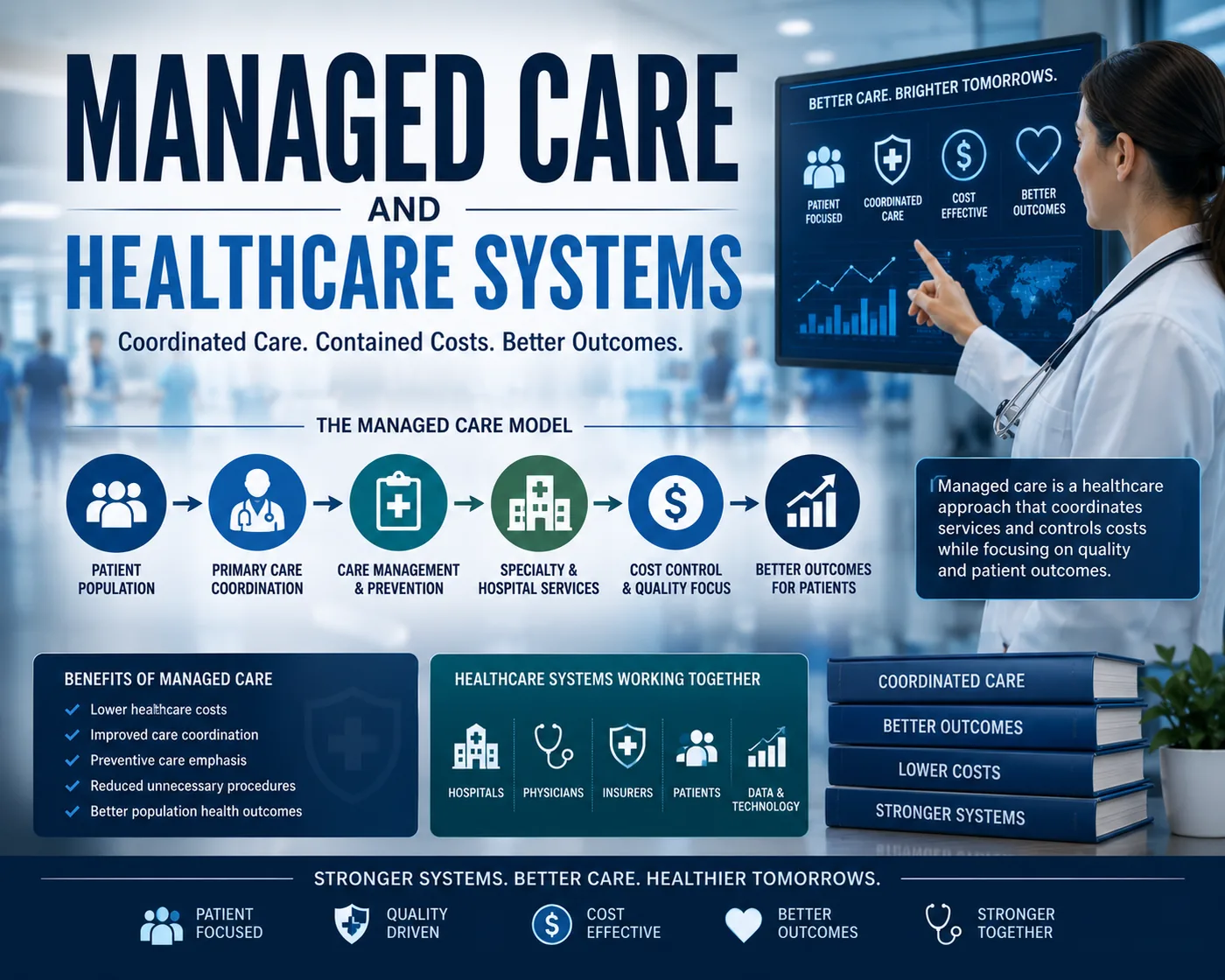
Prepaid health care contracts altered the economic motives that historically governed clinical decisions in American doctor offices. When Kelsey-Seybold Clinic adopted Health Maintenance Organization contracts and capitation payment models, doctors no longer billed insurers separately for each lab test or clinic visit. Instead, medical groups received fixed monthly payments to manage the health needs of a defined patient group. This payment shift rewarded preventive care and clinic efficiency, but it also introduced strict utilization reviews that monitored how often doctors ordered tests or specialty visits [2].
Integrated health networks in California served as an early testing ground for this prepaid model. Organizations like Kaiser Permanente combined insurance coverage, hospital facilities, and physician groups under a single corporate umbrella. California led this transition. Castleman noted that industrial restructuring in health care unfolded over four decades through three phases: initial consolidation of solo practices, systematic uniformity of clinical pathways, and the redistribution of expenses toward patients through higher deductibles and copayments [2].

By the 2010–2015 period, Castleman estimates that roughly 60 percent of previously independent doctors in the United States had affiliated with hospitals or larger health networks. For many clinicians, joining a hospital network provided steady salaries and relieved office burdens. However, it also required following clinic productivity targets, which limited the time doctors could spend listening to complex patient histories during routine office visits [2].
Standardization Across Corporate Healthcare Systems
Standardized clinical pathways allowed hospital networks to reduce variation in medical care and control clinic costs. Large organizations established clinical care protocols to ensure doctors followed consistent medical steps for common chronic conditions. While uniform protocols prevent clear medical errors, they can also constrain clinical judgment when patients present with atypical symptoms that do not fit standard clinic algorithms [2]. Rules replaced discretion.
This friction between network uniformity and individualized therapy mirrors scientific challenges seen in targeted cellular cancer research, where therapy success depends on accommodating complex cellular variability rather than enforcing uniform therapeutic responses. When health systems treat clinical encounters as uniform transactions, patients with persistent or poorly understood complaints often feel dismissed by hurried doctors. As a result, many tired individuals turn away from local doctor offices to seek alternative clinical pathways and therapies on digital platforms [1].
Heavy office burdens and brief appointment slots left patients feeling unheard. These time pressures accelerated consumer interest in alternative health services. People managing stigmatized conditions, including obesity, mental health struggles, and hormonal imbalances, increasingly sought care outside conventional clinics. Online health communities empowered patients to research therapeutic options independently and advocate for their own care plans [1].


Online Telehealth and Consumer Prescribing Risks
Consumer demand gained new momentum when digital telehealth companies began pairing health information with convenient home delivery. In Australia, drugmaker Eli Lilly launched its LillyDirect digital platform, focusing on Mounjaro (tirzepatide) for type 2 diabetes and weight loss. Patients with an electronic prescription can upload their script to the platform, have medication dispensed through an affiliated online pharmacy, and receive shipments right at their front door [1]. Digital scripts arrived by mail.
Eli Lilly argued that direct digital distribution improves affordability and convenience for consumers who struggle with retail pharmacy shortages. Yet researchers studying digital script orders for GLP-1 receptor agonists in JAMA found that direct-to-consumer models frequently bypass thorough clinical checks [3]. Social media advertising for glucagon-like peptide-1 (GLP-1) drugs, ketamine, and testosterone often highlights fast aesthetic results while glossing over long-term clinical hazards [1].
A review in JAMA Network Open evaluated direct-to-consumer ketamine promotions in Maryland clinics, finding off-label marketing for depression that lacked basic psychiatric rules [4]. This surge illustrates how digital marketing shapes consumer expectations, echoing lessons from analyzing public communication patterns during health discussions where online narratives outpace scientific guidance [1].
Can Primary Care Manage Fragmented Prescriptions?
Family doctors struggle to manage fragmented prescriptions because digital health platforms rarely share medical records with a patient regular clinic. Christine Mary Hallinan, a medical researcher at the University of Melbourne writing in The Conversation, pointed out that separating drug scripts, dispensing, and ongoing medical care fractures continuity of care. Patients who obtain medications online do not stop needing routine health care, but their general practitioners often have zero visibility into what was prescribed by remote providers [1].
When patients experience adverse reactions, unexpected drug interactions, or abnormal blood test results, they inevitably return to their family doctor. General practitioners must then diagnose complications without knowing the dosages, batch numbers, or clinical rationale behind therapies initiated by remote telehealth operators. Doctors lacked basic script data. This problem appears clearly in medicinal cannabis care, where fast access growth has left doctors without reliable data on what products patients actually use [1].
Financial motives also raise questions when a single business attracts the patient, writes the prescription, dispenses the medicine, and oversees follow-up visits. Furthermore, because many online telehealth services operate outside public health insurance through private fees, access depends heavily on a patient personal ability to pay rather than medical need [1]. Access depended on private wealth.
Safeguarding Clinical Care in Industrialized Medicine
Restoring clinical safety requires connecting digital script services with everyday family doctor records. Research led by Hallinan in the Australian Journal of Primary Health shows that electronic medical records in general practice can track patients using new medicines and flag missing safety tracking [5]. If clinic software captures external prescriptions, doctors can identify potential drug interactions and monitor chronic organ function before severe complications develop [1].
Integrating clinical records also enables general practice data to feed into scientific research and clinical trials. This approach resembles advancements in predictive clinical data models in organ transplantation, where continuous biomarker monitoring informs clinical decisions and protects patient outcomes during therapy transitions. When electronic health records document community drug patterns, researchers can assess whether quickly adopted medications provide genuine long-term benefits in real-world populations [1].
Patient advocacy must expand beyond simply demanding faster access to new therapies. Consumers and clinical groups can advocate together for rigorous evidence, transparent safety tracking, and integrated health care systems that protect patient safety. As business models continue to accelerate, medical oversight systems must evolve with equal speed to ensure that modern access remains safe, effective, and grounded in clinical evidence [1].
- ONLINE NEWS Hallinan, C. M. (2026). How ‘people power’ and business transformed medicine, but created a whole new set of risks. The Conversation. [Article Link]
- WEBSITE Bock, R. (2026). The Industrialization of Medicine Explained. Randy Bock MD PC. [Article Link]
- ACADEMIC JOURNAL Chetty, A. K., Chen, A. S., Ross, J. S., & Ramachandran, R. (2026). Online Prescribing of GLP-1 Receptor Agonists. JAMA, 336(5), 428. [Article Link]
- ACADEMIC JOURNAL Crane, M. A., DiStefano, M. J., & Moore, T. J. (2023). False or Misleading Claims in Online Direct-to-Consumer Ketamine Advertising in Maryland. JAMA Network Open, 6(11), e2342210. [Article Link]
- ACADEMIC JOURNAL Hallinan, C. M., Gunn, J. M., Qian, Y., & Bonomo, Y. A. (2022). Use of electronic medical records to monitor the safe and effective prescribing of medicinal cannabis: is it feasible?. Australian Journal of Primary Health, 28(6), 564-572. [Article Link]
APA 7: TWs Editor. (2026, October 12). Corporate Healthcare Systems Reshape Patient Care and Clinical Risks. PerEXP Teamworks. https://perexpteamworks.com/en/industrialization-of-medicine-clinical-risks/


