




Apple and AT&T confirmed that a persistent cellular failure on the iPhone 18 Pro Max leaves affected devices stranded in SOS mode, blocking phone calls, text messages, and emergency communications across the carrier’s network. The glitch surfaced shortly after the flagship hardware launched on September 18, prompting carrier warnings and emergency customer notifications. While software patches aim to shield functioning handsets, Apple acknowledged that units already disconnected from cell towers require an outright hardware swap at retail stores [1].
SOS Signals and Network Failures
Discussions erupted on Reddit when buyers observed their devices losing cellular signal within hours of activation. Handsets displayed only an SOS alert in the status bar [2].
Alan Velasco reported in HotHardware that customer support representatives initially categorized the dropped signals as an ongoing joint investigation between the wireless carrier and Apple. Within days, AT&T escalated its response by dispatching automated text messages to subscribers, warning that certain devices could not complete basic voice calls, standard text messages, or mobile data transfers. Most alarming for subscribers was the loss of access to emergency services. AT&T urged immediate customer action [2].
The scope of the outage quickly expanded beyond individual regional towers. According to Joe Rossignol at MacRumors, thousands of iPhone 18 Pro Max owners posted grievances across the Apple Support Community, Reddit forums, and dedicated telecom message boards after early retail deliveries arrived. Handsets dropped off the network either intermittently or completely, cutting owners off from their accounts without warning. For many customers who celebrated when iPhone 18 Pro pre-orders began across worldwide markets on September 18, the inability to dial 911 turned an inconvenient hardware rollout into a significant consumer hazard. In an automated message sent directly to user screens, AT&T stated: ‘Some phones may be unable to complete calls/text/data, including to 911. Update to iOS 27.0.1 immediately — Settings > General > Software Update.’ Service did not return [3].
iPhone 18 Pro Max Hardware Replacements
In an exclusive statement provided to Chance Miller at 9to5Mac, Apple publicly acknowledged the breakdown, confirming that an isolated defect disables network connectivity on selected carrier models. ‘We have identified an issue affecting a small number of iPhone 18 Pro Max users on the AT&T network that may cause a device to lose service and be unable to make calls,’ an Apple spokesperson stated. The company pushed iOS 27.0.1 and released a companion carrier update, yet acknowledged that neither software package could resurrect a severed cellular handshake. Apple confirmed the hardware replacement defect [1].
Because the firmware failure leaves cellular basebands permanently unresponsive once service drops, Apple directed stranded subscribers to seek physical device exchanges. Customers experiencing persistent SOS screens must schedule appointments with Apple Support or visit brick-and-mortar Apple Store and AT&T retail outlets. The company affirmed that routine over-the-air patches only protect devices that have remained connected to cellular towers. Once an iPhone 18 Pro Max completely drops from the carrier database, local radio hardware must be physically replaced [1].
Early store visits revealed confusion among frontline staff before corporate instructions circulated widely. An alleged internal AT&T email surfaced on Reddit indicating that technicians should process swaps, but several early claimants reported that store managers initially refused warranty replacements. In a statement shared with Joe Rossignol at MacRumors, an AT&T spokesperson emphasized that teams are actively coordinating logistics: ‘Our top priority is ensuring customers can stay connected when they need it most, and we are working with Apple to make it right’ [3].
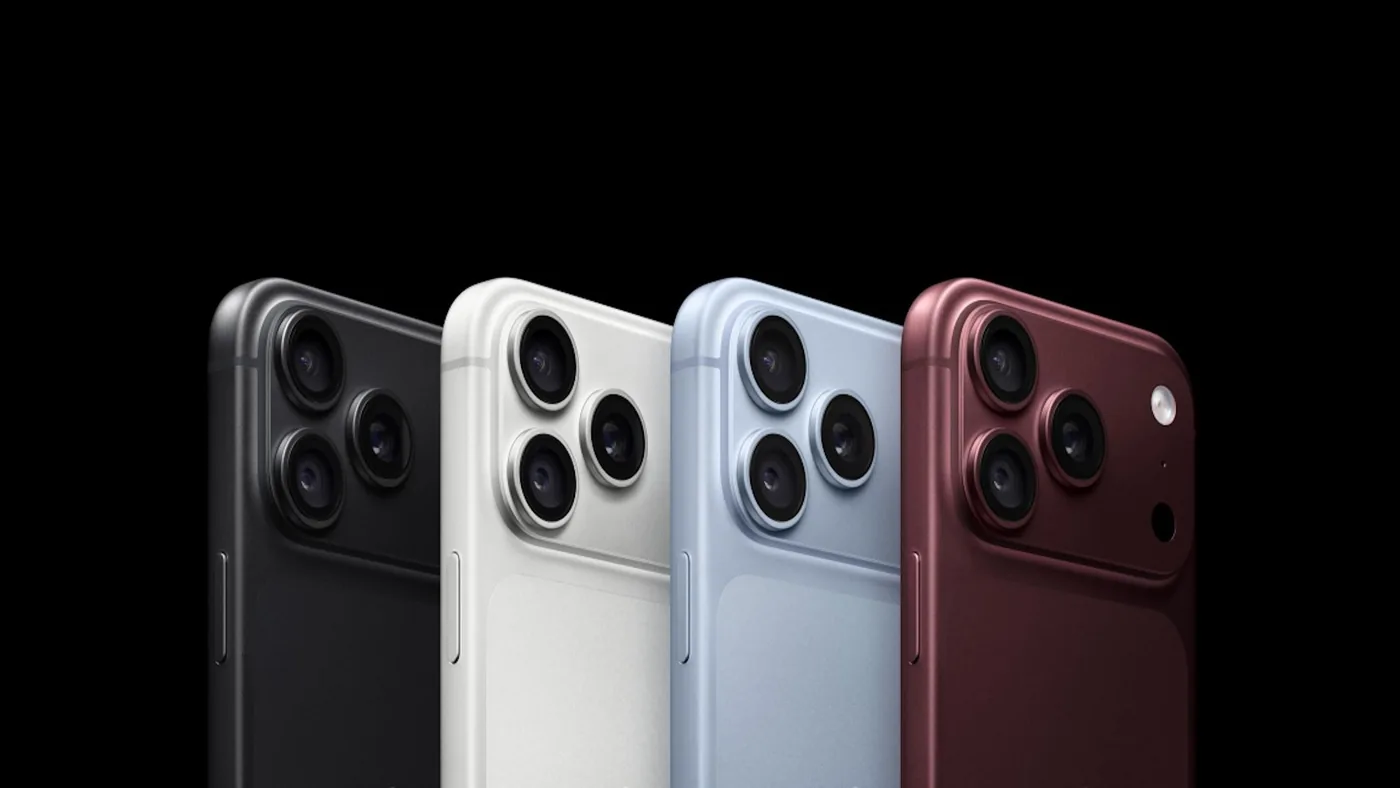


Modem Architectures Across the Pro Lineup
Technical scrutiny quickly centered on Apple’s split modem architecture across the flagship family. As noted by HotHardware and MacRumors, the United States edition of the iPhone 18 Pro Max stands alone as the only device in the 2026 catalog equipped with a Qualcomm cellular modem. The smaller iPhone 18 Pro, the new iPhone Duo, and all international variants of the Pro Max rely globally on Apple’s proprietary C2 modem (Apple’s custom in-house baseband). The smaller iPhone 18 Pro escaped [4].
Why did connectivity collapse exclusively on AT&T towers? If Qualcomm baseband silicon suffered from intrinsic design flaws, Pro Max handsets operating on Verizon or T-Mobile would exhibit identical widespread failures. Analysts observing carrier traffic noted that the breakdown points toward an unverified interaction between specific AT&T network bands and baseband software handshakes rather than defective silicon across the entire manufacturing line [2].
The radio glitch complicates what otherwise represents a major hardware generational leap for the iPhone 18 Pro Max. In technical testing conducted by John Velasco for Tom’s Guide, the device showcased substantial muscle driven by the 2nm A20 Pro chipset and 12GB of RAM, powering a 6.9-inch Super Retina XDR display running at 2,868 by 1,320 resolution. Velasco highlighted how graphics performance surged 141 percent over the previous generation in 3DMark benchmarks, while battery endurance from the 5,391 mAh cell reached 18 hours and 27 minutes. The device costs $1,299 [5].

AT&T iPhone 18 Pro Max Carrier Updates
AT&T instructed all customers carrying an iPhone 18 Pro Max to install the iOS 27.0.1 build immediately through standard device settings. However, owners who installed the update when it debuted on Monday reported that their cellular radios remained offline. Official release documentation distributed by Apple made zero mention of network fixes, focusing exclusively on troubleshooting Face ID glitches and camera performance bugs on Pro models [4].
To fortify devices against future disconnection, Apple also prepared a dedicated carrier settings package distributed directly through cellular profiles. This configuration patch downloads automatically in the background across a 14-day rolling window, but subscribers can accelerate installation manually in Settings (navigating to General and then About). Engineers explained that the combined bundle reinforces software protocols to prevent active devices from dropping offline, yet emphasized it cannot restore connectivity to hardware that has already severed communication with carrier nodes [1].
Frustrated by the ongoing lack of reception, several community members tested unverified workarounds to bypass the cellular blackout. Multiple AT&T subscribers reported on discussion forums that they enrolled in developer previews of the forthcoming iOS 27.2 beta, hoping experimental modem firmware might unlock their bricked cellular connections. The experimental software failed to re-establish network service. Beta profiles offered no remedy [2].

Customer Recourse and Replacement Deadlines
Timing of the carrier breakdown placed early adopters under strict administrative pressure. Launch-day buyers who acquired the iPhone 18 Pro Max on September 18 faced the final day of Apple’s standard 14-day return window in the United States on October 2. Those who missed the return window must rely entirely on manufacturer warranty provisions rather than straightforward retail refunds. October 2 marked that cut-off [3].
Warranty fulfillment requires navigating divergent store policies between carrier branches and Apple retail locations. While routine maintenance like standard battery replacement service fees proceeds under established price sheets, resolving this cellular defect involves completely exchanging affected handsets at zero cost under standard hardware warranties. Customers scheduled for service should bring their original proof of purchase and verify that technicians record the outage as an authorized exchange [3].
Telecom analysts and consumer advocates anticipate that Apple will deploy an incremental iOS 27.0.2 maintenance build to address remaining baseband vulnerabilities before more devices succumb. If service dropouts continue to multiply across the AT&T network, Apple may eventually institute a formalized free repair extension program to standardize exchange protocols nationwide. For the moment, owners of functioning devices should apply available carrier updates immediately, while users facing persistent SOS screens must head directly to certified service counters for hardware replacements [1].
- ONLINE NEWS Miller, C. (2026, October 2). Apple confirms iPhone 18 Pro Max AT&T cellular issues, affected devices require hardware replacement. 9to5Mac. [Article Link]
- ONLINE NEWS Velasco, A. (2026, October 2). AT&T Issues Urgent iPhone 18 Pro Max Warning Over Cellular And 911 Glitches. HotHardware. [Article Link]
- ONLINE NEWS Rossignol, J. (2026, October 2). AT&T on iPhone 18 Pro Max Issues: ‘We Are Working With Apple’. MacRumors. [Article Link]
- ONLINE NEWS Miller, C. (2026, October 2). AT&T claims iOS 27.0.1 fixes iPhone 18 Pro Max cellular issues, but users disagree. 9to5Mac. [Article Link]
- ONLINE NEWS Velasco, J. (2026, October 2). I tested the iPhone 18 Pro Max vs. iPhone 16 Pro Max side-by-side: Should you upgrade? Tom’s Guide. [Article Link]
- ONLINE NEWS Rossignol, J. (2026, October 1). AT&T Acknowledges iPhone 18 Pro Max Issues: Update ‘Immediately’. MacRumors. [Article Link]


