






Apple’s next entry-level iPad won’t arrive before early 2027, according to Bloomberg reporter Mark Gurman. The updated tablet, identified internally by codenames J581 and J582, was widely expected to debut sooner, but buyers now face a longer wait for the company’s most affordable computer. The delay leaves the base model on an older A16 chip without Apple Intelligence support while the rest of the lineup moves forward. Apple plans to close out its fall hardware calendar without introducing new low-cost tablets. [1, 2]
Gurman Reports Entry-Level iPad Delay
Mark Gurman shared the revised timing in his Power On newsletter while answering reader questions about Apple’s product roadmap. He described the hardware update as overdue. Apple faces fresh pressure from Amazon’s new Alexa Tablets in budget retail categories, and the company needs a compelling low-end tablet to stay competitive after recent price adjustments. Apple last updated the base tablet in March 2025. Skipping late 2026 stretches that release gap well into a second year, but Gurman said the required engineering work won’t be ready until early next year. [2, 3]
Apple has not officially announced J581 or J582. The company rarely discusses unreleased hardware before stage presentations, and it previously skipped the March 2026 event when the M4 iPad Air launched. The entry-level tablet won’t appear during upcoming fall broadcasts either. Apple scheduled a smart home event for October 13 and prepared an October 27 showcase for new Macs and the OLED iPad mini. Those events close out Apple’s public calendar for 2026. [1, 2, 7]
Timeline projections have shifted multiple times over the past year. In July 2026, Gurman reported that Apple scheduled the tablet release for “as early as the first calendar quarter next year,” after earlier roadmap leaks pointed to the iOS 26.4 window that runs through May. Prior speculation from MacRumors had pointed to a potential debut in early 2026, but software work and component schedules pushed those expectations back. Touch Reviews reporter Ethan Rivers and GadgetBond analyst Shubham Sawarkar both noted that the entry-level iPad is now confirmed to miss the remainder of 2026. [3, 5, 6]
Chip Upgrade Strategy for the Budget iPad
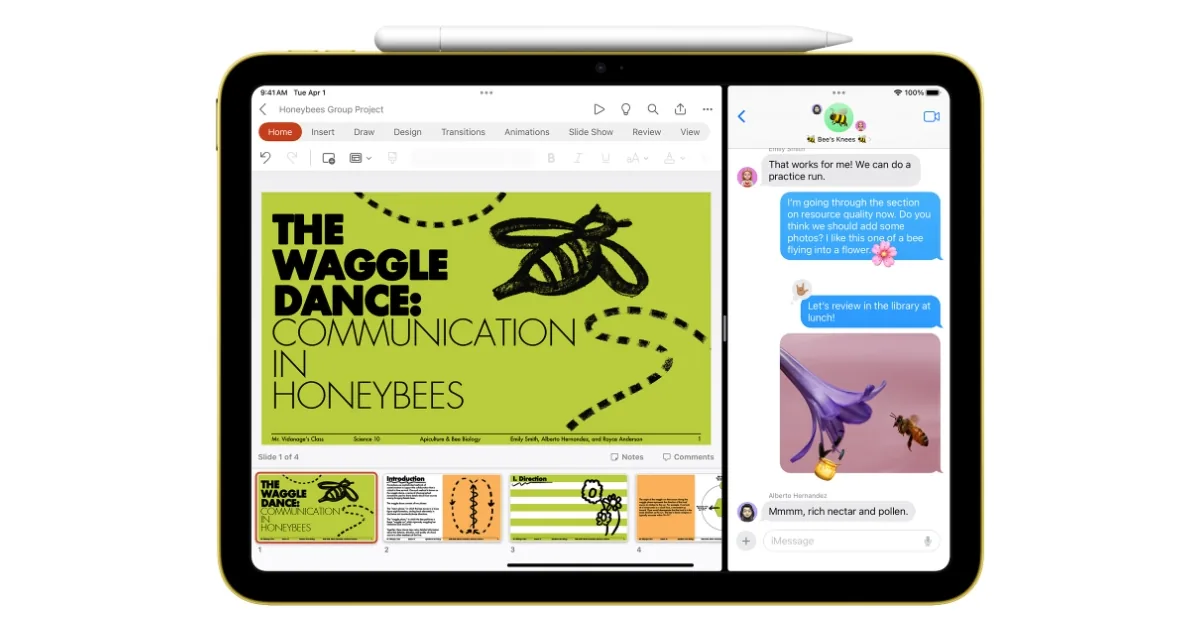
The main reason to look forward to the next generation is silicon. The existing iPad uses an older A16 processor that first appeared in earlier iPhones, but future hardware needs significantly more power to handle modern computing tasks. Conflicting evidence points to either the A18 or the A19 chip. Macworld reported that leaked Apple code specifically linked the J581 and J582 models to the A19 processor used in the iPhone 17 lineup. That chip runs about 50 percent faster than the A16. If Apple picks the A18 instead, it still gains a 6-core CPU and 5-core GPU built on newer architecture, ensuring a noticeable step up in overall processing performance. [4, 5, 7]
Delaying the release solves two distinct problems for Apple: marketing alignment and manufacturing expenses. Macworld writer Filipe Esposito explained that putting an A19 into a budget iPad in early 2026 would look strange next to the newly launched iPhone 17e and the A18 Pro MacBook Neo. By waiting until after the iPhone 18 arrives, the A19 is no longer Apple’s latest chip and costs much less to produce at scale. Beyond processing power, internal code leaks reveal Apple’s custom N1 chip will handle Wi-Fi 7, Bluetooth 6, and Thread connectivity, replacing older Wi-Fi 6 and Bluetooth 5.3 standards. Cellular models are expected to adopt Apple’s in-house C1 or C1X modem. [5, 6, 7]


Why Apple Intelligence Skips the A16
Why does this chip debate matter so much to regular buyers? The answer comes down to system memory. The 11-inch entry-level iPad is currently the only tablet Apple sells that lacks Apple Intelligence support. The A16 model includes just 6GB of RAM. Apple’s on-device AI tools require at least 8GB of memory and a modern Neural Engine, making that limitation a real hurdle for everyday software features. Every other iPad has already made that leap: the iPad mini runs an A17 Pro chip, the iPad Air features the M4, and the iPad Pro uses the M5 processor. Without 8GB of RAM, the base iPad can’t run Apple Intelligence. [2, 3, 5]
That memory limitation locks users out of features that define newer iPadOS releases. An A18 or A19 processor would bring tools like Image Playground, custom Genmoji, and system-wide Writing Tools for proofreading and rewriting text. It would also enable the Clean Up photo tool to remove unwanted background objects, as well as live translation captions during calls in FaceTime and Messages. [5]
These missing capabilities matter because upcoming operating systems, including iPadOS 27, will lean heavily on next-generation Siri AI. For anyone who keeps a tablet for four or five years, buying the current A16 model today means missing out on that entire software ecosystem. The wait for early 2027 ensures buyers get hardware that can handle those features for years to come. [5]
Display Specs and Physical Dimensions Carry Over
While internal chips are due for upgrades, the exterior of the tablet won’t change much. Macworld reports that Apple plans to keep the familiar 10.9-inch Liquid Retina display (an LCD screen with rounded corners) that has anchored the entry tier since 2022. The screen offers a resolution of 2360 by 1640 pixels with 500 nits of peak brightness. The panel runs at 60Hz. Apple reserves high-end display technologies like ProMotion and OLED panels for more expensive models, so budget tablet buyers shouldn’t expect deep contrast levels here. [2, 5]
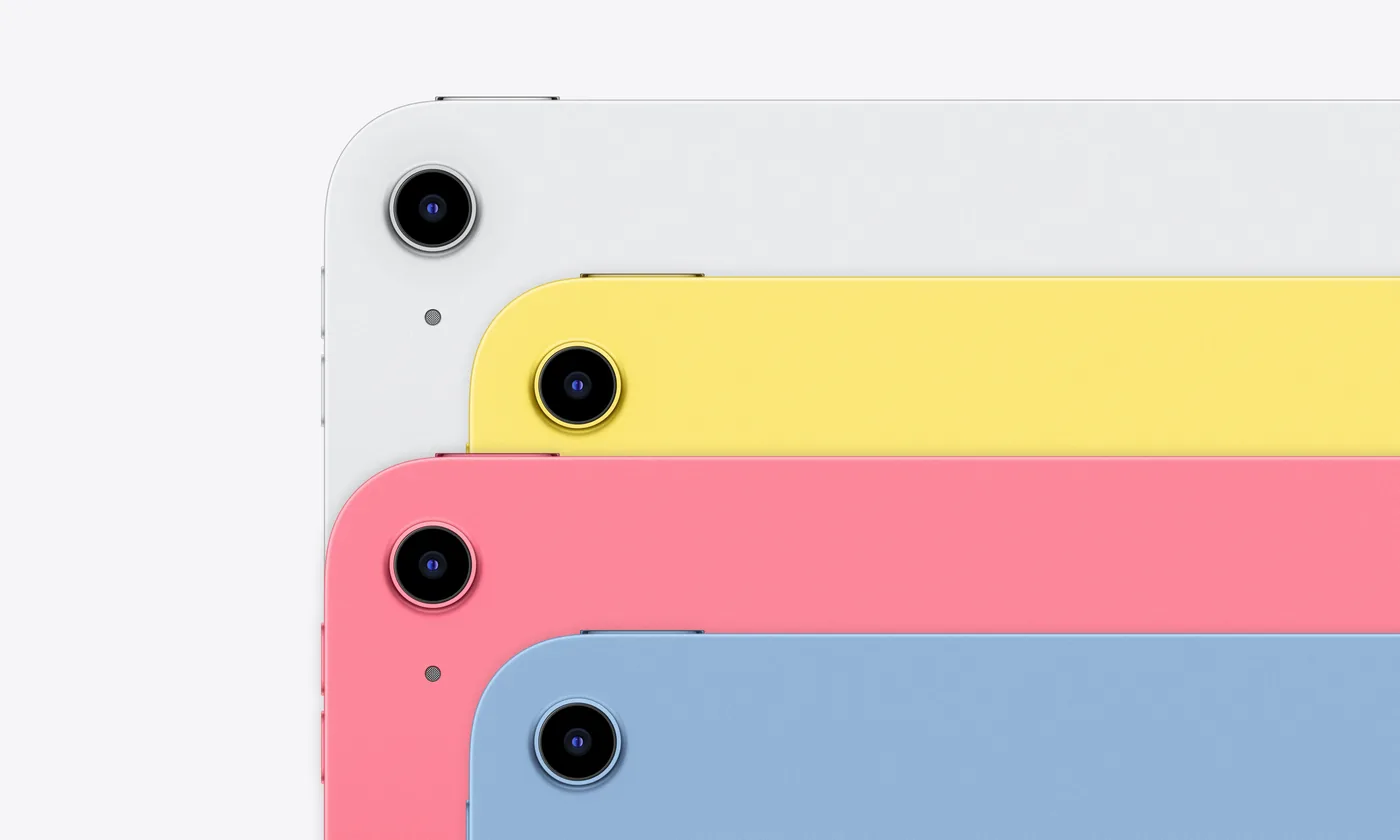
The tablet’s physical frame is also projected to stay identical to the current version. Reported dimensions measure 9.79 by 7.07 by 0.28 inches, translating to 248.6 by 179.5 by 7 millimeters. The unit weighs 1.05 pounds (477 grams). Leaks haven’t indicated any changes to the existing color lineup, which includes blue, pink, yellow, and silver options. [5]
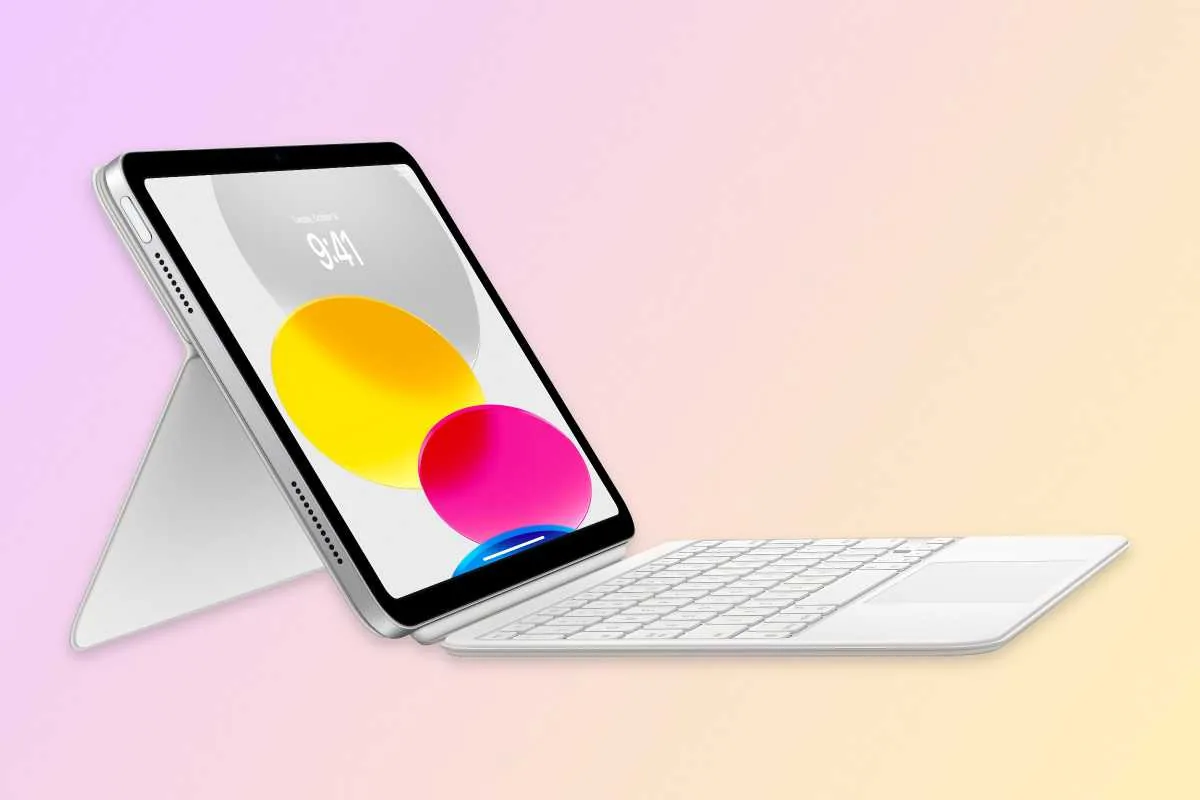
Camera hardware follows that same conservative path. The upcoming entry-level iPad is expected to keep a 12MP Wide rear camera and a 12MP landscape Center Stage front camera capable of recording 4K video. Apple introduced an 18MP front sensor on the iPhone 17 with automatic framing, but there are no reports pointing to its arrival on budget tablets. For accessories, the tablet continues supporting the Magic Keyboard Folio, the USB-C Apple Pencil, and the first-generation Apple Pencil via adapter, while the Apple Pencil Pro remains exclusive to higher-end models. Similar design continuity was spotted in early reporting on hardware leaks revealing the iPad mini 8 and HomePod mini 2, showing that Apple often preserves casing molds across multiple product revisions. [1, 2, 5]
Lineup Timing and Price Increases Ahead
When the base iPad finally debuts in early 2027, it won’t be arriving alone. Gurman says Apple is planning a crowded start to the year that includes the MacBook Air, MacBook Neo, iPhone Air, iPhone 18, and iPhone 18e. Other tablets will share that release spotlight, including an updated iPad Air featuring an OLED display and a new iPad Pro that could gain a vapor chamber cooling system to reduce thermal throttling. Touch Reviews also revealed that spring 2027 could bring refreshed Apple Pencil models, which might feature removable batteries to comply with European regulatory standards. [2, 6]
That packed roadmap stands apart from Apple’s laptop strategy, where PerEXP Teamworks reported that Apple readies a touchscreen MacBook Pro for October 27, keeping high-end professional hardware separate from everyday consumer tablets. MacRumors contributor Aaron Perris also identified official leaked assets showing Apple preparing refreshed Apple TV 4K models and HomePod hardware with a vintage iMac G4-style appearance. [1, 2]
Pricing adds another layer of complexity for shoppers trying to decide whether to buy now or wait. Apple introduced the 10th-generation iPad at $449 before dropping the entry price to $349 in May 2024, when it doubled base storage to 128GB of storage. But in June 2026, Apple raised the US starting price back to $449 because of rising component expenses. According to Touch Reviews, the Apple Store price climbed from 389 euros to 509 euros across European markets. Retailers raised prices as well. With the upcoming OLED iPad mini expected to jump from $599 toward $799, the current $449 entry-level iPad remains the lowest-cost option in Apple’s ecosystem, even as buyers wait for next-generation silicon. [2, 3, 5, 6]
- ONLINE NEWS Charlton, H. (2026, October 11). New Entry-Level iPad Not Expected Until Early 2027. MacRumors. [Article Link]
- ONLINE NEWS Hussain, I. (2026, October 11). Entry-Level iPad Reportedly Coming in Early 2027. Ithinkdifferent. [Article Link]
- ONLINE NEWS Sawarkar, S. (2026, October 11). Apple delays budget iPad refresh until early 2027. GadgetBond. [Article Link]
- ONLINE NEWS Appleosophy. (2026, October 11). Apple’s Next Base iPad Reportedly Pushed to 2027. Appleosophy. [Article Link]
- ONLINE NEWS Haslam, K., & Loyola, R. (2026, September 9). New iPad coming in 2027: Why you might want to wait. Macworld. [Article Link]
- ONLINE NEWS Rivers, E. (2026, July 25). iPad A16 Successor Delayed: Launch Not Expected Until Early 2027. Touch Reviews. [Article Link]
- ONLINE NEWS Esposito, F. (2026, March 6). Why Apple didn’t launch a new entry-level iPad this week. Macworld. [Article Link]


