





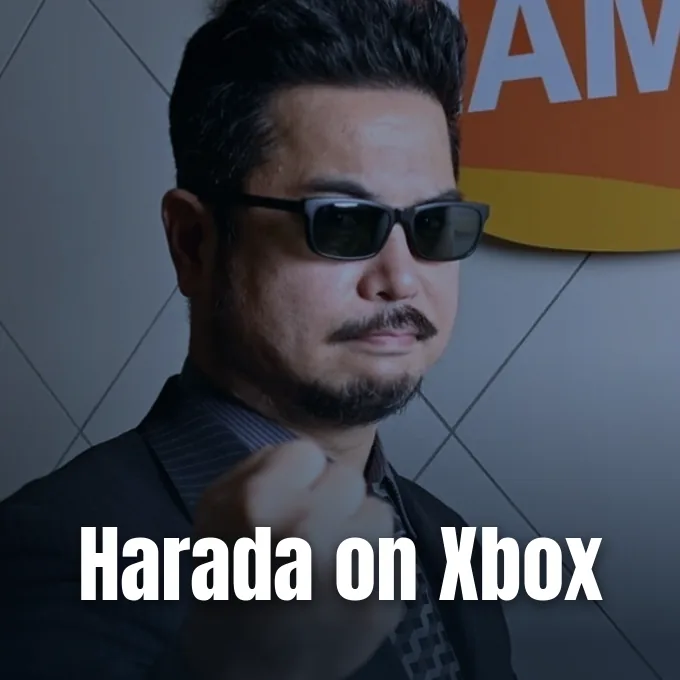
At the Console Game Developers Conference 2026 in Seoul, veteran game producer Katsuhiro Harada told an audience that included Microsoft staff that he wishes the Xbox Series S didn’t exist. Speaking on a panel at the SKY31 venue in South Korea, Harada described the hardware as an awkward burden that forces studios to spend extra time supporting a weaker system. He pointed out that as the machine shares the current console generation with the Series X, its lower memory pool and reduced graphical power create persistent headaches during production [1].
The Panel Discussion at SKY31
The developer panel brought together prominent Asian and European creators at the SKY31 event in Seoul. Shuhei Yoshida moderated the discussion [4]. Panel members included Shift Up chief technology officer DongKi Lee, Too Kyo Games head Kazutaka Kodaka, CD Projekt Red associate game director Paweł Sasko, and Ludeon Studios founder Tynan Sylvester [1]. When Yoshida asked the panel about practical trade-offs between consoles and personal computers, Harada took the floor to speak to a senior Xbox official in the audience [4]. Katsuhiro Harada then asked Sasko whether coping with the junior machine had caused him quiet frustration during recent game productions [2].
Harada didn’t hold back his feelings about the split console line [2]. Speaking directly to the Microsoft representative in the front row, Harada joked that he wishes hardware like the junior console “wouldn’t be released” at all [1]. When Sasko replied that the console forces programmers to optimize their code cleanly, Harada laughed off the diplomatic answer [2]. “You just used a very polite and elegant way to say “Xbox Series S sucks,” right?” Harada said, pointing out how tough it is to deliver twin releases when one box has far less memory and speed [1].
The exchange drew attention because studio heads rarely air hardware complaints in front of platform managers [2]. Harada pointed toward Microsoft staff [4]. Rather than keeping his criticisms private, Harada chose that setting to question why teams must split engineering hours between two boxes with very different power ceilings [1].
Why Katsuhiro Harada Questioned Memory Limits
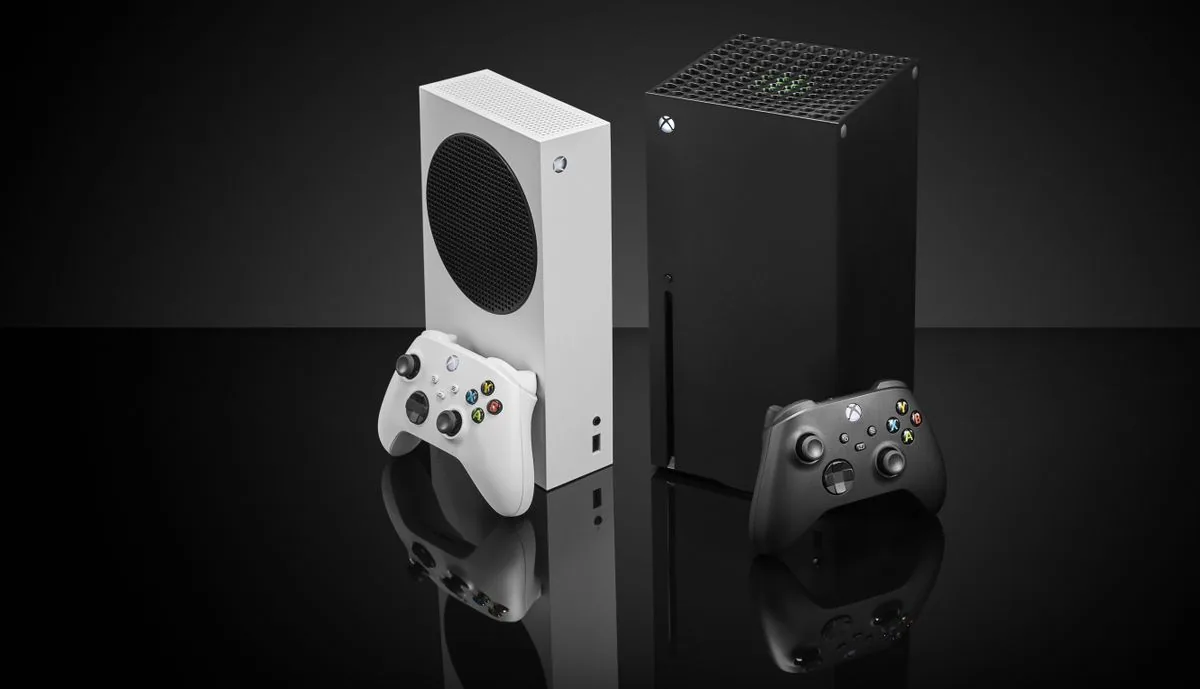
The core frustration stems from how Microsoft treats the two consoles as members of an identical platform tier. Nintendo fans treat Switch 2 as a distinct portable system. With Microsoft’s lineup, however, engineers must build matching game features for two machines that share a brand name but feature starkly uneven hardware profiles, forcing teams to duplicate testing passes [1]. Harada explained the core hardware dilemma. “Low memory is an issue, but the hardest part is that it’s a device so similar to Series X while having awkwardly lower performance,” Harada said [3]. “With Xbox, after delivering your absolute best output, it feels like having to do extra work for a slightly weaker child [1].”
Studios can’t bypass the lower-spec machine because it represents a major segment of the active player base [1]. In key regions like the United States, Series S units outnumber Series X boxes in living rooms, making full support mandatory for commercial releases [3]. Harada said that when visual compromises show up in retail builds, consumers direct their frustration at game creators instead of the hardware manufacturer. Players ask why textures look blurrier on Series S without understanding the memory limits shaping the code [1].
Harada also watched the room as Sasko defended the system. Seeing the Microsoft representative nod along with Sasko’s polite words made him worry about future hardware plans. “I’m worried they’ll feel reassured and release a successor like ‘Helix S’ for the next-gen Xbox as well,” Harada joked [2].

Sasko Answers Katsuhiro Harada on Optimization
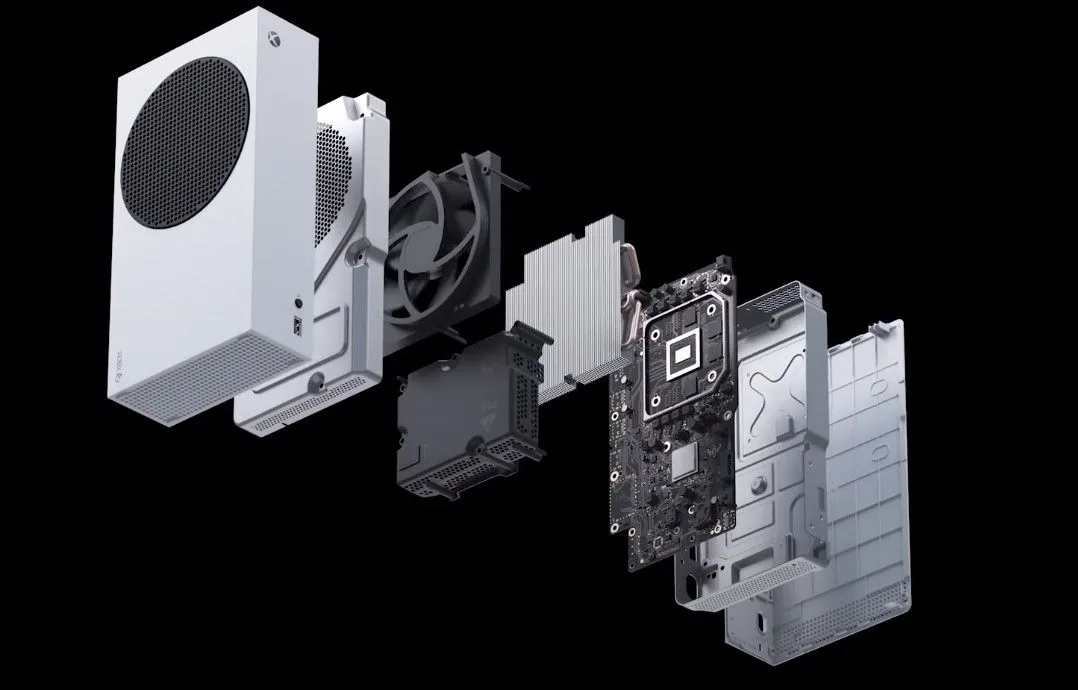
Even as he acknowledged Harada’s critique of hardware trade-offs, Paweł Sasko offered a different view centered on software craftsmanship. Sasko agreed that players rarely grasp why crowd density drops or why graphical settings are scaled back on budget hardware. CD Projekt Red took a different view. Sasko argued that wrestling with tight hardware constraints produces code breakthroughs that benefit every version of a game [1]. Better optimization directly improves performance on PlayStation 5, high-end personal computers, and portable machines like the Steam Deck and the Asus ROG Xbox Ally X [2].
To show how that works in practice, Sasko pointed to CD Projekt Red’s work on Cyberpunk 2077 Version 2.5. His studio spent more than a year directing an engineering team of 80 to 100 people to prepare an upcoming release for Nintendo’s next gaming machine. Switch 2 demands clean code. The techniques discovered as they squeezed demanding assets onto mobile hardware were later applied to every existing build, improving performance across high-end personal computers and consoles alike without requiring extra staff. “Intensely optimizing for lower-spec platforms definitely brings the benefit of making the game run significantly better across all platforms,” Sasko said [1].
Sasko also pointed to consumer accessibility as the biggest justification for the junior console. Expensive gaming hardware stays out of reach for millions of households worldwide. By offering a lower price, the Series S expands player access and lets studios deliver their titles to far more people [1].
Porting Delays Across Other Studios
Harada’s comments reflect a wider sentiment that has troubled third-party creators since the console generation started. Memory issues hit Baldur’s Gate 3 early. When split-screen cooperative play on Series S created stubborn memory bottlenecks that delayed the Xbox release by several months, Microsoft had to waive its feature parity rule so the game could launch before the holidays. Scott Junior shared similar concerns. The Funcom chief product officer described bringing open-world survival game Dune: Awakening to Series S as a tough engineering struggle [4].
Other development teams have linked release delays directly to the lower-tier machine. Thomas Mahler, the head of Moon Studios, blamed hardware constraints for delays surrounding No Rest for the Wicked on Xbox. Korean studio Shift Up also watched action title Stellar Blade remain exclusive to competing hardware despite interest in an Xbox edition. DongKi Lee sat quietly beside Harada. Shift Up’s chief technology officer did not comment on porting hurdles during the panel, leaving the exact technical causes unconfirmed [4]. Meanwhile, upcoming action title Crimson Desert faces persistent scrutiny over how it will perform on the budget console [3].
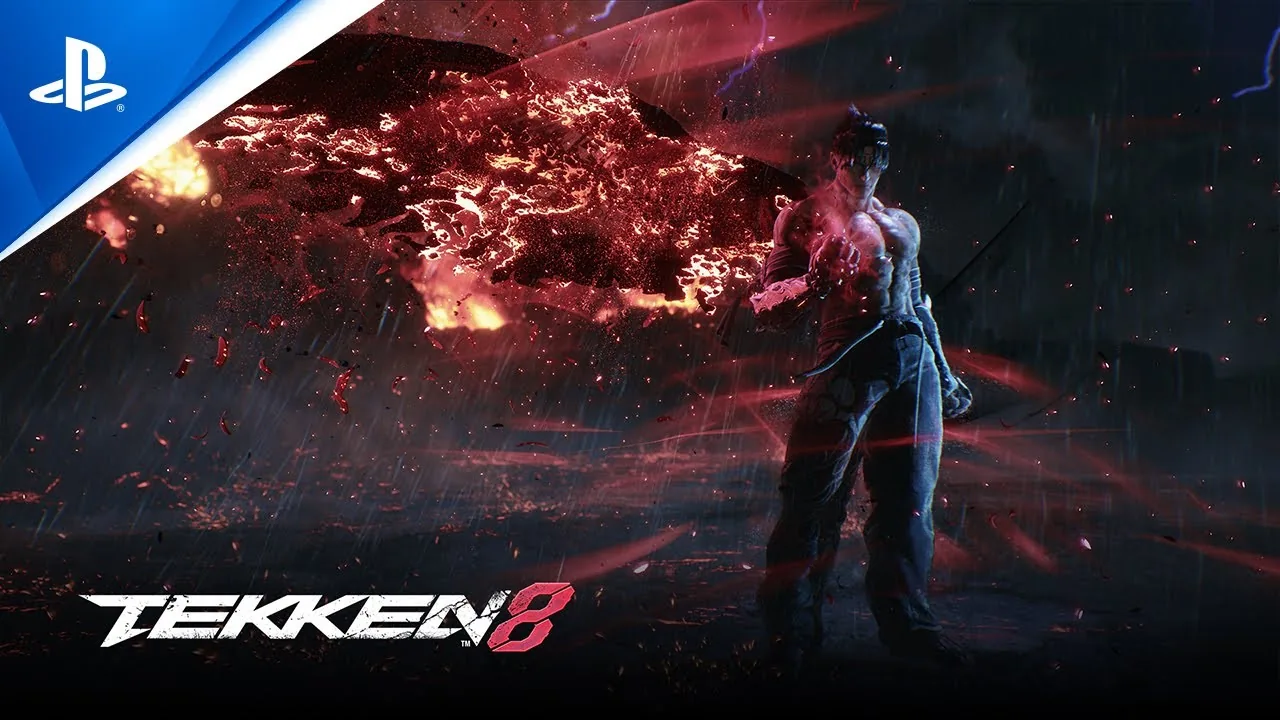
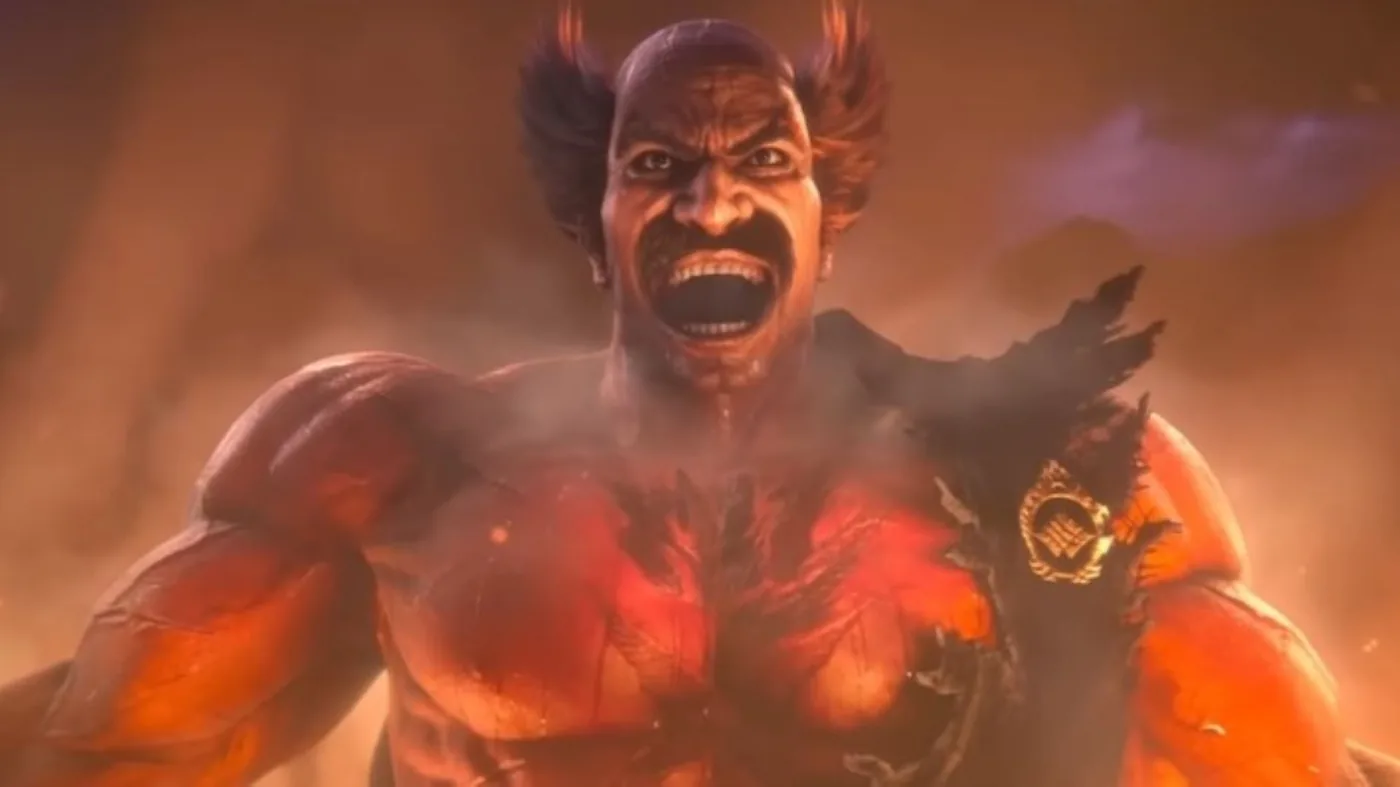
High-speed action and competitive precision make hardware stability especially sensitive for fighting games. Veteran creator Katsuhiro Harada spent decades supervising Bandai Namco franchises, where recent content rollouts introduced Roger Jr. to Tekken 8 alongside licensed Nike gear. When match outcomes hinge on single animation frames, even minor drops in rendering speed disrupt tournament play [4].
Sales Trends and Shifting Market Share
Market conditions have shifted considerably since Microsoft launched its twin-console strategy in late 2020. During early manufacturing shortages, the Series S accounted for nearly 75 percent of total Xbox Series sales through 2022. The low entry price allowed Microsoft to draw budget buyers into ecosystem subscriptions like Xbox Game Pass at a time when PlayStation 5 stock remained limited. For several years, the volume of active Series S owners gave the smaller machine clear commercial weight [4].
That dynamic began to reverse once component supplies stabilized and premium consoles became readily available in retail outlets. By 2024, the Series X surpassed the Series S in United States unit sales as dedicated gamers upgraded toward higher graphical performance. Hardware prices rose by $200 in certain international markets, weakening the junior console’s primary selling proposition. The Series S currently costs roughly $200 more than its launch price, narrowing the economic gap that once made it an automatic choice for budget shoppers [4]. That shift arrives as Microsoft plans new Xbox layoffs across corporate and development teams.
The ongoing friction highlights the difficult balance console makers face as games grow increasingly complex. Rockstar Games chose 30 fps instead. The studio confirmed that GTA 6 will target 30 fps on current consoles as it renders the vast state of Leonida. Boutique gaming rigs push personal computing forward, but console developers remain tied to entry-level hardware standards [2]. As Katsuhiro Harada demonstrated in Seoul, the engineering compromises required by budget hardware will continue to fuel lively debate among studio heads [1].
- ONLINE NEWS Huebner, A. (2026, November 11). Former Tekken Director Feels XBOX Series S is “Extra Work for a Slightly Weaker Child”. Insider Gaming. [Article Link]
- ONLINE NEWS Fox, J. (2026, November 11). CDPR associate game director says Xbox Series S ‘constantly throws challenges at us’. PC Gamer. [Article Link]
- ONLINE NEWS McGlynn, A. (2026, November 11). In front of Xbox staff, ex-Tekken boss says developing for Xbox Series S “feels like having to do extra work for a slightly weaker child”. GamesRadar+. [Article Link]
- ONLINE NEWS Valentine, R. (2026, November 11). Tekken Boss Katsuhiro Harada Says Developing For Xbox Series S ‘Feels Like Having To Do Extra Work For A Slightly Weaker Child’. Kotaku. [Article Link]


