





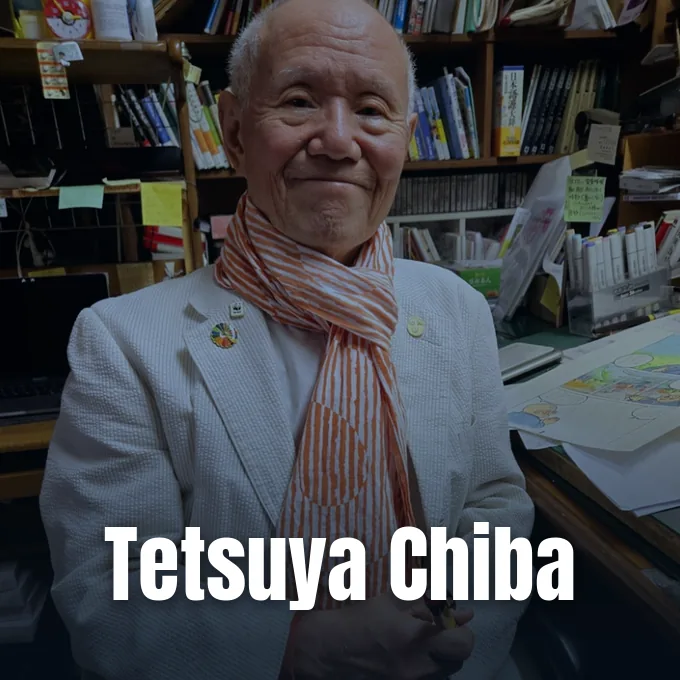
Manga artist Tetsuya Chiba, who illustrated the boxing serial Ashita no Joe, died on October 22 at age 87 in a Tokyo hospital due to myelodysplastic syndrome. His wife, Sachiko, confirmed his passing on October 27 through a public notice on the Big Comic website, explaining that relatives had already gathered for a private funeral. The news prompted tributes from peers, former students, and publishers who followed his storytelling during seven decades of publication. [2]
Tetsuya Chiba Passes Away at 87
Sachiko Chiba explained that her husband died at 6:00 p.m. on October 22 after drawing manga well into his late eighties. She offered thanks to readers and editors who followed his stories, adding that the household would decline condolence visits, flowers, gifts, and telegrams. “To have remained active throughout his 87 years of life and received the support of so many readers over the course of his 70-year career as a manga artist was truly a fortunate life,” she wrote in her statement. [2]
His medical difficulties began to worsen five years before his death. Chiba entered a Tokyo clinic in late 2021 after feeling unwell, beginning treatment for abnormalities in his heart valve, coronary artery, and throat. Surgeons placed a stent in his coronary artery in January 2022. He was 87. [4]
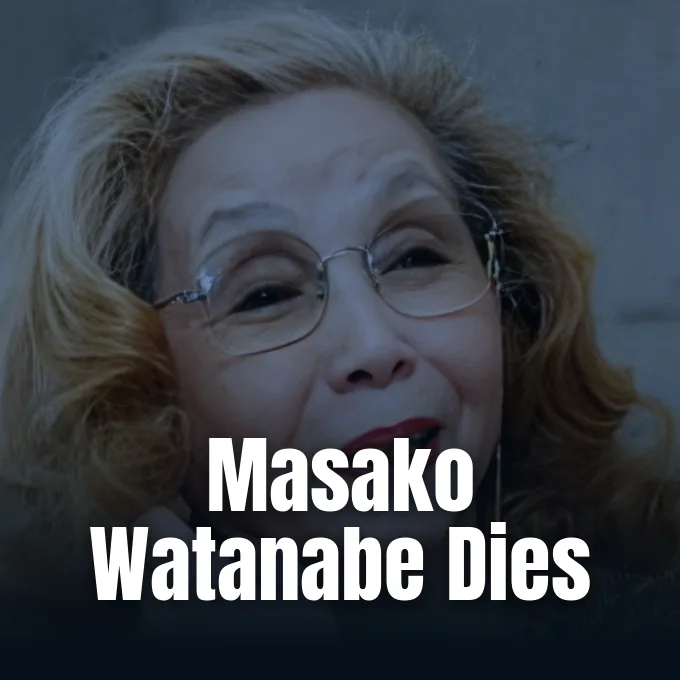
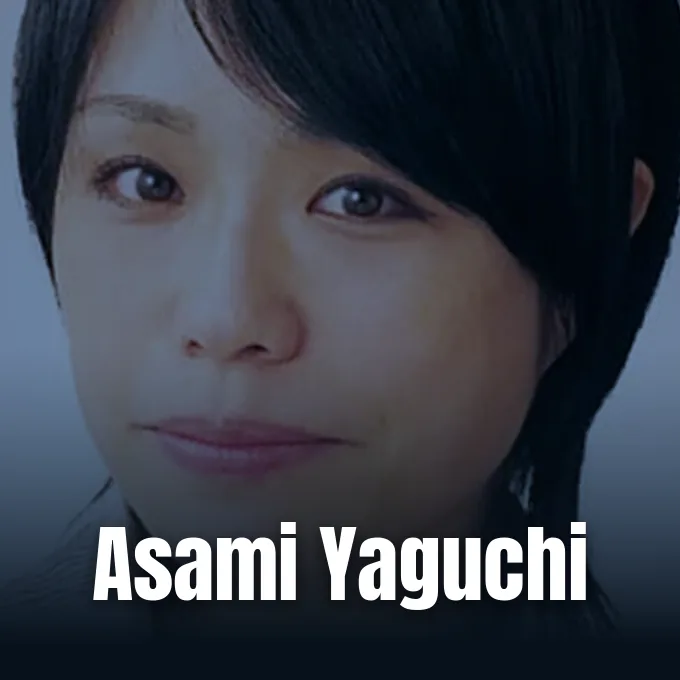
The underlying cause of death was myelodysplastic syndrome, a cancer that damages blood-cell production inside the bone marrow. The diagnosis ended a long routine of daily illustration that began during postwar reconstruction and continued through the rise of digital publishing. His passing touched creative circles that recently mourned voice actress Asami Yaguchi, drawing condolences from artists across several generations. The family held a private funeral. [4]
From Early Manchuria to Weekly Manga
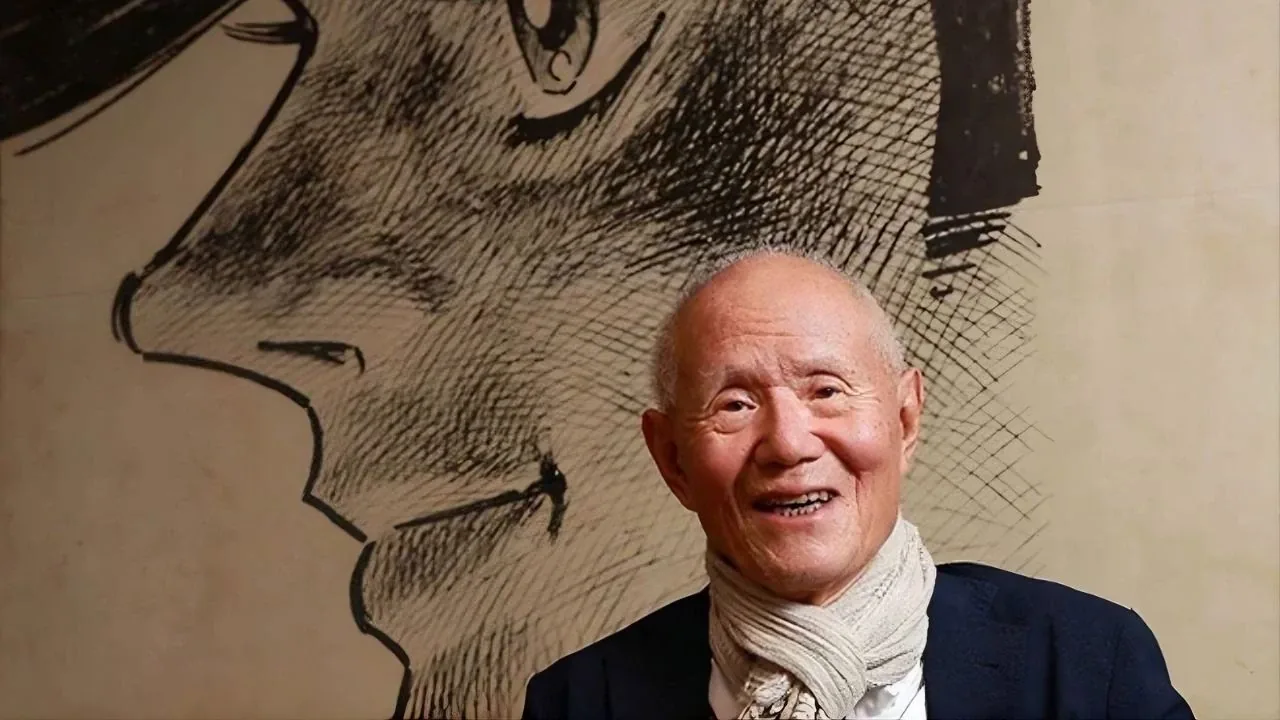
Born in Tokyo on January 11, 1939, at St. Luke’s Hospital in Tsukiji, Chiba lived abroad as an infant. His father took a job at a printing firm in Shenyang, China, which was then known as Fengtian under Japanese occupation in Manchuria, where the family lived until the war concluded. The family returned to Japan in 1946, the year after the Second World War ended. As a student, Chiba learned that a nearby publisher was buying original manuscripts from local storytellers. “In that instant, I decided I would become a manga artist,” Tetsuya Chiba recalled in an interview with the Kanto Federation of Bar Associations. He wanted to help support his family through drawing. [1]
In 1950, he joined Manga Club, a small amateur magazine started by a friend, to practice his linework. He secured his professional debut in 1956 at seventeen years old, releasing the standalone book Fukushu no Semushi Otoko while finishing high school. Serialization began in 1958 with Mama no Violin. [1]
His work reached wider audiences during the 1960s as he created varied stories for different age groups, moving from girls’ publications to boys’ adventure magazines without losing his storytelling focus. He produced stories such as 1, 2, 3 to 4, 5, Rock, Yuki’s Sun, Shindenkai no Taka, and Misokkasu before turning to school comedy with Harris no Kaze. Several of these projects gained television adaptations, including an animated pilot for Yuki’s Sun directed by Hayao Miyazaki. [6]

Ashita no Joe and Cultural Reach
In January 1967, working with writer Ikki Kajiwara, Tetsuya Chiba began drawing the boxing serial Weekly Shonen Magazine published as Ashita no Joe. Kajiwara wrote under the pen name Asao Takamori, sending scripts that Chiba interpreted with detailed anatomy and expressive boxing choreography across five years of serialization. The story followed orphaned runaway Joe Yabuki as he rose through professional boxing under a veteran trainer. Serialization ran until May 1973. The serial sold a cumulative 25 million copies and turned bouts between Joe and rival Toru Rikiishi into cultural events in Japanese cities. [3]
The boxing epic moved to television with two anime adaptations in 1970 and 1980, followed by animated feature films in 1980 and 1981. Decades later, producers reimagined the core dynamic in a futuristic setting for the 2018 anime Megalobox, which credited Chiba’s original artwork as its starting point. Megalobox 2: Nomad debuted in April 2021. [4]
Chiba balanced other long serialized works while maintaining his standing in the manga world. In August 1973, he launched the combat sports story Ore wa Teppei, completing the run in April 1980. At the same time, he began the sumo story Notari Matsutaro in Big Comic in July 1973, drawing it without interruption until April 1999. In October 1980, he added the golf manga Ashita Tenki ni Naare to his schedule, serializing it until May 1991, while receiving the Kodansha Culture Award in 1976 and the Shogakukan Manga Award in 1978. [3]
Health Struggles in Tetsuya Chiba’s Final Years
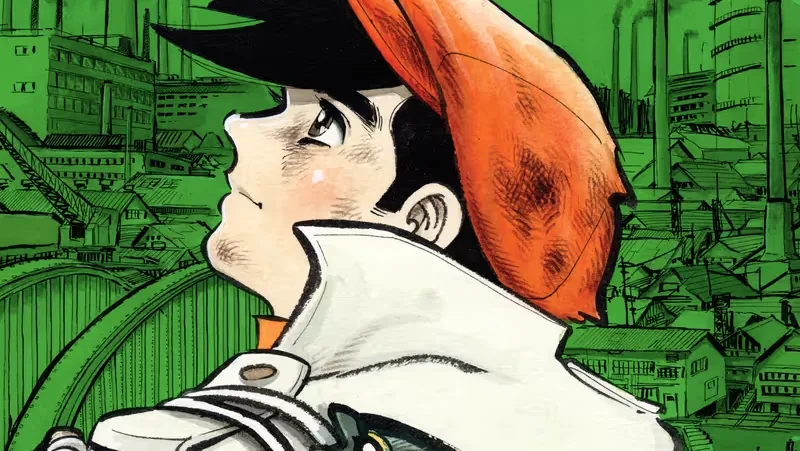
In December 2015, Chiba began publishing Hinemosu Notari Nikki in Big Comic, turning to an autobiographical essay format. The full-color installments recalled his early childhood in Manchuria, his family’s journey back to Tokyo, and the physical realities of growing older at an artist’s drafting desk. Shogakukan published volume seven in November 2025. [3]
Keeping that schedule became harder as age and illness slowed his output. In November 2021, when Tetsuya Chiba announced his hospital stay, he shared candid notes about doctors treating his heart valve, coronary artery, and a tumor in his throat. He had surgery to insert a coronary stent in January 2022, followed by eye surgery in 2024. He returned to drawing after each medical intervention, telling his blog readers that holding a pen kept his spirits steady. He paused the serial on September 25, 2026. [4]
Chiba remained committed to leadership roles that protected working terms for Japanese cartoonists. He served as board chairman of the Japan Cartoonists Association between 2012 and 2018, later stepping into the role of association president. In 2022, he entered the Japan Art Academy with Yoshiharu Tsuge. In 2024, the Japanese government awarded him the Order of Culture. [4]
Manga Industry Tributes and Teaching Legacy
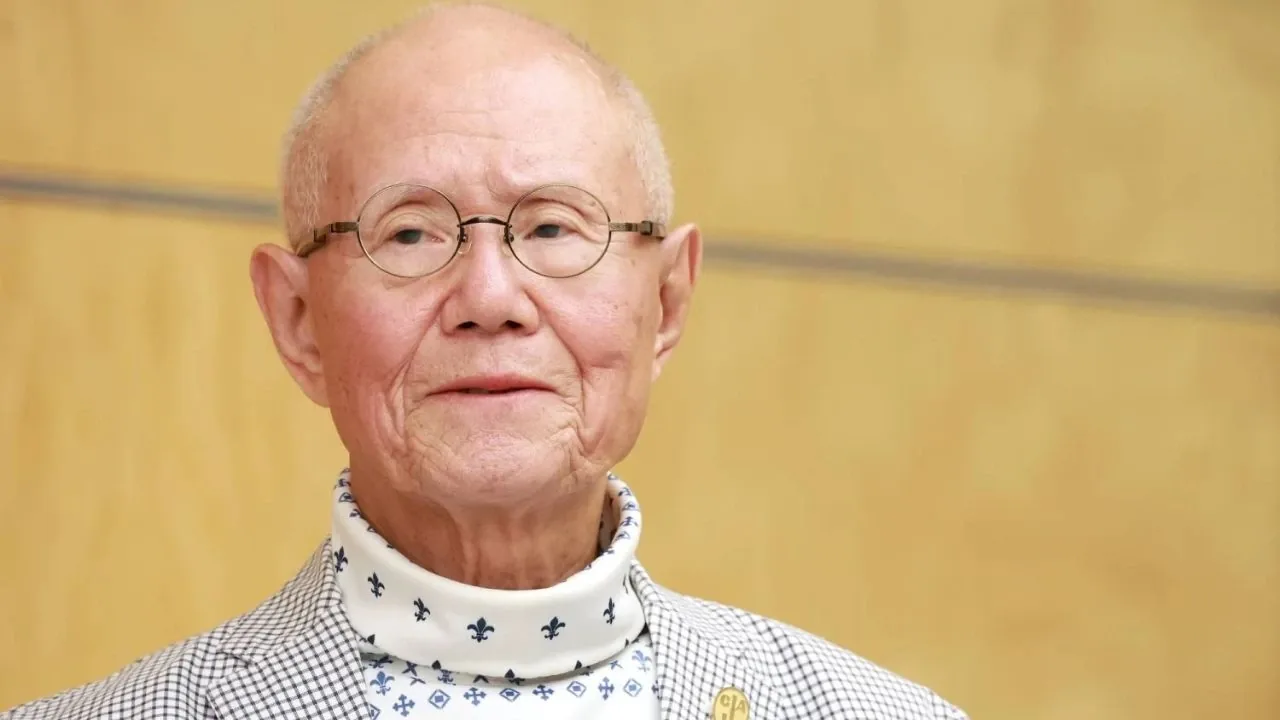
Chiba also spent years teaching young cartoonists in university classrooms. He served as a professor and university president at Bunsei University of Art in Utsunomiya until 2022. Manga author Nariaki Narita, who studied under Chiba before serializing Subaru the Invincible on Shonen Jump+, recalled his teacher’s warmth toward students. Chiba agreed to serve as faculty adviser for a new student basketball club, attended campus matches, and played catch in the morning while discussing draft layouts. “I don’t know any manga artist with greater humanity than Tetsuya Chiba,” Narita wrote, adding, “Another goal in my life has disappeared.” [5]
Other prominent manga creators described how Chiba’s guidance helped establish their careers. Yasuhisa Hara, creator of Kingdom, made his professional start after receiving the Tetsuya Chiba Award, a newcomer honor Kodansha introduced in 1980. Hara met Chiba in February 2026 and said, “His contributions to the manga industry are so immense that I can hardly express my gratitude. Thank you so much, sensei,” George Morikawa posted a brief tribute. [2]
Ami Shibata said Ashita no Joe taught her how to depict the dignity of losing athletes as clearly as victors, while Liar Game creator Shinobu Kaitani cited Harris no Kaze as an enduring model for his storytelling. Kodansha praised his seventy-year career, noting that his newcomer prize has run for 46 years. Shogakukan pointed to his warmth toward ordinary people and said it is considering a public memorial gathering in Tokyo once family arrangements conclude. Editorial departments at Shueisha and Weekly Shonen Sunday also praised his legacy. [2]
- ONLINE NEWS Tan, M. (2026, October 27). Ashita no Joe Manga Artist Tetsuya Chiba Passes Away at 87. Anime Trending. [Article Link]
- ONLINE NEWS Nazru, A. (2026, October 27). Ashita No Joe Artist Tetsuya Chiba Passes Away At 87; Manga Industry Pays Tribute. Animehunch. [Article Link]
- ONLINE NEWS MyAnimeList. (2026, October 27). ‘Ashita no Joe’ Manga Artist Tetsuya Chiba Dies at 87. MyAnimeList. [Article Link]
- ONLINE NEWS Pineda, R. A. (2026, October 27). Ashita no Joe Creator Tetsuya Chiba Dies at 87. Anime News Network. [Article Link]
- ONLINE NEWS Oricon News. (2026, October 27). Chiba Tetsuya-san Shikyo: Mangaka Nakama, Shuppansha ga Tsuito. Oricon News. [Article Link]
- ONLINE NEWS NEWSjp. (2026, October 27). Mangaka no Chiba Tetsuya-san Shikyo: Ashita no Joe Bunka Kunsho Jushou. NEWSjp. [Article Link]


