





Cambridge Dictionary has selected “human” as its word of the year for 2026, choosing natural intelligence over computer algorithms during an era of fast technological change. The arrival of conversational chatbots three years ago changed how people interact with automated systems, prompting researchers and the public to reconsider what defines our biological identity. Selecting this Cambridge Dictionary word captures broad conversations about original labor, creative agency, and cognitive autonomy as automated tools enter classrooms, offices, and research institutions across the world [1].
Origin of the Cambridge Dictionary Word
Lexicographers at the institution set a clear boundary by defining the term as “having the qualities, faults, and feelings that people have, as opposed to gods, animals, or machines”. That definition treats human identity not as error-free calculation, but as an experience shaped by emotion, vulnerability, and physical limits. In an era when generative software writes fluent prose and computer code in seconds, dictionary editors noticed that people seek plain terms to separate organic thought from synthetic text. They observed that naming the term as the official Cambridge Dictionary word answers a cultural need to protect human distinction from automated simulations. The decision shows how everyday language adapts when software systems begin mimicking personal expression, artistic work, and philosophical conversation [1].
Broader cultural reporting shows a parallel contrast between ancient human origins and expanding technical networks. While researchers recently uncovered 5,000-year-old brewing residues in China that used rice, red mold, and cloth-lined filters, modern computer systems process millions of automated transactions every minute. People often look back at physical traditions to understand biological continuity while depending on automated digital services that govern modern commerce and communication [2].
The Machine Intelligence Debate
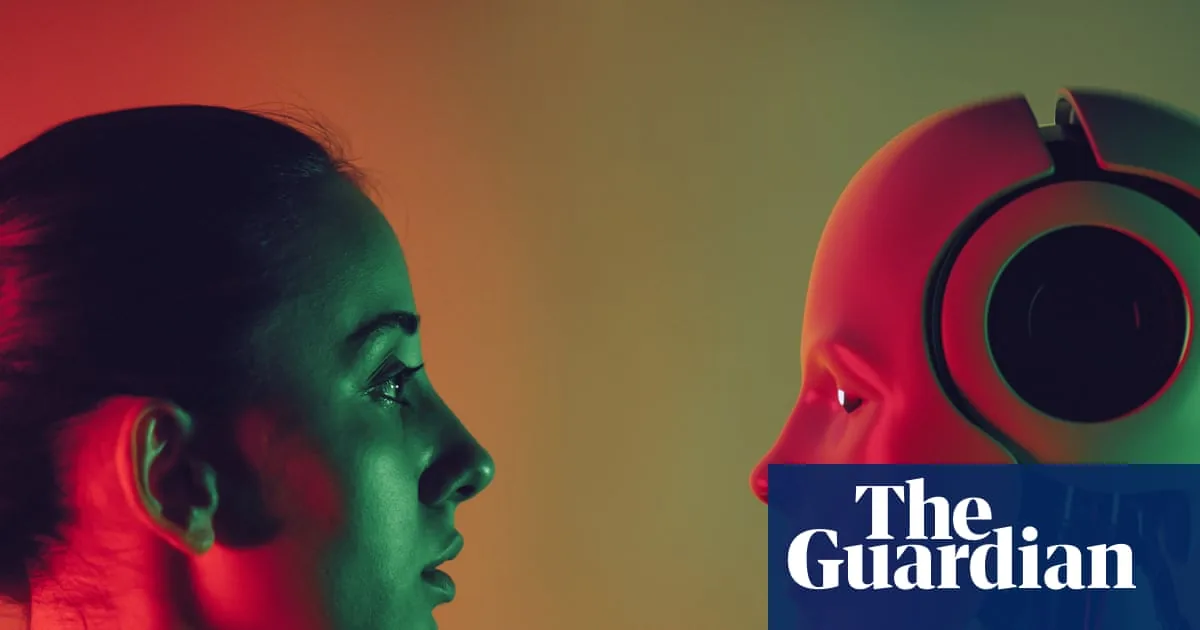
The fast rise of generative models has reopened long debates about whether artificial networks can ever achieve true consciousness. The evolutionary biologist Richard Dawkins joined the discussion after testing advanced systems, stating he was “left with the overwhelming feeling that they are human”. That subjective reaction reveals how convincingly modern software simulates empathy, dialogue, and rational thought during interactive conversations. Many scholars point out that language patterns alone do not prove genuine inner experience or intentional feeling. Sceptics counter that human brains evolve through biological selection across millennia, creating a fundamental gap between organic cognitive development and algorithmic token prediction built inside modern server clusters [1].
Recent computational milestones show the growing speed of automated problem solving. A system built by PSI solved a major quantum computing conjecture in three days, settling a mathematical puzzle that had remained open for 18 years. At the same time, massive network dependencies create vulnerabilities across society. When a technical glitch hit Microsoft 365, the outage affected 130,000 users who temporarily lost access to essential corporate software tools [2].
Why Did Editors Select Human?
Cambridge Dictionary editor Colin McIntosh explained that artificial intelligence is fundamentally “changing the way we talk about being human”. He noted that anxieties about intellectual dependence have grown as automated programs draft essays, analyze medical scans, and solve mathematical formulas. McIntosh pointed out that “fears about what humans may lose when we outsource our thinking has made us reconsider the extent to which we rely on AI: from top mathematicians to teachers of young children”. This public reassessment has spurred the growth of compound terms such as human-made, which writers now use to guarantee authentic personal authorship rather than automated generation. The word serves as a verbal badge that distinguishes handmade crafts, creative essays, and independent scholarship from automated outputs [1].
Reliance on automated systems introduces risks that extend beyond vocabulary. A recent security flaw in the Optimizely platform allowed attackers to inject malicious code across 178 websites, exposing visitors to financial theft. In another incident, cyberattacks manipulated connected refrigeration systems across six countries, turning supermarket coolers at Carrefour and IKEA into 122-degree heaters that threatened inventory before engineers regained manual control [2].

Competing Shortlist Nominees
The selection panel evaluated several prominent terms before picking their top entry. Among the technical contenders was “agent”, a noun describing autonomous software capable of making independent decisions and running tasks without direct human supervision. Another candidate was analogues, used to describe tactile, non-digital activities that allow people to step away from computer screens. Outside technology, the word “wholesome” gained popularity among readers who sought experiences that support emotional and moral well-being. Other reference books took different paths, as Collins Dictionary chose mogging—slang meaning to outperform or outshine an opponent—for its own word of the year after the term spread through digital youth culture [1].
Leadership debates in technology show how deeply people value individual responsibility over corporate machinery. When Jensen Huang stepped down after leading Nvidia for 33 years since co-founding the chipmaker in 1993, interim chief Colette Kress took over the firm. The leadership shift prompted over 180,000 people to sign a petition asking for his return to guide future chip production [2].
The Cambridge Dictionary Word in Culture
Scholars note that interest in the Cambridge Dictionary word reflects enduring philosophical dilemmas rather than temporary social trends. Prof Rachel Adams, an expert on artificial intelligence governance and human rights at the University of Cambridge, explained that new tools revive foundational questions about human identity. She said: “AI brings us back to questions that we’ve asked for millennia: who are we, what does it mean to be human? The answer to these questions has never been fixed or stable, but the act of asking it is something we have in common.” For researchers and educators, examining these boundaries helps clarify where automated decision systems should not replace human judgment, especially in social care and legal governance [1].
Physical discoveries also ground human history in biological reality rather than digital code. While China prepares plans for 2030 to use AI and deep-sea robots to locate ancient shipwrecks, archaeologists study tangible remains from early civilizations. Excavations of a 2,800-year-old Siberian tomb uncovered cannabis seeds preserved in human hair, offering physical evidence of early ritual practices. In addition, chemical tests on 115-million-year-old dinosaur bones identified ancient heme molecules, confirming that organic life leaves durable signatures across deep time [2].
Social Media Slang Additions
In addition to selecting its primary word, editors updated the dictionary with terms reflecting modern internet culture. New additions include looksmaxxing, describing efforts to maximize physical attractiveness within online communities. The dictionary also added “aura farming”, defined as “the activity of doing things with the intention of showing a personality that people admire and think is attractive and interesting”. The term reached political coverage when social media users asked why former UK prime minister Keir Starmer was aura farming on TikTok, while current prime minister Andy Burnham faced similar commentary after taking office and posting video updates to engage younger audiences [1].
Entertainment culture also shows how audiences value human creativity. In gaming, anticipation for Grand Theft Auto 6 centers on Jason and Lucia across five chapters and 90 story missions. Selecting the Cambridge Dictionary word reminds readers that whether in video game stories, political speeches, or dictionary updates, authentic human intent remains the standard that automated systems try to imitate [2].
- ONLINE NEWS Milmo, D. (2026, November 18). ‘Human’ wins Cambridge dictionary’s word of the year. The Guardian. [Article Link]
- ONLINE NEWS Interesting Engineering. (2026, November 18). Culture Archives. Interesting Engineering. [Article Link]
APA 7: PerEXP Teamworks. (2026, November 19). Cambridge Dictionary Names Human Word of the Year. PerEXP Teamworks. https://perexpteamworks.com/en/cambridge-dictionary-word-human-selection/


