





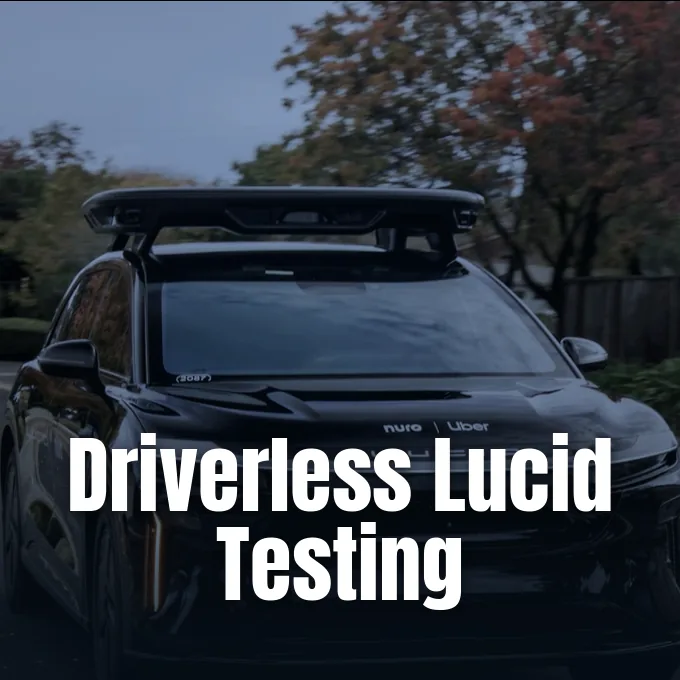
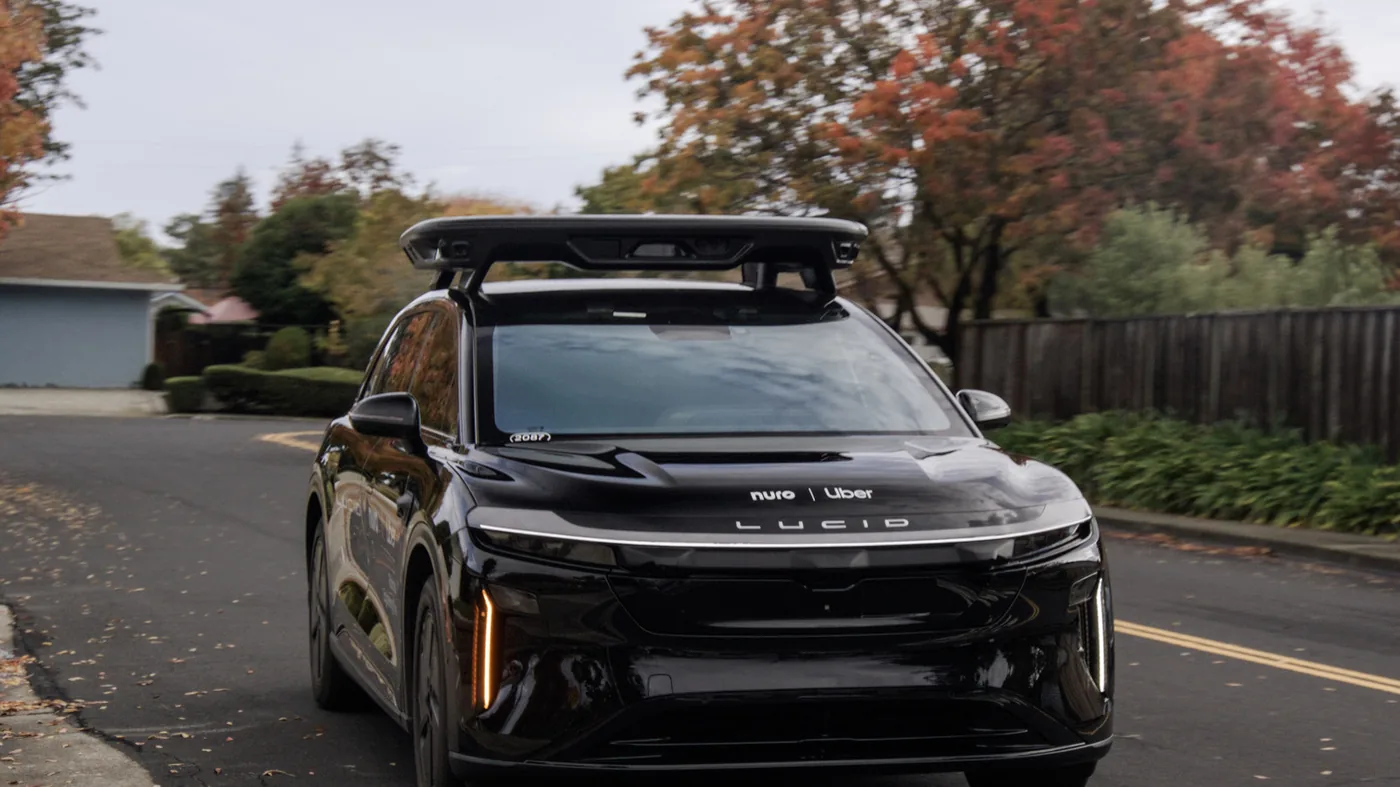
Uber, Nuro, and Lucid have started fully driverless road tests of Lucid Gravity electric sport utility vehicles on public streets in the San Francisco Bay Area. The trial brings the partners closer to offering employee rides before opening a paying passenger service in early 2027 [3]. By removing safety drivers from behind the wheel, the companies started the next phase of Lucid robotaxi testing in Northern California [1].
Lucid Robotaxi Testing on Bay Area Streets
Uber, Lucid, and Nuro announced their joint robotaxi program in July 2025. Nuro spent months testing the modified Lucid Gravity with human safety drivers behind the wheel starting in December 2025, logging round-the-clock runs through dense California traffic before state regulators approved removing the safety driver for fully automated street testing. Now, the electric vehicles navigate public roads on their own [2].
“Removing the safety operator from behind the wheel is an important milestone in our partnership with Nuro and Lucid,” Samarth Kejriwal, who leads autonomous mobility at Uber, said in a statement. He stated that the partners will collaborate closely to refine fleet runs, roadway infrastructure, and cabin design for rider comfort. The companies plan to begin carrying Uber employees in the Bay Area within weeks, collecting real-world feedback on pickup routines and seating comfort before paying customers get access. Employee rides will show how the fleet handles morning traffic, passenger pickups, and curbside drop-offs in dense urban neighborhoods before public booking opens in the first quarter of 2027 [3].
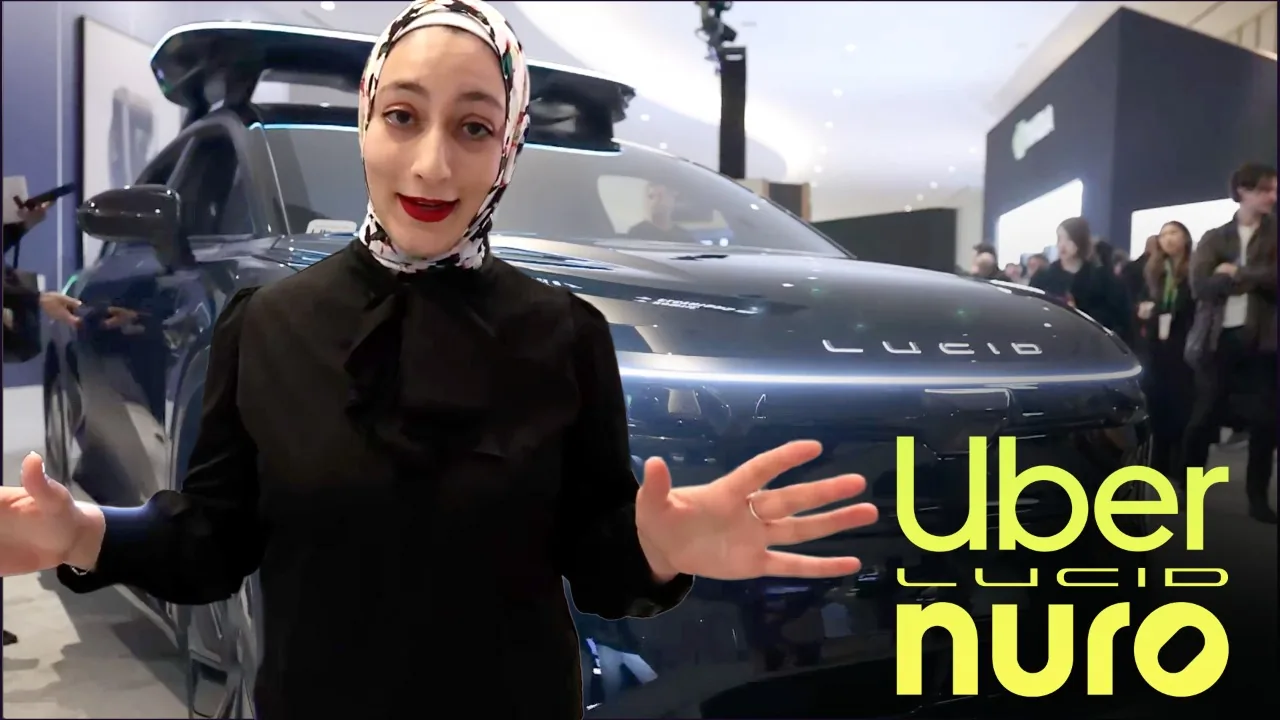
Lucid showcased the production intent design of the vehicle at the CES show in January 2026. To validate how the hardware holds up under tough road conditions, the joint project deployed an engineering fleet of 100 test vehicles that runs near delivery vans, bicycles, and heavy truck traffic. Trials focus on narrow city lanes [1].
Fleet Scale and Arizona Production
Uber backed the venture with large cash commitments, increasing its investment in Lucid from $300 million to $500 million as the schedule moved forward. Uber separately committed nearly $500 million to Nuro, providing fresh capital as the self-driving software maker pivoted its business model [1]. Those funds helped Lucid prepare assembly lines at its Arizona plant. Under the agreement, Uber agreed to buy at least 20,000 Lucid Gravity electric sport utility vehicles over six years, with total purchases planned to reach 35,000 vehicles for deployment in dozens of cities worldwide [2].
Nuro shifted its business model less than a year before the Lucid deal. The startup stepped back from building custom driverless delivery pods, pivoting to licensing its Nuro Driver software to automakers and mobility groups because building delivery hardware proved too costly to sustain alone. The move freed Nuro engineers to focus on software models and passenger car integration [1].
Lucid is assembling the first production units at its factory in Arizona. Production models will join the test fleet in the coming weeks, replacing prototype vehicles with factory-built units tailored for robotaxi service [3]. Uber will own and run the fleet, managing charging depots, cleaning, and rider support. The deal gives Lucid a reliable buyer for thousands of electric SUVs [1].
Permits Behind Lucid Robotaxi Testing
State transportation regulators cleared the path for testing without human operators. The California Department of Motor Vehicles issued a driverless testing permit in spring 2026, granting permission for Nuro to test vehicles without safety drivers during Lucid robotaxi testing in the Bay Area [1]. Nuro also obtained a Drivered Pilot Permit from the California Public Utilities Commission (CPUC) in May [3].
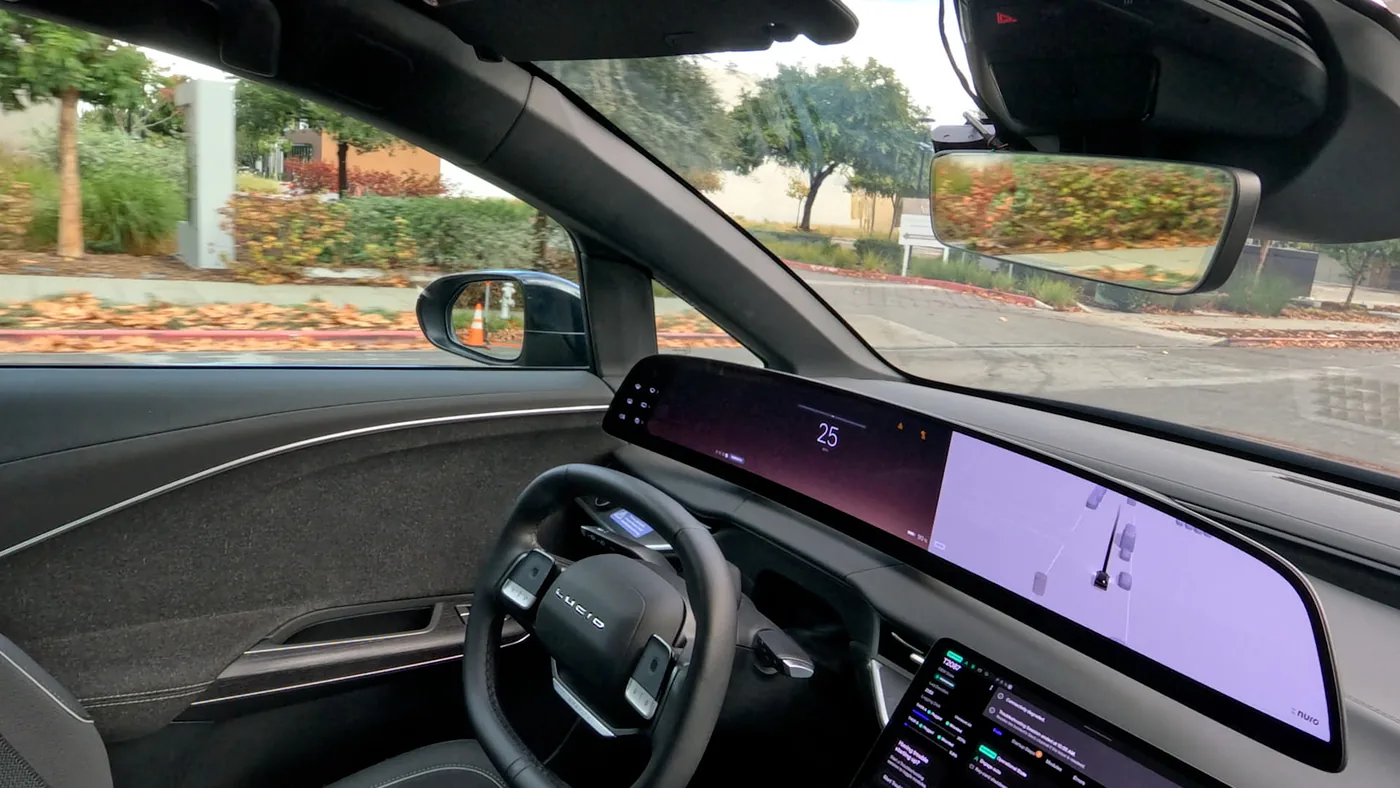
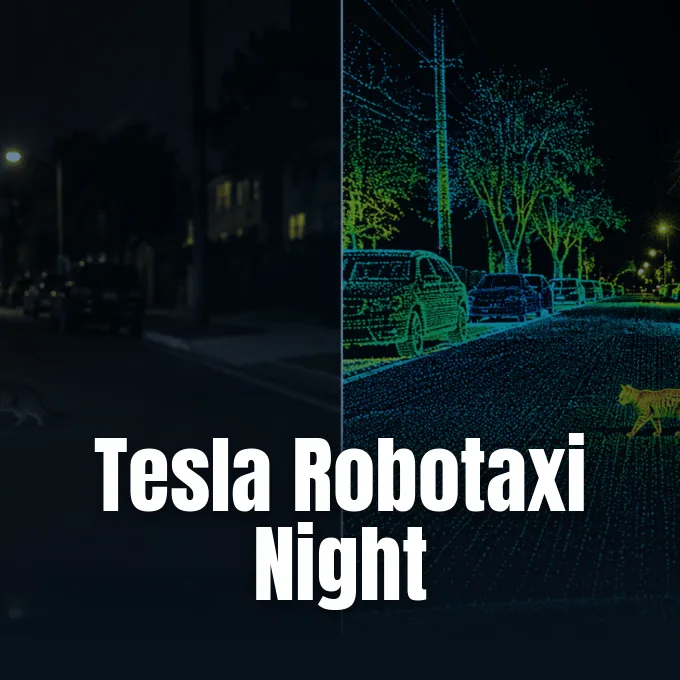
Each vehicle carries a suite of sensors designed to track nearby traffic in three dimensions. The hardware package includes high-resolution cameras, solid-state lidar sensors, and radar units mounted on the roof and bumpers [2]. These sensors feed spatial data into the Nuro Driver system, an artificial intelligence architecture that detects pedestrians, lane markings, and moving cars. Nuro supplements public road data with closed-course driving and computer simulations, running millions of virtual scenarios to evaluate emergency braking, pedestrian crossings, and quick lane changes. The combined testing validates that the self-driving software can respond safely to complex traffic events [1].
Driverless testing is currently centered in Northern California, but the partners have also evaluated vehicles in Texas. Safety drivers have operated test vehicles on public streets in Houston since December 2025, checking how sensors perform in heavy rain [3]. Data gathered in Houston helps engineers adapt driving models to different roadway layouts [1].
Cabin Design for Six Passengers
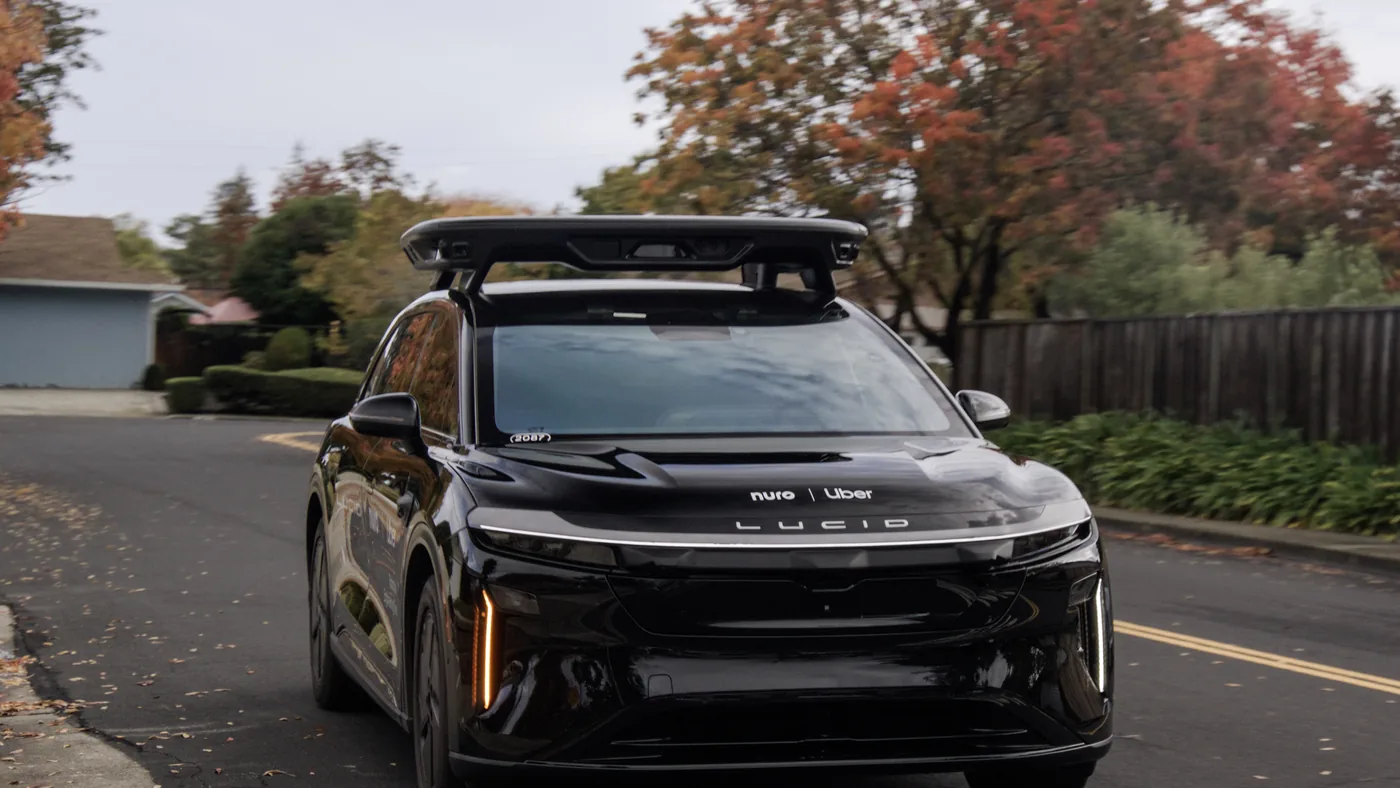
The modified Lucid Gravity offers clear cabin advantages over existing self-driving vehicles operating in American cities. Unlike robotaxis from Waymo or Zoox that seat four riders, the Lucid vehicle accommodates up to six passengers with generous legroom. Ample cargo space behind the third row lets the vehicle carry luggage and grocery bags on airport trips. The production cabin retains a steering wheel and dashboard controls, allowing human drivers to steer manually when moving cars through maintenance depots [3].
Uber took responsibility for designing the rider experience, focusing on how passengers interact with vehicle settings during trips. Riders can summon autonomous rides through the standard Uber app without downloading separate software [2]. Inside the cabin, passengers can adjust temperature controls, play music tracks, or contact live customer support agents [3].
Integrating driverless vehicles into a popular ride-hailing app lets Uber introduce automated travel to riders who might otherwise hesitate to try robotaxi technology. Millions of commuters already use Uber to book daily rides, pay for transit, and check arrival times, which lowers the hurdle for trying a driverless trip for the first time. Uber doesn’t rely solely on Lucid for its autonomous future, building similar partnerships with Waymo, Zoox, Avride, Wayve, and May Mobility in several major markets. The company wants to offer driverless options with conventional human drivers, letting dispatch software send whichever vehicle best matches customer trip requests. This blended dispatch model helps riders get fast pickups during peak commute hours [3].
Bay Area Rollout and Safety Scrutiny
Testing without human safety drivers is currently underway in four Bay Area cities during Lucid robotaxi testing: Palo Alto, Mountain View, Los Altos, and Sunnyvale. These suburban communities feature wide multi-lane roads, traffic signals, and marked bike lanes. The companies plan to expand testing into additional Bay Area cities next year [2].
State and federal regulators have placed autonomous vehicle fleets under close scrutiny following safety incidents involving rival operators. The California Department of Motor Vehicles banned Waymo robotaxis from operating on state freeways after incidents raised safety concerns. In addition, federal safety regulators have investigated automated driving systems from Zoox and Tesla robotaxis following crashes on public streets. Amid this scrutiny, Uber and Nuro plan to launch commercial passenger service in the Bay Area in early 2027 before expanding to Houston later that year [3].
If initial California operations meet regulatory safety requirements, the partners aim to expand commercial service to dozens of cities in the coming years [3]. Uber’s commitment to purchase up to 35,000 Lucid vehicles gives the program enough vehicle volume to build dense fleets in major urban centers [2]. For now, local residents in Palo Alto, Mountain View, Los Altos, and Sunnyvale will watch driverless Lucid Gravity SUVs navigate neighborhood streets, testing whether the partnership can turn its autonomous roadmap into everyday commercial reality [1].
- ONLINE NEWS Korosec, K. (2026, November 24). Uber and Nuro begin driverless testing of Lucid robotaxis ahead of 2027 launch. TechCrunch. [Article Link]
- ONLINE NEWS Moon, M. (2026, November 24). Uber and Lucid start testing fully driverless rides for their robotaxis in San Francisco. Engadget. [Article Link]
- ONLINE NEWS Al-Heeti, A. (2026, November 24). Uber, Nuro and Lucid Begin Fully Driverless Testing With Their Luxury Robotaxi. CNET. [Article Link]


