





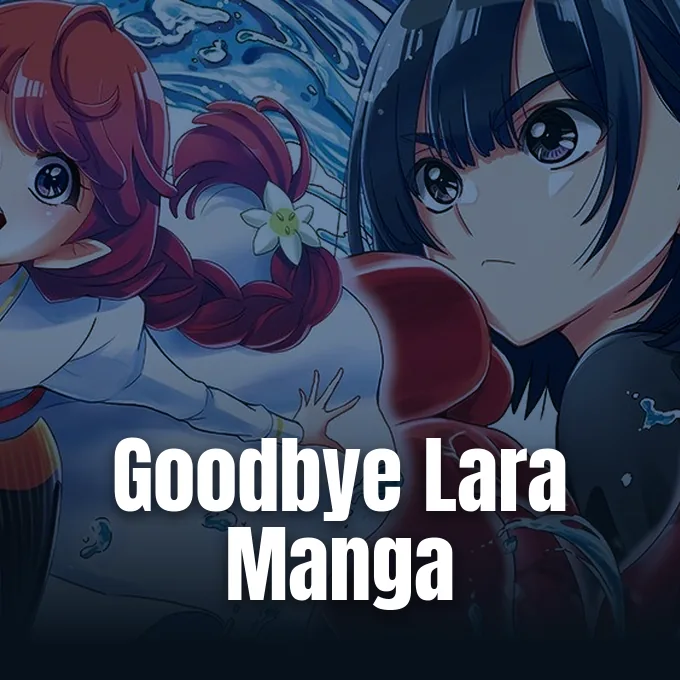
Kinema Citrus announced through the official X account @Goodbye_Lara that its original television series is receiving a dedicated print adaptation, according to Comic Natalie and reporting from Anime News Network. The adaptation is official. Could an underwater legend discover fresh life on the serialized page? Manga creator Saburouta will illustrate the Goodbye Lara anime adaptation on the Kadocomi web platform starting in October 2026. [2]
Saburouta Brings Goodbye Lara Anime to Kadocomi
Saburouta leads the art. The creator celebrated for the acclaimed romance title Citrus takes charge of illustrating the new Goodbye Lara anime serialization as it launches on Kadokawa’s digital manga service Kadocomi during October 2026. That arrival coincides directly with the separate Kinema Citrus’ Goodbye, Lara light novel volume (the companion prose release published by Kadokawa Corporation) that animation studio Kinema Citrus originally announced to audiences in August. Kadokawa World Entertainment (KWE), a wholly owned subsidiary of Kadokawa Corporation within the Kadokawa Group, oversees extensive cross-media publishing. Publishing both adaptations during the same autumn month establishes a coordinated multi-format rollout across Kadokawa’s media networks. [2]
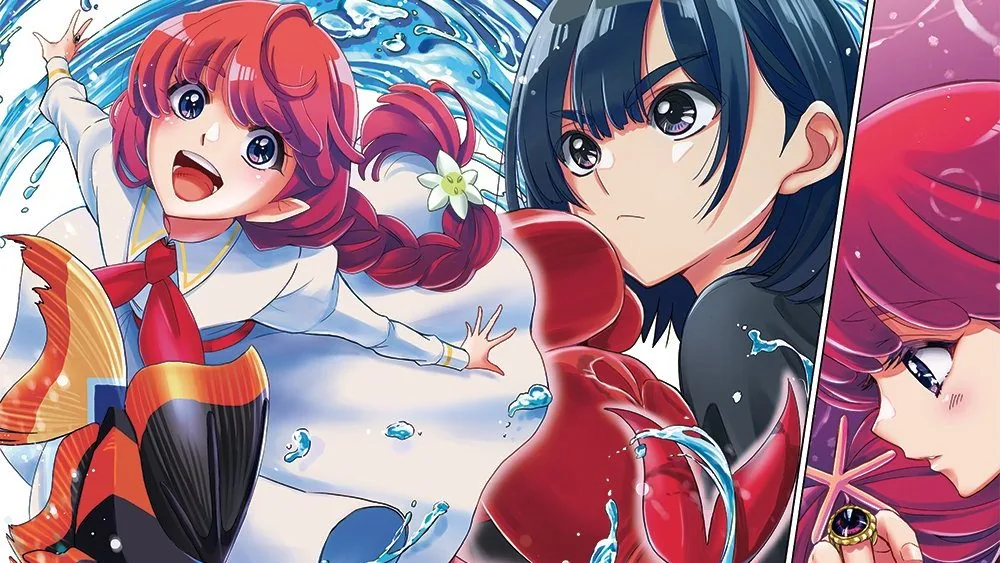
A newly released preview illustration shows the mermaid heroine Lara with Mari Otsu and Grace in her Gon-chan form. Saburouta drew the promotional artwork. Because Saburouta previously created notable romance narratives, enthusiastic readers often ask whether this new project explores yuri themes or dramatic romantic relationships as Lara adapts to living among humans. Her quest centers on romance. The manga presents Lara’s quest for true love through detailed serialized artwork. [2]
Production timelines in the Japanese comic market frequently align print releases with ongoing broadcasts. Across the broader industry, publishing schedules often adjust around creative demands, as seen in site coverage of Kodansha confirming the Gachiakuta manga research break while creators take necessary planning intervals. For Kinema Citrus’ Goodbye, Lara (Sayonara Lara) franchise, Kadocomi provides an accessible digital home that connects prose readers and manga enthusiasts under the corporate umbrella of Kadokawa Corporation. [2]
Reimagining The Little Mermaid in Modern Shiga
The premise behind Goodbye, Lara draws inspiration from Hans Christian Andersen’s classic fairy tale The Little Mermaid. The legend is familiar. The original fantasy follows Lara, an aquatic royal drawn to a mortal prince, who consumed a mystical draught to walk upon dry land. That perilous transformation demanded an unforgiving penalty: if she failed to find true love with her chosen human companion, her physical form would dissolve into sea foam forever. [1]
Following that ancient tragedy, Lara awakens 200 years later in Lake Biwa (located within the scenic borders of Shiga prefecture), where director Takushi Koide grew up during childhood. Shiga is Koide’s hometown. Reborn into modern Japan with one final opportunity at life and human affection, the displaced mermaid princess must learn how to navigate modern society while confronting painful memories of earlier rejection. Lara faces the challenge of surviving in Lake Biwa two centuries after her original sacrifice. [1]
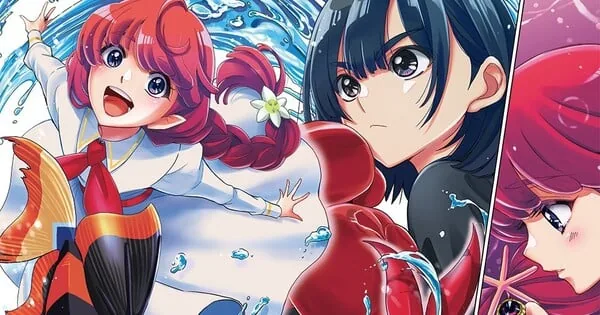
How does a mythical aquatic visitor cope with everyday Japanese customs? Lara encounters ordinary domestic routines and human social dynamics that contrast sharply with her deep ocean origins. Those comedic and poignant adjustments provide the emotional foundation that Saburouta will now depict across serialized manga chapters as Lara discovers what contemporary human companionship actually means. [1]
Kinema Citrus Marks 15th Anniversary Milestone
Kinema Citrus created the television production as a commemorative project celebrating the studio’s 15th anniversary. The Goodbye Lara anime launched its television run on Tokyo MX late Sunday, July 5 at 24:30 JST (corresponding to July 6 at 00:30), before BS Asahi and YTV aired subsequent slots. The domestic broadcast schedule expanded. Network AT-X also carries the program across Japanese cable channels. Crunchyroll streams the 12-episode anime series internationally with both Japanese audio and an English dub, allowing global audiences to follow each chapter of Lara’s journey every week. Musical group Ikimono-gakari performs the anime’s opening theme song “Sayonara Lara,” giving the televised story an energetic and memorable musical identity. [1]
The broadcast schedule structured Lara’s romantic journey across a concise 12-episode television run. Global distribution followed quickly. Studio Kinema Citrus prioritized distinctive character animation throughout this anniversary broadcast, ensuring that each emotional interaction between Lara and her human companions carried visual weight and expressive fluidity. The animation remains distinctive. [1]
Kinema Citrus reached fifteen active years. The 12-episode run celebrates that corporate anniversary through an original television narrative. [1]
Production Team and Creative Lineup Behind Lara
Takushi Koide makes his series directorial debut on the Goodbye Lara anime, stepping into the head position after distinguishing himself as assistant director on Revue Starlight and its acclaimed theatrical sequel film. Koide previously handled revue costume design and weapon design on Revue Starlight (the acclaimed musical action franchise), establishing a reputation for intricate visual staging and thematic precision. Several department heads reunite. Key artists also return from the original Goodbye, Lara pilot film, ensuring steady creative continuity across development phases. [2]
Character designer Shiori Tani, whose earlier industry credits include prop design on Revue Starlight and serving as co-main animator on Revue Starlight the Movie, developed the visual aesthetics for Lara and the Otsu household. Anna Kawahara, recognized as co-writer of the live-action television adaptation Ashita, Watashi wa Dareka no Kanojo, oversees series composition and dramatic scripts. Art director Mari Fujino of studio Pablo, whose evocative painted scenery previously defined the surreal landscapes of Sonny Boy, leads the background art department, while color design is shared between Miyao Yamashita of Made in Abyss and Rika Aizawa. Compositing director Kazuto Izumita and music composer yuma yamaguchi, known for Undead Murder Farce, round out the veteran creative roster assembling Kinema Citrus’ flagship production. [2]
The creative team balances mythical wonder with understated domestic realism. The setting feels grounded. Working from Koide’s vision of Shiga, the artists root Lara’s fish-out-of-water dilemmas in tangible suburban environments that highlight the quiet charm of modern Japanese lakeside towns. Veteran artists from studio Pablo and Kinema Citrus shaped this cohesive visual world. [2]
Voice Cast and Expanding Media Rollout
Hana Hishikawa leads the voice cast as Lara, portraying the mermaid princess’s transition into contemporary human life with warmth, emotional vulnerability, and expressive charm. Nana Kawaishi plays Mari. Kawaishi portrays Mari Otsu, the reliable human girl who offers Lara shelter and steady companionship. Rika Fukami voices Grace, who also appears in Gon-chan form, while Ayumu Murase portrays Luca and Masaki Terasoma voices Rowan across key dramatic encounters. [2]
The wider cast brings depth to the Otsu household through veteran talents. Tomohiro Ono portrays Yoshiya Otsu, Mitsuaki Madono voices Makoto Otsu, and Nanae Sumitomo voices Ema Otsu, completing the extended family that welcomes the bewildered mermaid into their home. Family interactions feel lively. Their vocal performances capture the humor of an ancient sea creature attempting to comprehend modern conveniences, laundry schedules, and breakfast conversations in modern Shiga. [2]
As the 12-episode anime reaches its conclusion, Kadokawa is expanding the property across literature and print. The upcoming Kadocomi manga serialization by Saburouta and the companion light novel give fans complementary perspectives on Lara’s emotional search for true love across modern Japan. The franchise continues growing. By delivering both print formats in October 2026, the Goodbye Lara anime builds a lasting presence across Japanese entertainment media for both longtime anime followers and newcomers. [2]
- ONLINE NEWS Anime News Network. (2026, September 15). Goodbye, Lara anime gets manga. Anime News Network. [Article Link]
- ONLINE NEWS Tan, M. (2026, September 15). Goodbye, Lara gets manga adaptation by Citrus’ Saburouta. Anime Trending. [Article Link]
- ONLINE NEWS Anime News Network Newsroom. (2026, September 15). Goodbye, Lara broadcast schedule and streaming distribution. Anime News Network. [Article Link]


1 comment