





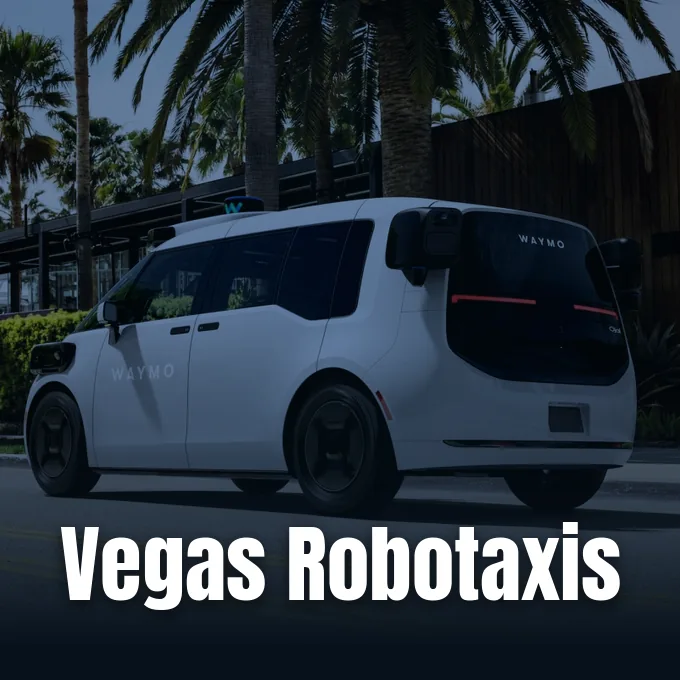
Passenger rides without a human safety driver behind the wheel have officially arrived in Nevada as the Waymo robotaxi service begins carrying invited public riders across Las Vegas. Alphabet announced the commercial launch on Monday following regulatory clearance from the Nevada Transportation Authority. State regulators granted formal approval. Can autonomous minivans navigate one of the busiest tourist corridors in the country? Waymo answers that operational challenge by deploying custom electric passenger vehicles directly onto public streets south of Highway 589. [1, 4]
Waymo Robotaxi Service Begins Rolling Out
Waymo is entering Las Vegas by inviting riders on a rolling basis rather than unlocking open commercial access immediately across the region. Local residents must request access. The Alphabet subsidiary relies on a digital reservation system (a waitlist application requiring verified invite codes) where prospective passengers must request an entry invitation through the official company app. TechCrunch reporter Kirsten Korosec explains that this phased approach mirrors the deployment playbook Waymo used across 14 earlier metropolitan areas. Access expands gradually over time. Typically, Waymo opens its commercial Waymo robotaxi service to the general public within one or two months of launching an initial invitation phase across a new city. [1, 4]
The Nevada rollout caps weeks of rapid expansion across the United States as competing developers race to establish commercial footholds. Earlier this month, Waymo opened rider invitations in Denver, San Diego, and Tampa. Las Vegas is market fifteen. Rival autonomous vehicle developers including Tesla and Zoox continue attempting to narrow Waymo’s commercial lead. InsideEVs reported rapid national expansion for Waymo throughout this year. Meanwhile, rival developer Zoox already operates commercial driverless rides in Las Vegas. [1, 2]
Growth is not always seamless. Waymo previously paused operations in San Antonio after launching commercial trials there. [1]
Ojai Minivans Target the Strip Corridor
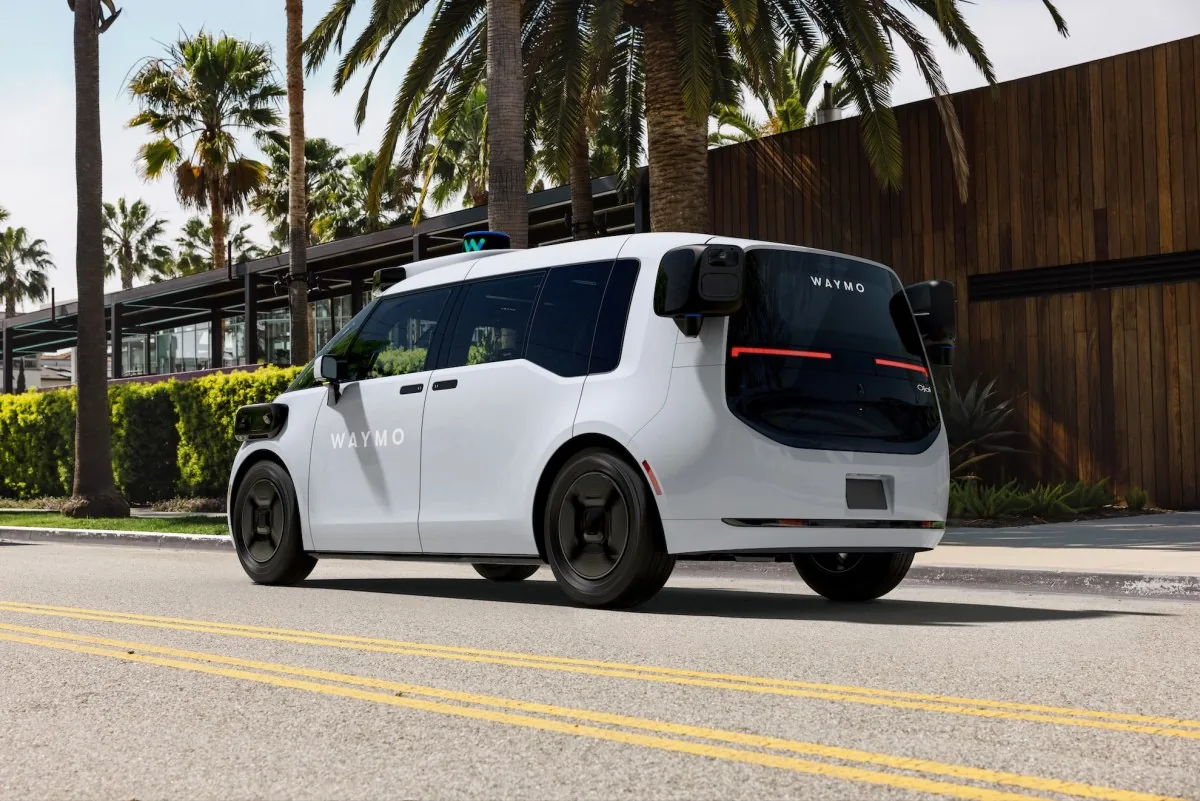
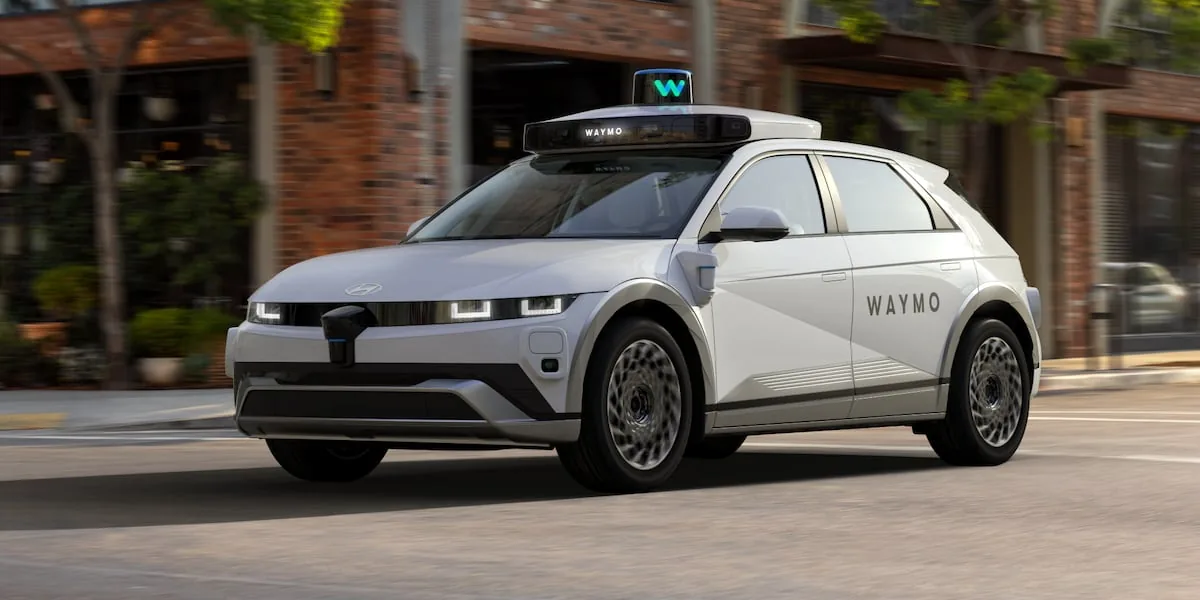
The initial Las Vegas fleet features “dozens” of all-electric Ojai minivans. A company spokesperson confirmed that these new minivans are assigned to an operational zone covering the resort Strip south of Highway 589 and extending toward Boulder Junction. Fox 5 Las Vegas reported that the nearly 24-square-mile zone encompasses major resort destinations including The Venetian and Allegiant Stadium. Geofencing defines the active boundaries. Geofencing (software boundaries that restrict autonomous vehicles to mapped roads) keeps the driverless fleet within authorized street grids. Waymo intends to expand both the vehicle count and the geographic perimeter as system testing accumulates road data. [1, 5]
Operating along the Strip presents intense navigational challenges for autonomous software. Pedestrian crowds remain exceptionally dense. Las Vegas Boulevard carries dense pedestrian crowds, sudden curbside drop-offs, and erratic casino traffic. Real-world exposure to complex pedestrian movement offers valuable operational experience that controlled suburban testing cannot replicate. Waymo chose the corridor south of Highway 589 to balance rider density against local traffic flow. [1]
Deploying specialized minivans reflects a deliberate hardware transition for Alphabet’s autonomous transportation division. What is a Waymo robotaxi? The term describes fully autonomous passenger vehicles operating without a human safety driver. Vehicles navigate public streets using onboard computers rather than steering wheels or pedals. Engadget noted that the Vegas fleet uses custom Ojai minivans equipped with sixth-generation automated driving hardware engineered to handle harsh weather conditions. Passengers control cabin climate and audio entertainment through onboard touchscreens. Mobile software confirms route destinations without requiring driver assistance. Every trip relies on pre-mapped routes and vehicle sensor suites (roof-mounted lidar sensors, radar arrays, and cameras) that detect street signals, moving objects, and lane boundaries in real time across the service area. Testing continues across multiple cities. [1, 3]

How Many Waymo Robotaxis Are Operating
Public interest frequently centers on fleet size: how many Waymo robotaxis are there? Today, Waymo operates a nationwide fleet of more than 4,000 robotaxis spread across more than a dozen metropolitan areas throughout the southern and western United States. That total includes long-running commercial programs in Phoenix and the San Francisco Bay Area in addition to active operations in Los Angeles and Austin. The company also maintains a growing presence in Dallas, Houston, Miami, and Nashville. Diverse routes strengthen autonomous driving software. [1]
Las Vegas begins with a much more modest physical footprint. While thousands of vehicles serve established hubs in Arizona and California, Clark County starts with only dozens of active Ojai minivans during the initial invitation phase. Scaling up takes time. The company paces vehicle additions to ensure charging infrastructure, remote fleet monitoring, and local support depots keep pace with incoming ride demand. More vehicles will arrive soon. [1]
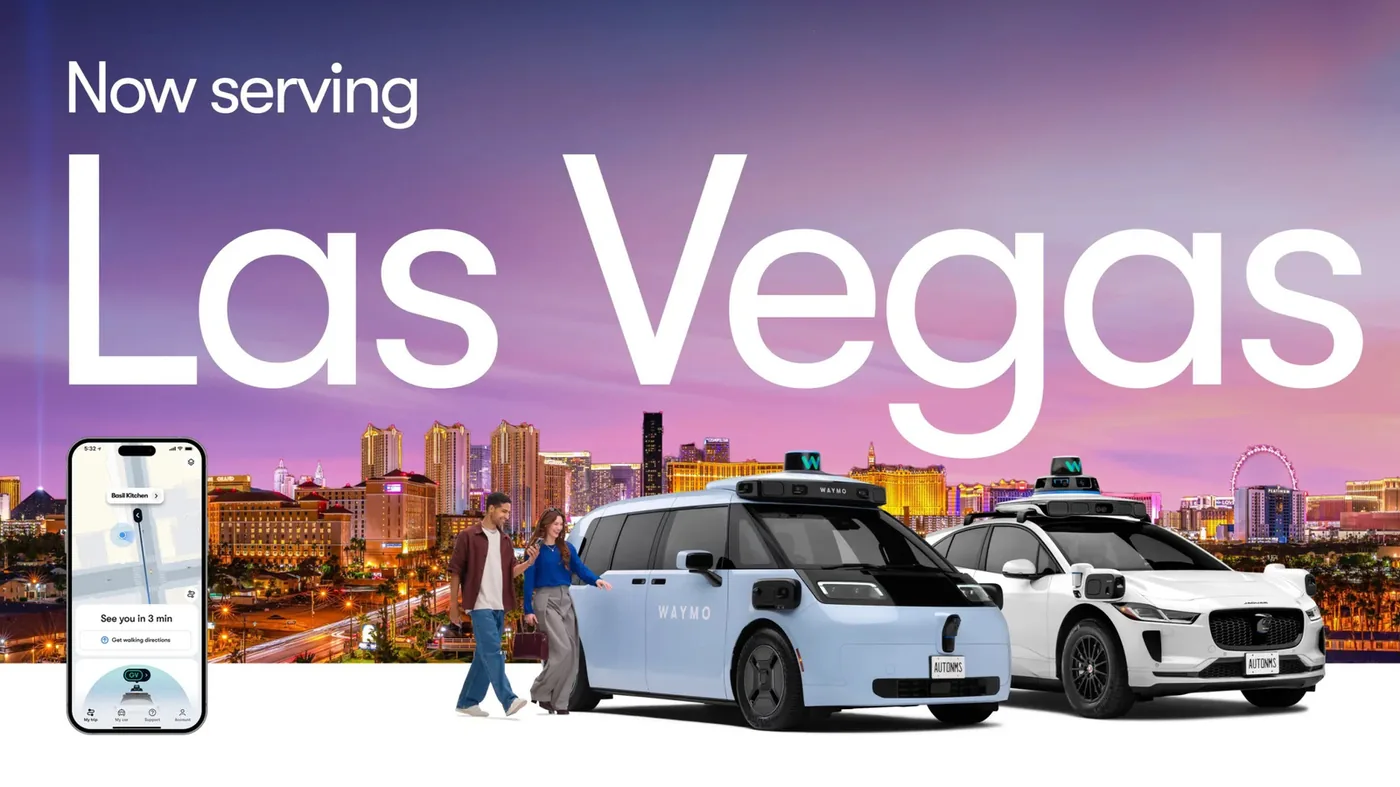
Prospective riders often wonder how do Waymo robotaxis work during regular daily operations. A customer opens the mobile application, inputs a destination within the authorized geofence, and summons an available vehicle. Minivans arrive without human drivers. The vehicle unlocks passenger doors through the mobile application, welcomes riders aboard, and proceeds along calculated street lanes toward the selected drop-off point without manual steering. Onboard computing hardware handles real-time driving decisions without remote steering control. Passengers ride in complete privacy. [1]
Permits Open Clark County to Rivals
Expanding the Waymo robotaxi service into Nevada follows formal operating authorization from the Nevada Transportation Authority (the state agency governing commercial passenger carriers). Regulators approved driverless passenger rides. Las Vegas Sun reported that the regulatory agency unanimously approved applications allowing commercial autonomous ride-hailing services across Clark County. Tesla and Uber subsidiary Aviari Services also won permits. Those joint approvals set the stage for an intense competitive showdown across Las Vegas resort districts. [1, 6]
The competitive field in Las Vegas features distinct corporate alliances and deployment strategies. Uber intends to fulfill autonomous ride requests by partnering with Hyundai subsidiary Motional as well as Amazon-owned Zoox. Zoox operates commercial rides already. Reporting from TechCrunch clarified that rival autonomous developer Zoox is already operating an active commercial robotaxi service carrying paying passengers across public Las Vegas streets. Motional has also tested here. [1]
Coordinating multiple competing autonomous fleets within a single tourist destination demands rigorous oversight. Regulating high-density ground transport reflects principles examined in urban air mobility coordination, where municipal transit planners design structured operating corridors to prevent catastrophic street congestion. Clark County regulators must balance autonomous fleet expansion against existing taxi services, airport traffic corridors, and municipal road infrastructure. Safety oversight remains paramount. [1]
Nevada Regulators Balance Ambitious Fleet Ceilings
State permits authorize remarkable theoretical vehicle volumes over the coming year. Nevada regulators authorized Waymo to deploy up to 1,000 autonomous vehicles across Clark County over the next 12 months. Uber received permission for 1,000 robotaxis. Tesla is allowed 5,000 vehicles. Together, the permits authorize up to 7,000 robotaxis across Clark County over the next twelve months if all three approved companies expand to their maximum regulatory limits. [1, 6]
Reaching those permitted ceilings appears improbable. During an August regulatory hearing, Tesla chief engineer Eric Early told Nevada officials that deploying 2,500 vehicles within the next year would make the automaker “extremely happy and satisfied.” Early’s statement reveals practical manufacturing constraints. Neither Tesla nor Uber has deployed thousands of commercial driverless units onto Nevada roads. [1]
Even without reaching maximum permit allowances, Las Vegas could see heavy autonomous vehicle saturation over the next 12 months. Robotaxis will transform resort traffic. Deploying hundreds of self-driving minivans across resort avenues will test how tourists, local drivers, and emergency services adapt to machine-driven transportation. Waymo’s immediate focus remains converting invited riders into everyday commuters while expanding street boundaries beyond Boulder Junction. As access codes roll out to waiting passengers, the Las Vegas Strip corridor becomes a definitive proving ground for commercial driverless transit networks across Southern Nevada. [1, 5]
- ONLINE NEWS Korosec, K. (2026, September 14). Waymo opens robotaxi service in Las Vegas. TechCrunch. [Article Link]
- ONLINE NEWS InsideEVs. (2026, September 14). Waymo Is Bringing Driverless Rides To Las Vegas. InsideEVs. [Article Link]
- ONLINE NEWS Chen, J. (2026, September 14). Waymo’s robotaxis are now available in Las Vegas. Engadget. [Article Link]
- ONLINE NEWS Lung, N. (2026, September 14). Waymo Expands Paid Robotaxi Service to Las Vegas, Its 15th City. Bloomberg. [Article Link]
- ONLINE NEWS Defran, B. (2026, September 14). Waymo launches robotaxi service in Las Vegas. Fox 5 Las Vegas. [Article Link]
- ONLINE NEWS Da Rocha, G. (2026, September 14). Waymo offering rides to public, expanding autonomous services in Las Vegas. Las Vegas Sun. [Article Link]


