





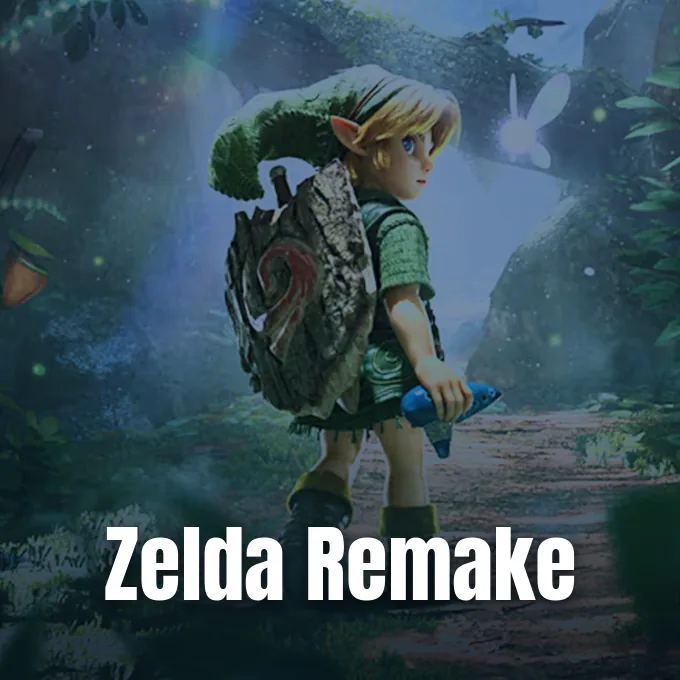
Nintendo tested optional warp points for the Ocarina of Time remake on Switch 2 before stripping them out of the game. Series producer Eiji Aonuma said in an official Ask the Developer interview that early prototypes included new shortcuts to speed up movement across Hyrule Field, but playtests showed that fast travel undermined the pacing [2]. The reimagined classic arrives on Nintendo Switch 2 on November 5, 2026 [1].
Why Developers Cut Fast Travel
Aonuma originally suggested adding new warp locations because he remembered how players navigated the 1998 Nintendo 64 original. In that release, players rolled forward through Hyrule Field to squeeze extra speed out of Link’s running animation [2].
The inspiration for adding warp shortcuts came straight from The Legend of Zelda: Breath of the Wild, where towers and shrines allow fast travel through a massive map. “In The Legend of Zelda: Breath of the Wild, there are many warp points that enable players to move quickly around the game’s vast world,” Aonuma said. “In the original The Legend of Zelda: Ocarina of Time, you could get around a bit faster by spamming forward roll, so I think a lot of players spent their time doggedly rolling across Hyrule Field whenever they needed to be somewhere in a hurry. I thought we needed to address this in this new version. So I asked the team to add warp points that didn’t exist in the original game, giving players access to shortcuts” [2].
Once developers tested the build with those shortcuts, they found that skipping overland routes hurt the rhythm of the game. Aonuma said the team missed the feeling of pausing during a trek to investigate unexpected landmarks. He told developers to remove the extra warp points so players would explore Hyrule naturally [2].
Preserving Hyrule and Player Discovery
The original 1998 game was never completely without fast travel, since Link gradually learned magical ocarina melodies that warped him straight to five major temples and the Temple of Time. Learning the Requiem of Spirit is mandatory to reach the Desert Colossus as child Link, who can’t cross Gerudo Valley on foot without adult Link and his horse Epona. Outside those temple entrances, traveling through Hyrule required players to walk through areas such as Kokiri Forest, Lon Lon Ranch, Castle Town, and Zora’s Domain. Crossing the kingdom on foot forced players to stumble over heart pieces, hidden rupees, and odd characters tucked away in corners of the map [6].
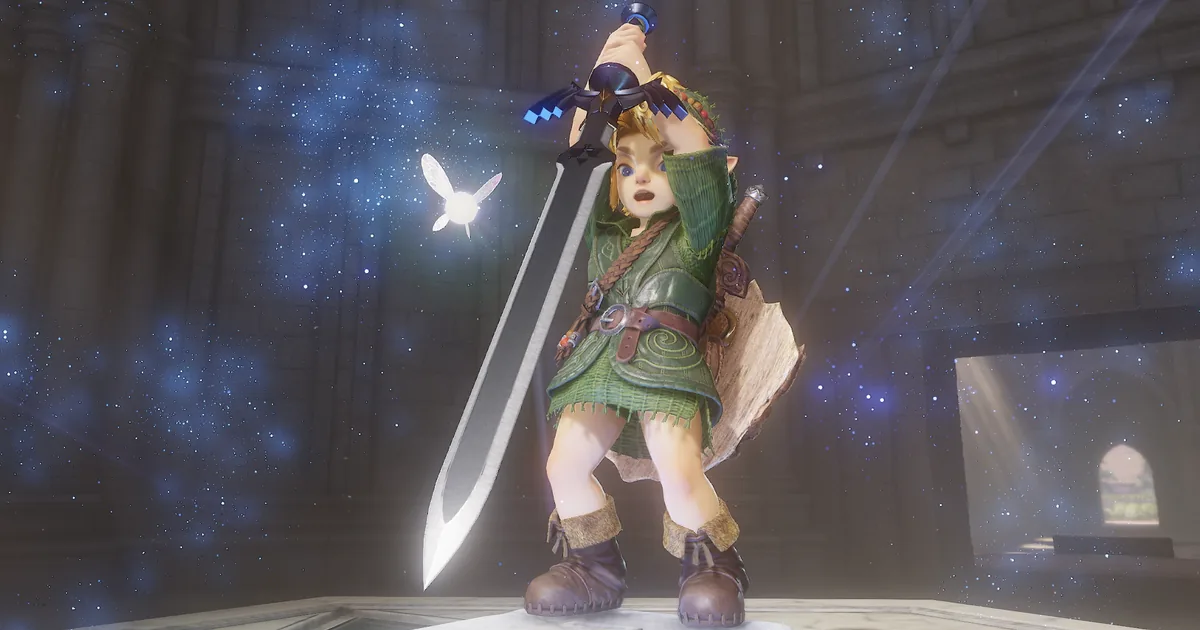
Art director Aya Shida said the visual design supports this deliberate pacing, saying that early in production the team used phrases like “a puppet-show feel” and “the analog feel of practical effects films” to build a convincing fantasy world [2].
Eurogamer writer Kaan Serin said that wandering on foot in modern Zelda games similarly turned up Korok seeds that players missed if they warped everywhere [2]. Early previews and Zelda remake screenshots showed how lighting and miniature textures bring those open plains to life without relying on photorealism.
Ocarina of Time Remake Studio Confirmed
Before Nintendo published the Q&A, fans spent months debating which studio was leading development. Some believed Monolith Soft was in charge, since it helped on open-world Zelda releases. However, Monolith Soft is currently focused on developing Xenoblade Genesis for its planned 2027 release on Switch 2. Others thought Grezzo would take the lead after building 2024’s The Legend of Zelda: Echoes of Wisdom [3].
The interview confirmed that development is handled in-house by Nintendo EPD Production Group No. 3, the core group behind most entries over the past 30 years [3, 4]. Four of the six developers in the initial interview belong to Group No. 3, joined by Aonuma and veteran director Hidemaro Fujibayashi [3]. Additional team members named in the interview credits include HokWai Ng, Aya Shida, Hiroki Taguchi, and Masato Ohashi. Longtime fans who feared an outside studio might alter the tone of the classic can rest easy knowing the main team handled the Ocarina of Time remake [4].
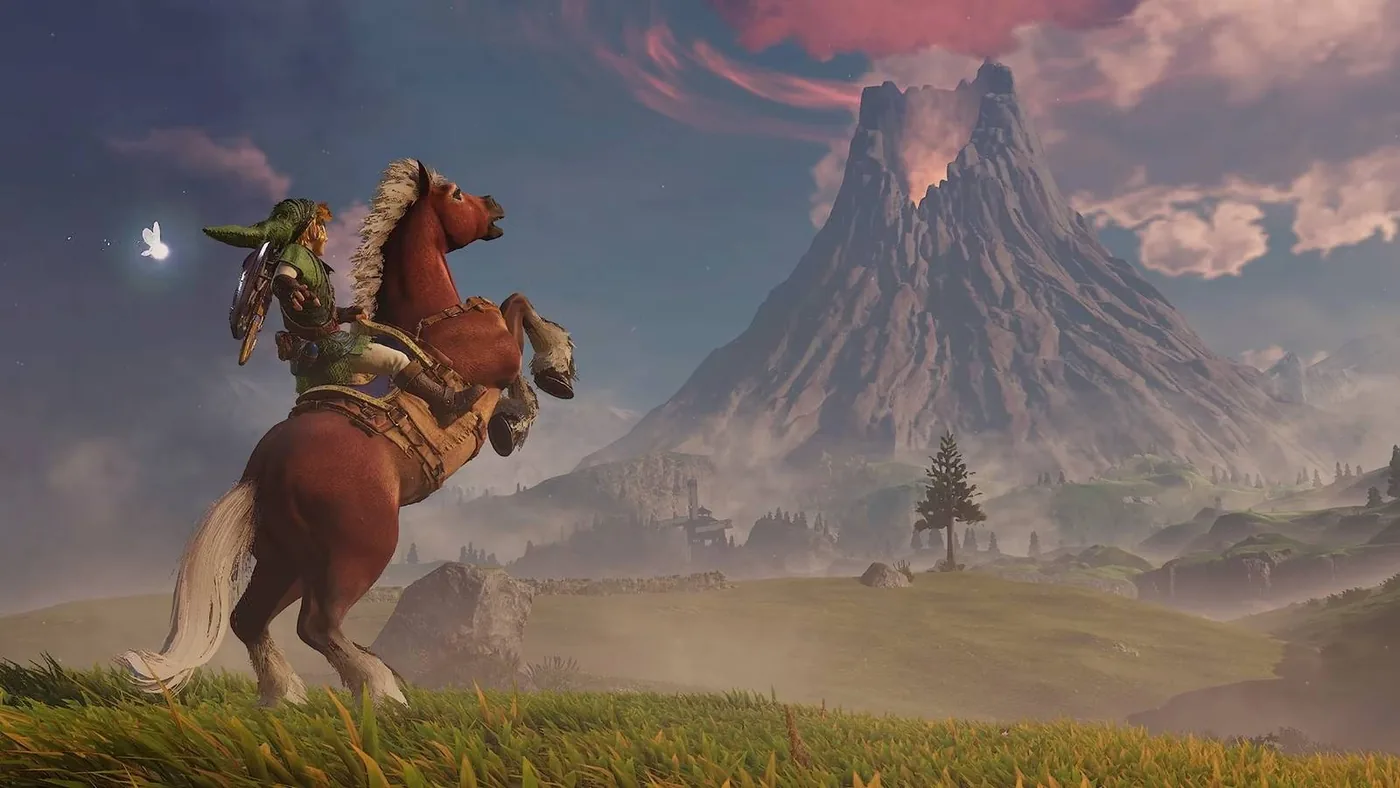
Keeping the project inside Nintendo EPD lets external partners like Grezzo and Monolith Soft focus on their own games [3]. That division of labor keeps the core team directly connected to the mechanics that defined early 3D gaming [4].
How the Ocarina of Time Remake Trains Younger Staff
A major motivation behind revisiting the game was the 40th anniversary of the original Zelda game in 2026. Aonuma realized that many current team members had only worked on recent releases and never played or built the 1998 Nintendo 64 original. “By learning the game structure and development style behind the original The Legend of Zelda: Ocarina of Time, and by actually rebuilding it as a full remake, it may trigger new insights that they can carry forward into future development,” Aonuma said. “If we could achieve that, I thought it would be incredibly valuable” [1].
Senior leads stepped back to let younger staff make necessary adjustments, though Aonuma joked that he still gave “my fair share of lectures along the way”. Fujibayashi helped clarify boundaries early so the team knew which systems to keep [4].
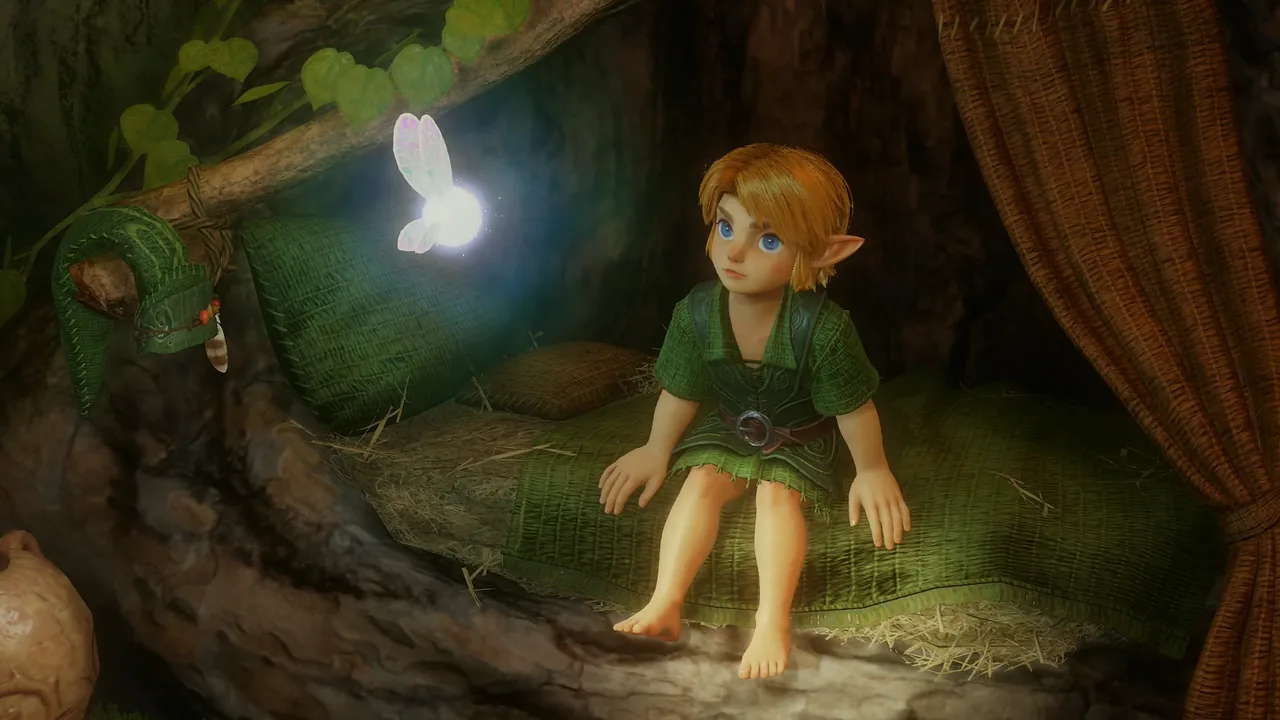
Aonuma said that after open-ended adventures, the team wanted players to enjoy a carefully paced journey where character progression and narrative unfold step by step [1]. Ahead of launch, Google rolled out a time-traveling Easter Egg online celebrating the game’s return [4].
Release Date and Foil Editions
Nintendo set the global release date for Thursday, November 5, 2026, exclusively on Nintendo Switch 2 [1]. That date places the game ahead of Grand Theft Auto 6, which launches on November 19. The launch window was confirmed after the Nintendo Zelda Direct showcase. Physical editions generated immediate demand because the initial batch features a textured foil cover that produces a sparkling reflection under the light. Amazon sold through its supply of reflective foil covers over the weekend, noting that restocks on launch day would carry standard packaging [5].
Walmart offered the foil edition for $59.88, providing a $10 preorder discount below the standard $69.99 price seen at Best Buy, Target, GameStop, and the Nintendo Store [5].
Best Buy also planned a midnight launch on November 5 for remaining themed consoles and accessories [5]. Despite having decades of experience with the series, Aonuma admitted he is still nervous to see what players think of the finished project [1].
- ONLINE NEWS Cripe, M. (2026, November 2). The Legend of Zelda: Ocarina of Time Devs Wanted to Do Another Remake to ‘Trigger New Insights’ for New Games. IGN. [Article Link]
- ONLINE NEWS Serin, K. (2026, November 2). Nintendo tried adding fast travel to The Legend of Zelda: Ocarina of Time remake, before devs realised “we were missing out on the moments of discovery”. Eurogamer. [Article Link]
- ONLINE NEWS Gonzalez, E. (2026, November 2). The Legend of Zelda: Ocarina of Time Remake Studio Officially Revealed. Polygon. [Article Link]
- ONLINE NEWS Cripe, M. (2026, November 2). Nintendo Reveals Development Team Behind The Legend of Zelda: Ocarina of Time Remake. IGN. [Article Link]
- ONLINE NEWS Reed, C. (2026, November 2). The Legend of Zelda: Ocarina of Time Remake with a Foil Cover Sells Out at Amazon. IGN. [Article Link]
- ONLINE NEWS Valentine, R. (2026, November 2). Ocarina of Time Remake Almost Had Even More Fast Travel. Kotaku. [Article Link]


