





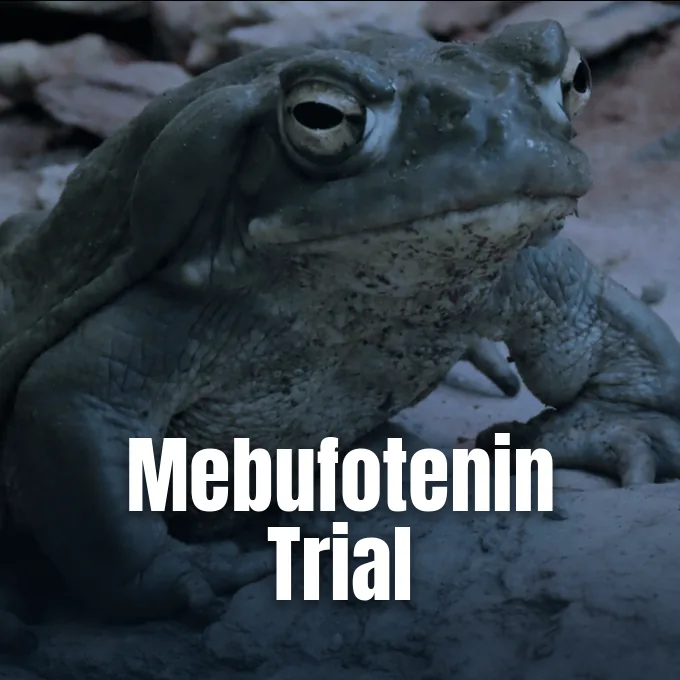
A single dose of synthetic mebufotenin delivered through a psychedelic nasal spray eased symptoms of treatment-resistant depression within hours during a Phase 2b clinical trial published in JAMA. Major depressive disorder affects about 290 million people worldwide, and roughly one-third of them do not get relief from standard medications. Many existing psychedelic therapies need patients to stay under clinical supervision for up to twelve hours. By contrast, the experimental formulation allowed most participants to meet discharge readiness criteria within two hours [1].
How the Clinical Trial Was Run
Researchers coordinated the multi-center trial at thirty-eight sites located in Australia, Germany, Poland, Spain, the United Kingdom, and the United States between September 2023 and April 2025. The research team screened 443 adults and enrolled 193 participants with moderate to severe major depressive disorder who had tried two to five standard antidepressants without success. Joint first authors David Feifel of the Kadima Neuropsychiatry Institute in La Jolla, California, and Mathieu Seynaeve of King’s College London tested whether the synthetic drug could work as a standalone treatment. To isolate its effects, the two-thirds of volunteers who were taking regular psychiatric medications tapered off their prescriptions at least two weeks before the session. Depressive episodes among enrolled participants had lasted for an average of 2.6 years [1].
Participants entered the study with an average age of forty-one years, and women accounted for 59.1 percent of the group. Clinicians randomly assigned each volunteer to receive a single spray into one nostril containing 8 milligrams of mebufotenin benzoate, 12 milligrams, or a 0.3-milligram comparator dose. The low comparator dose served as a control because patients would not feel psychoactive effects from it, and trained therapists gave psychological support before, during, and after administration [1].
Results of the Psychedelic Nasal Spray Trial
Independent clinical raters evaluated patients with the Montgomery-Åsberg Depression Rating Scale, which scores symptom severity from 0 to 60 during structured video interviews [2]. Baseline scores averaged about 32 across all three study groups. At day 29, patients who received the 12-milligram dose of the psychedelic nasal spray experienced a score reduction of 11.1 points, compared to a drop of 5.5 points in the control cohort [1].
Patients who received the 8-milligram dose showed an even larger improvement, dropping by 12.5 points on the rating scale for an adjusted difference of 6.2 points over the control group. Symptom relief emerged quickly after dosing. By day 2, depression scores fell by about 9 points in both active cohorts versus 3.8 points in the comparison arm. These improvements persisted through day 57, when active cohorts maintained reductions averaging about 11 points compared to 5.2 points for control participants. At day 29, response rates reached roughly one-third in both active groups versus 12 percent in the control arm, while remission rates were 26 percent for 8 milligrams and 18 percent for 12 milligrams [1].
Questionnaires completed on the first day showed that both active doses produced higher ratings for mystical-type experiences such as feelings of unity and transcendence. Average ratings reached 2.4 points for 8 milligrams and 2.6 points for 12 milligrams on a five-point scale, compared to 0.4 points for the control spray. But those subjective scores did not correlate with depression reductions recorded at day 29. That outcome contrasts with psilocybin studies, where the intensity of emotional effects often predicted clinical recovery [1].
Patient Recovery and Discharge Readiness
Clinical staff assessed discharge readiness every thirty minutes starting ninety minutes after dosing, checking vital signs, orientation, and physical coordination. Among participants in the 8-milligram cohort, 85 percent met release criteria within two hours. In the 12-milligram group, 78 percent reached the same benchmark within that window, and roughly two-thirds of all active participants were deemed ready at ninety minutes. The study protocol required volunteers to remain at the clinic for four hours, but the evaluations indicated that acute psychoactive effects resolved rapidly [1].
Standard psychedelic compounds like psilocybin and LSD require between four and twelve hours of in-clinic supervision by medical personnel. In an editorial published in JAMA, Chittaranjan Andrade of the National Institute of Mental Health and Neurosciences in Bangalore, India, called the two-hour recovery window one of the most striking findings of the study. Andrade said that delivering a single dose of synthetic mebufotenin through a psychedelic nasal spray could reduce monitoring burdens on psychiatric clinics and improve treatment access for people with hard-to-treat depression. The short turnaround offers a practical alternative to therapies like esketamine nasal spray or magnetic brain stimulation, which need frequent clinic visits to maintain mood benefits [1].


Reported Side Effects and Safety Findings
Side effects appeared in 73 to 85 percent of participants across the study arms, but 99.7 percent of all recorded events were mild or moderate. The most common complaints were headache, nausea, and discomfort at the spray site. Headaches affected 29.5 percent of participants overall, occurring at similar frequencies in both active and control cohorts. Most adverse events began on the day of dosing and resolved within twenty-four hours [1].
Nausea occurred much more frequently with the active medication than with the control spray. While only 3 percent of the control cohort reported stomach upset, nausea was reported by 33 percent of the 8-milligram group and 40 percent of the 12-milligram group. Temporary increases in blood pressure and pulse rate resolved within sixty minutes after administration. One volunteer in the 12-milligram group experienced two severe panic attacks related to the drug, but no patient withdrew from the study because of side effects [1].
Staff recorded eight reports of suicidal thoughts without intent during the trial, including one in the 8-milligram group, four in the 12-milligram group, and three in the control arm. All cases in the active cohorts involved participants with a documented history of suicidal ideation, and no suicidal behavior occurred during the eight weeks of follow-up. Because the 8-milligram dose produced therapeutic reductions comparable to the higher dose while causing less nausea and anxiety, researchers selected the 8-milligram dose for upcoming Phase 3 trials [1].
From Sonoran Desert Toads to Synthetic Medicine
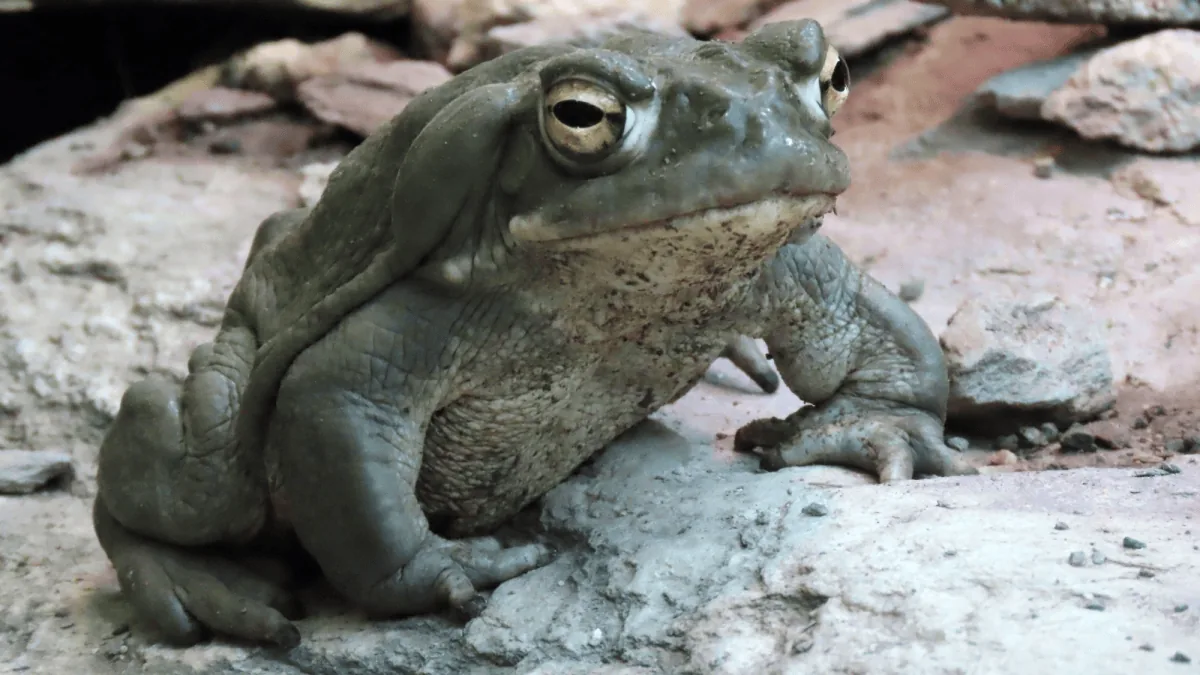
Natural mebufotenin, known chemically as 5-methoxy-N,N-dimethyltryptamine or 5-MeO-DMT, occurs in several plant types and in the defensive secretions of the Sonoran desert toad, Incilius alvarius. The fleshy North American toad carries prominent glands on its head and hind legs that release a milky secretion when squeezed. For decades, psychonauts gathered the amphibian to collect and dry the secretion, vaporizing the residue to induce an intense hallucinogenic state often described as ego dissolution or the feeling of dying [3]. In the brain, mebufotenin activates serotonin 1A and 2A receptors, producing fast changes in perception before the body eliminates the compound [1].
Laboratory synthesis of mebufotenin creates a pure drug while safeguarding wild amphibian populations from overharvesting. Mack DeGeurin reported for Popular Science that developing a synthetic formulation removes the need to disturb wild animals in desert ecosystems [3]. Previous clinical investigations tested mebufotenin using inhalation methods [1]. An earlier 2026 randomized controlled trial of 81 patients with treatment-resistant depression found that inhaled mebufotenin produced a 58 percent remission rate at day 8 compared to 0 percent for placebo, and 87 percent of those patients remained in remission at six months during an open-label extension. Smaller studies in healthy adults, ten women with postpartum depression, and forty-two people using toad secretions showed similar short-lived effects, but dry-powder nasal administration provides a far more manageable delivery system for outpatient clinics [2].
Investment Growth in Psychedelic Nasal Spray Research
Biotechnology firm AtaiBeckley developed the synthetic nasal spray evaluated in the recent JAMA study amid growing interest in psychedelic nasal spray applications across the medical field [3]. In their published report, the study authors wrote: “In adults with treatment-resistant depression, single doses of intranasal mebufotenin benzoate were well tolerated and produced rapid, robust, and durable reductions in depressive symptoms”. The researchers noted that intranasal delivery could improve convenience by requiring fewer clinic visits than esketamine and shorter observation periods than psilocybin [1].
Policy frameworks governing psychedelic compounds have begun evolving at state and federal levels. Oregon and Colorado have initiated regulated programs for psilocybin, while lawmakers in Texas committed $50 million to study the psychedelic alkaloid ibogaine despite the state’s strict drug laws. At the federal level, President Donald Trump signed an executive order in April aimed at accelerating clinical research and Food and Drug Administration review pathways for psychedelic therapies. Although the executive order did not lower formal approval requirements, it signaled growing political willingness to evaluate psychedelics as medical therapies [3].
Commercial pharmaceutical firms have responded to these clinical results with major investments. Earlier this year, pharmaceutical company Eli Lilly acquired AtaiBeckley in a purchase valued at $2.8 billion. The deal provides the funding needed to support Phase 3 trials of mebufotenin nasal spray [3]. If future trials confirm the durability of symptom relief, the fast-acting compound could offer practical help to millions of patients who live with hard-to-treat depression [1].
- ACADEMIC JOURNAL Feifel, D., Seynaeve, M., Cubala, W. J., Dunbar, F., Gründer, G., Dueñas Herrero RM, Hindocha, C., Liknaitzky, P., McGuigan, S. M., Mehta, S., Pierce, M., Repantis, D., Roberts, C., Wiegand, F., & Conley, R. (2026). Single Intranasal Administration of the Psychedelic Mebufotenin for Treatment-Resistant Depression: A Randomized Clinical Trial. JAMA. [Article Link]
- ONLINE NEWS PsyPost. (2026). Single dose of psychedelic nasal spray reduced treatment-resistant depression symptoms for eight weeks. [Article Link]
- ONLINE NEWS DeGeurin, M. (2026). Psychedelic nasal spray treats depression with toad-inspired goo. Popular Science. [Article Link]
APA 7: PerEXP Teamworks. (2026, November 1). Mebufotenin Nasal Spray Relieves Depression Symptoms in Trial. PerEXP Teamworks. https://perexpteamworks.com/en/psychedelic-nasal-spray-depression-trial/


