





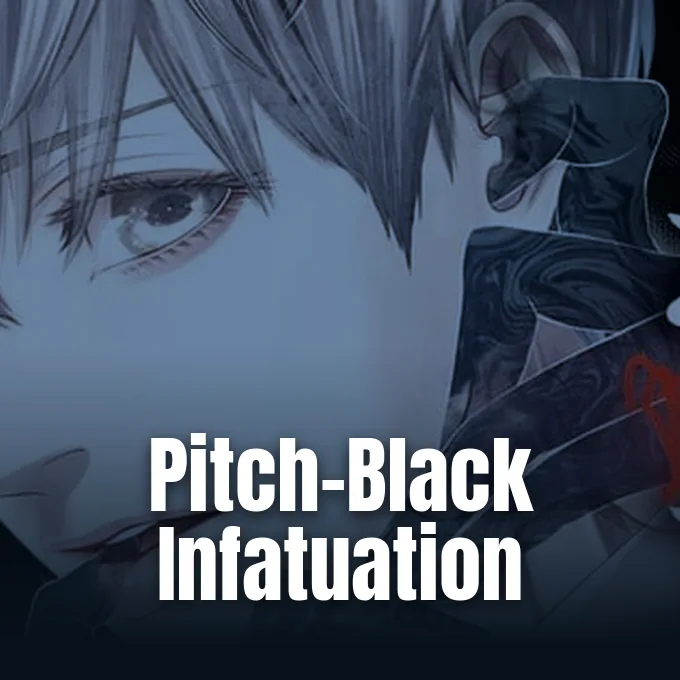
Young Ace staff at Kadokawa apologized after discovering that manga creator Ieri Komen’s drawings were used without consent in the comic Pitch-Black Infatuation. The public notice, posted on Web Ace, explained that standard house rules need clear approval before any comic begins its monthly run [1, 3]. Instead, the team moved ahead with Kei Natsumi’s comic before securing clear approval from Komen [1, 2]. Young Ace took full blame for the mistake, saying that original author Rokakoen and manga artist Kei Natsumi bear no fault for the error [1, 3]. The press promised to prevent similar lapses by checking rights earlier in the process [3].
Young Ace Editorial Department Issues Public Apology
The public apology from the Young Ace team arrived on October 8, 2026, through a notice posted on the Web Ace portal, addressing unapproved reference work in the comic adaptation of Rokakoen’s novel running in the monthly magazine. Staff members admitted that they used art created by Ieri Komen without asking the artist first [1, 3]. No one asked Komen. Normally, editors must contact manga artists to get written consent before borrowing earlier visual concepts [1, 3]. The editors said that failing to follow that basic rule caused distress to Komen [3].
Young Ace clarified that neither novel author Rokakoen nor manga illustrator Kei Natsumi bears any blame for what happened [1, 3]. The editors took full blame. Natsumi drew the pages under the firm belief that the magazine had already handled all licensing talks with fellow creators [1, 2, 3]. Manga artists depend on editors to clear rights so illustrators can focus on their drawings, and Natsumi acted in good faith after receiving reference sheets from the office [1, 2]. The team apologized to Komen, Rokakoen, Natsumi, and readers, saying that it’s taking steps to handle checks far more carefully as work continues, while reassuring the creative team that future chapter releases will receive complete administrative backing [2, 3].
News outlets reported on the apology the following week [1, 2]. Rafael Antonio Pineda reported on the apology for Anime News Network on October 14, explaining Kadokawa’s ownership ties as majority owner of the news outlet through Kadokawa World Entertainment. The public notice helped fans see that the error came from poor office talks rather than intentional copying by the manga artist [1, 2].
Timeline of Pitch-Black Infatuation Pre-Production
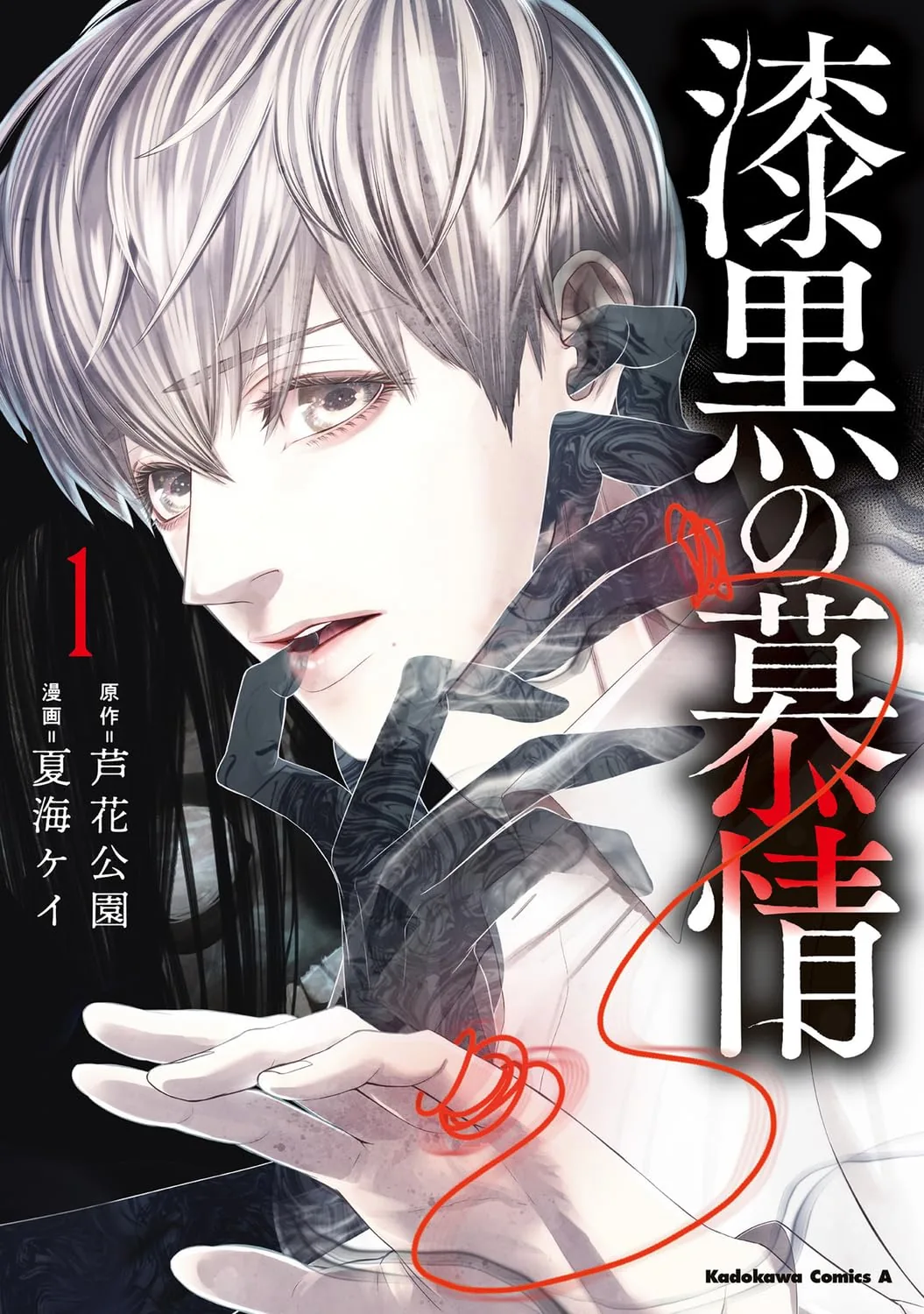
Pre-production on the Pitch-Black Infatuation comic began in August 2025 under the direction of Kei Natsumi and the Young Ace staff, with editors seeking visual consistency for recurring figures because Rokakoen’s story takes place in the same fictional world as earlier novel Festival of Heresies [1, 2, 3]. The Young Ace desk reached out to Kadokawa Horror Bunko, the imprint that put out both original books, to ask about borrowing Komen’s visual concepts. Specifically, editors wanted to use the designs of Rumi Sasaki and Yukiyoshi Aoyama, two key figures who appear in both books [1, 3].
Talks between the two editorial desks lost clarity after the first inquiry. Kadokawa Horror Bunko sent a vague reply to Young Ace, saying that “It’s probably also fine to use original character designs” [1, 2, 3]. The reply was vague. Instead of pausing to clarify the confusing message or contacting Komen to confirm terms, Young Ace talked with Natsumi and chose to proceed using Komen’s art as a guide. The staff didn’t seek explicit sign-off from Komen before moving forward with page production [1, 2, 3].
Chapters launched on March 4 in Young Ace without anyone checking back with Komen. Managing ongoing magazine releases involves delicate scheduling, and readers saw similar editorial coordination when Kadokawa resumed More than a Married Couple serialization following publication pauses. The oversight went unnoticed by readers through the spring and early summer [1, 3].

Scope of Unauthorized References in Shikkoku no Bojo
Problems arose on August 4 when Kadokawa shipped book one of Shikkoku no Bojo to retailers across Japan, prompting Ieri Komen to notice the visual similarities on store shelves and contact Young Ace editors directly [1, 2, 3]. Komen asked editors about the similarities. That inquiry prompted editors to review all visual references used during production. What began as a brief check quickly showed that the borrowing went far beyond initial talks [1, 2, 3].
The internal check showed that Kei Natsumi’s comic had copied several visual pieces that Young Ace never mentioned during early messages. Beyond the drawings for Rumi Sasaki and Yukiyoshi Aoyama, the comic also copied Komen’s designs for Ishigami and Emi Shimamoto. In addition, editors found that one background location in Natsumi’s comic drew upon background art created by Komen for the earlier series. Producing monthly comic pages takes heavy research, and Yoshiki Takaya discussed manga production challenges that creators face when maintaining complex visual standards over long runs. Young Ace admitted that failing to verify those extra references was a clear breakdown in editorial duties, taking responsibility for the oversight and apologizing directly to Komen for using the background art without proper permission [1, 3].
Young Ace pointed out that it didn’t make this error on other connected projects. In the official notice, the team explained that it obtained proper clearance for another comic in the same book series. For the comic version of Gokuraku ni Itaru Kimon, editors contacted the artist beforehand and received clear permission before referencing any designs. The staff followed proper protocol. That comparison showed that while the office understood proper verification steps, it failed to apply them during Natsumi’s comic run [3].
The Shared Universe of Festival of Heresies
The shared universe behind the two comics began in horror novels written by Rokakoen, who put out Festival of Heresies (Itan no Shukusai) under Kadokawa Horror Bunko in May 2021 before following up with Pitch-Black Infatuation in February 2022 to build a linked world of supernatural mystery [1, 3]. The books found readers. Both titles gained loyal fans in Japan, prompting the firm to approve comic adaptations for web and print magazines [1, 2].
Overseas readers found Rokakoen’s stories through English books licensed by Yen Press, which released the translation of Festival of Heresies in November 2024 before publishing Pitch-Black Infatuation in August 2025. While the translated novels found readers abroad, Kadokawa built its comic line in Japan. Komen launched the comic adaptation of Festival of Heresies on the Comic Walker website in July 2023, concluding the adaptation with its second compiled volume in November 2025 [1, 2].

When Natsumi began drawing Pitch-Black Infatuation, Komen’s comic had already created clear visual styles for Sasaki, Aoyama, Ishigami, and Shimamoto, giving readers a consistent artistic reference across different titles [1, 3]. Using Komen’s visual work without advance consent turned what should have been a creative homage into an intellectual property problem, because adapting shared fictional worlds still requires respect for individual artists who craft original visual concepts [2, 3].
Editorial Communication and Creator Protections
The controversy surrounding Pitch-Black Infatuation showed the importance of the role that editors serve in safeguarding creative work. In the manga industry, artists rely on their editors to clear rights and handle communication with fellow creators [2, 3]. Creators trust their editors. When communication breaks down between desks, artists can find themselves in awkward legal positions through no fault of their own. Young Ace’s public apology made sure that Natsumi’s artistic name stayed clean, confirming that the artist acted only on instructions from the office [1, 2, 3].
The incident also showed how easily assumptions can disrupt office workflows within large publishing houses, especially when vague guidance leaves room for doubt and editors fail to follow up before assigning work to artists [2, 3]. Both Young Ace and Kadokawa Horror Bunko belong to Kadokawa Corporation, but operating under the same publishing group didn’t guarantee smooth coordination [1, 2]. The press acknowledged that basic checks were missing, proving that even experienced editors can stumble when permissions aren’t verified in writing, leading to awkward intellectual property disputes across related publications [2, 3].
Looking ahead, Young Ace said that it will enforce thorough checks to prevent similar mistakes from happening again. The team apologized to Komen, Rokakoen, Natsumi, and manga readers for the disruption [1, 3]. While the comic run will continue, the office promised to handle all future reference requests with careful oversight. By admitting the error plainly and detailing how the breakdown occurred, Kadokawa took necessary steps to restore confidence among creators and maintain trust within the anime and manga community [2, 3].
- ONLINE NEWS Pineda, R. A. (2026, October 14). Kadokawa Apologizes After Using Character Design Reference Without Permission for Pitch-Black Infatuation Manga. Anime News Network. [Article Link]
- WEBSITE Mintory. (2026, October 14). Kadokawa Young Ace Apologizes for Unauthorized Manga Character Use. Mint Otaku. [Article Link]
- PRESS RELEASE Young Ace Editorial Department. (2026, October 8). Report and apology regarding oversight in advance confirmation for Pitch-Black Infatuation manga production. Web Ace. [Article Link]


