






Nintendo announced that The Legend of Zelda: Ocarina of Time sold more than 5.2 million copies worldwide during its first four days on Switch 2. The company published the sales figures on November 11, confirming that the release scored the highest four-day global total for any Nintendo-published software on the platform. Early Ocarina of Time sales moved faster than other major first-party launches, driven by strong interest in both digital downloads and physical cartridges [1].
Early Ocarina of Time Sales
The launch total includes both digital purchases from the Nintendo eShop and boxed copies sent to retail stores worldwide. Japanese players accounted for approximately 810,000 copies, representing around 15.6% of global demand during the opening weekend [6]. Domestic interest stayed strong despite recent price shifts for the console.
The software arrived on November 5, serving as Nintendo’s central release for the year-end shopping calendar. Major third-party publishers largely cleared out of the November window ahead of upcoming blockbuster competition, giving Link ample room to dominate store shelves without fighting other massive debuts [5]. That scheduling choice rewarded Nintendo as retail customers lined up for boxed editions, with many shoppers seeking out physical copies specifically to secure the collectible foil packaging. In the United Kingdom, industry tracking revealed that the title scored the second-largest physical launch for any Zelda game in regional history, trailing only previous mainline entries while becoming the country’s best-selling physical release across all of 2026 [2].
Retail demand proved that traditional packaged software remains popular among dedicated fans. Many buyers wanted a boxed game to keep on their shelves rather than a purely digital license. That preference helped drive early numbers in Western markets, where physical stock sold out at several retail chains during the opening days [2].

Comparison with Other Switch 2 Releases
To understand the scale of the launch, other major first-party releases provide useful context. Pokémon Pokopia sold 2.2 million copies across its first four days when it arrived earlier this year, setting a high standard that Link comfortably exceeded [2]. Donkey Kong Bananza also debuted with 1.5 million units before climbing higher over the summer.
Only Mario Kart World has moved more software on the new console, reaching 16.48 million copies by the end of September after launching alongside the hardware. Even that title started at a measured pace, logging 5.63 million units during its entire opening month after posting 3.5 million sales across its first four days [2]. Because roughly 80% of those launch copies came bundled directly with hardware purchases in North America, Ocarina of Time stands as the fastest-selling standalone software release in the platform’s history [5]. That distinction matters because customers chose to buy the Zelda remake independently at full price, whereas early Mario Kart copies rode the wave of initial system adoption.
Other key releases took months to approach these numbers. Pokémon Legends: Z-A reached 4.04 million copies on Switch 2 by late September, while Fire Emblem: Fortune’s Weave ended its first month with 1.34 million units [2]. The Zelda remake bypassed both titles within a single weekend.


Ocarina of Time Sales in Historical Context
Looking back into Nintendo’s catalog, the original 1998 Nintendo 64 game required two full years to reach 7.6 million copies, a number this remake is approaching in days [1]. The 2011 Nintendo 3DS edition achieved 6.44 million lifetime sales [3]. Modern consumer interest has propelled Link far faster than past hardware ever allowed.
On modern systems, The Legend of Zelda: Tears of the Kingdom still claims the fastest start in series history after selling over 10 million units in three days on the original Nintendo Switch [3]. That release benefited from an installed base of more than 125 million consoles worldwide. By contrast, the Switch 2 installed base numbered only 26.35 million units when this remake arrived, meaning that nearly 20% of all Switch 2 owners purchased the title during its first four days on sale [4]. Selling to one out of every five system owners is an unusually high software attachment rate for any modern gaming platform, especially for an adventure that first debuted nearly three decades ago.
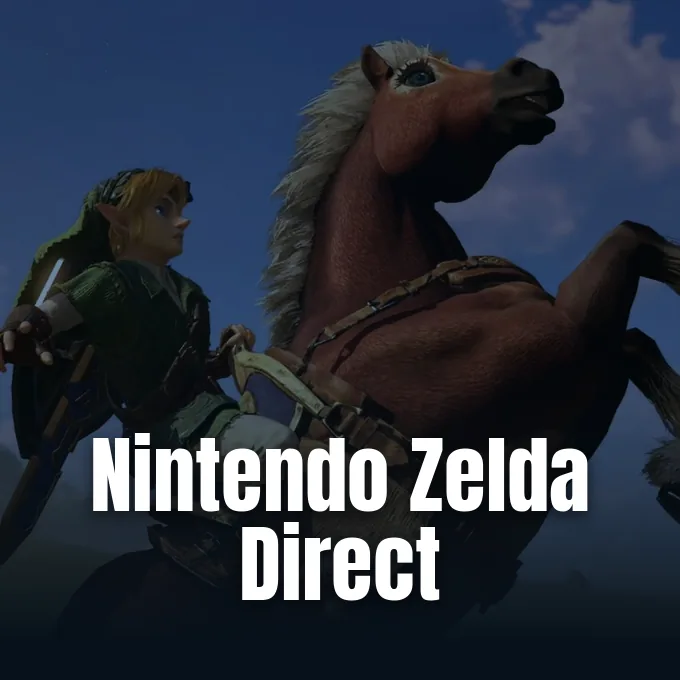
The heavy momentum provided welcome news for Nintendo after quarterly hardware shipments dropped 37% year-on-year. Company president Shuntaro Furukawa told investors that the game was “off to a great start” [2]. Fans had followed the project closely since the broadcast of the Nintendo Zelda Direct that revealed the updated world.

Critical Reception and Player Ratings
Commercial success matched universal praise from gaming outlets, establishing the project as a standout release for the hardware generation. The remake earned an average score of 96 on Metacritic, ranking as the highest-rated video game of 2026 across all platforms [3]. Nathan Birch gave the game a 9.5 review on Wccftech, calling it a note-perfect update for modern audiences [4].
Player feedback proved just as enthusiastic as professional reviews across public scoring platforms. Community ratings produced a user score of 9.6 on Metacritic from more than 11,500 submitted user reviews, representing one of the highest public scores ever recorded on the site. Fans praised how the developers retained the classic dungeon architecture while introducing visual upgrades and refined camera controls. Players tackling tricky puzzles and Goron City challenges found that the updated pacing kept the original sense of discovery without frustrating navigation issues. Birch noted in his review that “the praise heaped upon The Legend of Zelda: Ocarina of Time back when it first released was not misplaced,” praising its thoughtful preservation of Link’s journey [4].
Audio design also drew significant attention from fans and critics alike. When Link plays melodies on his instrument, his fingers move across the holes to match the notes, while room acoustics alter the echo [1]. Players quickly shared clips performing pop tunes and movie themes with the responsive controls on social channels [5].

Changes to Castle Easter Eggs
While the core quest remains intact, players noticed that Nintendo quietly removed famous cameo appearances from Hyrule Castle. In the 1998 original, looking through a courtyard window showed portraits of Mario, Luigi, Peach, Bowser, and Yoshi [5]. The 2011 3DS version added paintings from The Legend of Zelda: Skyward Sword and The Legend of Zelda: Twilight Princess. In this remake, every external portrait has been removed.
Producer Eiji Aonuma addressed the missing artwork, explaining that the creative team wanted players to stay immersed in Hyrule without fourth-wall distractions. “Certainly, at the time, when we put those there, I don’t think anybody thought it was too big a deal,” Aonuma said in an interview with Game Informer. He explained that the team reconsidered that carefree approach for modern hardware, adding, “We don’t want that moment to interrupt their experience of the world in that way.” Remake producer Hidemaro Fujibayashi agreed with the decision, commenting that there were “no hard feelings there” regarding the cut cameos [5]. The team felt that seeing unrelated characters broke the mood of Link’s personal exploration.
One subtle tribute still survived the cleanup inside Lon Lon Ranch. Talon still wears his red shirt and blue overalls, along with his bushy moustache [5]. A close look at his character model reveals his Bowser neck brooch remains completely intact. As Ocarina of Time sales continue to break records, Nintendo has proved that classic adventures can thrive without relying on external novelty.
- ONLINE NEWS Khan, I. (2026, November 11). Ocarina of Time exceeds 5 million copies solid in first week. Game Developer. [Article Link]
- ONLINE NEWS Lewis, C. (2026, November 11). Zelda: Ocarina of Time remake sets a Nintendo record for the Switch 2 – with 5.2 million sales in 4 days, not even Pokemon Pokopia comes close. GamesRadar+. [Article Link]
- ONLINE NEWS Busby, J. (2026, November 11). Zelda Ocarina of Time remake sells 5.2 million copies in four days to break Switch 2 record. Dexerto. [Article Link]
- ONLINE NEWS Palumbo, A. (2026, November 11). Zelda: Ocarina of Time Switch 2 remake sells 5.2 million units in four days, setting a new record for a Nintendo Switch 2 game. Wccftech. [Article Link]
- ONLINE NEWS Phillips, T. (2026, November 11). ‘No Hard Feelings’: Nintendo defends decision to cut Mario and Yoshi Easter eggs from The Legend of Zelda: Ocarina of Time remake. IGN. [Article Link]
- ONLINE NEWS Joshua, O. (2026, November 11). The Legend of Zelda: Ocarina of Time remake sells 5.2 million copies in 4 days, sets Switch 2 launch record. Noisy Pixel. [Article Link]


