





Xbox chief executive Asha Sharma stepped before the media to confront persistent industry speculation regarding Microsoft’s interactive entertainment business. Speaking in a wide-ranging interview with The New York Times, Sharma explicitly rejected ongoing Xbox sale rumors by confirming that the platform will not be divested, shopped to outside suitors, or partitioned away from its parent corporation. The denial follows months of organizational turbulence after Sharma succeeded Phil Spencer in late February 2026. While the public statement settles immediate buyout questions, Redmond leadership continues executing structural adjustments across first-party studios to return the division to financial growth during fiscal year 2027 [1].
- Why Xbox Sale Rumors Surfaced After Structural Reviews
- Studio Spin-Offs and Layoffs Amplified Buyout Fears
- Asha Sharma Rebuffs Xbox Spinoff Rumors in New Profile
- Studio Reassignments Reshape Activision and Bethesda Operations
- Slowing Game Pass Growth Forces Commercial Adjustments
- Hardware Commitments Continue Through Next-Generation Project Helix
Why Xbox Sale Rumors Surfaced After Structural Reviews
Persistent Xbox sale rumors reflected corporate skepticism that intensified in June 2026 when The Information reported that leadership had evaluated multiple structural alternatives for the gaming unit. The evaluated proposals ranged from spinning off the group as an independent firm to restructuring Xbox under a dedicated subsidiary or establishing collaborative joint ventures alongside external commercial allies. Financial analysts warned that establishing a distinct corporate subsidiary could facilitate an eventual divestment, even though Microsoft Corporation initiated no formal bidding process [1]. Xbox currently accounts for approximately 6% of Microsoft’s total profits, representing a modest footprint within an enterprise dominated by cloud computing and CoreAI infrastructure [3]. Tension mounted inside Microsoft following the $70 billion purchase of Activision Blizzard completed in 2023, with Redmond executives pressing for disciplined accountability margins across the legacy gaming portfolio [5].
The resulting uncertainty sparked industry speculation that went far beyond typical corporate restructuring. While earlier reporting detailed how Satya Nadella defended Xbox streamlining measures as operational belt-tightening, the newer debate centered on whether Microsoft intended to abandon gaming hardware altogether. Sharma’s direct intervention established a crucial distinction: internal budget discipline does not signal a corporate exit or an impending divestiture [1].
Studio Spin-Offs and Layoffs Amplified Buyout Fears
Sweeping workforce reductions across first-party teams fueled widespread anxiety throughout the industry. Earlier this year, Xbox initiated an aggressive corporate reset aimed at cutting a total of 3,200 positions across the organization before next summer [2]. During the summer months, the division dismissed one-fifth of its global personnel and shut down or divested five individual studios [3]. Meanwhile, the future remained uncertain for Hellblade creator Ninja Theory and Dishonored developer Arkane, reinforcing suspicions that Microsoft was preparing to trim operating liabilities [2].
Three development studios went independent. Double Fine, Compulsion Games, and Undead Labs departed from Xbox to control their own creative operations [2].
Additional cuts landed in September 2026 when Microsoft eliminated another 268 roles across Halo Studios, first-party teams, and centralized Xbox Game Studios management [1]. Eurogamer reporter Kaan Serin documented that the broader workforce restructuring was roughly three-quarters complete [2]. Game Rant editor Dominik Bošnjak reported that these compounding staff reductions caused Xbox sale rumors to spread among market analysts who questioned Microsoft’s gaming roadmap [1].
Asha Sharma Rebuffs Xbox Spinoff Rumors in New Profile
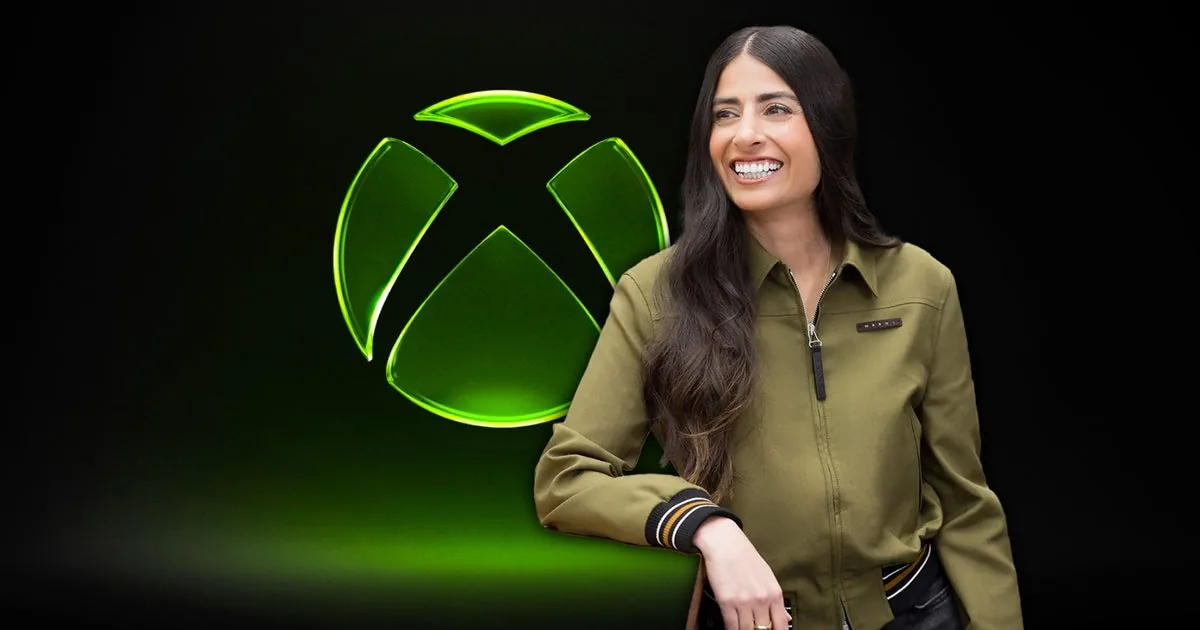
Addressing the latest Xbox sale rumors directly, Sharma delivered an unequivocal response during her profile with The New York Times. When asked point-blank whether an eventual spin-off or divestiture served as her endgame, Sharma answered without hesitation: “Xbox is not for sale” [1]. The chief executive made clear that structural innovation remains separate from a corporate sell-off. Sharma stated that leadership will “do whatever it takes” to ensure commercial viability, explaining that Microsoft plans to assess suitable partnerships and organizational models without liquidating its platform. While the interviewer characterized her strategic posture as a “bob and weave,” Sharma maintained that Microsoft is committed to a lengthy path forward, emphasizing that leadership will take a patient approach [2].
Sharma brought an unconventional executive background to Microsoft’s gaming division when appointed in February 2026. Before arriving at the interactive entertainment division, Sharma led Microsoft’s CoreAI operations as president and managed executive logistics as chief operating officer at Instacart, entering gaming from an enterprise technology background [3]. Instacart was her prior employer. Sharma emphasized that Xbox retains an active base of roughly 500 million monthly players, offering extensive runway to expand without divesting core platform assets [1].

Corporate leadership in Redmond quickly reinforced Sharma’s strategic reassurances. Microsoft chief executive Satya Nadella backed the transition toward a sustainable business model, confirming that corporate headquarters expects the interactive entertainment group to achieve renewed financial expansion across fiscal year 2027 [1]. Vikki Blake of GamesIndustry.biz highlighted that Nadella welcomed the operational discipline, anticipating profitable returns as Sharma’s restructuring takes full effect [3].
Studio Reassignments Reshape Activision and Bethesda Operations
Instead of selling studios to external buyers, Microsoft initiated a comprehensive internal reorganization by shifting prominent properties under its established publishing entities. Earlier this month, Xbox transferred stewardship of the entire Halo franchise to Activision to direct a brand-new title in the legendary series [4]. Rare and World’s Edge—the seasoned studio responsible for the Age of Empires franchise—were also placed under corporate oversight at Activision [2]. To many gaming observers, transferring core properties made it seem as though Activision had taken control of Xbox rather than the reverse. Simultaneously, Microsoft folded Obsidian Entertainment under Bethesda to continue active development on an unannounced Fallout project [4].
This reallocation left only a small core of first-party creators directly under the central Xbox Game Studios banner. The streamlined roster now includes The Coalition (developing Gears of War), Playground Games (Fable and Forza), Mojang (Minecraft), InXile Entertainment (Clockwork Revolution), and personnel remaining at Halo Studios [2]. Few first-party teams remained centralized. Microsoft is also accelerating development cycles on major properties like Fallout and Diablo, with a new Diablo entry scheduled for 2029. Kotaku reporter Ethan Gach observed that gutting Halo Studios and restarting the franchise from scratch represents a strategic gamble that could take five years to demonstrate profitability [5].

Such drastic organizational consolidation created friction across developer networks. Experienced staff departed as workforce reductions and studio consolidation disrupted creative pipelines [2]. Jon Clarke of PlayDayOne noted that consolidating teams under Activision Blizzard represents the most significant restructuring in platform history [4].
Slowing Game Pass Growth Forces Commercial Adjustments
Beyond internal cuts, Xbox sale rumors were also propelled by slowing momentum across digital subscription ecosystems. Vikki Blake of GamesIndustry.biz reported that Xbox Game Pass subscriber numbers previously reached a record peak of 34 million before beginning an unexpected downward trajectory. That plateau prompted Microsoft to alter its flagship distribution policy by withdrawing from releasing new Call of Duty entries directly onto Game Pass on day one. Corporate leadership feared that offering blockbuster shooters within an all-you-can-play subscription tier was cannibalizing high-margin standalone retail sales [3]. With hardware demand declining in tandem with flattened subscription numbers, leadership recognized that aggressive capital expenditures required immediate structural recalibration [5].
Three months ago, following the Xbox Games Showcase, Sharma initiated what she designated the most significant overhaul in platform history to realign software and hardware divisions [4]. Can targeted cloud distribution offset slowing domestic console engagement? Rather than relying strictly on Western retail channels, Sharma outlined expansion plans targeting South Asia, Africa, and Latin America through cloud-streaming infrastructure. Cloud infrastructure unlocks emerging regions. By extending cloud distribution to non-console screens, Sharma aims to convert portions of Microsoft’s 500 million monthly active users into paying subscribers without requiring costly dedicated hardware [3].
Simultaneously, Xbox bolstered its first-party publishing lineup through selective partnership agreements. Sharma recently finalized an agreement with Kojima Productions to publish the upcoming action-stealth title Physint after competitor PlayStation chose to withdraw its financial backing. Physint secured Microsoft publishing support. Partnering directly with renowned independent creators confirms that Microsoft remains eager to finance high-caliber platform exclusives when the contractual conditions align with its commercial criteria [2].

Hardware Commitments Continue Through Next-Generation Project Helix
While persistent Xbox sale rumors suggested that Microsoft might abandon dedicated home consoles, Game Rant confirmed that engineering teams remain committed to hardware. The engineering group is actively developing next-generation console hardware internally designated as Project Helix [1]. Project Helix designates next-generation hardware. In the immediate term, Xbox is relying on prominent first-party software to anchor console demand, highlighted by the imminent release of Gears of War: E-Day from developer The Coalition next week and InXile Entertainment’s steampunk role-playing game Clockwork Revolution arriving next year. These software commitments demonstrate that Microsoft is maintaining exclusive console experiences while reshaping its wider publishing apparatus [2].
Sharma’s operational adjustments prove that Xbox can thrive under Redmond’s rigorous accountability standards rather than facing liquidation. The consolidation of development houses under Activision Blizzard and Bethesda, the empowerment of independent studios, and cloud expansion into Africa and Latin America collectively represent a revised operating structure designed to satisfy Microsoft’s executive suite [3]. Redmond demands disciplined accountability margins. By recalibrating expenditure to align with 500 million monthly players, Sharma intends to deliver the revenue growth that Satya Nadella forecast for fiscal year 2027 [1].
By answering ongoing Xbox sale rumors with a resolute denial, Asha Sharma established that Microsoft’s gaming enterprise remains an integral asset. The division enters a pivotal period where disciplined production schedules, partnerships, and upcoming hardware must justify its standing within Microsoft’s tech empire [1]. The upcoming release cycle will test whether Sharma’s structural reset can convert executive restructuring into sustainable commercial momentum [2].
- ONLINE NEWS Bošnjak, D. (2026, September 30). Asha Sharma Issues Statement on Xbox Sale Rumors. Game Rant. [Article Link]
- ONLINE NEWS Serin, K. (2026, September 30). Xbox CEO Asha Sharma says Microsoft’s not selling its console division, despite mass layoffs and studio restructuring: “We will do whatever it takes”. Eurogamer.net. [Article Link]
- ONLINE NEWS Blake, V. (2026, September 30). Xbox CEO Asha Sharma insists “Xbox is not for sale”. GamesIndustry.biz. [Article Link]
- ONLINE NEWS Clarke, J. (2026, September 30). ‘Xbox is Not For Sale’ Says Xbox CEO Asha Sharma. PlayDayOne. [Article Link]
- ONLINE NEWS Gach, E. (2026, September 30). Asha Sharma Says ‘Xbox Is Not For Sale’ Amid Concerns Microsoft’s Gaming Business Is Being Streamlined For A Spin-Off. Kotaku. [Article Link]


