




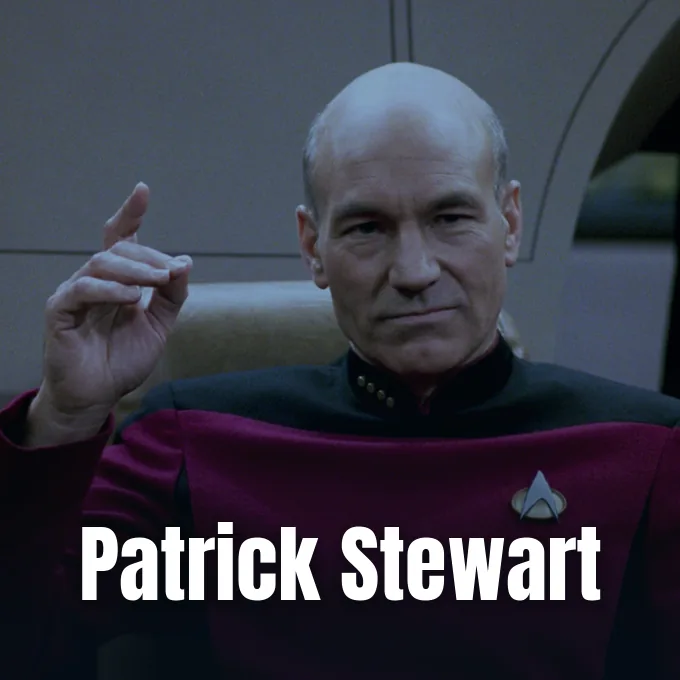
British actor Patrick Stewart, who gained worldwide recognition as Captain Jean-Luc Picard on Star Trek: The Next Generation, died at age 86 at his Los Angeles home. His fictional character guided the starship USS Enterprise through deep space while showing that calm inquiry, moral clarity, and intellectual rigor belonged at the center of exploration. For thousands of working scientists, engineers, and researchers, that portrayal became a lasting model for leadership. He died on October 28 after living with Alzheimer’s disease and Lewy body dementia [2].
Passing of Patrick Stewart in Los Angeles
Spokesperson Kelly Bush Novak announced that Patrick Stewart died on Wednesday, October 28, at his residence in California. Novak shared that the actor was held “in the warm embrace of family and friends” during his final hours, surrounded by live music, prayer, laughter, and tears after a lifetime of creative work. She added that companions would cherish the peaceful reflection on his face as a reminder of his “invincible grace.” Family members remained beside him while colleagues and admirers across the entertainment industry sent tributes [2].
The loss occurred days after fellow franchise veteran Walter Koenig passed away, creating grief for multiple generations of science fiction enthusiasts. Stewart spent his final weeks resting quietly in Southern California as medical teams managed his dual diagnosis of Alzheimer’s disease and Lewy body dementia. Personal caregivers and family members stayed beside him throughout those final quiet days [2].

Leadership Principles on the Enterprise
Patrick Stewart portrayed Captain Jean-Luc Picard aboard the starship USS Enterprise during an intergalactic journey set in the twenty-fourth century. While earlier television captains often relied on physical combat to resolve disputes, Picard solved diplomatic standoffs through patience, careful listening, and deep respect for unfamiliar civilizations. For many researchers working in academic laboratories, that fictional command post served as a practical demonstration of how effective leaders manage complex investigations in university environments. Sarah Bickerton, a public-policy researcher at the University of Auckland in New Zealand, said that the captain always gathered diverse perspectives before acting on difficult policy choices [1].
Bickerton said Picard’s first instinct was “to consider all angles and to ask questions” before making operational commitments. She observed that Picard regularly consulted crew members across every rank, ensuring that junior personnel contributed their direct observations to major decisions. That habit shaped her own academic career in New Zealand, where she consults her research assistants and graduate students on important policy decisions [1].
The Philosophy of Bettering Humanity
The moral philosophy of Captain Picard reached one of its clearest moments in the 1996 feature film Star Trek: First Contact. In that story, Picard travels back in time to the twenty-first century and encounters people who remain puzzled by the social systems of his future era. He explains that in the twenty-fourth century, money does not exist and humanity has abandoned financial accumulation. Instead, Picard says that human society works “to better ourselves and the rest of humanity,” offering a vision that many working scientists still quote today. Bickerton said that the message carries profound significance for research institutions, noting that scientists are driven by “the search for knowledge and just to learn and understand” [1].
The concept that curiosity should serve human welfare helped connect speculative television with modern laboratory ethics [1]. That perspective also helped the franchise reach new generations of enthusiasts, from television viewers to tabletop players exploring MTG Star Trek tabletop releases inspired by Federation history. Stewart gave that philosophical vision an enduring voice through his calm screen presence.


Scientists on Captain Picard
The character inspired technical leaders across major aerospace institutions. In a 2025 interview with Kentucky Alumni magazine, Tracy Drain, a flight systems engineer at NASA’s Jet Propulsion Laboratory in Pasadena, California, shared how Picard shaped her understanding of managerial leadership. Drain loved how the fictional commander guided technical specialists through high-stakes uncertainty without resorting to intimidation. She said that Picard remained “even-keeled, respectful, kind to everyone” while encouraging team members to “think outside the box” during complex space flight challenges [1].
Other researchers echoed those feelings on social media platforms following news of the actor’s passing. Jordan Harrison, a psychologist in Ann Arbor, Michigan, wrote on Bluesky that watching Picard in his youth nurtured “an ethic of care for others” along with memories of “bonding with my dad” over space and astronomy. Tributes across the scientific community included an astrophysicist who reflected that Stewart had served as “the captain of my childhood” during formative years of study [1].
From King Arthur to Deep Space
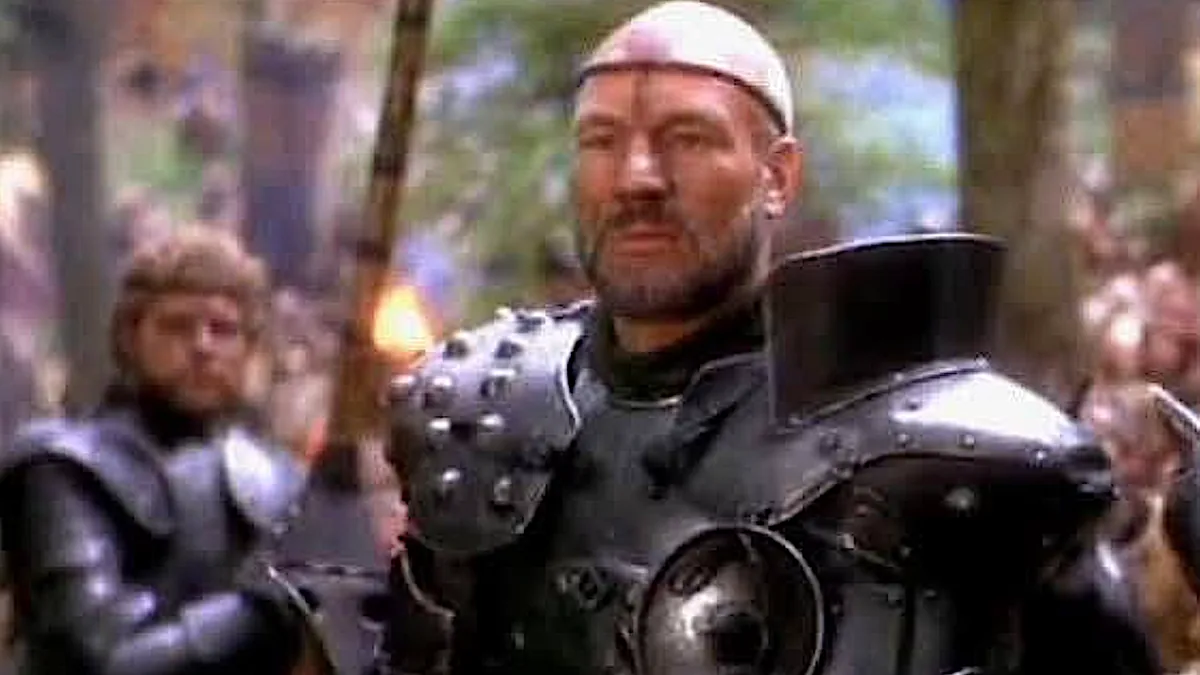
Before boarding the Enterprise, Patrick Stewart built an extensive acting reputation in British theater and feature films. Audiences first saw his commanding screen presence in director John Boorman’s 1981 King Arthur film, Excalibur. In that production, Stewart portrayed King Leodegrance of Cameliard, ruling as Queen Guinevere’s warrior father in the Arthurian saga. In 1984, he entered the science fiction realm when David Lynch cast him in an adaptation of Frank Herbert’s novel Dune. Stewart portrayed War Master Gurney Halleck, a loyal military officer who served as mentor and protector to young Paul Atreides, demonstrating his theatrical range to American cinema audiences [2].
Television producers cast Stewart as Captain Picard in Star Trek: The Next Generation, which premiered in 1987. The show ran from 1987 to 1994, encompassing 178 episodes across seven seasons. The series captivated millions of television viewers as Picard resolved crises involving Romulans, Klingon factions, Cardassian operatives, and the cybernetic collective known as The Borg [2].

His television run linked Stewart with an international community of science enthusiasts who tracked every development in Federation lore. That era connected with earlier cast histories, such as the career commemorated when Michael Forest, Apollo on Star Trek and voice actor who appeared in the original series, passed away. Picard created a fresh standard for speculative storytelling that inspired generations of viewers [2].
Stage Legacy and Patrick Stewart
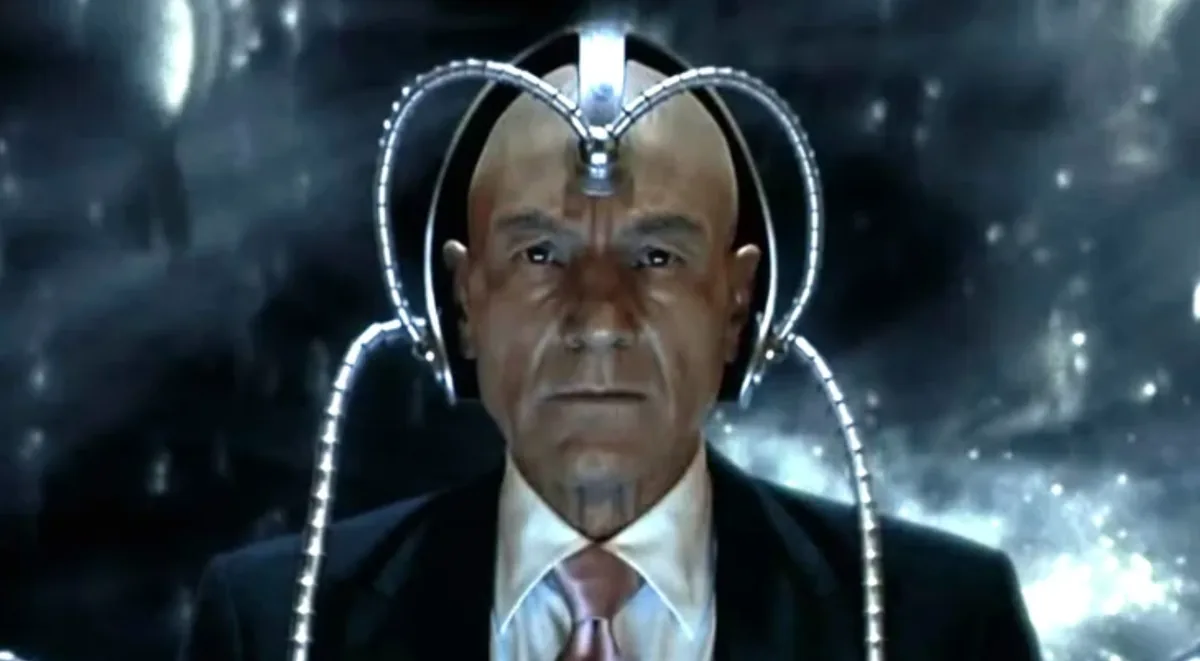
Following the conclusion of the television series in 1994, Stewart continued his journey by headlining four cinematic releases: Generations in 1994, First Contact in 1996, Insurrection in 1998, and Nemesis in 2002. Stewart also reprised the role in three seasons of Paramount+’s Star Trek: Picard, which ran from 2020 to 2023. Beyond space exploration, he reached a massive global audience in Marvel’s film adaptations, introducing mutant leader Professor Charles Xavier in the 2000 release of X-Men, returning for the 2003 sequel X2: X-Men United and 2006’s X-Men: The Last Stand, with later returns in Days of Future Past in 2014 and Logan in 2017 [2].
The actor and character also appeared in 2009’s X-Men Origins: Wolverine and 2013’s The Wolverine, and will do so again in Avengers: Doomsday around Christmas this year. Stewart was always a popular attraction at comic conventions worldwide, where fans gathered to celebrate his stage monologues and science fiction roles [2].
Aside from his franchise roles, Stewart maintained a career spanning radio, stage, and screen. One memorable project was his one-man stage production of Charles Dickens’ novella A Christmas Carol, in which he performed every character, captured on a two-disc CD set. In 2010, Queen Elizabeth II knighted him for services to drama. Patrick Stewart leaves behind a legacy that brought gravitas and humanity to every performance across seven decades of artistic work [2].
- ONLINE NEWS Basu, M. (2026, October 30). Patrick Stewart dies: how Captain Picard inspired today’s science leaders. Nature. [Article Link]
- ONLINE NEWS Spry, J. (2026, October 29). Patrick Stewart, renowned actor and ‘Star Trek’s’ Captain Picard, dies at 86. Space.com. [Article Link]
APA 7: PerEXP Teamworks. (2026, October 31). Patrick Stewart, Star Trek’s Captain Picard, Dies at 86. PerEXP Teamworks. https://perexpteamworks.com/en/patrick-stewart-dies-star-trek/


