





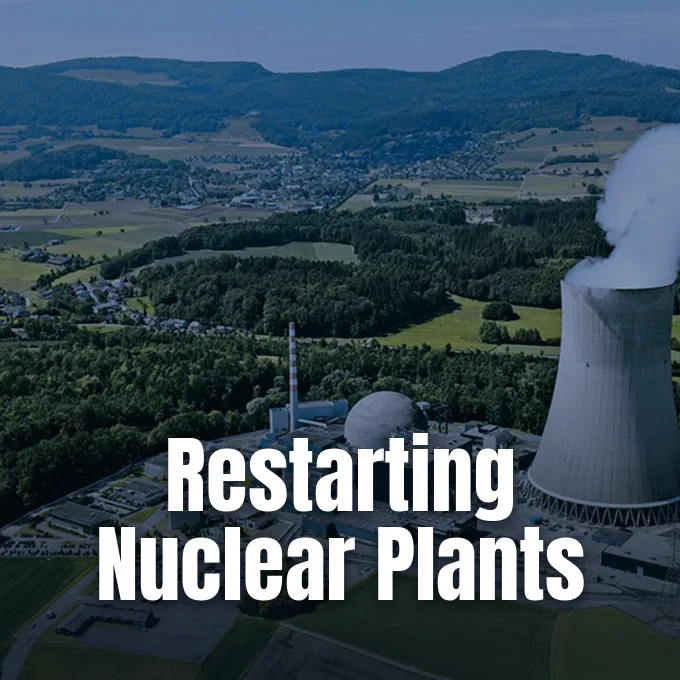
The United States is moving to bring three shut-down nuclear power plants back online to feed artificial intelligence data centers, with units in Michigan, Pennsylvania, and Iowa scheduled to return to service between 2027 and 2029. Together, the three sites are expected to supply 2.25 gigawatts of power to the grid, an output sufficient to cover the energy needs of two million homes and businesses based on figures from The Los Angeles Times [1, 2]. The effort marks a shift toward restarting nuclear reactors that were retired or facing active dismantling. Tech giants like Microsoft and Google are backing these sites because AI server hubs need round-the-clock power that wind and solar farms cannot provide alone [1, 2].
Three Closed Plants Selected for AI Power
Palisades Nuclear Plant in Michigan, the Crane Clean Energy Center on Three Mile Island in Pennsylvania, and the Duane Arnold Energy Center in Iowa are the three facilities picked for recommissioning. All three plants were shut down after utility bosses decided they were too costly to run. High upkeep and wage bills made nuclear watts pricier than power from gas or renewables. But the rapid spread of AI data centers has altered energy economics over the past three years. Server operators struggle to link new sites to the grid, making existing power stations with ready transmission lines deeply valuable to tech firms [1, 2].
The Palisades plant in Covert Township, Michigan, was retired in 2022, nine years ahead of its operating license expiry, after its previous owner chose to leave the nuclear power sector. It was undergoing active decommissioning when owner Holtec Palisades decided to reverse course [1, 2]. TechRadar writer Craig Hale reported that the project marks the first time a commercial reactor has been put back to work after dismantling work had already begun [1].
Work at the Michigan site is moving swiftly. The plant loaded fresh fuel in August 2026. Holtec Palisades is furthest along. Engineers expect the facility to generate 800 megawatts of electricity by March 2027 [2].
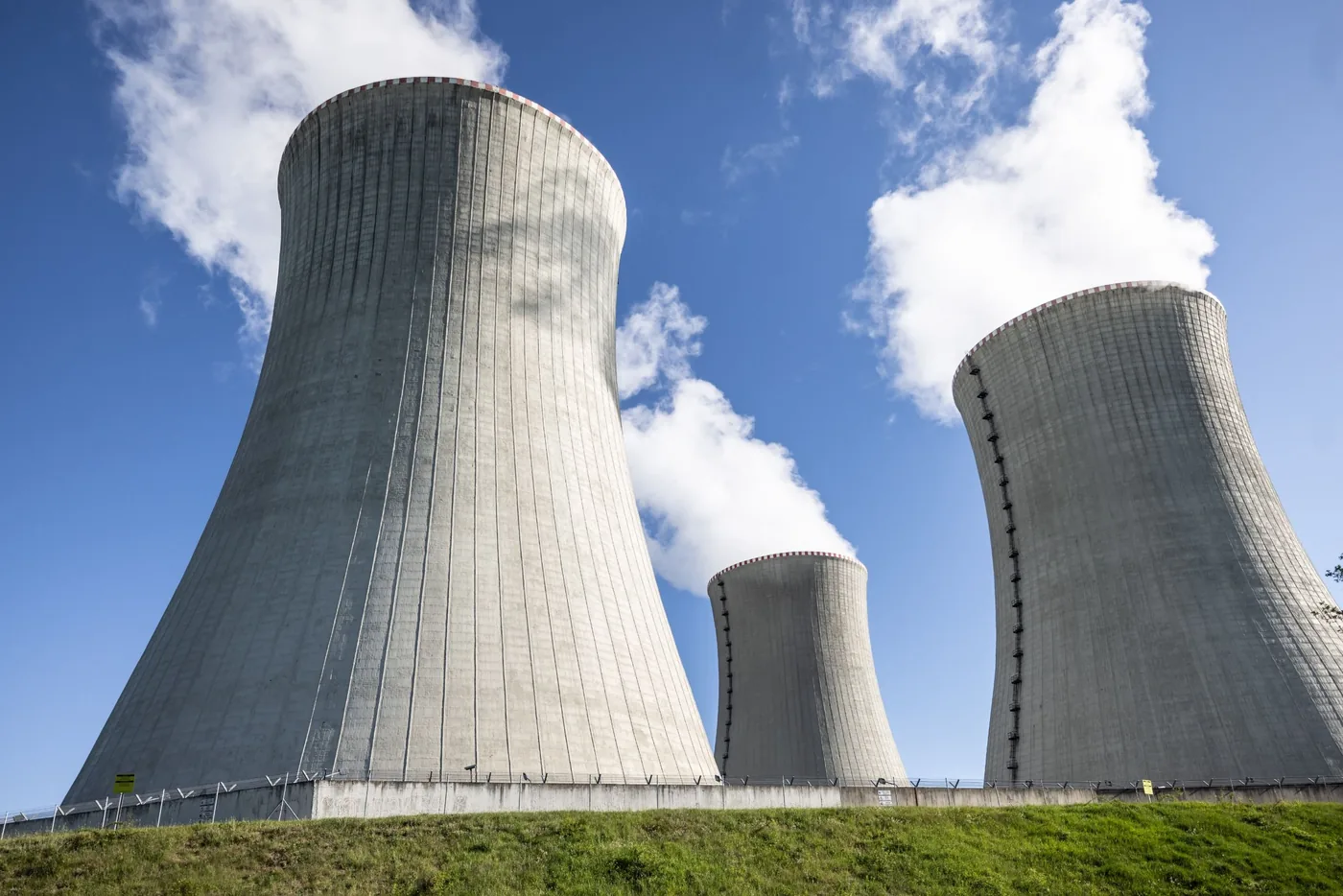
Restarting Nuclear Reactors with Federal Loans
Federal agencies are backing these plant restarts through major loan guarantees issued by the US Department of Energy. The federal government has pledged up to $4.4 billion in loans to help utilities fund the heavy engineering overhauls needed to bring inactive reactors back to life [1]. Holtec Palisades secured its federal loan backing under a 2024 nuclear energy program set up by the Biden administration. Later loan allocations for other sites were arranged under federal energy pushes advanced in 2025 [2]. The funding reflects Washington’s push to secure abundant baseload power for computing clusters while keeping carbon emissions low [1].
These loan programs align with an executive order issued in May 2025 that set a target to quadruple American nuclear capacity from approximately 100 gigawatts in 2024 to 400 gigawatts by 2050. Todd Allen, an expert in nuclear engineering, pointed out that nuclear generation meets two political goals at once. “For anyone who wants zero carbon, nuclear provides that,” Allen said. He added that “for the Trump administration, which really wants nuclear, this fits that story also” [1].
Power purchase agreements have also been crafted to keep everyday electricity users from bearing the financial risks of these multi-billion-dollar plant repairs. NextEra Energy CEO John Ketchum said that his firm was pleased with its supply deal with Google because “none of the costs are being paid by residential customers in Iowa”. Tech firms are willing to pay a premium for guaranteed electricity today rather than wait decades for new grid lines [2].

Palisades Plant Targets March 2027 Return
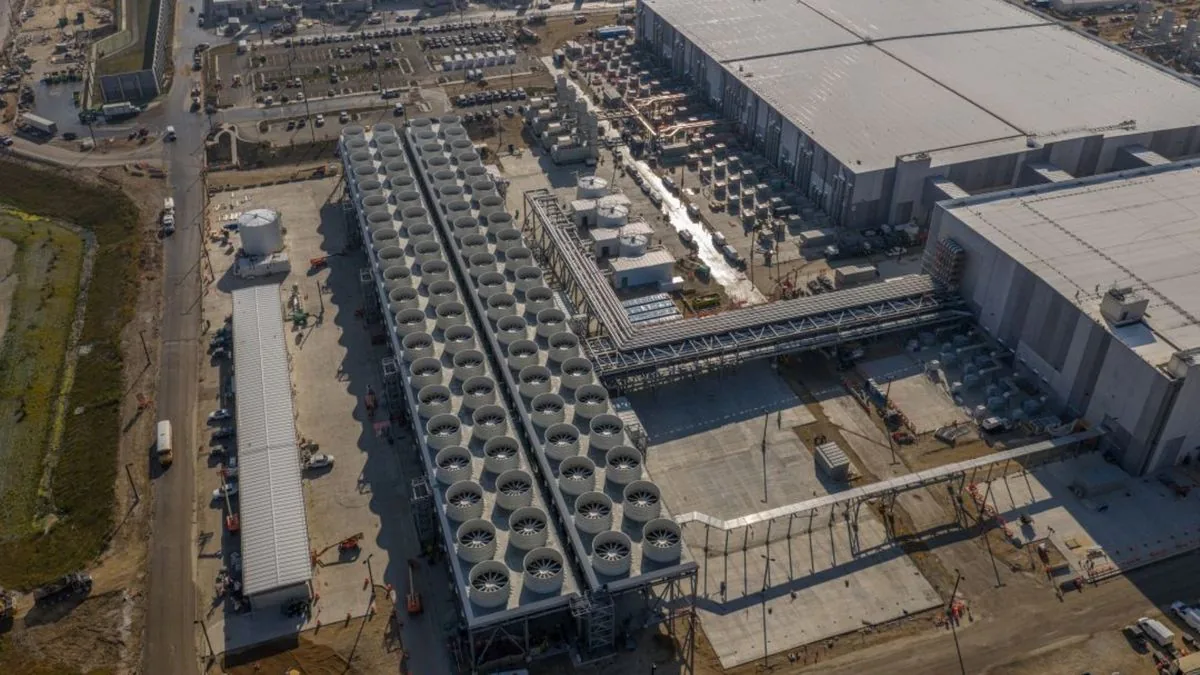
Because Palisades is furthest along among the three sites, its quick return offers a clear timetable for what restarting nuclear reactors entails in practice as engineers inspect cooling loops and replace outdated electrical controls [1, 2]. The plant faces strict supply agreements. Power contracts tied to the Michigan station stipulate that the unit must resume delivering power by March 2027. That gives engineers half a year to finish tests [1]. Holtec Palisades loaded fuel into the reactor core in August 2026, marking a critical step toward restoring the 800-megawatt plant to full output [2].
The Nuclear Regulatory Commission (NRC) maintains ultimate authority over whether any dormant plant can resume commercial generation. Before Unit 1 on Three Mile Island can load fuel, it must secure formal approval from federal regulators following safety checks. The commission has not granted fuel clearance [2].
Federal regulators must verify that years of mothballing have not compromised reactor pressure vessels or emergency cooling systems. Safety inspections on Unit 1 have already taken place, but the agency must issue final clearance before engineers can load fuel rods. Tom’s Hardware contributor Bruno Ferreira pointed out that while safety advocates worry about reactivating aging hardware, supporters argue that refurbished plants undergo the same rigorous oversight as brand new builds [2].

Three Mile Island and Duane Arnold Projects
In Pennsylvania, Constellation Energy is spending $1.6 billion to bring Unit 1 back online at the Crane Clean Energy Center on Three Mile Island. The project started in 2024, and the firm took a $1 billion loan from the Department of Energy in 2025 to finance the work. Microsoft has signed on as the primary power buyer under a direct 20-year supply contract to feed its expanding cloud clusters in the mid-Atlantic region [1, 2]. Constellation expects the facility to bring 835 megawatts online sometime in 2027 [2].
Unit 1 is separate from the damaged Unit 2 on Three Mile Island. Unit 2 suffered a partial meltdown in 1979. That incident had relatively mild environmental effects, but the damaged unit was closed forever. Unit 1 continued running without major issues until 2019 [2].
In Iowa, the Duane Arnold Energy Center is preparing to return to the grid through a partnership between NextEra Energy and Google that will supply 615 megawatts of power starting in 2029 [1, 2]. Google bought all 615 megawatts. NextEra Energy will manage site operations while Google uses the clean power to run server parks across the Midwest [1, 2]. The deal keeps local electricity rates stable. Tech firms need guaranteed clean power, and recommissioned reactors provide ready gigawatts that would otherwise take decades to permit and build from scratch [1, 2].
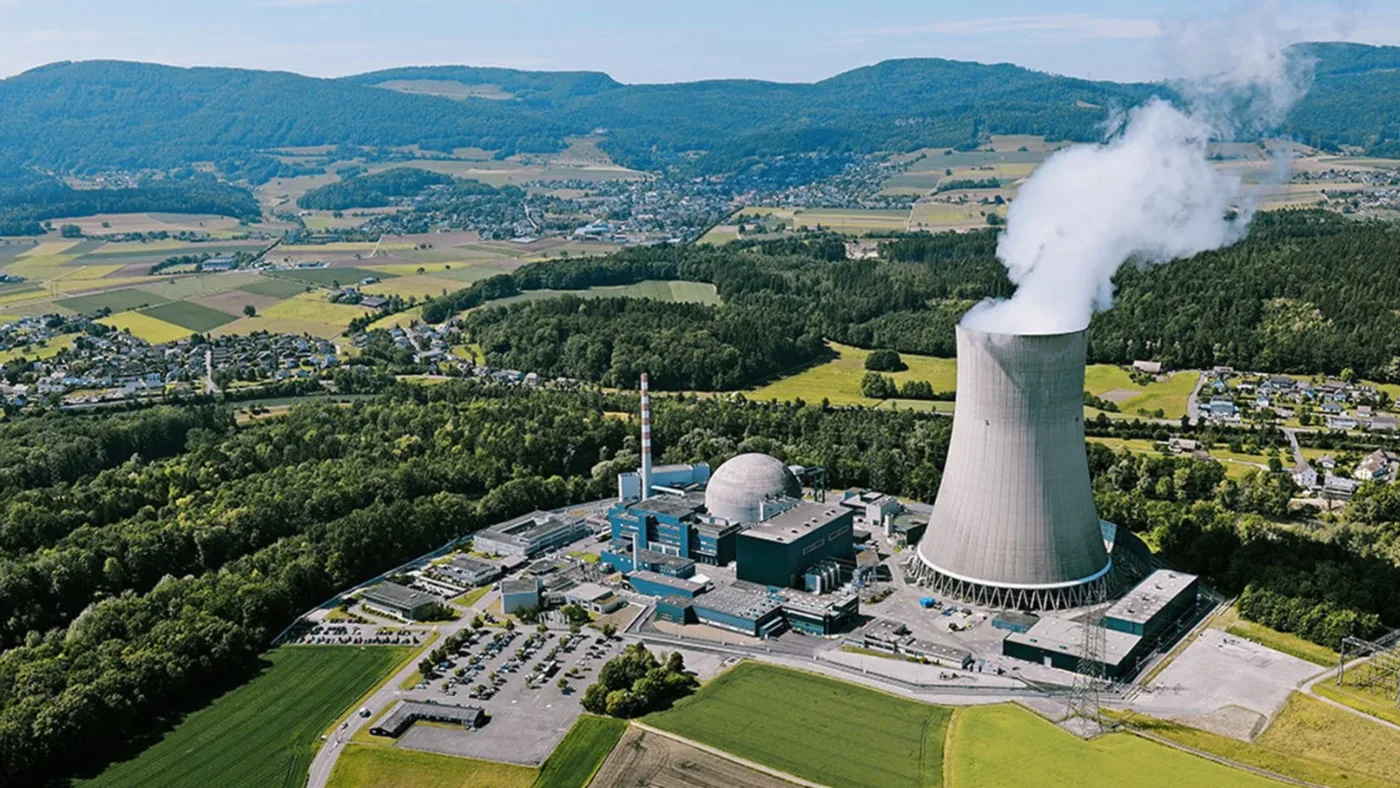
Restarting Nuclear Reactors Meets Grid Strain
The rush to bring decommissioned nuclear facilities back into service is driven by dramatic forecasts for future electricity consumption from computing infrastructure. In Michigan alone, data center campuses are projected to need between 1.2 and 2.3 gigawatts of power around 2030, a figure that easily surpasses the entire output of the Palisades plant. Pennsylvania’s projected demand from computing facilities spans a wide range of 0.8 to 3.4 gigawatts, while Iowa utilities anticipate data center draws between 1.55 and 2.8 gigawatts [2]. Craig Hale reported in TechRadar that the combined 2.25 gigawatts from all three reopened sites will supply the equivalent electricity needed for two million homes [1].
These state-level energy estimates remain loose projections. Timetables could slip due to shifting economic conditions, hardware availability, or community pushback against vast server hubs. But grid planners see electricity supply as the primary constraint on future tech growth [2].
Although restarting nuclear reactors provides an immediate path to reliable clean energy, the strategy highlights growing friction between private corporate power demands and local communities who must live next to aging nuclear reactors [1, 2]. Local residents have voiced concerns. They question whether restarting older reactors simply to feed server clusters serves the public interest. Bruno Ferreira reported in Tom’s Hardware that with grid bottlenecks blocking data center construction across the country, tech giants are determined to pay top dollar to secure nuclear power today [2].
- ONLINE NEWS Hale, C. (2026, October 21). Three dormant US nuclear reactors are being restarted to power AI data centers. TechRadar. [Article Link]
- ONLINE NEWS Ferreira, B. (2026, October 20). US restarts three shut-down nuclear reactors to feed AI data centers — 2.25 GW coming online with backing from Microsoft and Google. Tom’s Hardware. [Article Link]


