




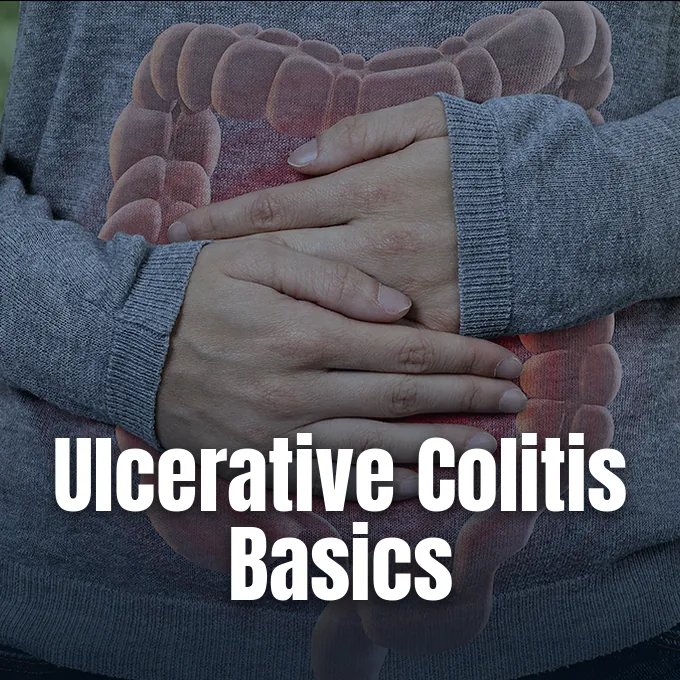
Ulcerative colitis is a chronic inflammatory bowel disease that inflames the inner mucosal lining of the colon and rectum, creating painful ulcers that trigger recurrent bouts of bloody diarrhea and abdominal cramping. Unlike conditions that inflame the entire digestive tract across deeper muscular layers, this disease stays confined to the large bowel, where mucosal injury spreads continuously upward from the rectal opening. Clinical estimates indicate that the condition affects more than 400 per 100,000 people in North America, with total cases in the United States alone ranging between 600,000 and 900,000 [2].
What Is Ulcerative Colitis?
The disorder belongs to a wider group of digestive conditions known as inflammatory bowel disease. It shares several clinical features with Crohn’s disease while displaying distinct anatomical boundaries. While Crohn’s disease can attack any part of the digestive tract from the mouth to the anus, ulcerative colitis attacks only the large intestine [14].
This chronic disease follows an unbroken path upward from the rectum, leaving no patches of healthy tissue between inflamed zones. Symptoms typically surface between the ages of 15 and 30, though a smaller second peak appears later in life between ages 50 and 80 [15]. Men and women face an equal risk of developing the illness, which tends to run in families and appears most often in urban centers and northern regions [16]. Most patients experience an unpredictable cycle of active flares followed by variable intervals of clinical remission, during which gut inflammation subsides and daily bowel function returns toward normal. Flare-ups can last anywhere from several days to many months, bringing on debilitating fatigue, weight loss, and joint discomfort [12].
About half of all affected people manage mild symptoms during flares, while others endure sudden attacks marked by persistent bleeding, high fevers, and dangerous dehydration [11]. The main goal of medical care is to calm mucosal irritation early, help the lining heal, and keep patients in long remission without relying on repeated steroid courses [1]. In up to 15% of patients, the initial onset presents as an intense attack that needs immediate hospital care [18].

How Mucosal Erosion Causes Bleeding
The main mechanical driver behind digestive symptoms is the ongoing breakdown of the protective mucosal barrier that lines the large bowel. Under normal conditions, this delicate epithelial layer keeps trillions of resident gut microbes from entering deeper intestinal tissues, while letting the colon absorb water and electrolytes from digested food material [13]. When white blood cells invade the mucosal surface, they release inflammatory chemicals that break down surface cells, creating fragile ulcerations that bleed easily under the friction of passing stool [17].
Rectal bleeding affects an estimated 90% of individuals living with the illness, ranging from tiny streaks of blood on toilet paper to persistent hemorrhages mixed with pus and mucous discharge. Because the inflamed colon cannot absorb water properly, loose watery stools move through the tract rapidly, forcing patients to make frequent trips to the bathroom. Many people experience painful bowel spasms known as tenesmus, where an inflamed rectal pouch triggers an urgent need to defecate even when the bowel is completely empty. Why do patients wake up repeatedly during the night? Nocturnal defecation occurs because ongoing mucosal irritation stimulates rectal nerve endings even while the body sleeps [18]. Sleep loss and chronic discomfort frequently trigger emotional distress in newly diagnosed individuals [12].
Chronic intestinal blood loss often leads to iron-deficiency anemia, leaving patients exhausted and short of breath during routine daily activities. Systemic inflammation further worsens this fatigue by increasing hepcidin levels, which blocks normal iron absorption in the gut and prevents the body from building healthy red blood cells [18]. Unplanned weight loss often follows prolonged flares [14].
Immune Drivers and Genetic Vulnerability
Scientists know that ulcerative colitis is not contagious, and it does not stem from ordinary psychological stress or poor dietary habits alone. Current evidence indicates that the disease arises when an inherited genetic predisposition encounters an environmental trigger, sparking an abnormal immune reaction against harmless gut microbes and intestinal cells [16]. Normally, the mucosal immune system tolerates friendly bacteria, but in susceptible people, regulatory white blood cells fail to calm inflammation, keeping defensive pathways switched on indefinitely [17].
Family ties provide strong clues about genetic susceptibility, as first-degree relatives of people with inflammatory bowel disease carry an increased lifetime risk of developing the illness [15]. Large genome-wide association studies have identified approximately 30 distinct genetic regions tied to increased disease vulnerability, including the immunoglobulin receptor gene FCGR2A, ORMDL3, ECM1, and regions on chromosomes 1p36, 12q15, and IL23R. People of Ashkenazi Jewish heritage face higher rates of diagnosis than most other ethnic groups, while prevalence remains lower in rural regions of South America and Asia [16]. Curiously, population studies show that surgical removal of the appendix during childhood provides a protective effect against developing the condition later in life. Researchers believe appendectomy alters early lymphoid signaling in the cecum [18].

Environmental triggers can also provoke sudden relapses in people whose disease is otherwise resting quietly in remission. Common non-steroidal anti-inflammatory drugs (NSAIDs), such as ibuprofen, naproxen, and aspirin, can irritate the stomach and intestinal lining, prompting acute flare-ups that require medical adjustment [12]. In contrast, doctors usually recommend acetaminophen for mild pain relief [18].
Anatomic Patterns in the Large Bowel
Gastroenterologists classify the condition by looking at how far inflammation extends upward from the rectum along the large bowel. When inflammation stays confined strictly to the rectal pouch, doctors diagnose ulcerative proctitis. This is usually the mildest form and often presents with intermittent rectal bleeding and tenesmus without significant systemic symptoms [16].
If the inflammatory reaction moves higher to involve both the rectum and the sigmoid colon, the diagnosis becomes proctosigmoiditis, which frequently causes bloody diarrhea and lower-left abdominal cramps. When disease spreads beyond the sigmoid colon up through the descending colon to the splenic flexure, it is termed left-sided colitis. Inflammation that engulfs the entire large intestine from the rectum all the way to the cecum is called pancolitis or universal colitis, which carries greater risks of high fevers, heavy weight loss, and nutritional failure [16]. In about 10% to 20% of patients with pancolitis, inflammation spills slightly past the ileocecal valve into the final stretch of the small intestine, a harmless phenomenon known as backwash ileitis [18].
The anatomical extent established at diagnosis tends to stay stable over time, but up to 10% of people with limited proctitis eventually see disease advance into left-sided colitis or pancolitis [16]. A small fraction of patients, roughly 10% to 15%, develop acute severe ulcerative colitis, an intense presentation marked by more than six bloody stools daily, rapid heart rates, high fevers, and elevated systemic inflammation markers. This presentation requires hospital care to prevent toxic megacolon, where the colon wall widens past 6 centimeters [18].


Symptoms Beyond the Digestive Tract
Although the primary battle takes place within the colon lining, the systemic nature of immune activation means that other body systems can become inflamed as well. Extraintestinal manifestations occur in approximately 25% to 27% of patients, sometimes emerging months or years before digestive troubles even start [2, 11]. Joints are affected most often: peripheral arthritis can bring migratory swelling and stiffness to knees, ankles, and wrists during bowel flares, while axial conditions like sacroiliitis and ankylosing spondylitis inflame the lower spine and pelvis regardless of gut activity [18].
Skin complications also reveal the widespread reach of underlying immune dysregulation. Up to 3% of patients develop erythema nodosum, which produces tender, raised red nodules along the shins and arms that usually disappear once bowel inflammation is brought under control. A more destructive skin problem called pyoderma gangrenosum occurs in about 1% of patients, forming painful blisters that break down into sterile ulcers and may require targeted biologic treatments. Small mouth ulcers, known as aphthous stomatitis, occur in about 8% of individuals, adding discomfort during eating [18]. Why do these distant body organs become inflamed? Circulating immune complexes and shared mucosal antigens trigger white blood cells to target connective tissues far beyond the bowel wall [17].
Eyes and liver pathways also demand watchful monitoring by healthcare teams. Ocular inflammation can cause episcleritis and uveitis, leading to deep eye pain, burning redness, and sharp sensitivity to bright light [13, 18]. Meanwhile, chronic inflammation can damage liver bile ducts, causing primary sclerosing cholangitis (PSC) and raising blood clot risks threefold [15, 18].

Diagnostic Tests for Ulcerative Colitis
Because no single laboratory marker can pinpoint the condition on its own, doctors build an accurate diagnosis by combining clinical history, blood tests, stool evaluations, and endoscopic exams. Blood tests reveal low red blood cell counts from subtle internal bleeding, while elevated white blood cell counts, C-reactive protein, and sedimentation rates signal active systemic inflammation [16]. Serum tests checking for atypical perinuclear anti-neutrophil cytoplasmic antibodies (p-ANCA), combined with negative anti-Saccharomyces cerevisiae antibodies (ASCA), provide additional diagnostic clues that help separate the condition from Crohn’s disease [18].
Stool tests play a crucial role by measuring fecal calprotectin, a protein shed by white blood cells that reflects mucosal inflammation before physical signs become severe. High calprotectin levels alert clinicians to active intestinal injury, making it a reliable tool for tracking flare-ups and evaluating how well prescribed drugs are working without needing frequent endoscopic scans [16].
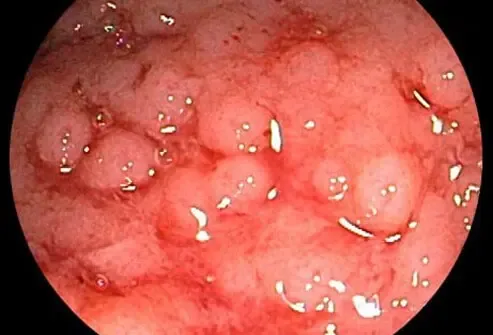
The definitive step in confirming ulcerative colitis remains direct visualization through colonoscopy or flexible sigmoidoscopy paired with tissue biopsy. A specialist inserts a thin, lighted tube with a tiny camera into the rectum to inspect the colon lining for redness, swelling, and mucosal erosion [12]. Small tissue samples gathered during the procedure are examined under a microscope, where pathologists look for architectural changes in intestinal crypts and plasma cell infiltration [18]. Standardized tools like the Mayo score and the Ulcerative Colitis Endoscopic Index of Severity (UCEIS) help clinicians quantify endoscopic damage and tailor treatment intensity [1, 10]. Accurate visual scoring ensures that patients receive the correct drug class without unnecessary delay [10].
Medical Treatments for Clinical Remission
Modern management divides medical treatment into two clear phases: inducing remission to quench acute flares, and maintaining remission to stop inflammation from returning over the long run [18]. For mild to moderate disease, 5-aminosalicylates (5-ASAs) serve as the foundational first-line therapy, working topically on the colon lining to reduce inflammatory chemical production [1, 8]. Formulations like mesalamine, sulfasalazine, balsalazide, and olsalazine can be taken orally as delayed-release capsules or delivered locally into the rectum via suppositories and retention enemas. Patients taking sulfasalazine routinely take 1 milligram of folic acid daily to protect healthy cell division [18].
When disease activity flares beyond the reach of aminosalicylates, physicians turn to corticosteroids like prednisone or extended-release budesonide to bring swift relief. Budesonide tablets, approved under brand names such as Uceris at a 9-milligram daily dose, act locally in the colon and break down quickly in the liver, sparing patients many systemic steroid side effects [20]. Because prolonged steroid use causes bone thinning, high blood pressure, and mood swings, doctors taper these drugs off as soon as possible and never use them for long-term maintenance. For patients with moderate to severe disease who fail first-line options, targeted biologic therapies provide powerful alternatives [1, 2]. These medications block specific inflammatory pathways to restore intestinal stability [2].

Biologics and small-molecule drugs target specific inflammatory chemicals rather than dampening the whole immune system indiscriminately. These therapies include tumor necrosis factor blockers like infliximab and adalimumab, gut-selective anti-integrins such as vedolizumab, and interleukin-12/23 inhibitors like ustekinumab [5, 6]. Oral Janus kinase inhibitors like tofacitinib provide needle-free alternatives that rapidly induce remission [4].
Why Ulcerative Colitis Defies Surgical Cure
For decades, medical textbooks described proctocolectomy—the total surgical removal of the colon and rectum—as the definitive cure for ulcerative colitis. Because the disease only attacks the large bowel, removing the diseased organ stops mucosal ulcerations and eliminates the heightened risk of colorectal cancer [15]. Today, surgeons can perform an ileal pouch-anal anastomosis, commonly called a J-pouch [11, 12].
However, extensive long-term data demonstrate that surgery rarely closes the book on the illness for good. In an influential population-based study in Olmsted County, Minnesota, Dr. Shamina Dhillon and Dr. William J. Sandborn tracked 378 ulcerative colitis patients over 6,360 patient-years to record real-world post-surgical outcomes. Their findings revealed that the cumulative risk of requiring additional unplanned gut surgeries was 28% at 1 year, 53% at 10 years, and 63% at 20 years following colectomy. Furthermore, roughly half of all patients with an ileoanal pouch eventually suffer from pouchitis, a painful inflammatory relapse of the small bowel reservoir that requires antibiotics or biologic therapy. Surgeons also caution that pelvic nerve disruption can reduce fecundity in young women by up to 80% [19].
Post-surgical reality involves other significant physical hurdles that patients must weigh carefully with their surgical team. After J-pouch surgery, the median daily stool frequency remains around eight movements every 24 hours [19]. Meanwhile, patients managing long-standing disease without surgery must undergo surveillance colonoscopies every 1 to 3 years starting 8 years after symptom onset, ensuring that precancerous tissue changes are caught and treated early [15]. These realities highlight why modern gastroenterologists view surgery as a valuable life-saving option when medical treatments fail, rather than an easy cure [19].
- ACADEMIC JOURNAL Rubin, D. T., Ananthakrishnan, A. N., Siegel, C. A., Barnes, E. L., & Long, M. D. (2025). ACG Clinical Guideline Update: Ulcerative Colitis in Adults. The American Journal of Gastroenterology, 120(6), 1187-1224. [Article Link]
- ACADEMIC JOURNAL Gros, B., & Kaplan, G. G. (2023). Ulcerative Colitis in Adults. JAMA, 330(10), 951-951. [Article Link]
- ACADEMIC JOURNAL Danese, S., & Fiocchi, C. (2011). Ulcerative Colitis. New England Journal of Medicine, 365(18), 1713-1725. [Article Link]
- ACADEMIC JOURNAL Sandborn, W. J., Su, C., Sands, B. E., D’Haens, G. R., Vermeire, S., Schreiber, S., Danese, S., Feagan, B. G., Reinisch, W., Niezychowski, W., Friedman, G., Lawendy, N., Yu, D., Woodworth, D., Mukherjee, A., Zhang, H., Healey, P., & Panés, J. (2017). Tofacitinib as Induction and Maintenance Therapy for Ulcerative Colitis. New England Journal of Medicine, 376(18), 1723-1736. [Article Link]
- ACADEMIC JOURNAL Feagan, B. G., Rutgeerts, P. J., Sands, B. E., Hanauer, S. B., Colombel, J., Sandborn, W. J., Assche, G. V., Axler, J. L., Kim, H. J., Danese, S., Fox, I. H., Milch, C. E., Sankoh, S., Wyant, T. L., Xu, J., & Parikh, A. (2013). Vedolizumab as Induction and Maintenance Therapy for Ulcerative Colitis. New England Journal of Medicine, 369(8), 699-710. [Article Link]
- ACADEMIC JOURNAL Sands, B. E., Sandborn, W. J., Panaccione, R., O’Brien, C. D., Zhang, H., Johanns, J., Adedokun, O. J., Li, K., Peyrin-Biroulet, L., Van Assche, G., Danese, S., Targan, S., Abreu, M. T., Hisamatsu, T., Szapary, P., & Marano, C. (2019). Ustekinumab as Induction and Maintenance Therapy for Ulcerative Colitis. New England Journal of Medicine, 381(13), 1201-1214. [Article Link]
- ACADEMIC JOURNAL Sandborn, W. J., Feagan, B. G., D’Haens, G., Wolf, D. C., Jovanovic, I., Hanauer, S. B., Ghosh, S., Petersen, A., Hua, S. Y., Lee, J. H., Charles, L., Chitkara, D., Usiskin, K., Colombel, J., Laine, L., & Danese, S. (2021). Ozanimod as Induction and Maintenance Therapy for Ulcerative Colitis. New England Journal of Medicine, 385(14), 1280-1291. [Article Link]
- ACADEMIC JOURNAL Fritsch, J., Garces, L., Quintero, M. A., Pignac-Kobinger, J., Santander, A. M., Fernández, I., Ban, Y. J., Kwon, D., Phillips, M. C., Knight, K., Mao, Q., Santaolalla, R., Chen, X. S., Maruthamuthu, M., Solis, N., Damas, O. M., Kerman, D. H., Deshpande, A. R., Lewis, J. E.,. Abreu, M. T. (2021). Low-Fat, High-Fiber Diet Reduces Markers of Inflammation and Dysbiosis and Improves Quality of Life in Patients With Ulcerative Colitis. Clinical Gastroenterology and Hepatology, 19(6), 1189-1199.e30. [Article Link]
- ACADEMIC JOURNAL Segal, J. P., LeBlanc, J., & Hart, A. L. (2021). Ulcerative colitis: an update. Clinical Medicine, 21(2), 135-139. [Article Link]
- ACADEMIC JOURNAL Travis, S. P., Schnell, D. J., Krzeski, P., Abreu, M. T., Altman, D. G., Colombel, J., Feagan, B. G., Hanauer, S. B., Lémann, M., Lichtenstein, G. R., Marteau, P. R., Reinisch, W., Sands, B. E., Yacyshyn, B., Bernhardt, C. A., Mary, J., & Sandborn, W. J. (2011). Developing an instrument to assess the endoscopic severity of ulcerative colitis: the Ulcerative Colitis Endoscopic Index of Severity (UCEIS). Gut, 61(4), 535-542. [Article Link]
- WEBSITE Cleveland Clinic. (2023). What Is Ulcerative Colitis? [Article Link]
- WEBSITE National Health Service. (2026). Ulcerative Colitis. [Article Link]
- WEBSITE Harvard Health Publishing. (2020). Ulcerative Colitis. [Article Link]
- WEBSITE Centers for Disease Control and Prevention. (2025). Ulcerative Colitis Basics. [Article Link]
- WEBSITE National Institute of Diabetes and Digestive and Kidney Diseases. (2025). Definition & Facts of Ulcerative Colitis. [Article Link]
- WEBSITE MedicineNet. (2023). Ulcerative Colitis (UC) Symptoms, Treatment, Causes, Diagnosis. [Article Link]
- WEBSITE Advance Study. (2026). How Does Ulcerative Colitis Work? [Article Link]
- WEBSITE Wikipedia contributors. (2026). Ulcerative Colitis. [Article Link]
- ONLINE NEWS MDedge. (2006). Colectomy Not a Final Cure for Ulcerative Colitis, Data Show. [Article Link]
- ONLINE NEWS Healio. (2013). FDA Approves Uceris as Ulcerative Colitis Treatment. [Article Link]


