






Rivian sales numbers climbed to historic highs in the third quarter of 2026, driven by an expanding manufacturing ramp of the new mid-size R2 SUV platform that began reaching customers in June. The Irvine-based automaker announced that it manufactured 19,751 vehicles and delivered 19,248 units across the three-month period ending September 30. That performance represents a 45 percent year-over-year increase in customer deliveries and an 85 percent surge in factory production [1].
How Are Rivian Sales Doing in 2026?
Customer shipments accelerated sharply between July and September after assembly lines in Normal, Illinois integrated the newer mid-size sport utility vehicle. Deliveries surged 58 percent compared to the second quarter of 2026, when the company handed over 12,194 vehicles. Rivian had previously built 10,236 vehicles and delivered 10,365 in the opening quarter of the year. Through the first nine months of 2026, total vehicle deliveries reached 41,807 units [3].
That steady quarterly climb marks a decisive departure from recent operating history. In the third quarter of 2025, Rivian reported 13,201 customer deliveries, capping years where annual sales remained hovering around the 50,000-unit plateau [2, 4]. Executive leadership had spent consecutive reporting cycles explaining stagnant volume while retooling assembly operations for mass consumer adoption. Now, executive leadership projects full-year 2026 deliveries between 65,000 and 70,000 vehicles, up from an earlier target of 62,000 to 67,000 units outlined by the Chief Financial Officer [4]. Achieving the revised guidance demands between 23,000 and 28,000 deliveries during the fourth quarter [3].
Because Rivian reports consolidated delivery totals without publishing model-by-model disclosures, market analysts must calculate individual vehicle contributions from known baselines. Full-year volume for the flagship R1T pickup, the R1S luxury SUV, and the commercial delivery van fleet is expected to remain essentially flat compared to 2025 levels. Assuming quarterly R1 and commercial van deliveries held steady at approximately 13,000 units, customer handoffs beginning in June leave roughly 6,000 R2 vehicles delivered during the third quarter. That single trim drove the volume expansion. R2 handoffs reached 6,000 units [1].
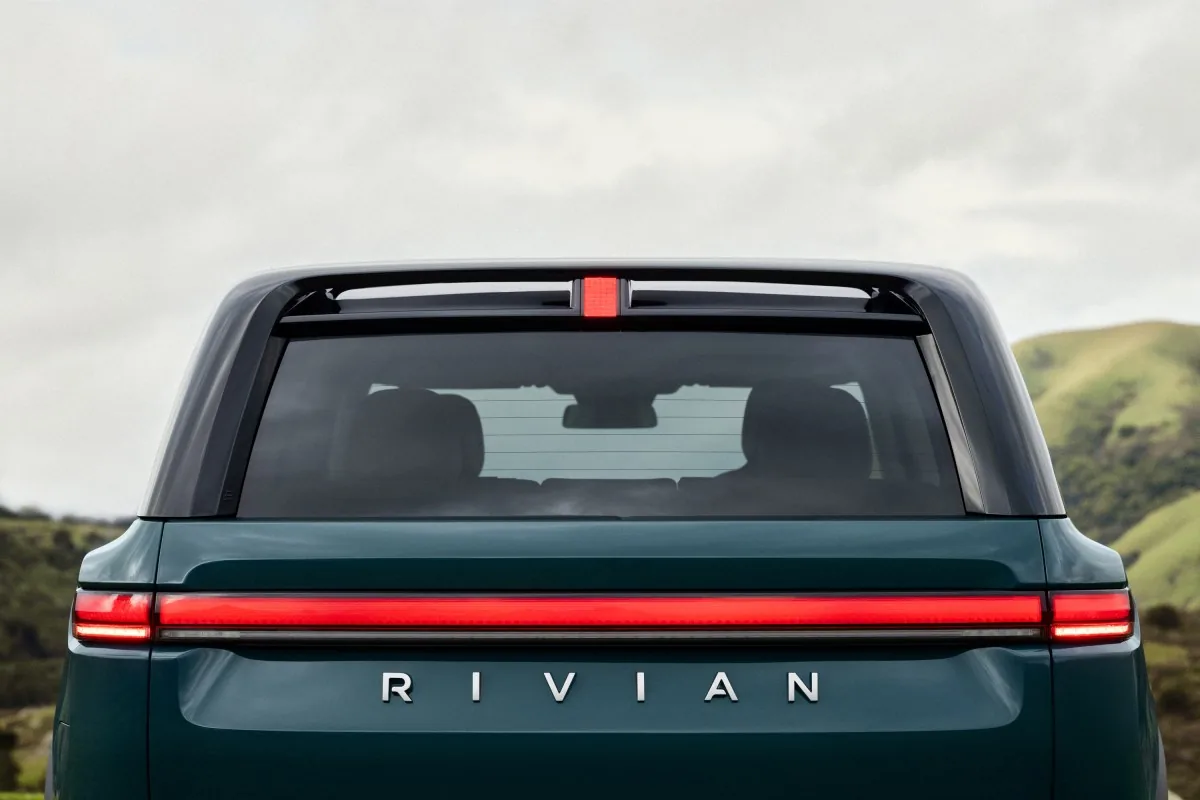
Normal Plant Expansion Accelerates R2 SUV Output
Manufacturing gains inside the Normal assembly facility reflect months of heavy capital investments and disruptive downtime undertaken earlier this year. Engineers paused existing vehicle assembly lines to install a flexible manufacturing system capable of alternating between high-end R1 models and the high-volume R2 line based on real-time order intake. Retooling temporarily constrained commercial output during the spring, but the reconfigured floor plan now enables rapid scaling without duplicating costly mechanical stamping infrastructure [5]. Normal plant output surged 85 percent [1].
Commercial strategy currently focuses on maximizing production of the higher-margin Performance variant before cheaper iterations reach consumer driveways. The initial R2 builds carry pricing starting just under $60,000, allowing Rivian to maintain an average selling price relatively close to its premium R1 vehicles throughout early manufacturing ramps [2, 3]. Cheaper trims priced near $45,000 will arrive later to challenge high-volume electric crossovers like the Tesla Model Y [2]. Furthermore, corporate leadership confirmed that advanced sensor packages, including the custom Lidar suite, will not reach retail customers until 2027 following development delays [3]. Buyers currently receive dual-motor configurations.
Scaling the smaller vehicle represents a life-or-death operational transition for the independent automaker. As Rivian Chief Executive Officer RJ Scaringe explained when detailing long-term manufacturing targets: “R2 is the most important thing we have because it’s what takes us from being subscale to being a scaled manufacturer.” Rivian has told institutional investors that it expects to sell between 20,000 and 25,000 R2 vehicles during its initial production year, an adoption trajectory that would rank as one of the fastest vehicle launches in American automotive history [1, 2]. That pace trails only Tesla Model Y in domestic launch velocity [2].
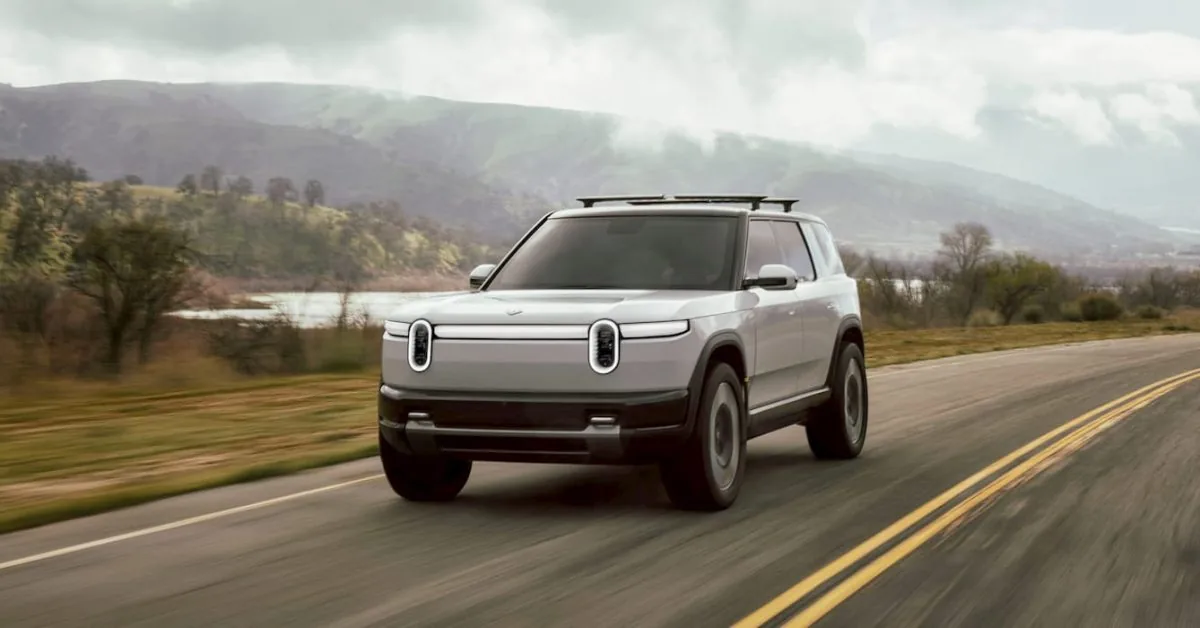


Rivian Sales Numbers Defy Broader EV Market Headwinds
The strong quarterly numbers arrived against a worsening backdrop for the wider American electric vehicle market. Total pure-electric market share across United States light-duty vehicle purchases slipped to between 6 and 7 percent during 2026, down from a peak above 10 percent recorded in 2025 [3]. High interest rates and sustained macroeconomic uncertainty have caused several legacy automotive manufacturers to delay ambitious electrification roadmaps and scale back planned capital expenditures. In that context, Rivian sales numbers provided a rare counter-narrative to industry pessimism. Sales climbed 45 percent [1].
Independent industry data underscores the severity of the sector-wide cooling that Rivian navigated during the third quarter. According to comprehensive industry research published by Cox Automotive, overall electric vehicle sales across the United States dropped nearly 24 percent year-over-year through the end of September 2026. Even established volume leader Tesla reported a 2.1 percent decrease in third-quarter deliveries alongside softening demand for the Tesla Model Y, though that contraction was slightly milder than Wall Street had projected. Elevated borrowing costs continue to deter mainstream car buyers who hesitate to finance expensive vehicle purchases without direct purchase subsidies. Tesla deliveries fell 2.1 percent [1].
Environmental benchmarks provided another proof point for the new assembly methodology operating in Normal, Illinois. Rivian announced that the R2 platform met its corporate sustainability milestone of reducing total lifetime carbon emissions by 50 percent four years ahead of original schedule. Engineering teams achieved that reduction through optimized battery pack packaging, structural castings, and streamlined supply logistics. Demonstrating manufacturing efficiency while cutting environmental impact helps validate the company’s core pitch to eco-conscious consumers. Sustainability milestones arrived four years early [1].
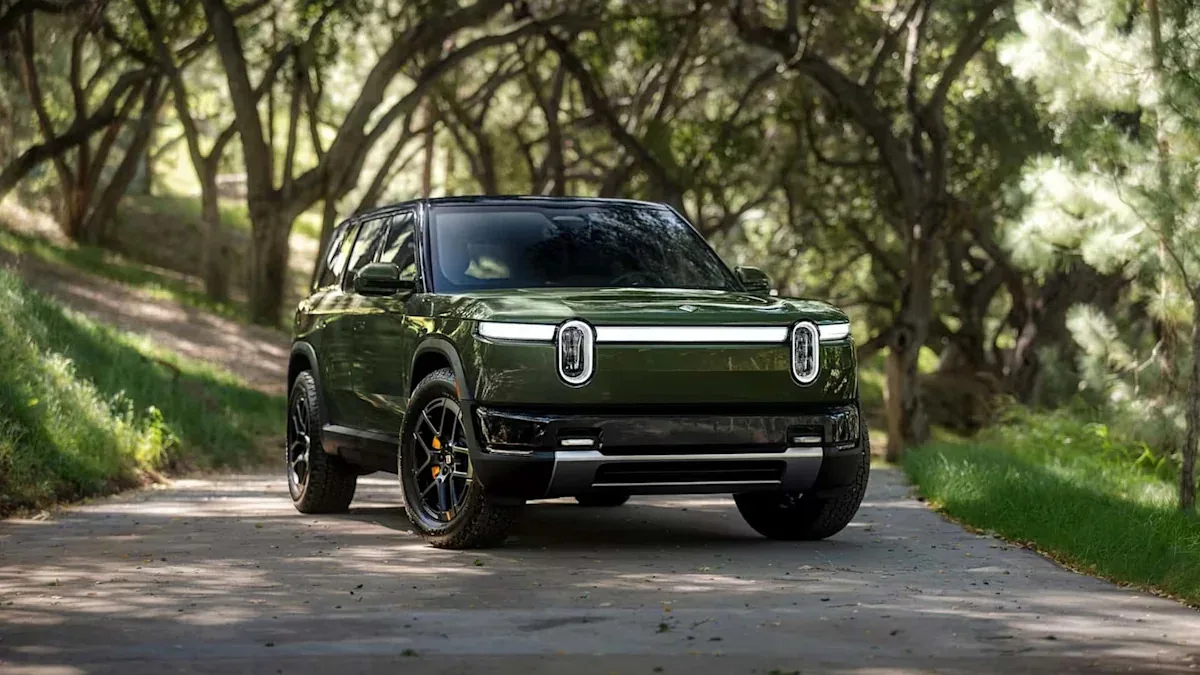
Federal Policy Shifts and Persistent Cash Burn Risks
Federal policy headwinds worsened dramatically when President Trump and Republicans in Congress eliminated the $7,500 federal EV tax credit, stripping crucial purchase incentives from mainstream car buyers [1].
The sudden termination of purchase subsidies compounded existing consumer resistance against vehicles carrying high window stickers. With average transaction prices across the electric vehicle segment exceeding $50,000, the removal of the tax deduction pushed monthly lease and loan obligations beyond the reach of middle-class households. Compounding the challenge, regional electricity prices escalated due to massive grid demand from artificial intelligence computing infrastructure, even as geopolitical conflicts in the Middle East drove up gasoline prices at domestic fueling pumps [3]. Consumers faced conflicting economic calculations at retail dealerships.
Beyond external policy disruptions, Rivian faces intense internal pressure to curb its substantial operating losses. The automaker burned through roughly $1.5 billion in cash during the previous quarter as capital expenditures peaked during the Normal factory reconfiguration. While early-stage hardware and software ventures tracked in coverage of standout Y Combinator demo day startups face intense investor scrutiny over initial burn rates, scaling a commercial automotive manufacturing footprint demands capital discipline on a vastly larger magnitude. Rivian must demonstrate gross margin profitability on every R2 delivered to reassure nervous credit rating agencies and equity shareholders [5].
Financial markets reacted with guarded optimism to the third-quarter volume surge. Rivian stock jumped nearly 8 percent in after-hours trading immediately following the guidance confirmation, although the equity price remains down more than 40 percent from its 2021 initial public offering highs. Continued backing from retail titan Amazon provides a crucial liquidity cushion, as the ecommerce giant maintains an equity stake with a standing commercial order for 100,000 electric delivery vans. Amazon ordered 100,000 delivery vans [5].

Autonomous Driving Roadmap and Long-Term Production Goals
To secure long-term viability beyond passenger car retail sales, Rivian is aggressively diversifying its product pipeline toward autonomous fleet transportation. The company entered into a strategic commercial agreement with ridesharing giant Uber to design and assemble customized robotaxi versions built on the versatile R2 platform. Rivian leadership considers autonomous mobility networks such an enormous potential revenue opportunity that it formally delayed its corporate profitability target beyond 2027 in order to reallocate development capital directly into proprietary autonomy software and sensor stacks. Transitioning from an unprofitable electric vehicle startup into an enterprise-scale hardware and robotics supplier requires immense capital commitments that leave little room for assembly mistakes [2, 5]. Uber will deploy customized R2 fleets [2].
Geographic expansion represents the next phase of manufacturing scale once the Normal plant reaches maximum utilization. Outside Atlanta, Georgia, construction continues on a massive second manufacturing facility engineered to produce up to 300,000 vehicles annually when fully operational down the road. While peer startups like Lucid Motors and bankrupt Fisker stumbled during rapid production ramp-ups, Rivian aims to use its flexible architecture and multi-factory footprint to capture broader market share across North America [2, 5]. The Georgia facility provides long-term capacity expansion [2].
The immediate test of Rivian’s operational progress arrives when the company releases its full third-quarter financial results after market close on October 29, 2026 [2, 3]. Investors will closely examine gross margin improvements per vehicle delivered, cash burn rates, and customer conversion trends for upcoming affordable R2 trims. Having proved that customer demand can surge despite severe political and economic headwinds, Rivian now faces the harder challenge of sustaining factory output without compromising assembly quality. Q3 financial results arrive October 29 [2].
- ONLINE NEWS Hawkins, A. J. (2026, October 2). Rivian’s sales pop as the company’s big R2 bet starts to pay off. The Verge. [Article Link]
- ONLINE NEWS O’Kane, S. (2026, October 2). Rivian’s R2 just helped it set a new sales record. TechCrunch. [Article Link]
- ONLINE NEWS Weintraub, S. (2026, October 2). Rivian continues to ramp with R2 even as EV market growth slows. Electrek. [Article Link]
- ONLINE NEWS Levin, T. (2026, October 2). Rivian’s big R2 bet is already paying off. Yahoo! Finance. [Article Link]
- ONLINE NEWS The Tech Buzz Team. (2026, July 2). Rivian lifts 2026 sales guidance after R2 SUV ramp-up. The Tech Buzz. [Article Link]


