





Can portable PC hardware weather the intensifying valve ram crisis without sacrificing generational power? Speaking to IGN reporter Jacqueline Thomas, Valve Software developers Pierre-Loup Griffais and Jeff Leinbaugh explained that the hardware roadmap for the Steam Deck 2 remains intact despite global component supply disruptions. Skyrocketing memory expenses driven by massive AI data factory expansions have disrupted the broader industry, creating a severe valve memory crisis across silicon markets. Griffais confirmed that Valve Software will not compromise on hardware goals or accept marginal speed gains simply to meet an arbitrary calendar schedule. [1, 2, 3]
Valve RAM Crisis and Hardware Goals
Memory chip shortages escalated amid the deepening valve ram crisis gripping component suppliers worldwide. Enterprise demands from AI facilities absorbed dynamic random-access memory (DRAM, the primary working memory in computing devices) and solid-state storage wafers across global vendors. Valve Software does not manufacture its own memory chips. Instead, the Bellevue gaming company depends entirely on global semiconductor fabrication lines to build its mobile devices. HotHardware analyst Paul Lilly reports that component shortages prompted hardware revisions across consumer technology, yet Valve Software developers maintain that Steam Deck 2 development proceeds along its established trajectory. [1, 2]
When Jacqueline Thomas of IGN asked whether the current crisis would force Valve Software to reconsider hardware specifications, Griffais delivered an unequivocal response. “Not really,” Griffais explained, noting that the engineering team still targets a clearly defined performance improvement for any future Steam Deck iteration. The company continues to evaluate market conditions to determine how and when such hardware can ship. Rather than trimming memory capacity to hit an early release date, Valve Software prefers waiting for components that satisfy its original vision. The Steam Deck user experience remains the guiding baseline. [1, 3, 4]
Similar supply headwinds surfaced elsewhere in the computing sector. Apple equipped its entry-level MacBook Neo with just 8GB of unified memory (a shared memory architecture accessible by both processor and graphics cores), prompting debate across tech forums. TechRadar analyst Darren Allan highlights how component crunches force manufacturers into unpalatable product compromises, comparing mobile constraints to PC market trends seen across the Microsoft Surface Laptop, the Lenovo Yoga Slim, and the Asus Zenbook. Valve Software developers Jeff Leinbaugh and Griffais rejected that path, emphasizing that architectural goals will not bend to temporary component inflation. [2, 4]
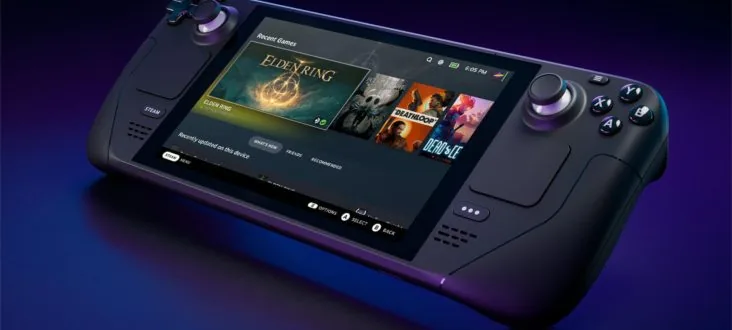
Generational Leaps Over Incremental Upgrades
Valve Software has repeatedly established that incremental refreshes do not justify a brand-new numbered generation. Back in November 2025, Griffais publicly detailed the company’s hardware philosophy, stating that Valve Software has no interest in delivering a device that offers merely 20, 30, or even 50 percent more performance at the same battery consumption. The team demands a more demarcated upgrade. To achieve that standard, engineers must work backward from silicon advancements and architectural milestones rather than rushing out modest revisions to the Steam Deck family. [2]
Why should handheld gamers celebrate Valve’s refusal to launch an intermediate refresh? A minor speed increase would splinter the developer optimization target that makes the Linux-based Steam Deck platform successful. KitGuru writer Matthew Wilson notes that while competing devices have achieved higher benchmark scores, they have done so by pushing power limits and retail costs far beyond handheld norms. Even as the valve ram crisis inflates memory module costs across PC builders, Valve Software intends to wait until custom silicon delivers a true generational shift. [1, 2]
Current mobile system-on-chip (SOC) designs do not yet fulfill Valve’s power and efficiency criteria. Griffais previously observed that the broader semiconductor market lacked processor packages capable of delivering generational handheld performance without destroying portable battery life. Handheld gaming demands strict thermal envelopes (the maximum heat dissipation allowed within a portable chassis), typically between 15 and 30 watts. Pushing desktop silicon into miniature cases forces thermal throttling and loud fan curves. The Steam Deck team prefers patience over compromise. [1, 2]



Rising Prices Shake Handheld Market
The original Steam Deck carved its dominant market position by combining approachable hardware pricing with custom engineering. When Valve debuted the handheld, it targeted an aggressive retail window spanning $399 to $649 across its storage tiers, establishing an affordable baseline that mass-market PC gamers had previously lacked. Windows Central editor Ben Wilson points out how the broader valve ram crisis reshaped consumer electronics, driving newer Windows-powered alternatives into luxury price brackets. As component fabrication costs increased, portable gaming systems became substantially more expensive for everyday consumers. [3]
High-end rival devices illustrate the stark economic divide emerging across mobile gaming hardware. The ASUS ROG Xbox Ally X arrives with an entry price of $999.99, while the MSI Claw 8 EX AI+ pushes retail stickers even higher toward $1,800. Those luxury prices alienate mainstream console buyers. While those expensive portables easily surpass the original Steam Deck’s custom Zen 2 CPU and RDNA 2 GPU silicon (AMD’s combined compute and graphics architecture powering the original console), they abandon the budget-conscious philosophy that propelled portable PC gaming into mainstream culture. By contrast, Valve Software remains committed to mass-market accessibility, acknowledging that an unaffordable portable device cannot sustain an expanding player base over multiple gaming generations. [3]
Squeezed between escalating raw material bills and gamer expectations, hardware makers face acute margin challenges. Reporting in TechRadar confirms that memory price spikes have already dampened recent Steam Deck sales figures, proving that consumer appetite shrinks when retail hardware escalates. If Valve Software released a Steam Deck successor at $1,000 or more, it would sacrifice the audience that embraced the platform. Maintaining value requires weathering component inflation until mass-scale pricing normalizes. [3, 4]

Steam Frame Lessons and Pricing Pressures
Recent hardware rollouts from Valve demonstrate the harsh consequences of volatile component markets. The company launched its dedicated Steam Frame virtual reality headset at an introductory price of $1,059, an increase reported by PC Gamer that surpassed internal pricing targets. Tech enthusiasts who had tracked earlier Valve Steam Frame reservations expressed frustration over the premium cost. HotHardware noted mixed community reactions to the Steam Frame debut, highlighting how sensitive PC enthusiasts remain to rising hardware barrier costs. [2, 3]
That painful pricing dynamic had already unfolded during the ill-fated Steam Machine initiative, where prebuilt living-room PCs shipped at uncompetitive prices and damaged brand goodwill. Valve cannot afford to repeat that miscalculation. Darren Allan of TechRadar argues that repeating that pricing mistake with the Steam Deck 2 would erode consumer trust under the pressure of the valve ram crisis and rising fabrication expenses. Valve’s leadership knows that a Steam Deck console succeeds on value rather than pure luxury positioning. [3, 4]
Costs mounted rapidly across suppliers. Sourcing custom silicon at sustainable wholesale rates remains Valve’s hardest manufacturing hurdle. [2, 3]

Launch Window Slides Toward Late Decade
If specifications will not be downgraded, release timing becomes the sole variable Valve can adjust. Griffais remarked that Valve Software must evaluate market conditions before deciding “how and when” to ship new hardware, suggesting that the valve ram crisis will dictate delivery windows rather than silicon specifications. Industry projections cited by Darren Allan in TechRadar indicate that memory component shortages may persist for several years, potentially lasting through the remainder of this decade. Postponing the Steam Deck launch allows production lines to stabilize. [1, 4]
Could waiting several years give silicon vendors enough runway to engineer a genuine generational breakthrough? Matthew Wilson of KitGuru estimates that handheld-grade hardware may not mature to that threshold until late 2028 or 2029. A patient release cadence serves consumers far better than an overpriced stopgap. Enthusiasts would rather purchase a robust, thoughtfully priced gaming console in a few years than an expensive machine rushed into a turbulent silicon market. Software optimization across the existing SteamOS platform can help bridge that interim period. [1, 4]
Valve’s stance proves that the company values its reputation over quick release cycles. By refusing to compromise on hardware targets or pass inflated component bills onto gamers, the Bellevue studio maintains its long-term commitment to accessible portable PC gaming without sacrificing its hard-won reputation. The original device continues to handle substantial libraries, giving engineers the freedom to navigate the ongoing valve ram crisis before introducing new hardware. When the Steam Deck 2 finally surfaces, it will arrive as a genuine generational leap rather than an overpriced compromise. [1, 3]
- ONLINE NEWS Wilson, M. (2026, September 15). Valve’s Steam Deck 2 remains on track despite global RAM crisis. KitGuru. [Article Link]
- ONLINE NEWS Lilly, P. (2026, September 15). RAM crisis won’t force Valve to compromise on Steam Deck 2 specs. HotHardware. [Article Link]
- ONLINE NEWS Wilson, B. (2026, September 15). Valve says Steam Deck 2 “performance improvement” plans aren’t affected by the RAM crisis. Windows Central. [Article Link]
- ONLINE NEWS Allan, D. (2026, September 15). Valve says RAM crisis hasn’t really changed its Steam Deck 2 plans, but hints that it could affect launch timing — and I’m all for a long delay if it’s necessary. TechRadar. [Article Link]


1 comment