





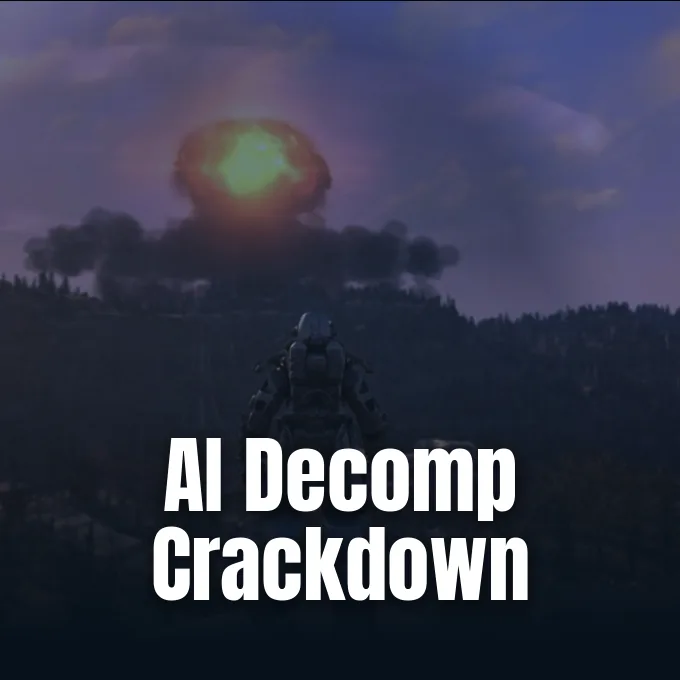
Video game developers experimenting with automated coding tools ran straight into corporate copyright boundaries this week after two high-profile community projects vanished under legal threats. In response to viral browser demonstrations built with generative artificial intelligence, Xbox Activision Bethesda leadership moved to protect iconic franchises from unlicensed software recreation. The enforcement hit browser-based attempts to revive classic role-playing worlds and first-person shooters within days of their online debut [2].
How Activision and Bethesda Responded to Viral Code
Software makers under Microsoft stepped in after community coders published playable reconstructions of popular gaming properties without studio authorization. Modding communities have dealt with DMCA notices for years, but recent browser experiments triggered faster copyright intervention because automated systems rebuilt entire game frameworks in hours [1]. Studio attorneys didn’t wait for formal distribution packages to materialize before asserting intellectual property rights [2].
The crackdown escalated when legal representatives issued formal demands against independent builders who used generative tools to convert proprietary logic into web-compatible code. In both instances, parent company units targeted public social media demonstrations that highlighted reconstructed game mechanics while accumulating millions of impressions from curious players. Platforms hosting the source repositories received direct notices to restrict public access, leaving repositories offline and playable links broken within hours of publication [1]. Social media hosts also disabled embedded gameplay video clips following formal copyright complaints filed by trademark holders. The speed of the response surprised hobbyists who believed experimental prototypes fell outside traditional copyright enforcement boundaries [2].
Activision and Bethesda acted separately against two distinct projects, but both actions reflected a shared determination to protect established catalogs from automated copying. Rather than allowing interactive web builds to circulate, Xbox Activision Bethesda teams moved swiftly to block unauthorized reproductions before custom codebases gained wider distribution [2].
Browser Fallout and the Claude Generation Experiment
Developer ChrisFirst ignited the debate on September 28 by sharing video footage of Fallout: New York, an interactive browser adaptation created with Claude Opus 5.5 [2]. The ambitious demonstration claimed to deliver an expansive recreation of the role-playing shooter set in the Big Apple without relying on standard texture files or pre-recorded audio assets, building an entire city layout through code. Every building, weapon, character face, and ambient sound was generated purely through code instructions rather than pre-rendered art files [1]. ChrisFirst showed how prompt-driven models could assemble recognizable game environments directly inside an ordinary web browser, attracting immediate fascination from developers experimenting with generative systems across social platforms [2].
ChrisFirst detailed the project’s technical scope in a viral post outlining its core mechanics. “Quests. Dialogue trees. V.A.T.S. A working Pip-Boy. Zero texture files. Zero sound files,” ChrisFirst wrote. “Every building, weapon, face and sound is generated by code.” The clip drew over 3.5 million views in days as players tested the browser build. On September 29, the creators behind retro space RPG Space Wreck shared the clip on X with the caption “Obsidian is so over,” driving massive community engagement around the prototype [2].
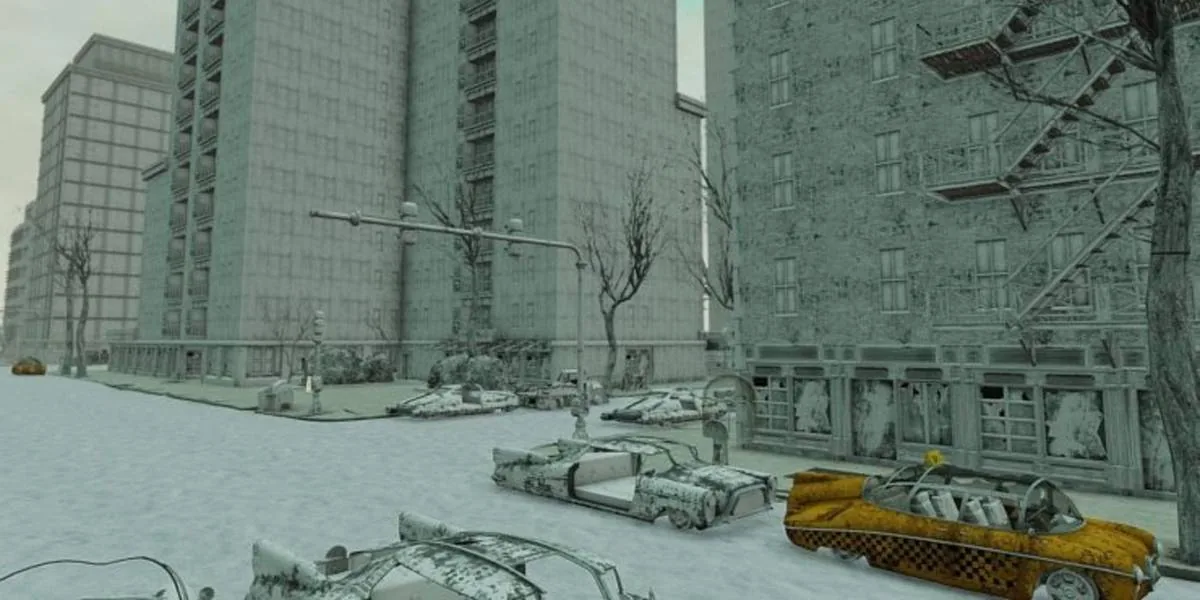
The showcase ended abruptly on October 1 when ChrisFirst confirmed that Bethesda Studios intervened with a cease-and-desist notice. “Hey, Bethesda Studios how about you make a Fallout game instead so I don’t have to?” he wrote alongside an image of the legal threat [2]. The project was over.

Decompiling Modern Warfare 2 with Autonomous Agents
A parallel controversy emerged around Call of Duty: Modern Warfare 2 after developer Maurice Heumann shared an automated reverse-engineering initiative on PC [2]. Writing on X on September 30, Heumann described using generative AI to decompile the shooter’s original source code at remarkable speed. The classic title, originally developed by Infinity Ward and published by Activision on November 10, 2009, carries an ESRB Mature rating for intense violence, blood, and strong language [1].
Heumann explained that multiple automated programming instances worked simultaneously to reconstruct functional code blocks without manual decompilation routines. “With currently 17 agents working in parallel, we’re making progress at an incredible pace,” he wrote. “The game is fully playable now and almost all visible bugs are gone. Only a few are left. I even managed to get my first nuke.” He noted that his 17 agents resolved syntax errors and reconstructed core loops far faster than standard community workflows [2]. The reconstructed PC build reached playable multiplayer status before publishers noticed the progress [1].
Activision responded swiftly by removing the video footage Heumann shared on his account. Platform moderators disabled the video footage showing his earned Kill Streak after Activision submitted an official copyright notice, replacing the media window with a formal warning that the clip was unavailable [2]. The source repository vanished immediately.

Does Activision Own Bethesda?
The simultaneous legal moves prompted players to ask does Activision own Bethesda, especially after both brands cracked down on AI projects in the same week. The answer is straightforward: Activision doesn’t own Bethesda, and neither studio controls the other’s development pipeline [2]. Instead, both major publishers operate as separate corporate subsidiaries under Microsoft, which manages each publishing label independently while enforcing consistent intellectual property standards across its gaming catalog [1].
Because both publishers share corporate ownership under the broader Xbox umbrella, legal actions against AI decompilations reflect coordinated policy rather than isolated studio decisions. Within corporate discussions regarding Xbox Activision Bethesda assets, legal counsel prioritizes trademark defense to prevent unauthorized web distributions from confusing consumers or weakening copyright claims [2]. When fan coders rebuild interactive adaptations of Fallout or Modern Warfare 2, publishing teams enforce licensing boundaries to ensure proprietary software frameworks aren’t freely distributed without permission [1]. Corporate leadership views generative cloning as a direct challenge to commercial game distribution, prompting quick takedowns whenever recreation attempts gain viral traction online [2].
Tensions over game preservation and corporate asset security intensified when Rockstar Games leaks revealed scrap builds and assets from major studio productions. Publishers remain determined to protect proprietary files, whether source code leaks from internal servers or gets decompiled through autonomous AI assistants [1].
Copyright Enforcement and the Future of AI Fan Games
The takedowns emphasize an evolving divide between rapid generative coding and traditional reverse-engineering projects that have existed for decades. Well-known efforts like Ship of Harkinian spent years meticulously reconstructing classic game code, occasionally adopting specialized tools without provoking swift copyright crackdowns from platform holders. That initiative demonstrated how community decompilations could modernize beloved classics, including running Ocarina of Time in ultrawide format at 280 frames per second on native PC hardware. The strongest community decompilation efforts show evidence of careful manual craft, but the sudden explosion of vibe-coded projects has pushed fan-led software recreation into territory that major commercial publishers simply cannot afford to ignore [1].
Traditional decompilation projects require months of painstaking manual engineering, whereas modern vibe-coding workflows deploy multiple autonomous agents to assemble functional software in days. This difference in speed has unsettled gaming companies, who worry that viral recreations will dilute brand value and bypass intellectual property laws. Recent enforcement actions from Xbox Activision Bethesda underscore how quickly publishers will act to safeguard valuable intellectual property against autonomous software tools [1]. Major game publishers haven’t yet mounted sweeping legal battles against AI foundation companies like Hollywood studios have [2]. Instead, video game publishers focus their legal firepower directly on individual community coders [1].
Community observers voiced frustration over the disproportionate focus on small creators rather than AI model vendors. “Going after the little guys instead of the technology, this is Napster and music industry 2.0, we’re already saw how this plays out, we win they lose,” wrote one person online [2].
- ONLINE NEWS Roosevelt, N. (2026, October 3). AI game decomps are getting taken down fast. TheGamer. [Article Link]
- ONLINE NEWS Gach, E. (2026, October 3). Activision and Bethesda crackdown on GenAI MW2 and Fallout projects. Kotaku. [Article Link]


