



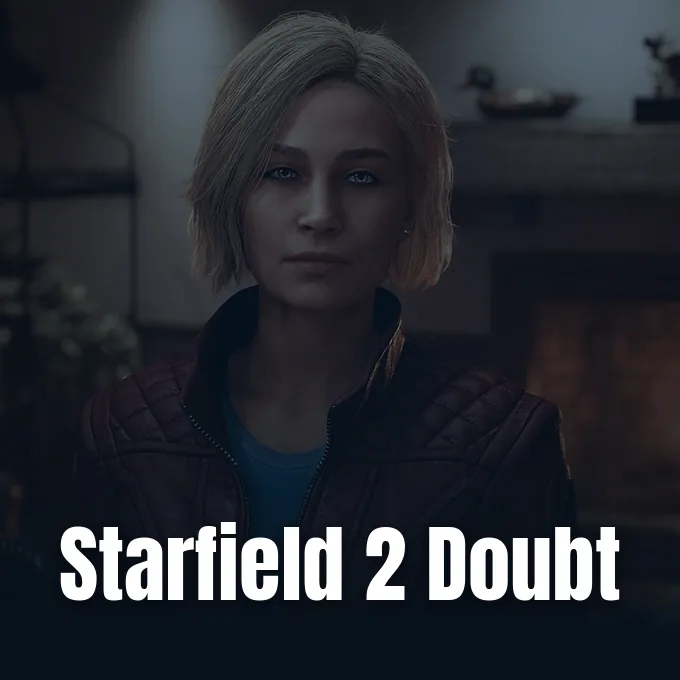
Bethesda Game Studios explored uncharted territory when it launched its space role-playing title, yet the commercial reality of that release has now cast a shadow over future installments. Former Bethesda lead systems designer Kurt Kuhlmann confirmed that Starfield 2 will likely never happen because the debut game failed to achieve sufficient commercial momentum to justify a direct follow-up. Speaking in a recent interview, Kuhlmann explained that while the studio acquired valuable technical experience during production, the original game fell short of the expansive scope initially envisioned by director Todd Howard [1].
Starfield 2 Faces Doubts Over Commercial Performance
Kuhlmann addressed the future of the sci-fi franchise during a detailed discussion with gaming outlet FRVR. When asked directly whether Bethesda could eventually produce a sequel to the massive space exploration game, the veteran designer expressed deep skepticism about the commercial viability of such an undertaking. He pointed out that despite years of anticipation and substantial marketing resources, the title simply did not reach the financial threshold necessary to warrant a multi-year sequel commitment from leadership. Kuhlmann offered a blunt assessment. ‘I would be very surprised,’ Kuhlmann stated regarding the likelihood of a sequel [1].
Commercial reception diverged sharply from Bethesda’s previous blockbuster hits. While the studio celebrated high player counts during the initial launch window across PC and Xbox consoles, long-term retention and widespread enthusiasm cooled faster than anticipated. Kuhlmann underscored this commercial shortfall when discussing why publisher priorities naturally shift toward more dependable properties. ‘I don’t think Starfield was anywhere near successful enough to do a Starfield 2,’ he explained to FRVR, indicating that executive confidence in the brand does not match internal hopes [1].
Reviewers and players expressed divided opinions regarding the finished role-playing adventure. Even though IGN reviewer Dan Stapleton noted in his critique that the RPG’s expansive quests and respectable combat created a gravitational pull that proved difficult to resist, critical consensus remained unusually divided throughout the gaming community. Stapleton highlighted that tension. Players voiced frustration over fragmented exploration and repetitive planetary environments, preventing the title from establishing the enduring cultural footprint seen with the studio’s earlier fantasy and post-apocalyptic releases [2].
Isolated Systems Diluted the Original Design Vision
Creative compromises also shaped the finished game during development, according to Kuhlmann. In his view, the production team accumulated vital design insights that could have made Starfield 2 a much stronger experience, bringing it closer to what game director Todd Howard originally conceptualized. ‘It’s, in a way, too bad, because I think with the lessons learned on Starfield, a Starfield 2 could have been much closer to the game that Todd had in mind,’ Kuhlmann remarked during the interview, expressing regret that those hard-won lessons might never find an outlet in a sequel [1].
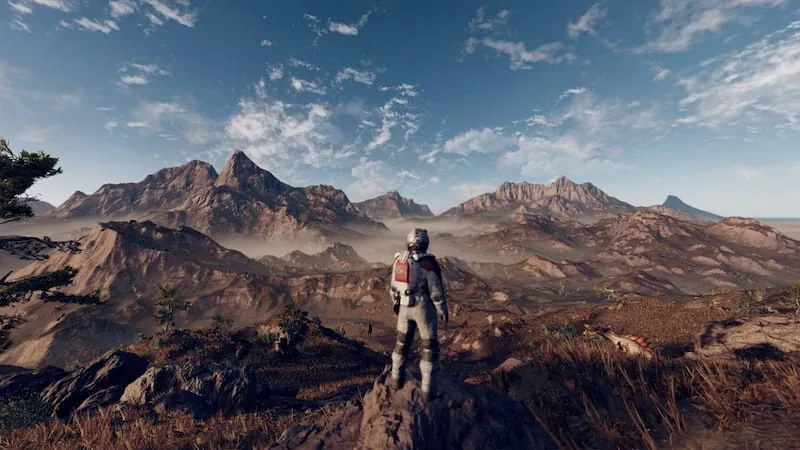
Kuhlmann specifically highlighted the outpost building system as an isolated feature that never integrated with the narrative. Players were granted absolute freedom to land on any planet, establish customized planetary bases, assemble modular spaceships, and recruit companions across an immense galaxy. However, managing those separate systems often felt disjointed from the core journey. ‘For what it is, as a standalone system, it’s cool, but it’s not nearly as integrated with the rest of the game,’ Kuhlmann stated, comparing the dilemma to similar hurdles encountered during the production of Fallout 4 [1].

Outpost construction had previously caused friction during the production of Fallout 4, prompting designers to isolate base mechanics into a standalone gameplay silo. In Starfield, that recurring separation prompted internal questions regarding whether the complex mechanics truly belonged in the game at all. Base building remained mechanically isolated throughout the Settled Systems. ‘You can envision that game, you can imagine that game,’ Kuhlmann observed when contrasting the theoretical promise with the final product. ‘That’s not quite what Starfield really is’ [1].
Bethesda Prioritized Starfield Over The Elder Scrolls VI
Studio roadmaps at Bethesda changed significantly when management committed to the space project. Kuhlmann, who previously served as co-lead designer on The Elder Scrolls V: Skyrim, revealed that developers within the company originally expected the team to transition straight into The Elder Scrolls VI following the release of Fallout 4. Instead of returning to Tamriel, management elected to divert production resources toward Fallout 76 and the space simulator. That pivot delayed the highly anticipated fantasy follow-up by more than a decade [1].
Bethesda chose a different path. Studio leadership committed hundreds of developers to an unfamiliar universe rather than proceeding with their flagship fantasy series [1].
Preliminary worldbuilding for The Elder Scrolls VI had already begun long before the space epic entered production. During an interview conducted in January, Kuhlmann revealed that the setting for the next fantasy installment was determined while Fallout 4 was still actively in development, although he acknowledged that specific details could have evolved following his eventual departure from Bethesda. Creative priorities shifted across studio teams during those intervening years, demonstrating how protracted modern development cycles have become for major role-playing productions. The setting was decided early. With each major project demanding anywhere from five to eight years of focused effort, entering an unfamiliar intellectual property effectively crowded out subsequent sequels across the studio’s release calendar [1].
Active DLC Support Delays Any Starfield Sequel
Executive producer Todd Howard reaffirmed ongoing support for the current game in July, announcing that developers will continue expanding the Settled Systems with fresh narrative expansions, targeted gameplay refinements, and systemic updates. Bethesda is also actively preparing for the launch of major new Starborn content scheduled for release next year. These updates represent an effort to refine existing mechanics and retain the core player audience without undertaking the massive budget required for a complete sequel [2].
Publishing strategies across the broader gaming industry increasingly favor established franchises over uncertain sequels. In a similar vein, shifts in platform and publisher strategy recently prompted the cancellation of an unreleased TLOU 2 multiplayer mod after strategic resource reviews redirected talent toward proven core franchises. Publishers favor established pipelines when commercial returns do not match initial projections. Rather than greenlighting another risky standalone voyage, parent company Microsoft and Bethesda appear focused on stabilizing active player communities [2].
External development partnerships further illustrate how Bethesda is distributing its project workload. While Bethesda Game Studios concentrates its primary workforce on finishing The Elder Scrolls VI, external developer Obsidian has been tapped to develop a new Fallout game. Obsidian will handle that project. With Bethesda’s internal bandwidth entirely consumed by fantasy worldbuilding and external partners managing post-nuclear territory, no major studio resources remain allocated to developing a second voyage through the Settled Systems [2].
Will Starfield 2 Ever Happen?
Console release timelines illustrate the long development cycles facing any prospective sequel. Starfield originally launched for PC and Xbox Series X/S in September 2023, followed by a wider console release on PS5 in April 2026. While the multiplatform rollout introduced the universe to a broader audience, it did not spark the commercial resurgence required to justify greenlighting Starfield 2. The core reality remains unchanged. With The Elder Scrolls VI still several years away from completion, Bethesda’s development pipeline is locked for the foreseeable future [1].
Production timetables would stretch deep into the next decade even if leadership chose to revisit the cosmos. Should pre-production on another space title commence after the next fantasy release, fans would likely wait until the mid-2030s before seeing playable footage. Development timelines preclude rapid sequels in modern AAA game production. Dan Stapleton’s review from IGN observed that the original game possessed respectable qualities, yet those elements were overshadowed by technical compromises that required years of post-launch patching to address [2].
Kuhlmann’s reflections highlight the widening gap between creative ambition and commercial performance in high-budget game development. Bethesda succeeded in crafting a massive galactic sandbox, but fragmented systems and lukewarm commercial returns have made a direct continuation nearly impossible. Rather than gambling on another multi-planet odyssey, the studio has directed its creative future toward Tamriel, leaving the Settled Systems to conclude their story through planned expansions and community updates [1].
- ONLINE NEWS Harradence, M. (2026, September 24). Ex-Starfield Dev Says A Sequel Will Probably Not Happen As The Game Wasn’t Successful Enough. PlayStation Universe. [Article Link]
- ONLINE NEWS Thomas, J. (2026, September 24). ‘I Don’t Think Starfield was Anywhere Near Successful Enough to do a Starfield 2’ – Former Bethesda Dev Casts Doubt On Sequel. IGN. [Article Link]
- ONLINE NEWS Video Games Chronicle. (2026, September 24). Starfield 2 Will Likely Never Happen Because the First Wasn’t ‘Anywhere Near Successful Enough’, Former Dev Says. [Article Link]


