






Millions of people carry the hepatitis B virus without knowing that the pathogen has settled permanently inside their liver tissue. Daily antiviral pills lower the amount of virus in the blood to unseen levels, but stopping the drugs almost always triggers a swift viral resurgence [1]. The clinical problem stems from quiet genetic reservoirs that take shelter inside the nuclei of human liver cells. Until therapies learn to disarm these dormant templates, controlling viral activity will remain fundamentally different from curing the underlying disease [2].
Early Exposure and Immune Response
Patient age and exposure timing decide how the infection unfolds over decades. While acute liver infections often resolve after supportive care, as outlined in the medical guide on What is Hepatitis A and How to Protect Yourself?, hepatitis B often becomes chronic and embeds permanently in human liver tissue. Adults clear the pathogen quickly [1]. In fact, most healthy adults who encounter the virus develop lasting natural immunity within a few months. When exposure happens during infancy or early childhood, however, the human immune system fails to clear the invader in up to ninety percent of cases, allowing the pathogen to quietly settle into liver cells for life [2].
The pathogen does not kill liver cells directly. Cellular damage occurs when defensive immune cells spot foreign viral markers and attack infected tissue year after year [1]. Unchecked inflammation causes liver scarring termed cirrhosis. Over time, progressive scarring brings liver failure, jaundice, an enlarged spleen, fluid buildup in the abdomen, swelling in the legs, and liver cancer. In medical classifications spanning gastroenterology and clinical pharmacology, chronic viral hepatitis ranks as a leading driver of liver-related morbidity worldwide [2]. Because early stages cause no pain, many people discover the virus only during blood donations, routine checkups, or prenatal visits to a clinic [1].
Stable Mini-Chromosomes Inside the Nucleus
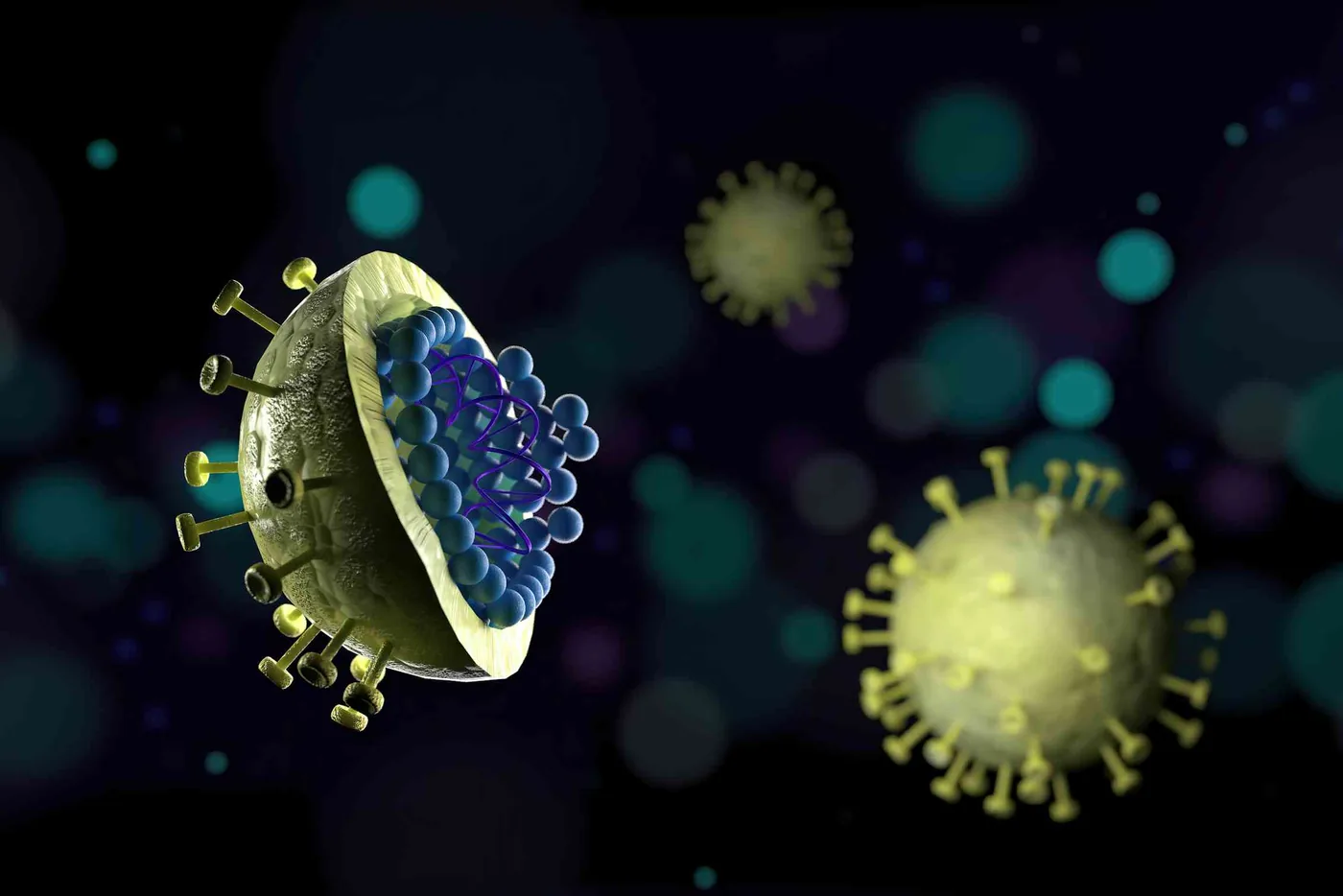
When viral units enter liver cells, their core genetic payload moves straight into the nucleus to build an enduring sanctuary. Inside the nucleus, viral DNA converts into a durable circular mini-chromosome called covalently closed circular DNA, commonly known as cccDNA [1]. This circular molecule functions as a quiet viral reservoir that evades normal cellular cleanup systems. From this protected nook, cccDNA uses host cell enzymes to transcribe messenger RNA and direct the production of fresh viral proteins [2]. Even when modern drugs halt viral spread in the blood, these mini-chromosomes stay intact in the nucleus, ready to resume full viral copying if medication stops [1].
Beyond free circular mini-chromosomes, fragments of viral DNA insert directly into human chromosomes inside host liver cells [1]. These integrated DNA pieces cannot produce complete infectious viral particles on their own, but they actively churn out viral proteins. In particular, integrated viral fragments produce large amounts of the surface antigen known as HBsAg [2]. This surface marker acts as a chemical beacon that stirs up immune cells, feeding the chronic inflammation that wears down liver architecture over decades [1].
How Hepatitis B Virus Evades Antivirals
Doctors treat chronic infection with nucleoside and nucleotide analogues that curb viral multiplication. Frontline oral drugs such as tenofovir and entecavir block the viral reverse transcriptase enzyme, driving blood viral counts down to undetectable levels and lowering the danger of severe liver decompensation [1]. In a comprehensive drug review published in Infectious Diseases and Therapy, researcher H. Sun and co-authors X. Wang, H. Xu, and Y. Gao reported that while therapies cure over 95% of hepatitis C cases, hepatitis B still lacks a complete cure [3]. Why do standard pills fall short of a definitive cure? Tenofovir blocks viral replication downstream, leaving the dormant cccDNA reservoirs in the nucleus untouched [1].
Real-world clinical data from South America shows the public health burden of viral persistence. Brazil’s Unified Health System (SUS) supplies free diagnostic testing and daily antiviral pills to all citizens who need care, yet health clinics registered approximately 4,600 confirmed cases in 2025 according to the Ministry of Health [1]. In vast geographic zones of Brazil like the Amazon basin and the North Region, immense distances and scarce clinic infrastructure impede early blood screening, timely diagnosis, and long-term antiviral drug distribution [2].



Why Hepatitis B Virus Needs New Tools
The limits of lifelong antiviral therapy have forced researchers to pursue a functional cure. Under this clinical benchmark, a patient maintains sustained loss of HBsAg from the blood with undetectable viral DNA after stopping all drug therapy [2]. Achieving this goal lets the liver heal and removes the chronic stimulus that fuels organ scarring [1]. Preventive vaccines protect newborns, but millions of Brazilian adults born before immunization expanded to all age groups in 2016 remain vulnerable to infection [2]. While global laboratories track diverse emerging pathogens like the Shamonda virus detected in France, entrenched viral killers like hepatitis B demand modernized clinical strategies [1].
Epidemiological counts show that widespread chronic hepatitis B affects several hundred million patients across the globe [1]. To confront this threat, the World Health Organization set a target to eliminate viral hepatitis as a public health hazard by 2030 [3]. Overcoming viral reservoirs needs therapies that silence viral antigens directly [1].
Silencing Surface Antigens with RNA Interference
To overcome nuclear reservoirs, scientists are exploring RNA interference as a gene-silencing weapon. This molecular approach uses short synthetic RNA strands to intercept and break down viral messenger RNA before host ribosomes can translate it into viral proteins [1]. For the hepatitis B virus, custom RNA molecules can target specific viral sequences that direct the creation of surface antigens and core capsids [2]. Destroying these RNA instructions stops the flow of HBsAg from both cccDNA pools and integrated host DNA segments [1]. Similar RNA interference drugs have already won regulatory approval for genetic liver conditions, offering safety precedents for clinical trials [2].
Lead author Giovana Angelice evaluated this concept by testing RNA candidates against viral genetic material in cultured human liver cells [1]. Her team screened diverse RNA strands and found one promising candidate that caused a marked drop in HBsAg levels [2]. “Among the candidates evaluated, one showed the most promising results, with a reduction in HBsAg levels in the cell cultures,” Angelice said in her report for The Conversation [1]. These cell tests prove gene silencing works in dishes, but cultured cells cannot mimic the full biology of a living organ [2].
Next Steps at KU Leuven
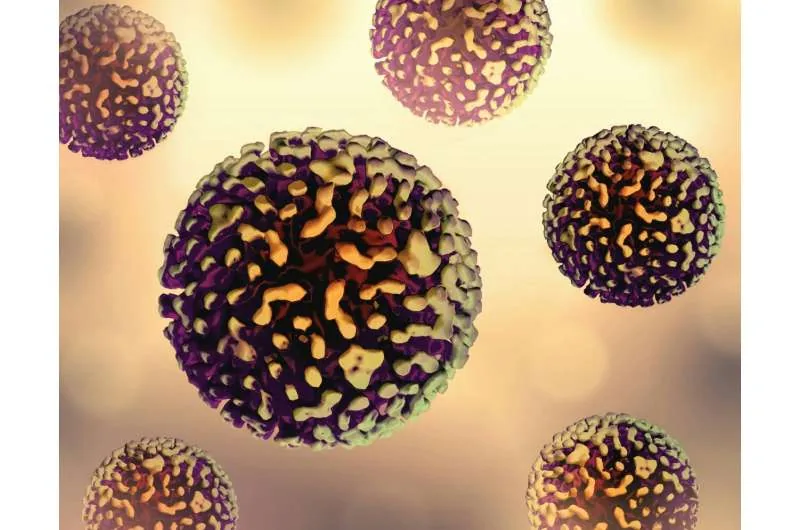
To validate these early cell culture findings, Giovana Angelice joined forces with KU Leuven virologists in Belgium to test the leading RNA candidates in advanced cellular systems and living hamsters [1]. KU Leuven researchers will track whether viral gene silencing persists over longer timeframes in animal models [2]. Clinical hamsters will receive test doses [1]. The primary technical barrier is delivering fragile RNA strands safely into human liver cells without causing toxic reactions or enzyme breakdown [2]. Formulating lipid nanoparticles will help guide the RNA molecules to their cellular targets [1].
Grant support from the Carlos Chagas Filho Foundation for Research Support of the State of Rio de Janeiro, known as FAPERJ, finances this experimental drug initiative. FAPERJ funding helps South American scientists develop tailored interventions for populations vulnerable to chronic liver disease [1]. Rather than replacing standard daily pills, experimental RNA drugs will act as companion treatments that drop viral antigen output while tenofovir or entecavir keeps viral replication locked down [2]. Lowering blood HBsAg may relieve the immune exhaustion that stops patients from clearing residual viral reservoirs on their own [1]. Translating these laboratory discoveries into approved human therapies will take years of preclinical testing, but silencing viral antigens provides a clear biological path toward an enduring functional cure [2].
- ONLINE NEWS Angelice, G. (2026, November 13). Hepatitis B: Controlling the virus does not mean a cure. The Conversation. [Article Link]
- ONLINE NEWS Angelice, G. (2026, November 14). Hepatitis B: Controlling the virus does not mean a cure. Medical Xpress. [Article Link]
- ACADEMIC JOURNAL Sun, H., Wang, X., Xu, H., & Gao, Y. (2026). Navigating the Viral Hepatitis Drug Landscape: New Discoveries and Enduring Challenges. A Narrative Review. Infectious Diseases and Therapy, 15(4), 959-985. [Article Link]
APA 7: PerEXP Teamworks. (2026, November 15). Hepatitis B Virus Reservoirs Explain Why Treatments Fall Short. PerEXP Teamworks. https://perexpteamworks.com/en/hepatitis-b-virus-reservoirs-treatments/


