




For over four years, some individuals have successfully avoided contracting COVID-19, and a newly discovered immune response might be the reason why some people never get Covid-19.
A recent study intentionally exposed volunteers to the coronavirus, revealing that participants with high activity of a rarely studied immunity gene, HLA-DQA2, did not develop a lasting infection after exposure to SARS-CoV-2. Published on June 19 in Nature, this research provides a detailed examination of the immune system’s response to the coronavirus, shedding light on how differences in this response might explain why some people never get Covid-19.
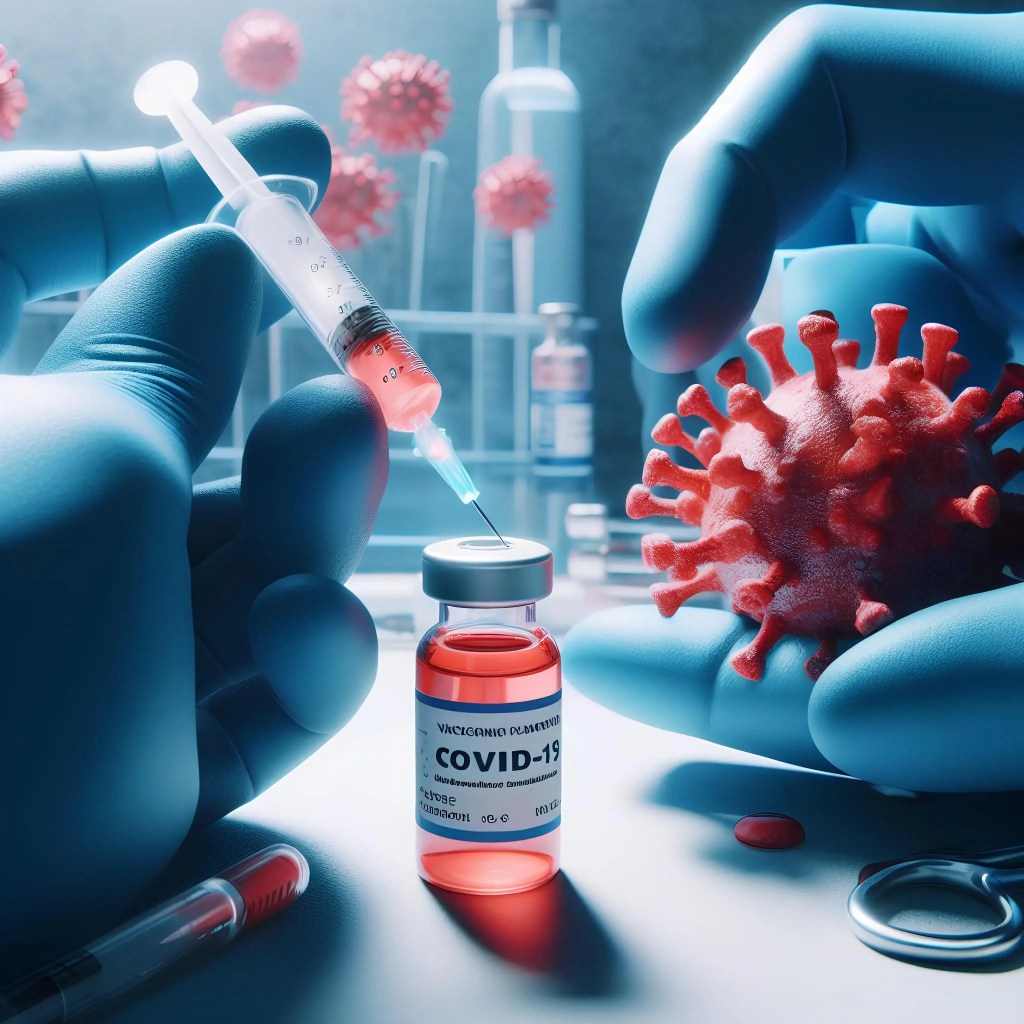
The findings come from a challenge trial conducted during the peak of the pandemic in 2021. In this trial, scientists in the United Kingdom exposed 36 young, healthy, unvaccinated volunteers who had never contracted COVID-19 to the virus via their nasal passages. The initial aim was to determine the viral load required to trigger an infection. However, 16 of these participants underwent more comprehensive testing. Researchers meticulously monitored various immunological responses in the blood and nasal lining, both pre- and post-exposure, providing an intricate view of the immune system’s activation timeline and locations.
An unexpected outcome emerged: only six of the 16 participants fell ill. This anomaly suggests that specific immune responses might be a critical factor in understanding why some people never get Covid-19.
Initially, researchers were disheartened by the outcome of their experiments, feeling that they had wasted efforts on participants who did not actually get infected. However, this situation soon revealed a unique chance to understand why some people never get Covid-19 after receiving an infectious dose of the virus. Although the exact number of people who have successfully avoided COVID-19 remains unclear, a recent estimate from the U.S. Centers for Disease Control and Prevention indicated that nearly one in four Americans had not contracted the virus by the end of 2022.

The ethical implications of challenge trials, where participants are deliberately exposed to a pathogen, have sparked controversy. Some experts argue against this method, but the invaluable data obtained from such studies cannot be overlooked. The insights from these trials provide a rare glimpse into the early stages of infection, allowing researchers to track participants from the moment they encounter the virus.
In the 2021 trial led by Rik Lindeboom, participants who did not fall ill were categorized into two groups. The first group consisted of seven individuals who never tested positive for the virus, while the second group included three participants who experienced transient infections in their noses that were quickly suppressed by their immune systems. The immune cells of the first group showed subtle but widespread changes, specifically in monocytes and MAIT cells. Meanwhile, the second group exhibited a robust immune response, known as the interferon response, in their nasal passages within a day of exposure. Interferons play a crucial role in signaling a viral threat and mobilizing cells to combat the infection.
On the other hand, those who became ill took approximately five days to generate the same interferon response in their noses, allowing the virus to proliferate and spread. This suggests that a swift, localized immune reaction at the site of infection may be a key factor in preventing SARS-CoV-2 from establishing itself, providing insight into why some people never get Covid-19.
Interestingly, the blood of sick participants showed interferon activity before their nasal passages did, which contradicted initial hypotheses. This finding indicates that the immune system can detect and relay the presence of an infection to the rest of the body even before the affected cells are aware of it. This discovery is crucial in understanding why some people never get Covid-19, as it highlights the importance of early and localized immune responses in preventing the virus from gaining a foothold.
Of those who remained uninfected, the reasons why some experienced brief infections while others did not are still unclear to Lindeboom. However, both groups exhibited heightened activity of the gene HLA-DQA2 in specialized immune cells responsible for alerting the immune system to pathogens, in contrast to those who developed symptoms. The precise function of this gene remains uncertain, though earlier studies have associated it with milder COVID-19 outcomes.
Researchers believe that analyzing the gene signature for HLA-DQA2 might help predict susceptibility to infection, offering a potential explanation for why some people never get Covid-19. This insight comes from Akiko Iwasaki, an immunologist at Yale University, who highlighted the significance of the study’s findings in Nature.
It’s important to note that since these challenge trials were conducted in 2021, the landscape has changed significantly. With widespread immunity to SARS-CoV-2 through infection or vaccination, most people’s immune responses would likely differ from those observed in the study. A larger and more diverse study population, including individuals of varying ages, could reveal even more varied immune responses.
Individuals with a distinct constellation of immune cells in the nose prior to infection may be capable of mounting a rapid immune response, providing another clue as to why some people never get Covid-19. This rapid response is seen as a fortunate advantage for these individuals.
For researchers, this study was also a fortunate occurrence. Subsequent challenge trials have faced difficulties in infecting volunteers due to the prevalent immunity to COVID-19. This aspect underscores the uniqueness of the study, as Lindeboom noted, highlighting that such an opportunity to study SARS-CoV-2 in this manner might not arise again. This underscores the critical insights gained from understanding why some people never get Covid-19.
- ONLINE NEWS Lambert, J. (2024, July 3). Some people have never gotten COVID-19. An obscure gene may be why. Science News. [Science News]
- JOURNAL Lindeboom, R. G. H., Worlock, K. B., Dratva, L. M., Yoshida, M., Scobie, D., Wagstaffe, H. R., Richardson, L., Wilbrey-Clark, A., Barnes, J. L., Kretschmer, L., Polanski, K., Allen-Hyttinen, J., Mehta, P., Sumanaweera, D., Boccacino, J. M., Sungnak, W., Elmentaite, R., Huang, N., Mamanova, L., . . . Teichmann, S. A. (2024). Human SARS-CoV-2 challenge uncovers local and systemic response dynamics. Nature. [Nature]
- JOURNAL Israelow, B., & Iwasaki, A. (2024). First encounter with SARS-CoV-2: immune portraits of COVID susceptibility. Nature. [Nature]
- JOURNAL Saichi, M., Ladjemi, M. Z., Korniotis, S., Rousseau, C., Hamou, Z. A., Massenet-Regad, L., Amblard, E., Noel, F., Marie, Y., Bouteiller, D., Medvedovic, J., Pène, F., & Soumelis, V. (2021). Single-cell RNA sequencing of blood antigen-presenting cells in severe COVID-19 reveals multi-process defects in antiviral immunity. Nature Cell Biology, 23(5), 538–551. [Nature Cell Biology]
- JOURNAL Jackson, S., Marshall, J. L., Mawer, A., Lopez-Ramon, R., Harris, S. A., Satti, I., Hughes, E., Preston-Jones, H., Puig, I. C., Longet, S., Tipton, T., Laidlaw, S., Doherty, R. P., Morrison, H., Mitchell, R., Tanner, R., Ateere, A., Stylianou, E., Wu, M., . . . Vuddamalay, G. (2024). Safety, tolerability, viral kinetics, and immune correlates of protection in healthy, seropositive UK adults inoculated with SARS-CoV-2: a single-centre, open-label, phase 1 controlled human infection study. The Lancet Microbe. [The Lancet Microbe]
APA 7: TWs Editor. (2024, July 4). Why Some People Never Get Covid-19? PerEXP Teamworks. [Online News Link]


