






When Wit Studio George Wada addressed attendees at Anime Expo 2026 in Los Angeles, he linked the company’s precarious origin directly to its most ambitious modern assignment. Wit Studio Wada launched the production house with a singular gamble on Attack on Titan, rejecting every competing pitch to bet entirely on Director Tetsuro Araki and author Hajime Isayama. Looking back nearly fourteen years after that decision reshaped global television habits, Wada confirmed that the studio is bringing that foundational creative momentum to its upcoming remake of The One Piece for Netflix [1].
Attack on Titan Launched Wit Studio Wada
Before expanding into celebrated productions like Ranking of Kings, Vinland Saga, and SPY x FAMILY, Wit Studio faced the stark reality of establishing an industry profile from scratch. When interviewer Bamboo Dong asked at Anime Expo whether alternative pitches circulated among the founders, George Wada delivered an unambiguous answer: ‘It was the only one.’ Wada called the choice decisive. He believed Hajime Isayama’s dark fantasy manga demanded the precise kinetic staging that Director Tetsuro Araki previously demonstrated in high-tempo action sequences [1].
The thematic struggle depicted in the narrative directly matched the high-stakes environment confronting the fledgling Tokyo company. Humanity barricaded behind massive stone walls while facing insurmountable giants resonated with an inexperienced animation unit preparing to enter a fiercely competitive global marketplace. ‘I felt that the story of our new animation studio and the story of Attack on Titan were somehow in sync with each other,’ Wada explained. Venturing past familiar safety boundaries offered the only path toward meaningful artistic achievement [2].
Internal validation solidified well before the project reached commercial television networks in 2013. Co-founder Tetsuya Nakatake screened the first completed promotional video privately for Wada before distributors reviewed the material. Nakatake turned to the studio president with palpable excitement, asking, ‘Isn’t this incredible? We should be proud that we’re able to make something like this.’ Isayama penned the original manga. Nobody on the production staff anticipated that the resulting series would turn into an international phenomenon that opened worldwide doors for contemporary Japanese animation [1].
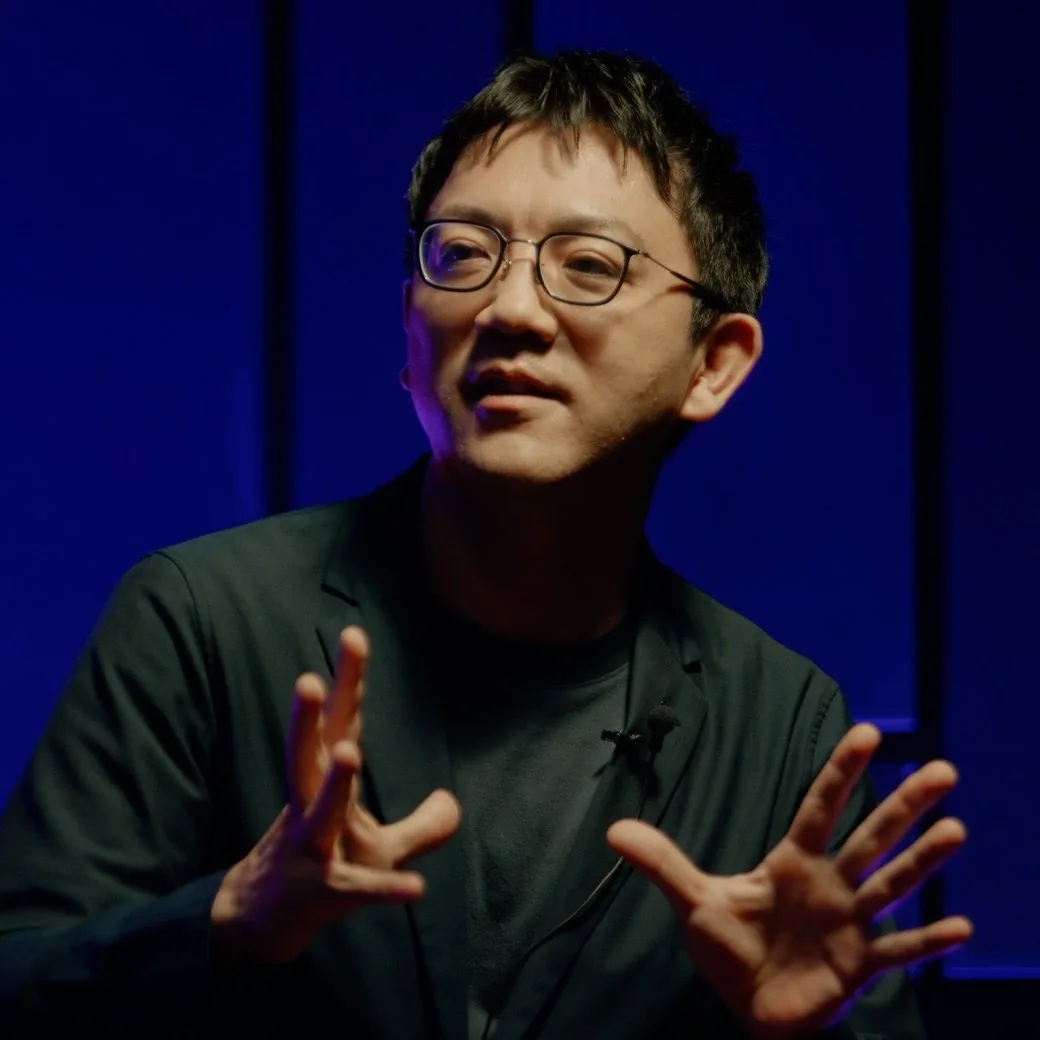
Growing From Six Animators to Three Hundred
Scaling an animation house requires fundamental evolutions in administrative philosophy. Wit Studio George Wada supervised an initial roster of merely six creators working collaboratively inside a compact facility. The team started with six people. Over nearly fifteen years of operation, the organization expanded into an enterprise employing more than three hundred specialized animators, background illustrators, and technical coordinators. Managing that personnel volume forced Wada to abandon centralized control in favor of delegating vital artistic decisions across autonomous production units [2].
Trust defined that operational transformation. Wada recognized that no colleague replicates another creator’s instincts, making mutual artistic deference crucial [1].
Co-founders Tetsuya Nakatake and Kyoji Asano established this creative framework by consistently choosing narratives where protagonists confront overwhelming adversity. When reflecting on industry longevity, Wada recalled advice shared by BONES president Masahiko Minami: ‘Once people forget about the things we create, that’s when it’s time for us to leave.’ Wada adopted Minami’s warning as a core operational compass, insisting that animation teams must continually pursue visual methods that cannot be replicated through live-action mediums [1].


Wit Studio George Wada Embraces One Piece
Assuming stewardship of Eiichiro Oda’s pirate epic represents the most scrutinized undertaking in Wit Studio’s history. During Anime Expo discussions, interviewer Bamboo Dong asked whether approaching such an iconic franchise prompted fear or enthusiasm. George Wada admitted that both sentiments dictate the production atmosphere. He invoked the Japanese expression waku waku to convey the team’s electric anticipation while acknowledging authentic apprehension about modernizing beloved material, yet concluded that creative excitement ultimately overshadows every hesitation [1].
Wada described the narrative balance as an authentic reflection of the manga itself, where youthful adventurers journey toward dangerous horizons driven by intense personal curiosity. Wada described Oda’s creation as one of Japan’s most precious cultural treasures, demanding profound respect coupled with daring technical execution. The upcoming anime is not designed to replace the ongoing Toei Animation series or the recent live-action adaptation, but instead provides an alternative gateway for viewers eager to experience the story with contemporary pacing. Growing international interest in classic manga properties continues to attract strategic corporate capital, as seen in Crunchyroll’s 917 million yen manga expansion deal that strengthens global digital reading infrastructure for legacy franchises [3].
Balancing visual familiarity with a distinct directorial voice forms the central objective for the production staff. By applying lessons mastered during their decade-long rise, Wit Studio aims to capture the emotional vulnerability of Eiichiro Oda’s early character arcs. The creative leadership maintains that animation must constantly innovate rather than replicate past formulas, preserving the foundational thrill that originally attracted readers across international borders [3].

Adapting the East Blue Saga for Netflix
The production specifications for The One Piece establish a disciplined structural framework for the worldwide Netflix launch. Wit Studio confirmed that the remake is scheduled to premiere globally in February 2027. Netflix will stream the remake. The premiere season focuses exclusively on the East Blue Saga, condensing roughly fifty manga chapters across seven episodes. That narrative arc guides Monkey D. Luffy through his formative voyage across the sea, concluding after his pivotal encounter with chef Sanji [3].
Eiichiro Oda originally launched the manga in Shueisha’s Weekly Shonen Jump on October 22, 1997, building an epic narrative that spans decades of serialized storytelling. Concept artwork released by the studio highlights dynamic character sketches of young Luffy with Red-Haired Shanks. Wit Studio George Wada underscored that this production maintains the studio’s founding ethos: pursuing forms of expression that can only be achieved through animation. The staff strives to deliver vibrant action choreography that reinterprets early manga panels with heightened cinematic fluidity [3].
Production pipelines across the Japanese entertainment sector increasingly prioritize long-term planning for established manga franchises, mirrored by the Shin Oishinbo anime confirmation for 2027. By refreshing historic titles with modern composition techniques, studios cultivate sustainable international viewing audiences while preserving the artistic integrity of foundational Japanese manga [2].

Tokyo Anime Next and Global Industry Ties
George Wada’s executive duties extend beyond studio management into broader industry leadership. During the Production I.G and Wit Studio panel at Anime Expo, Wada announced Tokyo Anime Next, a major animation event scheduled in Ikebukuro from October 30 to November 2, 2026. The Association of Japanese Animations (AJA) is organizing the initiative in direct collaboration with the Tokyo Metropolitan Government. Wada announced the festival initiative. The gathering serves as the official launch event for a permanent annual international animation festival debuting in 2027 [1].
The convention developed because Wada recognized that Japan lacked a prominent, recurring awards summit dedicated to honoring animation craftsmanship. After conferring with colleagues across competing studios, Wada organized an open platform designed to assemble creators, release industry developments, and invite international fans to experience Tokyo’s animation culture in person. Creators will gather in Ikebukuro to discuss production breakthroughs, establish professional connections, and provide aspiring animators direct access to industry leaders [1].
Connecting Japanese artistry with international audiences remains the defining current of Wada’s executive career. From wagering a six-person venture on Attack on Titan to guiding The One Piece across global digital networks, the operational vision has stayed consistent. Wit Studio George Wada continues to prove that hand-crafted animation flourishes worldwide when creative executives place genuine trust in their animators [1].
- ONLINE NEWS Dong, B. (2026, September 25). WIT Studio’s George Wada on Attack on Titan, Trust, and Taking on The One Piece. Anime News Network. [Article Link]
- ONLINE NEWS Whitfield, D. (2026, September 26). Wit Studio President George Wada Says Attack on Titan Was the Studio’s Only Choice for Its First Anime, Calls Its Global Impact Significant. OtakuKart. [Article Link]
- ONLINE NEWS Jung, M. (2026, September 26). Wit Studio President George Wada Says The One Piece Is Scary to Adapt, but ‘The Excitement Is Even Greater’. OtakuKart. [Article Link]


