






Snap reached a confidential settlement on Monday with two teenagers who accused the company of designing Snapchat to foster compulsive use, resolving the dispute two days before opening statements were scheduled to begin in Los Angeles [1]. The agreement formally removes Snap from a high-profile social media addiction lawsuit where Chief Executive Evan Spiegel was scheduled to testify in person [3]. By settling before trial, Snap averted what would have been the first courtroom appearance by its chief executive over youth safety claims, leaving thousands of related claims pending in state and federal courts [2].
Settlement in the Social Media Addiction Lawsuit
Jury selection had already begun last week in a California courtroom when attorneys announced the resolution on Monday, according to reports from Reuters and Courthouse News Service [1]. The case grouped claims from two separate lawsuits, leaving Snap as the sole remaining defendant after co-defendants settled out of court [2].
The plaintiffs had previously resolved their claims against Meta Platforms, TikTok, and Google’s YouTube [1]. Meta confirmed its settlement with the older plaintiff on Friday after previously settling with the younger user, a step that sources close to Meta told AFP was taken for business reasons [2]. Because the other technology firms had already exited the proceedings, Snap faced the prospect of defending its platform features alone in front of a Los Angeles jury. Both sides agreed to resolve the dispute under confidential terms, so neither the financial figures nor any potential commitments regarding application features were made public. The deal spared the company from a public verdict on how Snapchat affects adolescents [3].
In an official statement released after the agreement, Snap said both parties were pleased to resolve the matter amicably [1]. “The Parties are pleased to have been able to resolve this matter in an amicable manner,” the company said, noting it has introduced safety tutorials and worked with independent specialists to protect young users [3]. Snap also stated, “Because safety is never finished, we remain committed to continually strengthening the safety, privacy, and well-being of our community” [1].
Allegations Brought by the Two Teenagers
Court records identified the two plaintiffs only by their initials, S.J. and K.D.B., to protect their privacy while detailing mental health struggles allegedly linked to social platforms. Reuters reported that S.J. is a 16-year-old girl from Illinois, while K.D.B. is an 18-year-old woman from Mississippi [1].
The filings described early exposure to digital algorithms that began years before either teenager reached adulthood. According to reporting by The Next Web, the teenagers stated they began watching YouTube when they were as young as 3 years old and started using other social applications around age 9 [1]. In court documents summarized by AFP, attorneys also prepared arguments that the plaintiffs became exposed to problematic apps when they began using them at ages 13 and 15 [2]. The lawsuits argued that specific engagement mechanisms—chiefly infinite scroll feeds and automated video autoplay—were engineered to bypass self-control and encourage compulsive use among minors [1]. Both plaintiffs alleged that these features led directly to clinical depression, anxiety, eating disorders, and episodes of self-harm [3].
Snap firmly rejected claims that it deliberately designed Snapchat to cause addiction among teenagers [1]. In a statement issued a week before the settlement, a company spokesperson said, “We believe the evidence will support that we have put our community first, and that these allegations fundamentally misrepresent the plaintiffs’ experiences on Snapchat and how our platform was designed” [2]. Plaintiffs’ lawyer Mark Lanier argued that out-of-court pacts don’t fix systemic issues, saying, “What these teenagers need is a permanent fix, real design changes that protect kids, not case-by-case patches” [1].

Spiegel Testimony and Courtroom Preparations
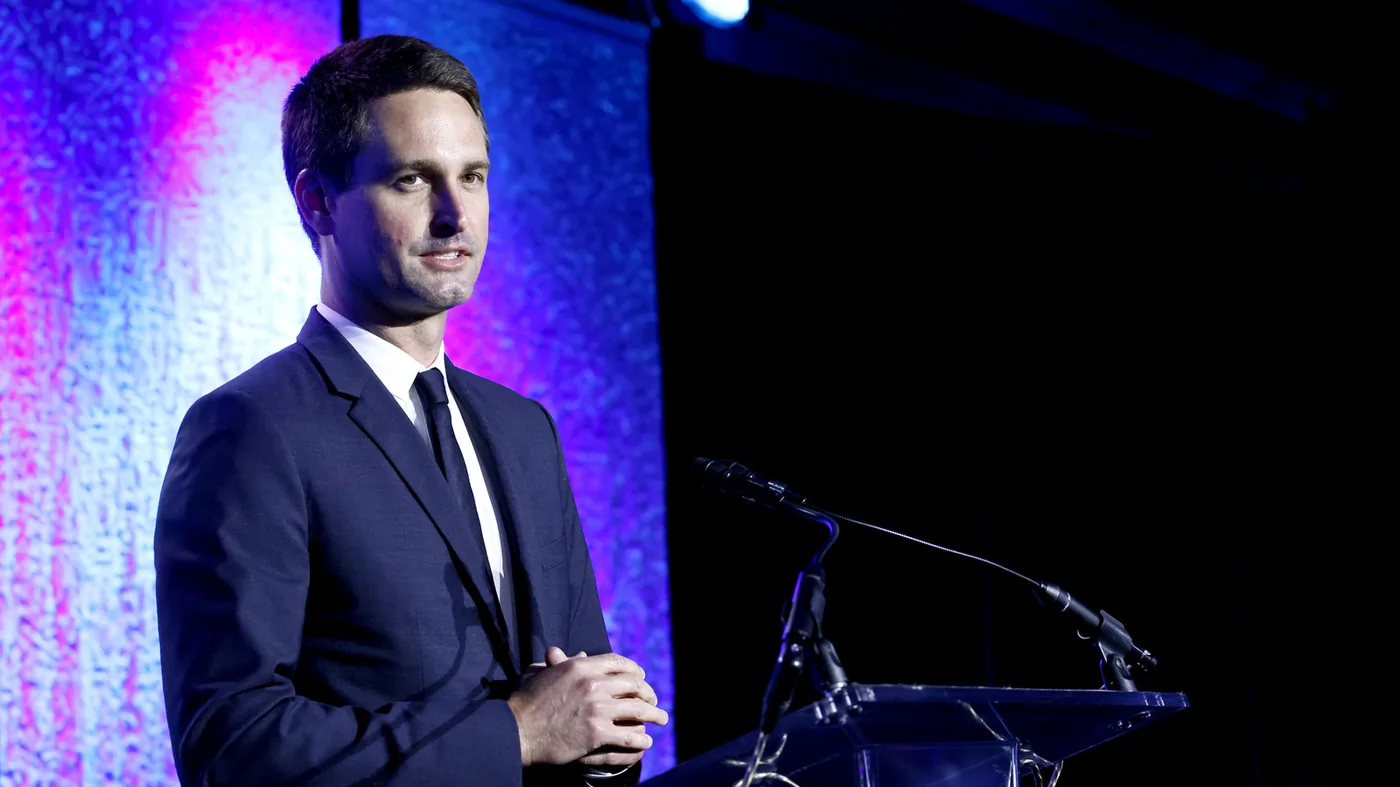
The impending trial had attracted industry attention because corporate leaders were expected to testify under oath. Hillel Aron of Courthouse News Service reported that Snap Chief Executive Evan Spiegel and Meta Chief Executive Mark Zuckerberg were both scheduled to take the witness stand [1].
Meta’s last-minute exit on Friday eliminated Zuckerberg from the witness list, leaving Spiegel as the sole prominent executive remaining on the docket [1]. If the trial had moved forward, it would have marked the first time Spiegel appeared in court to face questions about youth safety in this social media addiction lawsuit. Legal observers had anticipated scrutiny of internal company metrics, internal communications, and product development discussions regarding young users [3]. By finalizing terms just two days before opening statements, Snap’s leadership shielded Spiegel from cross-examination in what was poised to become a closely watched legal test [2]. The settlement prevented sensitive internal design discussions from being aired publicly [3].
Despite reaching private terms, plaintiffs’ attorneys framed the outcome as a significant step forward for their broader litigation campaign. “We are proud to have achieved justice for our bellwether clients so far, including K.D.B. and S.J.,” Emily Jeffcott, an attorney representing K.D.B., said in a statement. Jeffcott added that their mission remains focused on accountability, stating, “Our ultimate goal is to hold these social media companies accountable for how their actions have impacted millions of children across the country, and these settlements allow us to keep building toward that goal” [3].

Impact on the Social Media Addiction Lawsuit Wave
The Los Angeles proceeding served as a bellwether case in the broader social media addiction lawsuit litigation across the country. Bellwether trials help courts evaluate evidence and test legal arguments to guide future settlement discussions across broader multidistrict litigation [1].
This was not the first time tech firms opted to settle on the courthouse steps rather than face a jury verdict [3]. In March, a Los Angeles jury found Meta and YouTube negligent in the first bellwether trial, awarding a 20-year-old woman $6 million in damages [1]. Both Meta and YouTube have appealed that verdict, but Snap and TikTok avoided that initial jury decision by settling before the trial began [3]. A subsequent test case brought by another plaintiff also ended in an agreement before trial, establishing a consistent pattern of pre-trial resolutions [1]. Technology companies have repeatedly chosen financial settlements to prevent adverse jury findings on addictive design claims [3].
Attorneys for the plaintiffs said the next group of bellwether trials is scheduled to start in March, ensuring continued legal scrutiny for tech companies [1]. While federal and state mass tort cases proceed in California, individual states have also pursued independent actions, such as the TikTok settlement in Alabama addressing youth safety concerns. By resolving the claims from S.J. and K.D.B., Snap deferred a definitive courtroom verdict on Snapchat’s mechanics, but it didn’t eliminate the growing pipeline of pending lawsuits [3].

State Lawsuits and Legal Pressure
Beyond private lawsuits filed by individual teenagers, Snap confronts government litigation targeting its application design. The Next Web noted that the company faces a lawsuit from the state of Pennsylvania alleging that Snapchat features harm youth mental health and deceive parents about product safety [1].
The scale of potential legal liability for social media operators was demonstrated in August, when Meta agreed to settlements worth up to $18 billion with nearly every US state and territory, as reported by Reuters. Of that $18 billion sum, $5 billion is contingent on states reaching comparable agreements with Snap, TikTok, and YouTube. State officials have pursued financial remedies through various legal actions, reflecting scrutiny similar to the Meta privacy penalty in New Mexico regarding teen protections. These massive state settlements illustrate how state attorneys general are coordinating pressure to force product changes on major tech platforms [1].
For Snap, resolving the California bellwether trial provides temporary relief from public testimony, but the broader courtroom battle is far from finished [3]. As hundreds of personal injury claims move toward court hearings and state inquiries continue, social platforms remain under pressure to prove their safety features work in practice [2]. While private settlement checks keep executives off the witness stand, they leave open the question of how social platforms will adapt to mounting legal demands [1].
- ONLINE NEWS Stanciuc, A.-M. (2026, November 2). Snap settles social media addiction case, sparing Spiegel the stand. The Next Web. [Article Link]
- ONLINE NEWS Zinin, A. (2026, November 2). Snap settles US social media trial days after Meta. Tech Xplore. [Article Link]
- ONLINE NEWS Bell, K. (2026, November 2). Snap settles social media addiction lawsuit to avoid trial. Engadget. [Article Link]


