





The Entertainment Software Association has asked trade officials to add Anbernic emulation handhelds to the federal piracy watch list, arguing that the portable devices act as superfake hardware designed to enable copyright infringement [2]. In its annual filing to the Office of the United States Trade Representative, the lobby group said that the units normalize illegal game copying by giving everyday buyers a polished system [3]. While Anbernic builds budget hardware running open-source code, game studios say the devices rely on pirated catalogs to drive sales [2].
Trade Filing Targets Anbernic Emulation Handhelds
The Entertainment Software Association acts as the main lobby for console makers and game studios in the United States [2]. Every year, the trade group sends a piracy report to the Office of the United States Trade Representative to call out foreign actors accused of aiding copyright theft on a wide scale [4]. In its latest filing, the lobby took the unusual step of naming Anbernic, a Chinese maker of small devices styled after classic consoles. The hardware has a loyal fan base. Big game brands now urge federal staff to treat the Chinese maker as a rogue piracy hub in formal trade talks [2].
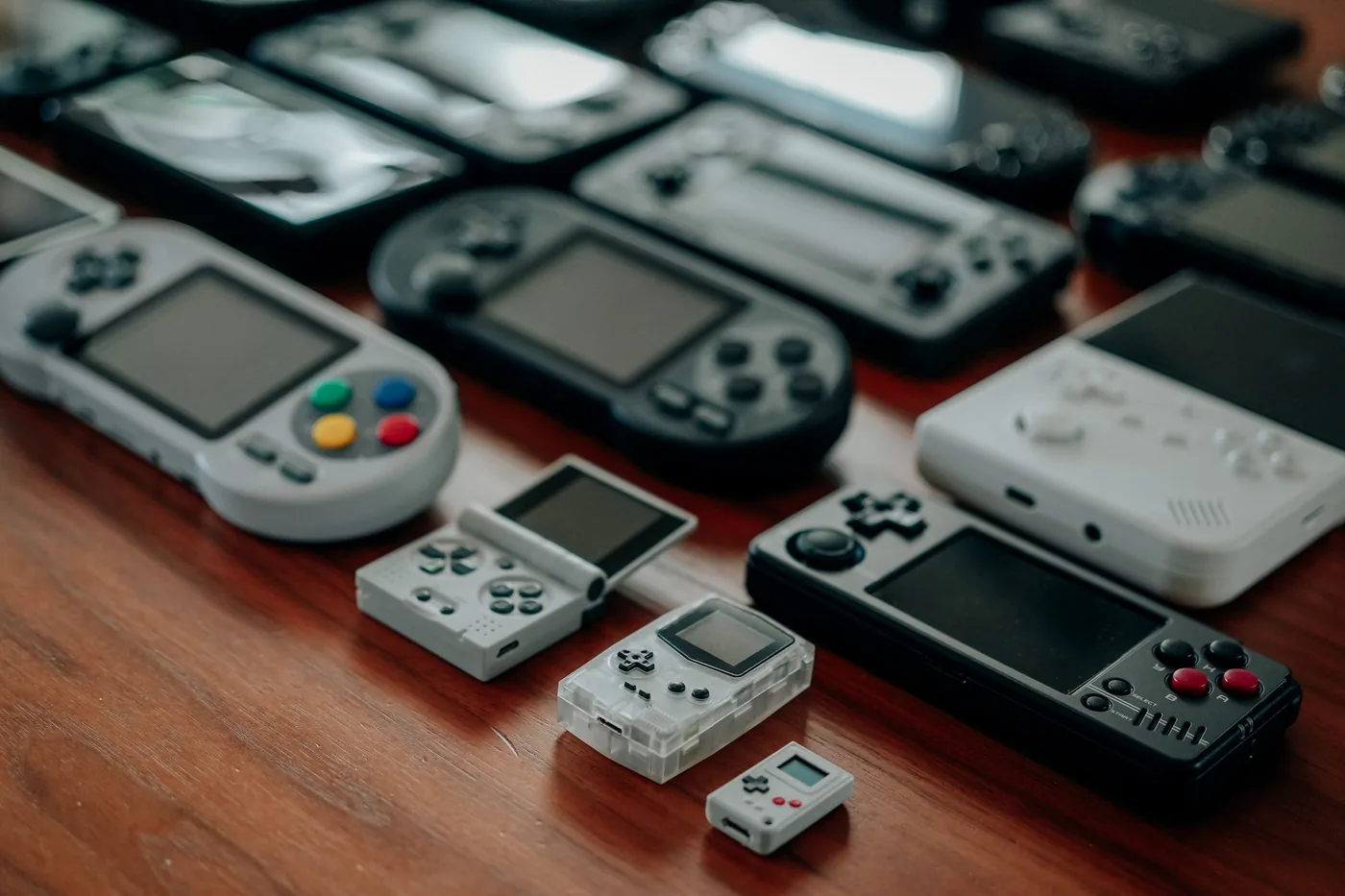
Anbernic sells small retro devices that cost from thirty to over a hundred dollars on open retail web shops. Prices start near $30. Most models run Linux setups that let players mimic dozens of vintage systems, from early 8-bit machines up to 3D arcade boards [2]. Fans praise the low cost of the gadgets [3]. It isn’t a secret that retro gamers buy them to play old favorites that aren’t sold in stores today. But the lobby argues that the business model rests on giving buyers access to protected game files without a license [2].
Trade reports don’t have the power of a court order. But landing on the piracy watch list causes business trouble. If the United States Trade Representative acts on the filing, the agency could push for trade tariffs or border curbs that slow down shipping for Chinese gadgets. The risk is real. The move also pressures retail sites to drop the hardware. For Anbernic emulation handhelds, this clash brings diplomatic scrutiny to products that once stayed off the radar of big media corporations [2].
What Makes a Superfake Under Trade Policy?
The most debated part of the trade filing is the vocabulary the lobby chose to describe retro gaming devices. Instead of merely calling the portables piracy tools, the Entertainment Software Association called Anbernic hardware “superfake” products [2]. In trade law circles, that tag usually applies to “high-quality counterfeit trademark goods … on a commercial scale,” a label built to trigger harsh border checks against fake luxury goods. The label is harsh [3]. It’s a calculated rhetorical shift meant to link portable emulators with criminal copycat rings that sell fake goods for profit [2].
Yet Anbernic devices don’t carry counterfeit Nintendo or Sony logos on their plastic shells. Sony trademarks are not used. The hardware uses original brand logos and custom case styles rather than fake badges meant to trick shoppers into buying imitation gear [2]. Instead, the trade group argues that selling ROM-laden Anbernic devices through “normal retail channels” helps to “normalize hardware-based piracy by delivering illicit catalogues through a polished consumer product”. Under this logic, packing thousands of old game files inside a neat shell turns the device itself into an illegal good [3].
Legal experts and game historians ask whether that claim can survive scrutiny in an American court. Courts haven’t ruled that selling an unconfigured computer or portable console is illegal simply because it can run emulated code. Emulation itself is lawful. But by framing the debate around fake goods, game makers hope to bypass slow copyright suits and convince customs staff to seize shipments at border ports. It’s a strategy that takes aim at the hardware supply chain rather than individual software users [2].


Disputed Claims Around Preloaded ROM Libraries
Much of the debate centers on whether Anbernic actually ships its consoles with preloaded game files. Experiences across the retro gaming scene vary. Many buyers say they got memory cards packed with tons of classic games when ordering from the official web store. Other buyers say their units came with blank cards and zero game files. An OSNews writer who bought three devices from the store over the years found no ROM files on them. The author’s latest RG 35XXPro Linux-based model arrived completely clean. The editor later installed the open-source Knulli operating system on the handheld without finding proprietary code [3].
Finding retro game files on the web doesn’t take much work, which makes preloading an unnecessary risk for any hardware builder. Anyone with a web link can search for a console name and download complete ROM packs containing full software libraries in minutes. Downloading ROMs is easy. If Anbernic does preload copyrighted code on factory units, the company bears legal blame for bringing on trade trouble [3]. But reporter Kyle Orland at Ars Technica pointed out that third-party sellers, not Anbernic, are the ones routinely selling ROM-filled SD cards to boost retail profit margins [1].
That gap creates a gray zone between the factory and independent sellers. When devices ship directly from Chinese depots, factory setups seem to vary between production runs [3]. But once the hardware reaches Western retail sites, third-party sellers often flash memory cards with pirated games to attract casual shoppers who don’t want to set up software themselves. Third parties sell the cards [1]. Game studios treat that whole setup as one shared scheme, holding the hardware maker to blame for downstream seller behavior [2].
Why Retailing Puts Anbernic Handheld Devices in the Crosshairs
The sales pipeline is where the lobby group’s case runs into an awkward conflict. Online retail giant Amazon sells loads of Anbernic handheld devices bundled with preloaded SD cards offered by outside sellers. What makes this ironic is that Amazon is an active member of the Entertainment Software Association lobby. Amazon belongs to the ESA. Instead of pushing member stores to clean up their own marketplace listings, the trade group has aimed its fire at foreign hardware makers [3].
Major retail platforms have long faced heat for lax rules when watching third-party sellers. Counterfeit gear, bootleg media, and pirate cards routinely slip past automated listing filters on giant web stores. Amazon is very wealthy. Because retail giants hold vast wealth and political influence, trade lobbies often avoid fighting them in public. Going after Anbernic gives the video game business an easy overseas target while avoiding tough talks with retail partners who profit from hosting those sales [3].
If the Office of the United States Trade Representative takes the complaint, retail sites might feel pushed to purge emulation gadgets from search results to avoid political heat. Western web shops have delisted gaming gear in the past when pushback from publishers reached a boiling point. Losing retail listings would hurt Anbernic far more than a trade policy report. For hobbyists who rely on domestic shipping to get their retro gear quickly, a retail purge could make buying Anbernic emulation handhelds far more difficult in the coming months [2].
Legal Ambiguity and the Future of Retro Gaming
Emulation has occupied a debated legal zone in the United States for decades. Federal courts have repeatedly found that building and running emulation software isn’t inherently illegal. Courts have not banned emulators. Furthermore, legal rulings have recognized that players have some right to run games they legally own on devices of their choice. What publishers hate isn’t the code itself, but the reality that millions of retro players download ROM files without buying original media. Because vintage titles are out of print, fans turn to Anbernic retro handhelds as cheap preservation tools [2].
Emulation advocates argue that major studios brought this demand on themselves by ignoring their own game archives. While digital clubs like Nintendo Switch Online offer some classic games, thousands of older releases stay locked on dead cartridge formats without legal digital storefronts. Old games fade away. Nintendo has pursued emulation sites and ROM distributors through direct legal action, winning a major victory in a recent Switch piracy lawsuit that ended in a multimillion-dollar penalty. But suing a Chinese maker in foreign courts is logistically tough, which explains why the industry is turning to trade pressure instead [2].
The next few months will show how seriously federal trade regulators take the industry’s plea. If trade staff put the Chinese maker on official piracy watch lists, other makers of emulation devices could face similar crackdowns across Western markets. Retro gaming has survived for years in an uneasy truce between copyright owners and open-source hobbyists. But as handheld hardware gets more polished and easy to buy, that fragile peace is giving way to open conflict [2].
- ONLINE NEWS Orland, K. (2026, October 13). ESA Targets Anbernic Emulation Handhelds as “Superfake” Piracy Enablers. Ars Technica. [Article Link]
- ONLINE NEWS NewsWhite. (2026, October 13). ESA Escalates Pressure on Anbernic Over Emulation Handheld Piracy. NewsWhite. [Article Link]
- ONLINE NEWS OSNews. (2026, October 14). ESA Targets Anbernic Emulation Handhelds as “Superfake” Piracy Enablers. OSNews. [Article Link]
- ONLINE NEWS TechSpot. (2026, October 14). ESA Calls Anbernic-Style Handhelds “Superfakes” and Wants the US to Treat Them as Piracy Hubs. TechSpot. [Article Link]


