





Google introduced a redesigned Google Play app experience on October 13, 2026, rolling out software updates for vehicles with Google built-in across 16 automotive brands. Drivers can access in-car navigation tools like Google Maps and AI features through Gemini without plugging in a smartphone. The rollout brings fresh entertainment services, single-tap downloads from cabin screens, and audio playback that shifts from parked mode to drive across more than 100 car models [1].
Redesigned App Experience for Vehicle Displays
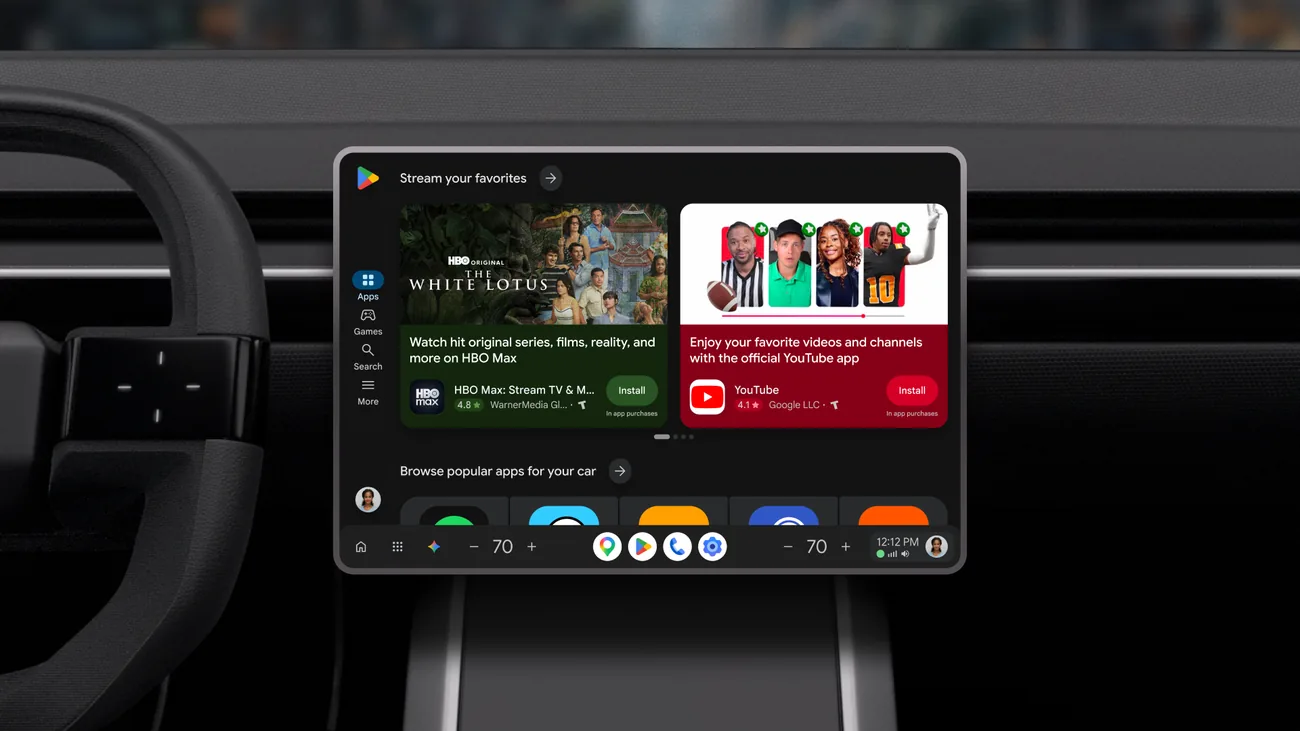
Cabin screens come in many shapes, so Google built an interface that shifts its grid to match horizontal, square, or vertical dashboard displays. The storefront organizes more than 700 apps with simplified home tabs that surface fresh releases, editor selections, and category rankings. Drivers install programs with single taps. That setup lets people check software details and download titles while waiting at an EV charger or sitting in a school pickup line [1].
Finding relevant in-car software used to mean scrolling past phone apps that didn’t fit dashboard screens, but the revised storefront groups titles into curated collections tailored for whether a vehicle is moving along highways or stopped at public EV charging plugs. Drivers who need quick spoken updates can browse audio collections before starting a morning commute, while families taking a rest stop can switch straight to gaming or video libraries. Every vehicle cabin layout differs. Because layouts vary across car models, the software uses responsive interface elements that fit round corners and distinct screen aspect ratios without hiding menu controls. Haris Ramic of Google said the updated layout helps people find cabin tools in fewer taps [1].
The storefront doesn’t clutter screens with complex menus when a car stops, keeping the main interface simple so users can pick audio or video titles quickly. The update needs no dealership visit. Google said the visual updates will reach drivers automatically over the coming weeks without requiring trips to a service center. These interface adjustments give drivers a smoother app experience across diverse dashboard shapes [1].
Seamless Media Playback From Parked to Drive
Entertainment in parked cars expands with new software titles arriving on the Google Play catalog, including the web browser Firefox, the video platform STARZ, the board game Ludo King, and the regional streaming service JioHotstar. Drivers can open these programs while parked during charging stops or rest breaks to catch up on web articles or watch short video episodes before shifting back onto the highway for long trips [1].
A central update solves a common frustration by keeping media playing when a car begins moving down the road. In earlier software builds, shifting out of park shut down video playback entirely, cutting off music videos, interviews, or news commentaries midway through a segment. The new parked-to-drive transition keeps the audio track running in the background the moment the vehicle shifts into drive, letting people listen without interruption while the screen hides the video feed [1]. Music continues when shifting into gear.
YouTube is the first video service to adopt this audio handoff, and Google plans to bring background audio transitions to other media partners like Audible, Pandora, SiriusXM, Amazon Music, TuneIn, Gaana, and The Post. YouTube arrived first. That continuity lets passengers and drivers enjoy uninterrupted audio programs without restarting playback after every traffic pause [1].



Automaker Partners and Cabin Display Rollouts
Google built-in technology currently powers infotainment displays for 16 vehicle manufacturers. Car companies like Mazda, Honda, Polestar, BYD, and Volvo use this platform to run native navigation, voice commands, and cabin settings. Drivers don’t need a phone. Connecting software straight to in-vehicle hardware allows apps to launch faster and access steering wheel controls or cabin speakers smoothly without depending on mobile device batteries [1].
GM is introducing the updated interface on flagship trucks, including the 2027 Chevrolet Silverado 1500 and the 2027 GMC Sierra 1500 Denali Ultimate AT4X. GM plans 2027 pickup updates. These vehicles feature expansive center displays that take advantage of the flexible dashboard layout, placing maps, climate tools, and media selectors within comfortable reach. Drivers can haul heavy gear or embark on road trips while Gemini answers route questions and Google Maps provides traffic updates hands-free [1].
Cabin software updates arrive over the air, so vehicle owners won’t have to schedule manual firmware installations or connect external storage drives to update their systems. Each automaker tunes display layouts to its own interior dimensions. Menus stay clear on wide dashboards and vertical panels alike [1].

How In-Car Application Experience Evolves Today
Many motorists ask what is native application experience when comparing built-in automotive software against basic phone projection modes like Android Auto. In a built-in setup, the car itself runs the software on internal processors, eliminating wireless disconnects, phone battery drain, and screen lag during hot summer afternoons. The operating system ties into vehicle sensors directly. Navigation apps calculate battery range on electric models with precision [1].
The shift toward embedded vehicle software reflects how people use their cars beyond driving. When stopped at high-power charging stations for thirty minutes, drivers increasingly treat the cabin like an office or an entertainment lounge where they can browse articles with Firefox or play casual games with passengers. Standalone dashboard apps mean incoming calls won’t interrupt ongoing video streams or navigation alerts on the main display [1].
Drivers can also ask questions hands-free through Gemini, checking destination weather, nearby charging availability, or local business hours while keeping both hands on the wheel. Voice interactions bypass physical touchscreens when driving conditions demand complete focus. Gemini returns spoken answers rather than dense lists of search results. The system creates a balanced cabin environment where entertainment and utility don’t fight for driver attention [1].
Gemini Integration Across In-Car and Desktop Workflows
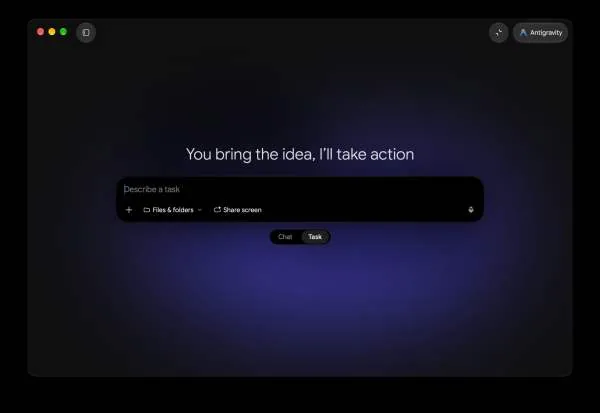
Google’s automotive software updates arrive as the company also broadens its AI software across personal computers. On the same day, Google released Gemini 4 Argon. The rollout brings the Antigravity agent platform directly into the Gemini app for macOS. Version 2.0 of Antigravity debuted at I/O 2026 as a standalone application for Mac, Windows, Linux, and Googlebook Android, but Mac users can now open the development tool inside Gemini through a new Liquid Glass pill button [2].
Gemini 4 Argon offers upgraded coding capabilities, letting developers build apps and web projects inside a single interface. Argon access needs AI Pro. Opening Antigravity inside the Mac client requires the higher AI Ultra tier. PerEXP Teamworks previously covered Google’s paid AI Pro and AI Ultra tiers, tracking how access rules differ across development environments [2].
The macOS client also adds a switcher for Chat and Task, with Task serving as the updated name for Gemini Spark. Task replaces Gemini Spark. Users can open a Scheduled view to monitor active Spark tasks alongside planned actions, while an @ symbol now opens Skills instead of the older slash command. In the side panel, a Customize tab houses Skills and Connectors, which replaces the former Connected Apps label. For workstation users, Google also maintains the Gemini app for Windows with comparable background workflows [2].
Whether writing code in Antigravity or downloading streaming tools in a pickup truck, users interact with software that adapts to different physical screens [1, 2]. Abner Li of 9to5Google reported that fast-paced updates have reached Gemini desktop software weekly, mirroring the rapid delivery model Google now brings to automotive dashboards. The Mac client updates every few days. These software updates show how Google keeps expanding connected services from office desks to family vehicles [1, 2].
- PRESS RELEASE Ramic, H. (2026, October 13). A new app experience is coming to cars with Google built-in. Google. [Article Link]
- ONLINE NEWS Li, A. (2026, October 13). Google Antigravity is now built into Gemini app for macOS. 9to5Google. [Article Link]


