





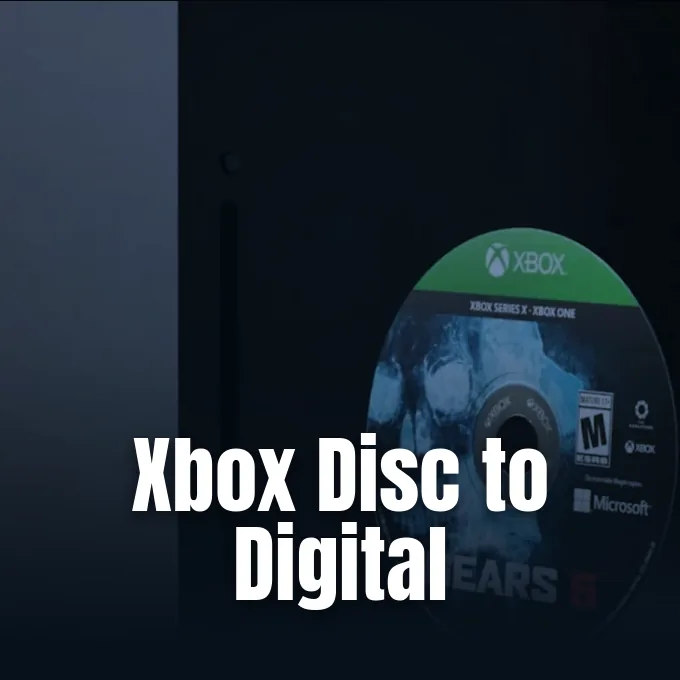
Microsoft rolled out its official Xbox disc to digital conversion system to all console owners this week, opening a direct bridge between physical boxed games and account-based libraries [1]. Following roughly a month of targeted evaluations across preview rings, console players who insert compatible Xbox Series X and Xbox One discs into their machines now receive direct dashboard prompts to claim matching digital licenses [3]. Physical game discs remain fully functional. The system eliminates disc swapping during daily play while extending access to personal computers through Xbox Play Anywhere [1].
How Xbox Disc to Digital Conversion Works
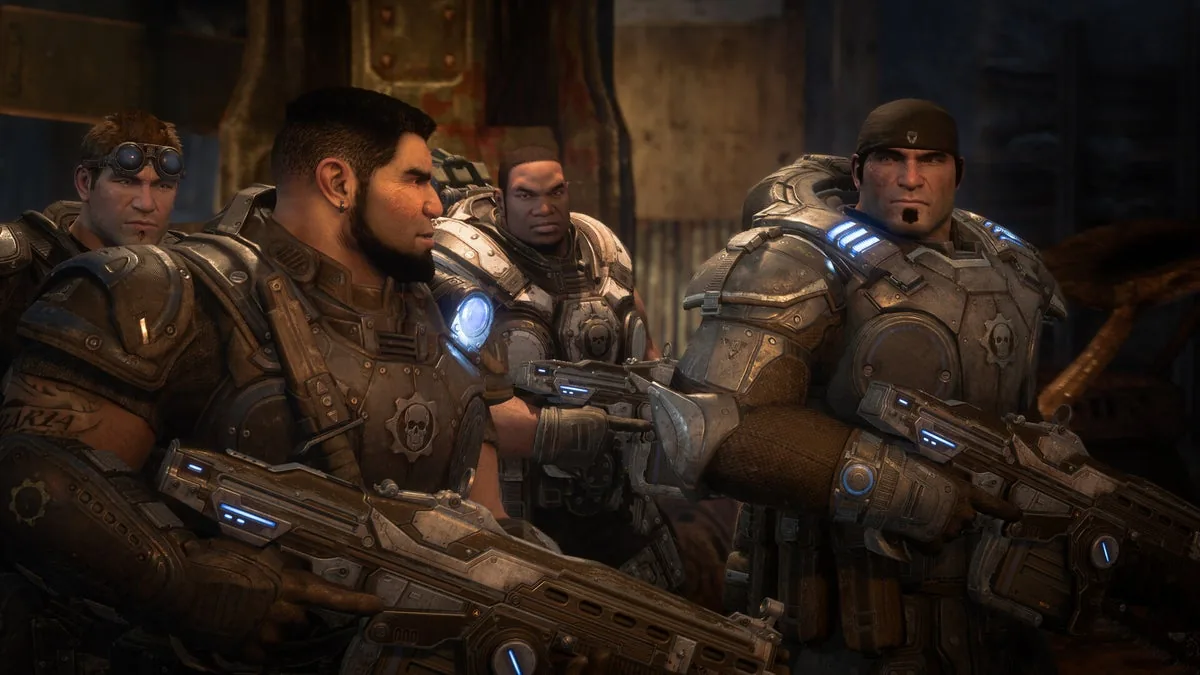
Inserting an eligible disc into the console tray initiates an automated authentication handshake with Xbox network servers. Rather than requiring constant physical verification, the console registers the game’s unique product identity to the player’s personal profile, issuing a corresponding digital entitlement in the user’s account library. Gears 5 demonstrates this dual-license model [1]. Xbox engineer Eden Marie confirmed across social media channels that the deployment is active globally for all retail hardware after concluding initial preview trials with registered Xbox Insiders [5].
Players processing substantial boxed collections can adjust installation behavior before feeding dozens of optical cases into the machine. In the newly released software build, Microsoft added an explicit dashboard toggle that prevents optical discs from automatically triggering heavy local data installation upon insertion. The console registers discs in seconds. Separating the licensing handshake from storage-heavy file transfers gives collectors the practical freedom to catalogue their entire physical library without immediately filling the internal solid-state drive [3].
Converted titles that support Xbox Play Anywhere automatically unlock companion digital installations on Windows personal computers through the native Xbox desktop application. Players can filter their personal game library by the Play Anywhere badge to verify which digitized physical releases carry cross-platform desktop entitlements [3]. Cloud Gaming also interfaces with these claimed entitlements, though Microsoft plans to introduce hourly playtime restrictions on cloud streaming sessions starting this November to manage server infrastructure costs across peak traffic periods [1]. Play Anywhere unlocks desktop downloads [3].
Licensing Rules and Account Ownership Safeguards
Microsoft designed the disc-to-digital framework around a singular dynamic license per physical copy rather than duplicating software entitlements for unregulated secondary distribution across multiple household accounts. An official Xbox support bulletin explicitly clarifies the strict physical possession requirement: “A disc to digital license is associated with the qualifying game disc. Without possession of the qualifying disc, you may lose the disc to digital licensing benefits [1].” Selling, trading, or giving away the boxed disc terminates the seller’s digital access once the subsequent owner inserts that same media into another connected console. The original user license gets revoked [3].
Not every retail game qualifies for digital conversion under the current program parameters. Microsoft stated that conversion eligibility covers most physical releases across Xbox One and Xbox Series X, though certain titles remain excluded because of technical, licensing, publishing, or manufacturing constraints. Third-party publishers maintain ultimate discretion over whether their retail games participate in the conversion registry [3]. SEGA began testing games in preview rings [5].
Community testers have already confirmed over 1,500 working disc conversions through hands-on console trials. Because Microsoft has not published an official master catalog, gamers must check individual in-console badges to confirm whether a specific boxed disc qualifies for digital redemption [5]. That verification workflow mirrors how developers manage physical disc data constraints when balancing optical media against multi-gigabyte downloadable updates [1]. Community members maintain independent compatibility lists [5].
Console Storage Constraints and External Drive Costs
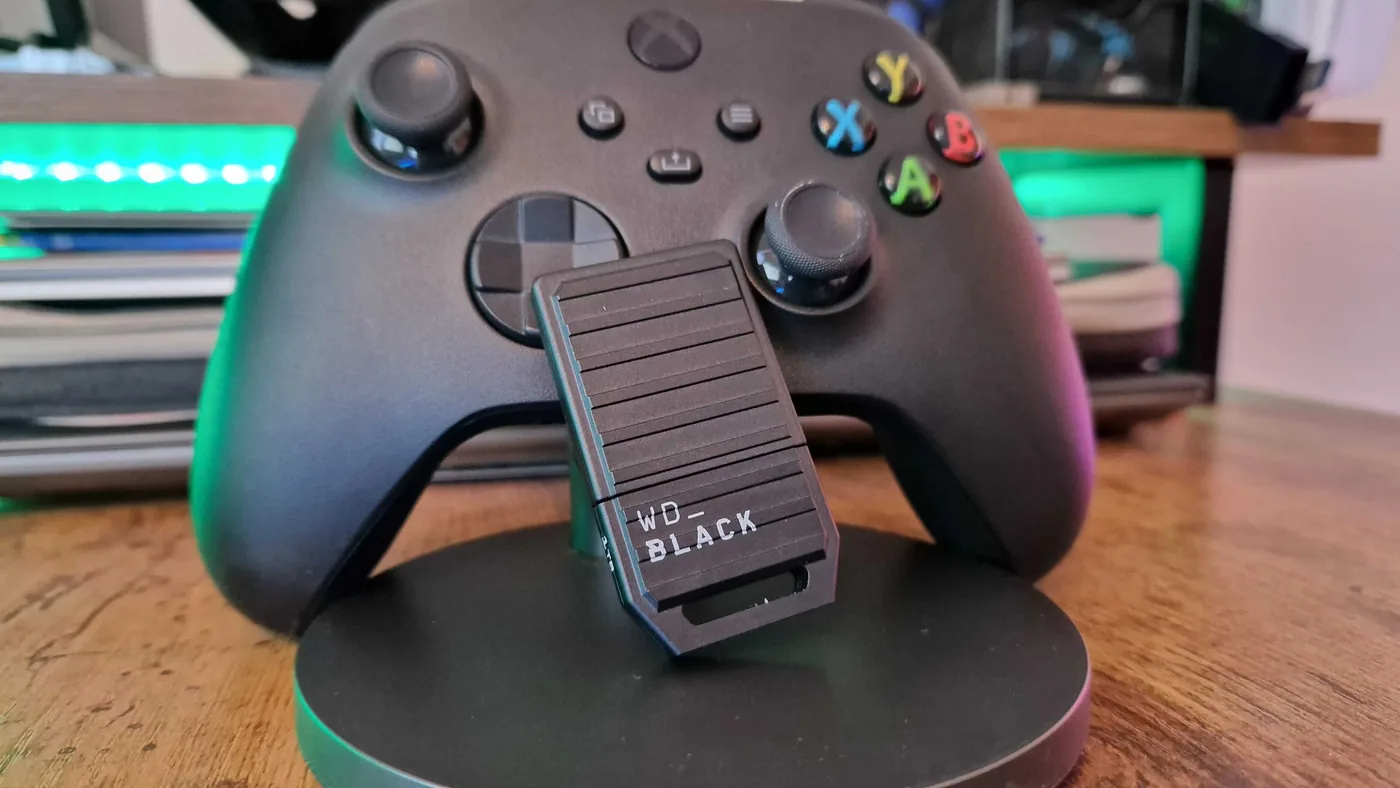
While digitizing a shelf of physical cases eliminates living room clutter, it places immediate strain on internal console storage as players install converted titles. The standard Xbox Series X console equipped with an optical disc drive offers exactly 802GB of usable storage space once the operating system reserves its base partition. Baldur’s Gate 3 requires 150GB. Upcoming blockbuster Gears of War: E-Day demands approximately 120GB, while The Witcher 3 Remastered occupies another 50GB of drive space. Ten average installations consume that space [2].
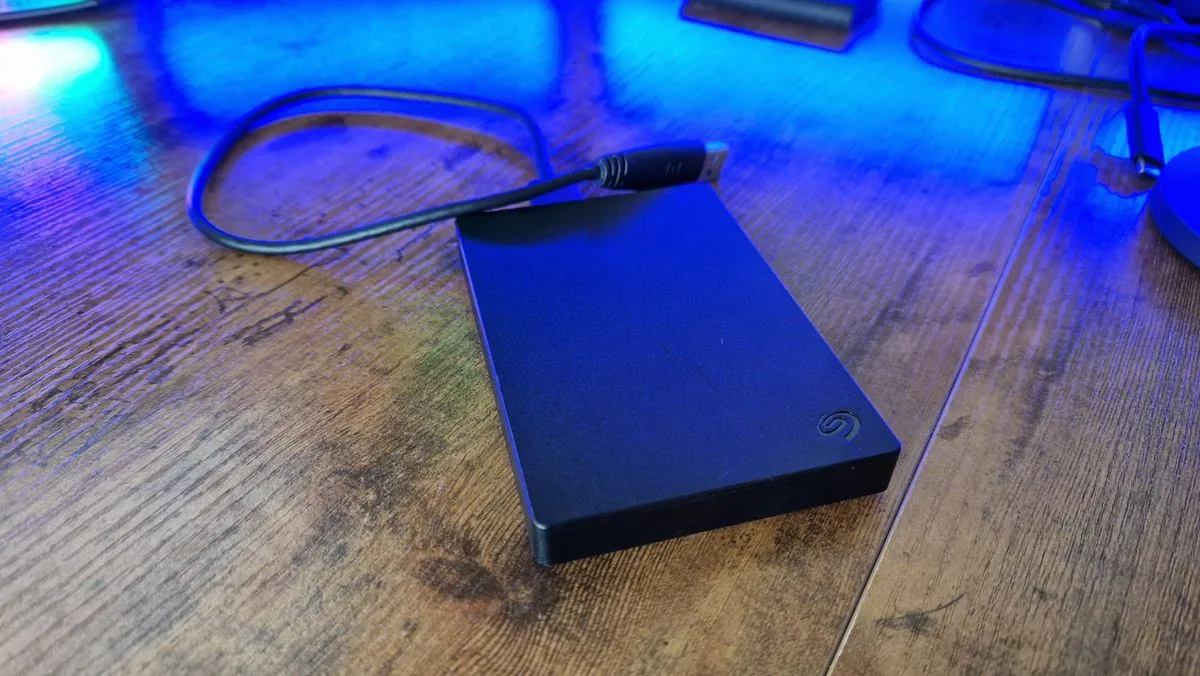
With typical Xbox games averaging 75GB per title, digitizing a collection of ten to thirteen retail cases demands roughly 1TB of supplementary external storage. Collections of fourteen to twenty-six discs require 2TB of space, while libraries exceeding twenty-six titles demand 4TB to house up to fifty-three digital game installations. Storage economics complicate this transition because hardware prices have surged across 2026, pushing external drives that previously cost $50 into price brackets between $120 and $200. At Amazon, standard 1TB external drives from Western Digital and SanDisk average $122, while 2TB options average $135. Seagate external hard drives cost $129.99. The 2TB WD Black P10 retails for $131.99 with one month of included Xbox Game Pass [2].
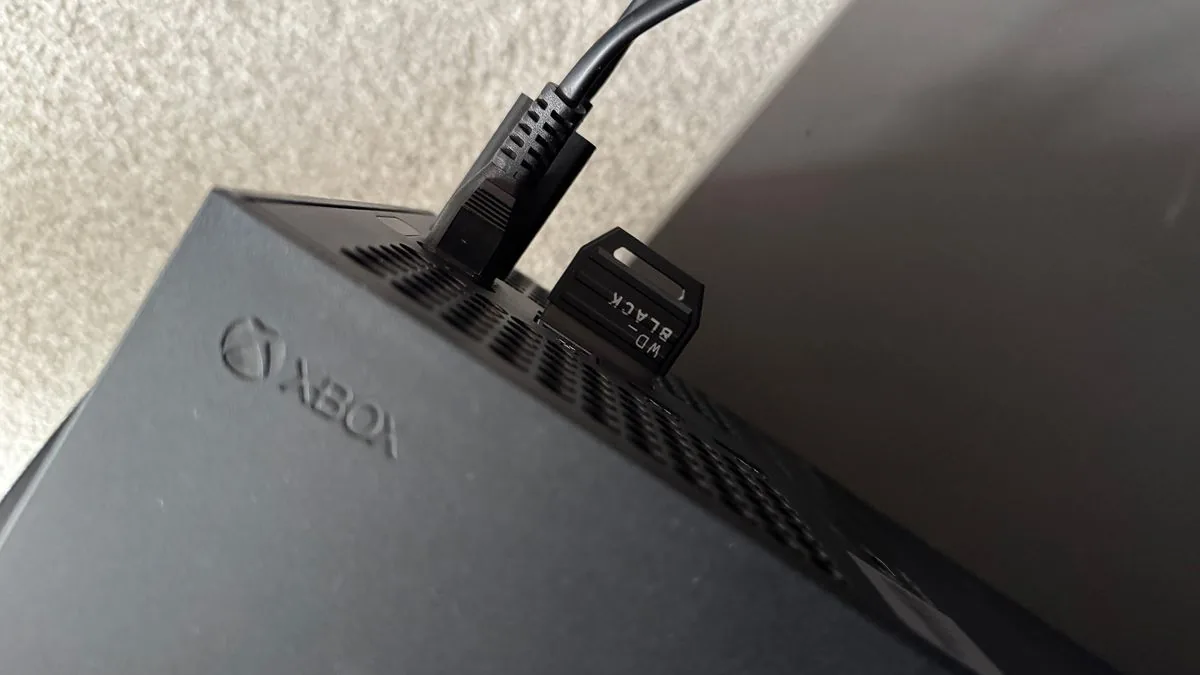
Any standard USB 3.0 hard drive connects to the console for cold storage. Players simply transfer archived game files back to system storage before playing [2].
Is Xbox Disc to Digital Available on Xbox One?
Xbox One owners enjoy complete access to Xbox disc to digital conversions provided their machine includes an operational optical disc tray [3]. Inserting compatible legacy discs into an Xbox One console generates an account-level digital license across supported backward compatible and native releases [4]. However, players who own all-digital hardware—including the Xbox Series S or the discless Xbox Series X model—cannot initiate the disc conversion process on their personal consoles. Those discless console owners must borrow access to a physical disc drive on a friend’s machine to authenticate their boxed media and claim digital entitlements [2].
Microsoft refined the disc recognition pipeline during extensive evaluations conducted through its preview rings over recent weeks. The conversion feature evolved through structured Xbox Insider testing initiatives before platform engineers approved the system for broad global activation across consumer hardware. Testers reported occasional recognition hitches on older discs, though re-seating physical media or refreshing the console license cache routinely resolves initial authentication delays. Eden Marie confirmed the rollout [5].
Dual-generation compatibility ensures that vast disc collections accumulated across the Xbox One era remain fully playable on modern hardware without repurchasing digital software. Players upgrading from an older disc-based machine to a discless Series S can carry forward their converted library through their unified Microsoft profile [2]. By connecting both hardware generations through shared licenses, the initiative protects decades of physical gaming purchases from premature hardware obsolescence [1].
Preservation Priorities and Microsoft Ecosystem Strategy
Microsoft positioned the migration initiative as a central pillar of its long-term gaming software preservation strategy. In August, Xbox leadership publicly articulated that corporate philosophy: “As technology, devices, and distribution continue to evolve, preserving access to the games people own matters more than ever.” That stance contrasts with competitor Sony Interactive Entertainment, which faces mounting industry criticism over corporate roadmaps projecting the total termination of PlayStation physical disc manufacturing by 2028. PlayStation disc production ends in 2028 [1]. While future PlayStation players risk needing to repurchase physical libraries digitally, Xbox owners secure durable forward compatibility for existing boxed collections [2].
The rollout of Xbox disc to digital capabilities coincides with profound organizational restructuring across Microsoft’s central gaming division. Microsoft laid off 268 additional gaming employees following corporate staff reductions exceeding 1,500 workers earlier this year, restructuring Halo Studios and reassigning future Halo franchise development to Activision. Xbox also assumed official publishing rights for Hideo Kojima’s anticipated action-espionage project Physint after PlayStation abandoned the production. Activision now manages future Halo releases [1].
By transforming boxed discs into account-bound digital entitlements through Xbox disc to digital features, Microsoft binds players more tightly to its digital store ecosystem [2]. Retail packages that once functioned strictly as standalone offline discs now operate as persistent access tokens across consoles, gaming laptops, and cloud streaming endpoints [1]. Maintaining broad compatibility with legacy collections reduces consumer friction as hardware manufacturers accelerate the broader industry transition toward disc-free home entertainment hardware [2]. Physical disc collectors preserve their legacy game libraries without sacrificing the convenience of modern digital game distribution [1].
- ONLINE NEWS Stewart, M. (2026, September 30). Xbox Disc-To-Digital Program Now Available For All Players. Game Informer. [Article Link]
- ONLINE NEWS Baker, T. (2026, September 30). Xbox rolls out disc-to-digital program worldwide, but won’t somebody please think of the hard drives. GamesRadar+. [Article Link]
- ONLINE NEWS Saed, S. (2026, September 30). Xbox’s disc-to-digital feature rolls out for Series consoles and Xbox One, allowing you to digitise your game-disc collection. Eurogamer.net. [Article Link]
- ONLINE NEWS GameSpot. (2026, September 30). Xbox Disc-To-Digital Program Is Officially Live For Everyone. GameSpot. [Article Link]
- ONLINE NEWS Pure Xbox. (2026, September 30). Xbox Disc To Digital Is Now Live For Everyone, But You May Need To Force It Through. Pure Xbox. [Article Link]


