






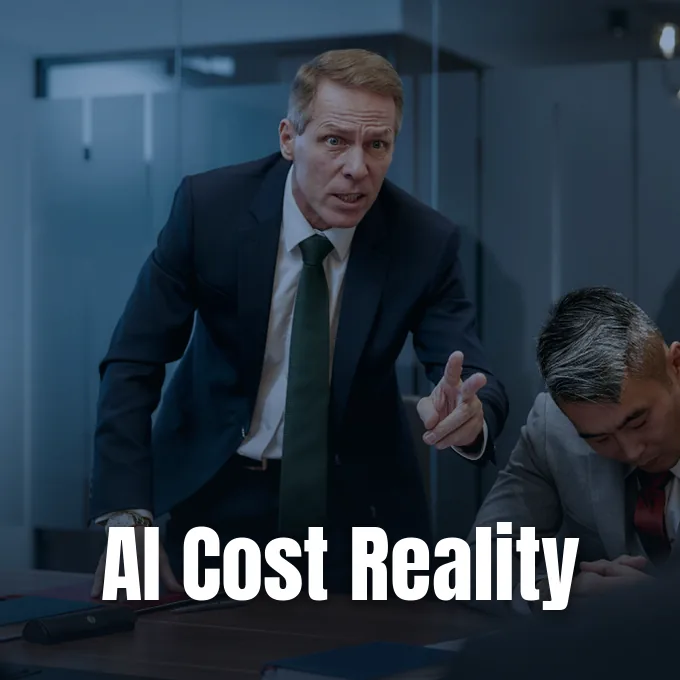
Apple has reduced daily Apple AI budgets for software engineers in Cupertino from $300 down to $200 as Chief Executive Officer John Ternus moves to cut company spending on external software tools. The quiet rollback took place in October. Apple is also planning further cuts that could lower daily caps to as little as $100 for several engineering groups. Non-engineering teams already face a $100 daily limit, but leaders discussed dropping that cap to $25 for certain groups. People familiar with the private talks told Mark Gurman at Bloomberg that staff needing larger funds can seek exemptions from senior leaders [1].
Apple AI Budgets Drop for Engineers
Tokens form the basic units of text and data that models process. Advanced cloud models charge higher rates per token, meaning Apple coders working on complex programming problems can burn through hundreds of dollars in external server fees during a single afternoon. Apple previously gave engineering teams in Cupertino generous room to test third-party tools without budget caps [4].
Apple engineers in Cupertino held the largest AI allocations because software work needs constant prompts. Few coders ever hit the ceiling. Internal audits showed that almost nobody reached the old $300 limit, so finance planners set a $200 daily cap for most groups and mapped out deeper cuts down to $100 for secondary technical teams [1].
Non-engineering teams in Cupertino face even tighter limits on daily access [1]. Many marketing and business groups currently operate under a $100 cap, but Apple has considered dropping those funds to just $25 per day, which would force staff to halt their queries or seek vice presidential approval. Exemptions require executive sign-off [5].

John Ternus Pushes Leaner Operations
The tighter limits mirror a broader agenda set by John Ternus, who took over as Apple Chief Executive Officer on September 1, 2026 [3]. Ternus wants fewer management layers. He told Cupertino staff that Apple must operate faster with fewer people, signaling a clear departure from years of rapid corporate expansion [4].
Apple hired outside productivity consultants to review several business units and examine everyday workflows [3]. The review by outside consultants made many Cupertino employees uneasy about potential restructuring and future job cuts [4]. Workers worry about layoffs. Yet company filings show that overall Apple spending continues to rise. Apple reported that annual research and development spending climbed by 32% to reach $45.8 billion during fiscal 2026, driven by higher infrastructure and AI expenses [2]. Companywide operating expenses rose 22% to $75.5 billion, which equaled 16% of total net sales in the first fiscal report Ternus delivered as CEO [4]. The huge sum explains why executive leaders want to cut avoidable software costs across team budgets [6].
The contrast between rising research spending and shrinking employee tool allowances shows Apple’s push to fund major silicon projects in Cupertino while eliminating small-scale software waste [6]. Every division must justify its bills. Ternus warned managers that minor subscription fees add up quickly, making team-level budget discipline essential for long-term fiscal health [4].


Shifting Engineers to Local Models
Apple gives staff access to Anthropic’s Claude, OpenAI’s ChatGPT, and Google’s Gemini. For internal coding, workers relied heavily on Anthropic, with Mark Gurman noting that Apple was essentially “running on Anthropic” despite partnering with Google for Siri. That heavy reliance became expensive as Apple developers in Cupertino sent constant code generation requests to cloud servers without clear spending caps [2].
To curb external cloud invoices, Apple is directing software developers to switch to cheaper models or run lightweight alternatives on their local Mac hardware [3]. Local chips avoid cloud fees entirely. By running open models on Apple silicon, coders can write, debug, and test software without burning company tokens or hitting strict daily spending caps [5]. Staff can’t rely on remote servers when a local M-series chip handles the job [3].
The new direction contrasts with earlier statements from former CEO Tim Cook during an Apple all-hands meeting. Cook urged staff to embrace artificial intelligence in their daily work, saying, “All of us are using AI in a significant way already, and we must use it as a company as well.” [2]. Under John Ternus, the tone has moved from open experimentation toward cost control [6].
Apple AI Budgets Divide Internal Teams
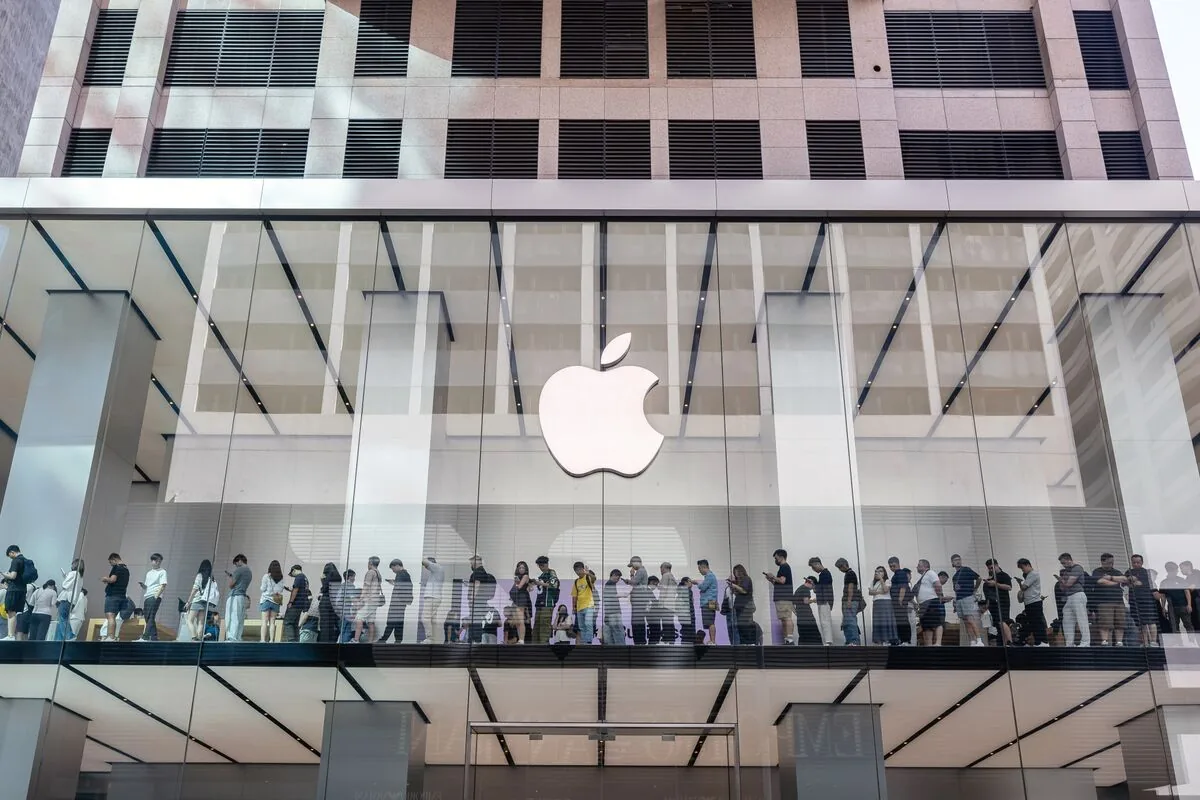
Reactions inside Cupertino have been mixed [2]. Some coders said few workers were using their full $300 daily limits, meaning the new $200 cap doesn’t disrupt their routine tasks. Casual users still have plenty of room for occasional code reviews, but senior engineers who run complex debugging scripts worry about hitting limits during intensive development sprints [1].
Power users worry that upcoming reductions will hurt productivity. If Apple cuts engineering limits down to $100 per day, specialists working on automated coding pipelines will run out of tokens before their shifts finish [4]. Developers must then file exemption requests with vice presidents, adding bureaucratic delays to routine software work [5]. Heavy users fear daily slowdowns [1].
Staff worry about further austerity. Workers see the AI caps as an indicator of general frugality, wondering whether management in Cupertino will soon trim employee perks or reduce headcounts [4]. Commentators took a different view, with MacDailyNews observing in its editorial coverage that “AI tokens don’t grow on trees, ya know?!” [7].

Industry Efforts to Curb Tokenmaxxing
Apple is not alone in curbing AI costs [5]. Over the past year, the practice of tokenmaxxing spread through Silicon Valley as coders competed to consume maximum tokens during software builds. Meta even set up internal leaderboards to track which employees consumed the most AI bandwidth using tools like Cursor, Claude Code, and OpenAI Codex. Technology executives soon realized that unlimited token consumption drove cloud bills sky-high without delivering equal productivity gains, prompting engineering directors to audit software costs [2]. Silicon Valley’s free-spending era came to a sudden halt as companies demanded clear proof of return on investment [6].
Major tech firms quickly set strict spending caps [4]. Accenture cut its centrally funded Claude allowance to just $29 per month per employee, requiring client projects to cover surplus spending [2]. Tesla introduced a weekly cap of roughly $200 for internal users, and Uber restricted developer spending on AI coding tools to $1,500 per month [4]. Amazon faced similar challenges with rising cloud expenses, which prompted engineering leaders to issue developer guidelines to halt AI tokenmaxxing and eliminate wasteful query loops in team projects.
These industrywide restrictions reflect growing executive skepticism about the immediate financial return of generative software [5]. Broader enterprise studies show the difficulty of turning AI adoption into real fiscal efficiency, as only 3% of businesses achieve AI cost savings from early tool rollouts. For Apple, trimming daily developer caps is a practical step to control utility overhead as John Ternus reshapes the business to operate with greater financial discipline [6].
- ONLINE NEWS Gurman, M. (2026, November 4). Apple Cuts Internal AI Usage Budgets in Move to Reduce Spending. Bloomberg. [Article Link]
- ONLINE NEWS Mendes, M. (2026, November 4). Report: Apple reduces employees’ AI token allowances as Ternus moves to cut costs. 9to5Mac. [Article Link]
- ONLINE NEWS Clover, J. (2026, November 4). Apple is Putting Employees on an AI Budget. MacRumors. [Article Link]
- ONLINE NEWS Quintet, J. (2026, November 4). Apple Cuts Engineer AI Caps to US$200 a Day: Report. iPhone in Canada. [Article Link]
- ONLINE NEWS The Front Page. (2026, November 4). Apple Tightens Employee AI Spending Limits Amid Broader Cost-Cutting Initiative. [Article Link]
- ONLINE NEWS Nayar, S. (2026, November 4). Apple Reportedly Tightens The Belt On Employee AI Budgets Amid Cost-Cutting Drive. Yahoo Finance. [Article Link]
- ONLINE NEWS MacDailyNews. (2026, November 4). Apple reduces employee AI spending caps in bid to rein in costs. [Article Link]
- ONLINE NEWS AppleInsider. (2026, November 4). Apple employee AI budgets cut to reduce costs. [Article Link]


