




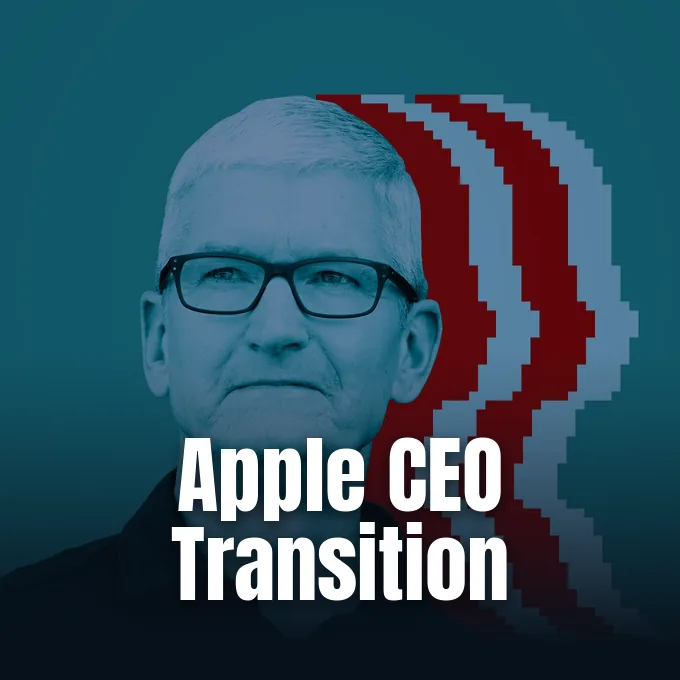
Tim Cook announced that he isn’t meddling in daily corporate decisions after stepping down from the top job to let John Ternus lead Apple [1]. In his first month away from the chief executive office, Tim Cook explained that the planned Apple CEO transition gives John Ternus full freedom to lead while he turns his personal time toward worldwide government policy and international relations [2]. Speaking during an interview with David Phelan in London, Tim Cook made clear that he wants John Ternus to guide daily work without looking over his shoulder [3].
Why Cook Planned the Apple CEO Transition
Tim Cook stepped down from the chief executive chair on September 1, 2026, passing the torch to former hardware engineering chief John Ternus after more than a decade of guiding the global technology business through constant market shifts [3]. The handover didn’t happen by chance, as Tim Cook revealed that the leadership change actually started years ago so the team could prepare every detail in advance [1]. In an interview with David Phelan of The Independent at Battersea Power Station, Tim Cook explained that major successions work best when companies plan them quietly over several seasons. “It’s been an interesting transition,” Tim Cook said. “We really set out to have the best transition ever, a textbook example that people could look back to and learn from” [3].
Planning the handover years in advance helped Apple protect stability while giving staff clear direction for the future [1]. Tim Cook said that such leadership shifts can’t happen in a hurry, but he felt satisfied with how every step unfolded once John Ternus took charge. “Because Apple deserved the best,” Tim Cook said [2].
Tim Cook had faced a similar challenge when he succeeded company co-founder Steve Jobs as chief executive, taking over when outside voices questioned whether Apple could retain its creative drive. Steve Jobs had advised Tim Cook not to spend his time asking what Jobs would have done, urging him to trust his own instincts instead [3]. Tim Cook said he passed along that same lesson to John Ternus, telling him to shape the top post around his own personal strengths [1]. It was practical advice meant to give John Ternus trust from day one [3].
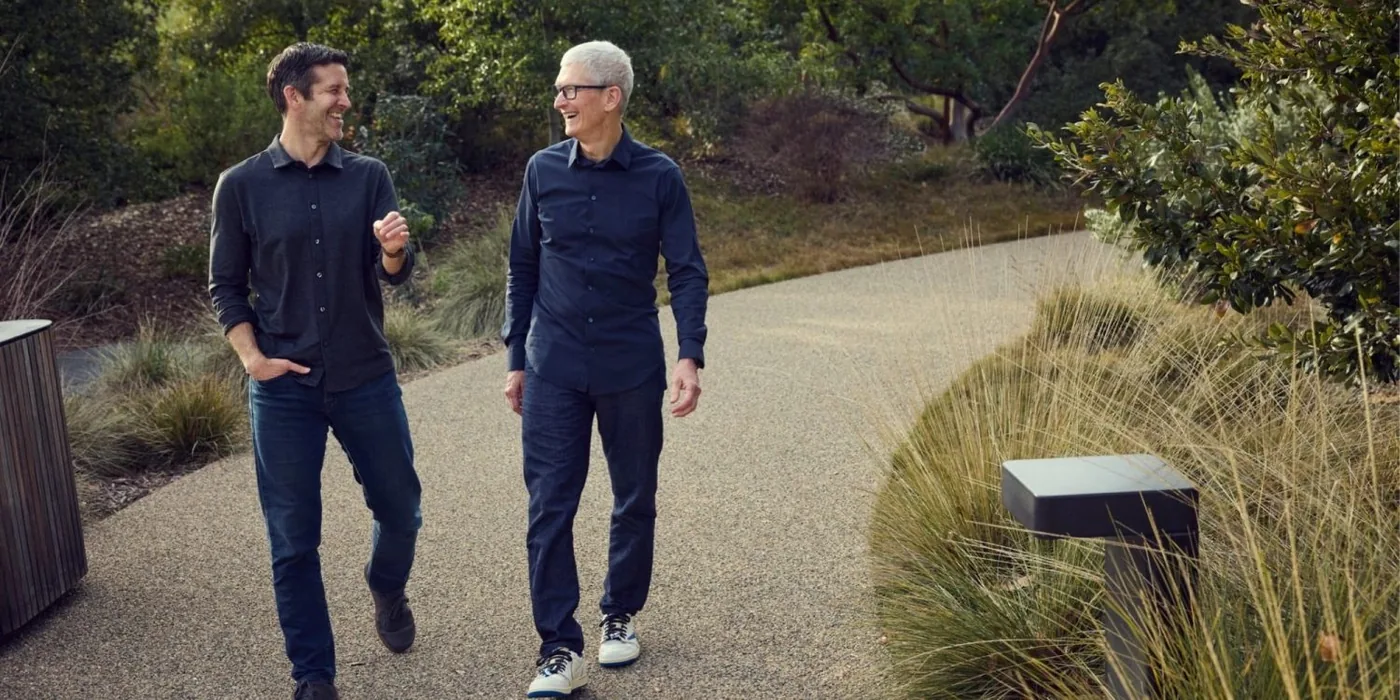
Trust and Daily Freedom for John Ternus
Tim Cook told John Ternus directly that he should make the job his own and put his energy where he can create the greatest value at the company [1]. “The advice I’ve given him is, make it your own job,” Tim Cook said. “Put your time in the things that you can add the most value to around the company. And that means don’t mimic me. Just like I didn’t mimic Steve. We all have different strengths” [3]. John Ternus shared that philosophy with employees, telling staff, “I need to spend my time where I can add the most value for Apple,” Bloomberg reported [1].
Trust forms the foundation of that arrangement, allowing John Ternus to make choices without constant second-guessing from above. Tim Cook said their working relationship depends on mutual trust, but it doesn’t involve supervision of daily tasks. “I’m not meddling,” Tim Cook said. “I’m not a meddler” [1].
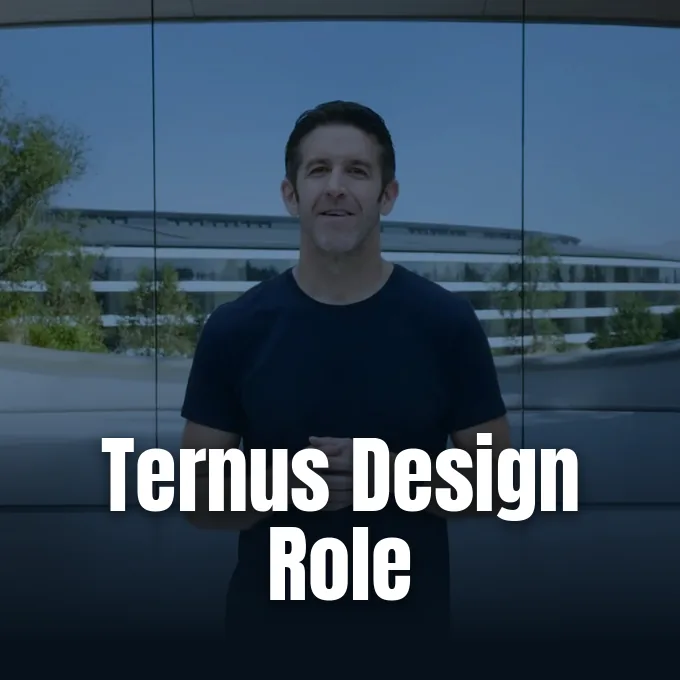
In earlier organizational coverage, John Ternus reshaped Apple design teams to establish a hands-on approach in hardware groups [3]. Tim Cook still serves as Apple’s executive chairman, keeping a formal governance post that lets him assist with major company strategies when needed. He remains a prominent public figure for the brand, as shown when he attended a state dinner at the White House. But Tim Cook draws a clear line between serving on the board and interfering with product choices. John Ternus now sets the internal priorities for hardware and engineering teams [1].
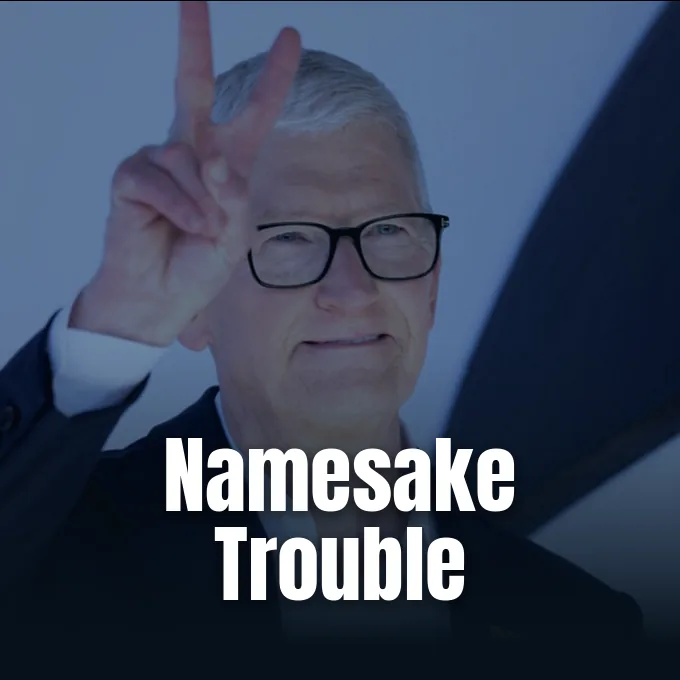
The Product Cycle and iPhone Duo Timing
The timing of the leadership switch was tied to product releases, as Tim Cook stepped down just eight days before Apple unveiled the iPhone Duo on September 9. Tim Cook explained that he chose that specific moment so his successor would start his tenure with strong commercial momentum. “I wanted John to have some wind at his back,” Tim Cook said when discussing the launch schedule. “And the wind at Apple is very much based on the product cycle. This product cycle feels unbelievably great. The Duo is coming in a few weeks and it’s amazing” [3].
Starting a new term as CEO with a major hardware announcement gave John Ternus an immediate platform to introduce his vision to customers. Chance Miller of 9to5Mac reported that tying the leadership change to the product calendar was planned from the start. Product excitement gave John Ternus momentum [2].

The new device also highlights how hardware engineering continues to drive Apple’s identity under John Ternus, who previously led engineering efforts for Mac and iPad lines. While some industry watchers wondered if a new leader might delay major rollouts, the quick arrival of the iPhone Duo showed that development schedules remained on track. The debut reinforced Tim Cook’s belief that the Apple CEO transition arrived at the right time [3]. Internal teams proved they could deliver complex hardware while adapting to a new leadership structure [2].
The Apple Leadership Transition and Global Policy
With daily work in the hands of John Ternus, Tim Cook shifted his personal schedule to focus on international policy and relations with world governments. The former leader said that dealing with regulatory bodies and foreign administrations needs steady focus as technology policy evolves around the globe. “The relationship must be based on trust, and the communication must be frequent and significant,” Tim Cook said. “But other than that, what I’m focused on right now is worldwide policy. And the interface with governments around the world matters because there are lots of things where we’re trying to advance or advocate for change” [1].
This division of labor allows Apple to manage external political pressures without pulling John Ternus away from product development. In his first month in the new role, Tim Cook spent time meeting officials and representing the company at diplomatic functions. Tim Cook handles diplomatic talks [1].

Tim Cook has long maintained relationships with political leaders in Washington and foreign capitals, giving him the background needed to advocate for Apple’s interests. By taking charge of global policy, Tim Cook frees John Ternus from political hearings and trade discussions so the new leader can focus on design labs and software releases. The Apple leadership transition shows how large technology firms can divide executive responsibilities between internal execution and external advocacy. It’s a structure that lets both leaders apply their particular strengths to different challenges [1].
Philanthropy and Community Programs in London
Tim Cook’s visit to London also involved charitable initiatives, as he toured Apple’s Battersea campus to highlight a partnership with The King’s Trust [2]. Tim Cook met with King Charles III to announce an education program designed to help young people build careers in creative industries. Tim Cook said the effort reflects Apple’s commitment to community mentorship. “It’s a way for us to give back in a way that is uniquely Apple,” Tim Cook said. “There are a lot of ways to do philanthropic activities, but I think you want to do ones where you can give part of yourself… not just your resource, but part of yourself” [3].
The program connects Apple employees with students, offering guidance in digital arts, media production, and software design. Tim Cook praised the dedication of company volunteers who agreed to mentor young participants throughout the initiative. Mentorship remains central to the project [3].
While in London, Tim Cook also visited the new Apple Music Hall located inside the Battersea headquarters, praising the space’s acoustic design and spatial audio capabilities. “I’m not sure there’s a lot of people that could do it, and there’s certainly not a lot of people that would,” Tim Cook told David Phelan of The Independent [3]. His London appearances show that the Apple CEO transition doesn’t mean an exit from public life [2]. Tim Cook intends to remain active in policy and philanthropy while John Ternus charts the technical future of Apple’s product ecosystem [1].
- ONLINE NEWS Peters, J. (2026, October 8). Tim Cook says ‘I’m not meddling’ in the new Apple CEO’s business. The Verge. [Article Link]
- ONLINE NEWS Miller, C. (2026, October 8). Tim Cook on his first month after Apple CEO transition: ‘I’m not meddling’. 9to5Mac. [Article Link]
- ONLINE NEWS Rossignol, J. (2026, October 8). Tim Cook Explains Why He Stepped Down as Apple CEO Before iPhone Duo Launch. MacRumors. [Article Link]


