






On September 1, 2026, John Ternus took over as Apple’s eighth chief executive officer, succeeding Tim Cook after 25 years spent shaping the company’s product line [1]. The handover marks the first time since Steve Jobs that a product builder leads Apple [2]. Cook, who steered Apple from a $350 billion valuation to more than $4 trillion over fifteen years, transitioned to executive chairman of the board to focus on global policy [1]. Here is John Ternus explained, tracing his journey from counting screw grooves under a magnifying glass to directing Apple silicon, the iPad, and AirPods [3]. His appointment places an engineer at the helm during an industry shift toward artificial intelligence [4].
- John Ternus Explained Through 25 Years at Apple
- Early Career Before Apple
- Key Hardware Hits from AirPods to MacBook Neo
- Why Was John Ternus Chosen as CEO?
- The Apple Silicon Shift to Function First
- Leadership Style in Open Workspaces
- How John Ternus Explained the AI Strategy
- Where the John Ternus Explained Era Takes Hardware Next
John Ternus Explained Through 25 Years at Apple
Ternus joined Apple in 2001 as an engineer on the product design team, arriving just as Steve Jobs introduced the original iMac and began work on the first iPod [13]. Over the next decade, he climbed steadily through engineering management under the guidance of senior vice president Dan Riccio, eventually taking charge of Mac computers, iPad tablets, and AirPods. Colleagues found him working in open cubicles at Apple Park rather than operating from executive suites [4].
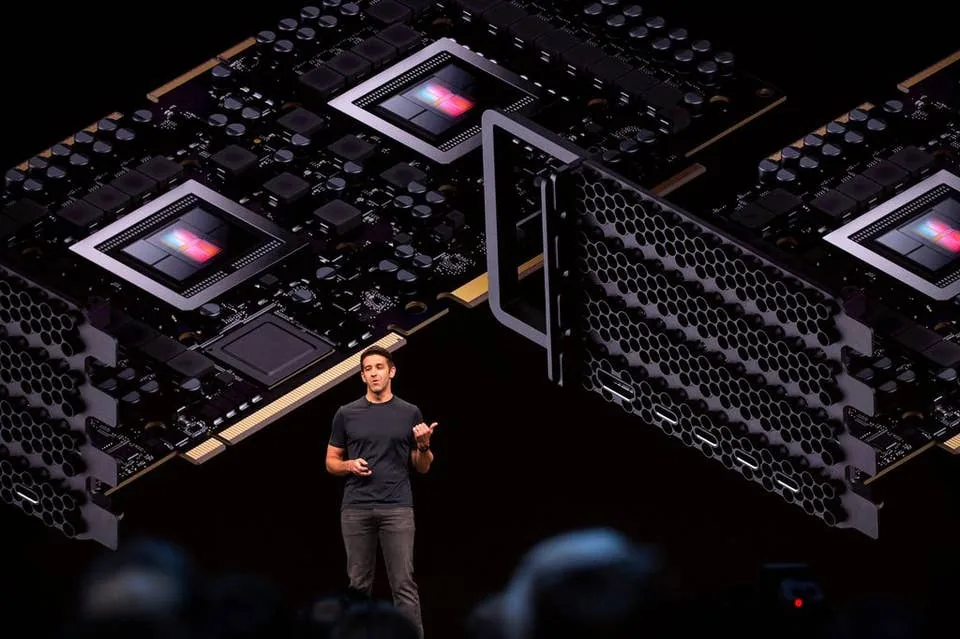
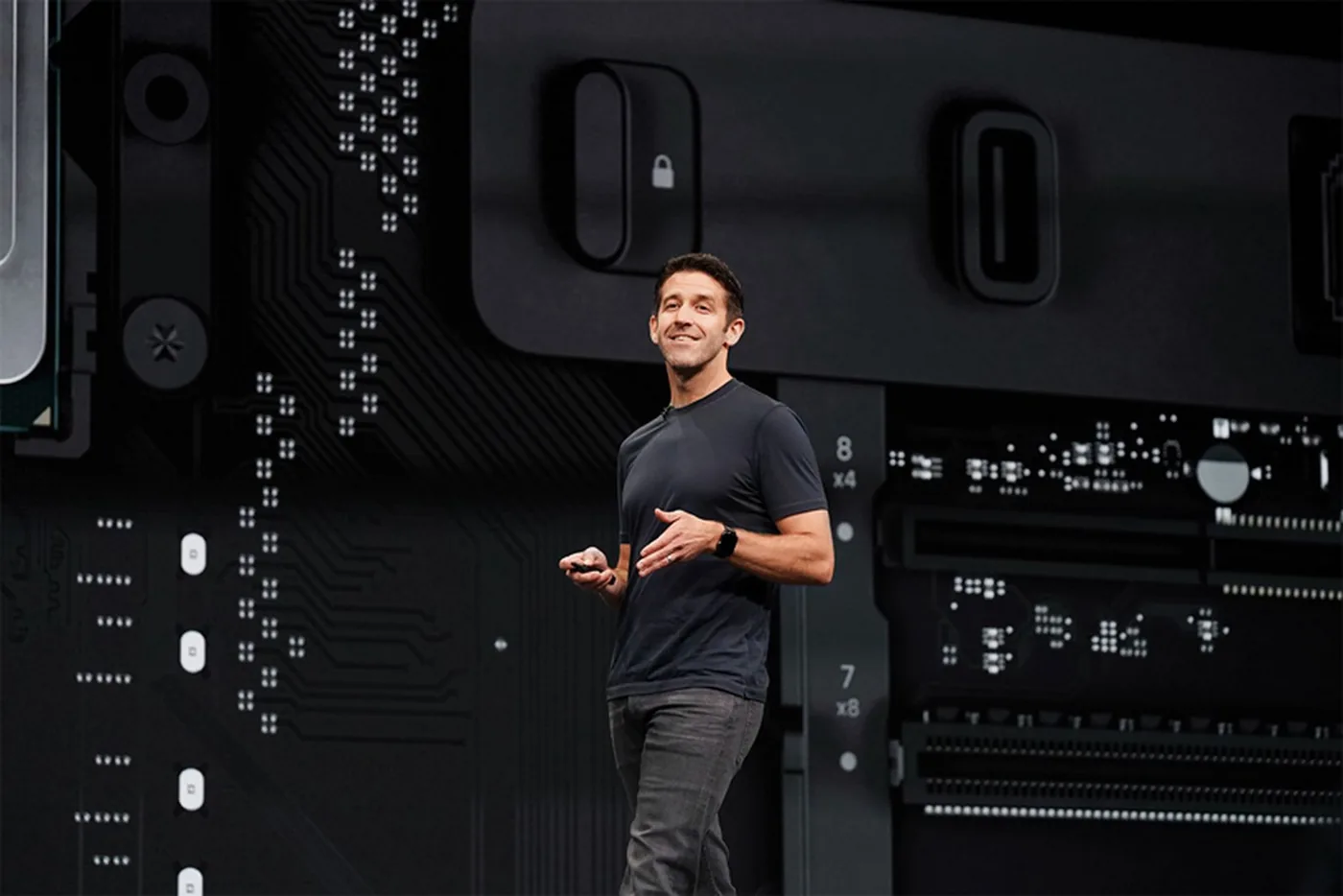
In 2020, Ternus took charge of iPhone hardware, and in January 2021 Apple named him senior vice president of hardware engineering, elevating him to Cook’s executive staff alongside software chief Craig Federighi [13]. In that role, he led teams building every major device Apple sells, from Apple Watch to high-end Mac Pro workstations [1]. Addressing Penn engineering graduates in 2024, John Ternus explained how early supplier visits cemented his obsession with precision [2]. He recalled standing in an overseas supplier factory late past midnight, using a magnifying glass to verify that desktop monitor screws had 25 concentric grooves instead of 35, successfully convincing the vendor to retool the component [11].
That persistence became his calling card in Cupertino design labs as he guided teams through production cycles [11]. Former colleagues told Bloomberg that Ternus helped reverse a period when Apple prioritized thinness over cooling, restoring stability to the MacBook Pro line. When production errors occurred, he approached them as systemic leadership problems that required clearer testing targets rather than blaming bench engineers [4]. Former procurement chief Tony Blevins called Ternus a “very meticulous engineer and a judicious executive” who had earned wide trust across Cook’s senior staff [7].

Early Career Before Apple
Born in May 1975 in California, John Patrick Ternus showed an early interest in how machines operate [13]. He attended the University of Pennsylvania’s School of Engineering and Applied Science, graduating in 1997 with degrees in mechanical engineering and applied mechanics with a minor in psychology [7]. During college, he also competed as an all-time letterwinner on the Penn varsity swimming squad [12]. He graduated from Penn in 1997 [13].
In the pool, Ternus won university titles in both the 50-meter freestyle and the 200-meter individual medley in 1994, while in the laboratory he and his classmates developed HINT, a specialized feeding aid designed to allow people with quadriplegia to eat independently through subtle movements of the head and neck [11]. The project revealed an early interest in assistive technology [10]. Classmates nicknamed him “Crash” after he nearly destroyed a milling machine during a workshop session. He took the nickname in stride [11].
After Penn, Ternus spent four years as an engineer at Virtual Research Systems in California [13]. The small technology firm developed early virtual reality headsets, head-mounted displays, and sensor tracking systems for research institutions [10]. Although consumer enthusiasm for virtual reality faded during the late 1990s, the position gave Ternus hands-on experience with optical assemblies, head tracking, and wearable ergonomics [4]. That early foundation proved valuable decades later when Apple embarked on developing the Vision Pro under Mike Rockwell [7]. He moved to Apple in July 2001 to join the product design group [3].
Key Hardware Hits from AirPods to MacBook Neo
Ternus helped shape almost every flagship product line Apple sells today, starting with desktop displays before taking charge of iMac development in 2005 and playing a central role in engineering the original iPad under Steve Jobs [10]. He also pushed for the Apple Pencil with its magnetic dock for iPad Pro. Products built under his hardware leadership generate roughly 80% of Apple’s revenue. That hardware portfolio defines modern Apple [4].
His engineering division also transformed AirPods from wireless earbuds into health devices featuring active noise cancellation and over-the-counter hearing aid software cleared by the FDA [4]. In laptops, his team introduced the MacBook Neo, an affordable notebook that lowered retail pricing by pairing an iPhone processor with Mac hardware architecture. When speaking with reporters about the MacBook Neo, Ternus said that lowering prices required fresh architectural trade-offs rather than inferior parts. “We never want to ship junk. We want to ship great products that have that Apple experience,” Ternus told Tom’s Guide while discussing the notebook’s launch [2].
In smartphones, Ternus oversaw the iPhone Air, which arrived at 5.6 millimetres as Apple’s thinnest handset to date. His engineers created a raised plateau along the top edge to cluster camera modules, using Grade 5 titanium to prevent bending while preserving structural rigidity. “You really have to hold it to believe it’s real,” Ternus said at the unveiling with marketing executive Greg Joswiak [4]. He guided sustainability efforts by adopting recycled aluminum alloys in MacBook enclosures and printed titanium housings for the Apple Watch Ultra 3. His team tested the titanium chassis against extreme pressure and daily wear [1].
Why Was John Ternus Chosen as CEO?
Apple picked Ternus because the board prioritized stability and product knowledge over outside executive celebrity [6]. Tim Cook had discussed succession plans with directors throughout 2025, telling colleagues that he wanted to reduce his day-to-day workload [5]. Once chief operating officer Jeff Williams stepped back from operations in July 2025, Ternus emerged as the clear internal frontrunner to take over Apple Park. At 51, he matches Cook’s age when Cook became CEO in 2011, giving the board a potential decade of stable leadership [6].
Arthur Levinson, Apple’s chairman for fifteen years before transitioning to lead independent director, said the board chose Ternus for his technical rigor and collaborative instincts [1]. In an farewell message to Apple employees, Cook wrote that “few people understand what it takes to build products that change the world the way John does” [2]. In Apple’s public announcement, Cook added that Ternus has “the mind of an engineer, the soul of an innovator, and the heart to lead with integrity and with honor”. That endorsement carried genuine authority across the company’s executive committee. Ternus said he felt humbled to lead the organization he had served for a quarter century [1].
The dual leadership structure gives Ternus room to focus on engineering while Cook handles diplomacy, as detailed in our report on how the Apple CEO transition leaves Cook focused on policy. Cook maintains close relationships with world leaders and President Donald Trump, who granted tariff exemptions on imported Apple electronics from China [10]. Ternus has maintained a quiet civic profile, with federal campaign records showing only a $2,900 donation to Senator Chuck Schumer (D-NY) in 2021 [2]. He hasn’t met Trump yet [3].
The Apple Silicon Shift to Function First
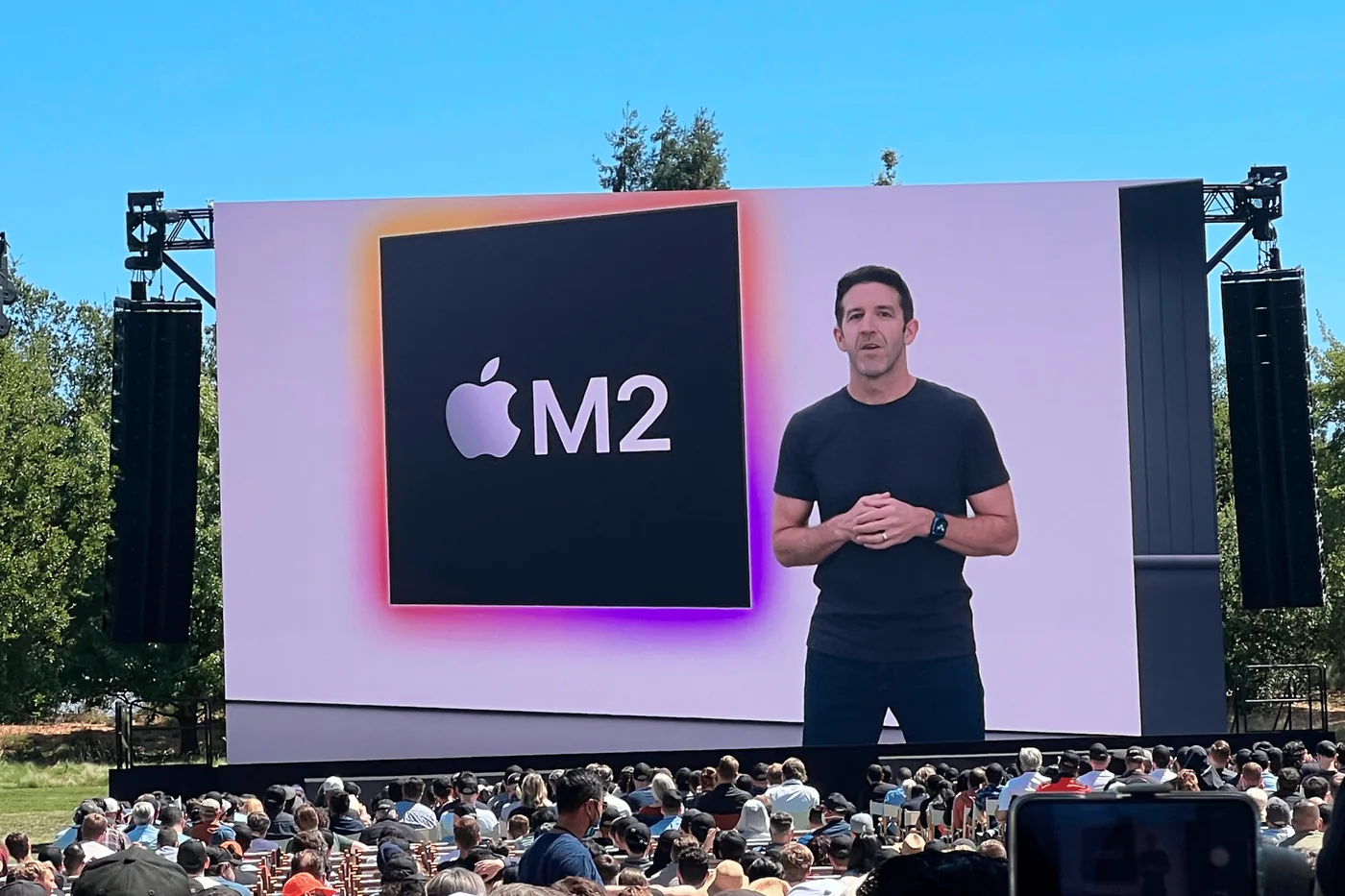
The transition of the Mac from Intel chips to custom Apple silicon stands as Ternus’s crowning engineering project at Apple. The shift was finished ahead of schedule in the desktop and notebook line [11]. While senior vice president Johny Srouji led semiconductor architecture, Ternus’s division redesigned MacBook Air and MacBook Pro hardware around the new M-series processors [8]. Mac revenues climbed steadily in international markets after the M1 chip arrived in late 2020 [5].
During discussions about custom processors, John Ternus explained that tight control over hardware let Mac laptops run cooler and quieter than rival Windows portables [2]. The silicon transition also signaled a philosophical break from former Chief Design Officer Jony Ive, who departed in 2019 [6]. Under Ive, Apple had pursued extreme thinness at the expense of function, resulting in consumer frustration over fragile butterfly keyboards and overheating chassis designs [4]. Ternus pushed the hardware division toward a function-over-form approach, bringing back HDMI ports, MagSafe chargers, and SD card readers on professional MacBooks [13]. The change satisfied creative professionals who had felt neglected by earlier styling decisions. He listened closely to customer feedback and user complaints [4].
That functional focus extended into software collaboration across Apple platforms. When Ternus noticed that mobile phone interfaces were limiting the iPad’s potential, he lobbied software chief Craig Federighi to create iPadOS, an operating system for Apple tablets. In late 2025, Apple gave Ternus executive oversight of design teams following the departure of Evans Hankey, uniting physical styling and engineering under one leader. This structure allowed him to reshape Apple’s design teams to prioritize user experience over pure minimalism. Hardware and styling teams now work together daily at Apple Park [4].
Leadership Style in Open Workspaces
Unlike typical tech executives who isolate themselves in private offices, Ternus chose to sit at an open workspace desk with staff at Apple Park [3]. Colleagues describe him as calm and collaborative in meetings with engineers. He avoids corporate drama and office politics. His management style differs from the fiery temperaments that once dominated Silicon Valley under Steve Jobs [5].
In an academic study on corporate succession, researchers G. Kanaya and Y. D. B. Doho analyzed how the leadership transfer from Cook to Ternus balances institutional stability with technological execution. Their paper in Sinergi Jurnal Ilmiah Multidisiplin noted that Ternus’s technical background helps him steer complex engineering teams through major market transitions [14]. In his commencement address to Penn engineering graduates, Ternus urged students to stay humble. “Always assume you’re as smart as anyone else in the room, but never assume that you know as much as they do,” he said [2]. Longtime marketing chief Greg Joswiak told WIRED that “John innately has a great sense for great products,” adding that such instinct cannot be taught. Ternus relies on that product instinct every day [3].
Outside Apple, Ternus lives privately with his family in Northern California [7]. His net worth is estimated at approximately $75 million, earned over 25 years of salary and stock grants, while Tim Cook received $74.6 million in compensation last year [10]. In his free time, he races a Porsche sports car at tracks like California’s Laguna Seca raceway and participates in rally driving in Washington state [13]. Corning CEO Wendell Weeks, who worked with Ternus on early iPad glass, said racing requires someone to be “wicked calm and really dedicated to excellence”. Ternus brings that calm approach to high-stakes product reviews [7].
How John Ternus Explained the AI Strategy
The primary test for Ternus is Apple’s position in artificial intelligence [4]. Competitors like Microsoft, Google, Meta, and OpenAI spent billions on frontier models and massive server farms. Apple took a slower route focused on on-device chips and privacy protections. That cautious stance sparked criticism that Apple lagged behind Silicon Valley rivals [10]. Ternus dismissed the rush toward unvetted AI features [3].
In an interview with Steven Levy, John Ternus explained that Apple measures innovation by user utility rather than raw artificial intelligence features. “We don’t want to ship AI for AI’s sake,” Ternus said. “When we’re doing it right, people won’t have to think about whether it was AI that made this happen or more traditional software” [3]. He characterized Apple Intelligence as “a marathon, not a sprint,” pointing to Apple Maps as proof that initial setbacks can be overcome through disciplined iteration. “If you have the vision and you’re persistent and you keep working at it, you can take something you know that has a rocky start and turn it into something great,” he told Tom’s Guide [4]. Still, Apple faced delays with Siri, prompting a $1 billion annual deal with Google for Gemini technology [10].
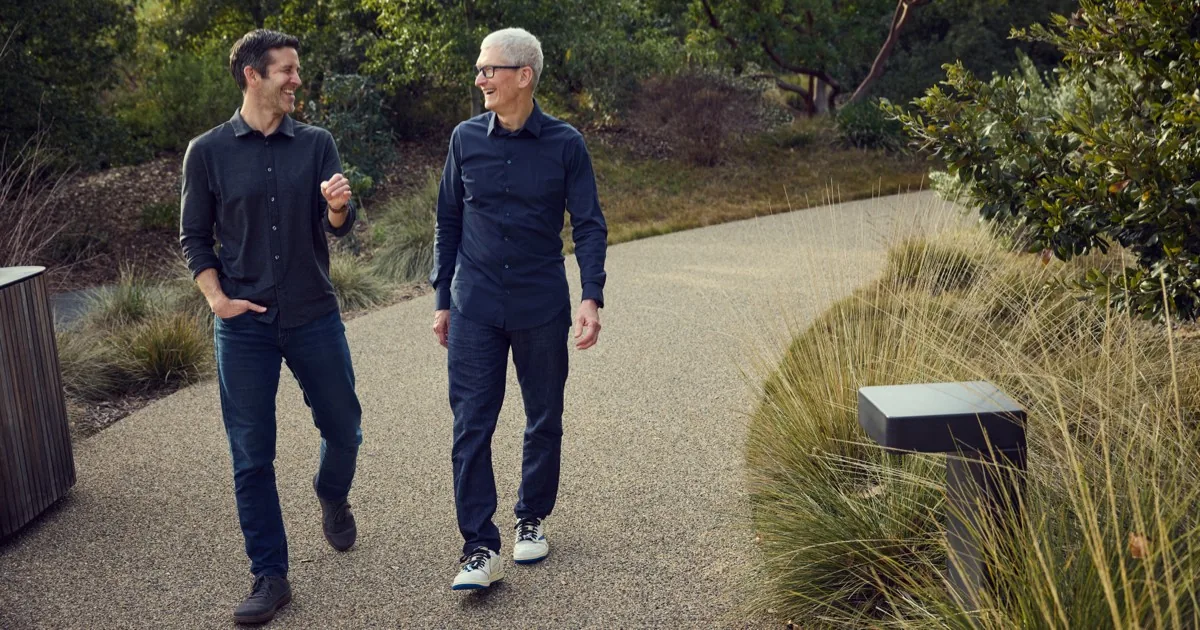
Skeptics on Wall Street questioned whether a hardware executive can direct a software and services giant [7]. Johny Srouji, who now heads Apple’s merged hardware and technology groups reporting to Ternus, dismissed those concerns. “John is going to be a great CEO,” Srouji said. “He’s a product guy at heart, but Apple’s secret weapon is the DNA, the culture, which is not going to change” [3]. Tim Cook also defended Ternus’s breadth, reminding observers that modern hardware and custom silicon are inseparable from machine learning performance. Ternus oversees both domains directly [1].
Where the John Ternus Explained Era Takes Hardware Next
Looking forward, Ternus must guide Apple into new categories while sustaining device sales in iPhone, Mac, and Apple Watch [4]. The Vision Pro headset showcased engineering mastery under Mike Rockwell but met sluggish demand at its $3,500 retail price [10]. In response, Apple is testing four frame designs for lightweight smart glasses targeting a 2027 release. He knows wearable optics firsthand from his years at Virtual Research Systems [4].
Ternus is also restructuring product development to help teams move faster in Cupertino. Bloomberg reported that he proposed flattening management hierarchies to remove layers separating design engineers from top decision-makers. He is also weighing departures from Apple’s rigid seasonal release calendar, aiming to unveil products more frequently. In September 2026, Apple introduced the iPhone Duo, its first foldable smartphone, entering a market Samsung had occupied for years. Reports also indicate Apple is preparing AirPods with built-in camera sensors and a twentieth-anniversary iPhone. In our analysis of how John Ternus leads Apple during quarterly earnings, his calls emphasized strong revenue in iPhone, Mac, and Services. He is pushing Apple to ship experimental hardware without ballooning headcount [10].
Reflecting on company values, Ternus recalled watching Steve Jobs pull a chest of drawers away from a wall to inspect the unfinished back, admiring how the carpenter had finished the rear panel just as beautifully as the visible front surfaces. “And I think about that all the time because I think that perfectly exemplifies what we do here,” Ternus said. For John Ternus, leading Apple means making sure every hidden screw, silicon trace, and battery enclosure meets that standard. Craft remains the point [2].
- PRESS RELEASE Apple. (2026, April 20). Tim Cook to become Apple Executive Chairman, John Ternus to become Apple CEO. [Article Link]
- ONLINE NEWS Silberling, A. (2026, September 1). Who is John Ternus, the incoming Apple CEO? TechCrunch. [Article Link]
- ONLINE NEWS Levy, S. (2026, October 30). I Spent 30 Minutes With Apple’s CEO. Now I Know Why John Ternus Got the Job. WIRED. [Article Link]
- ONLINE NEWS Dina, C. (2026, April 21). John Ternus profile: the engineer who built Apple’s hardware takes over as CEO with AI as his biggest challenge. The Next Web. [Article Link]
- ONLINE NEWS Oladipo, G. (2026, September 1). Who is John Ternus, Apple’s new CEO? The Guardian. [Article Link]
- ONLINE NEWS Charlton, H. (2025, October 6). Gurman: Major Apple Leadership Shakeup Impending With John Ternus as Next CEO. MacRumors. [Article Link]
- ONLINE NEWS Colon, B. (2026, April 21). All about new Apple CEO John Ternus: from very private family life to swimming career. HELLO!. [Article Link]
- ONLINE NEWS Hannah. (2026, April 21). Who Is John Ternus and His Powerful Journey to Apple CEO. AppleMagazine. [Article Link]
- ONLINE NEWS Maruf, R. (2026, April 20). Who is John Ternus, the incoming CEO of Apple? CNN Business. [Article Link]
- ONLINE NEWS Rumage, J. (2026, April 22). Who Is John Ternus? What to Know About Apple’s Incoming CEO. Built In. [Article Link]
- ONLINE NEWS Mathur, V. (2026, September 1). John Ternus: The making of Apple’s new CEO. Hindustan Times. [Article Link]
- ONLINE NEWS Smith, D. (2026, April 20). Meet John Ternus, the 51-year-old former swimming champ who will succeed Tim Cook as Apple CEO. Fortune. [Article Link]
- WEBSITE Wikipedia contributors. (2026). John Ternus. Wikipedia, The Free Encyclopedia. [Article Link]
- ACADEMIC JOURNAL Kanaya, G., & Doho, Y. D. B. (2026). Kepemimpinan Masa Depan Apple dalam Transformasi Tim Cook ke John Ternus. Sinergi Jurnal Ilmiah Multidisiplin. [Article Link]


