





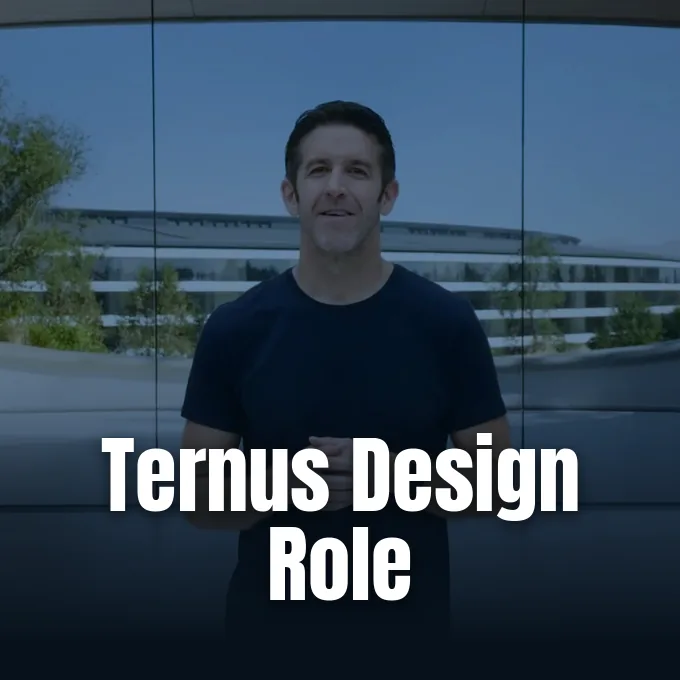
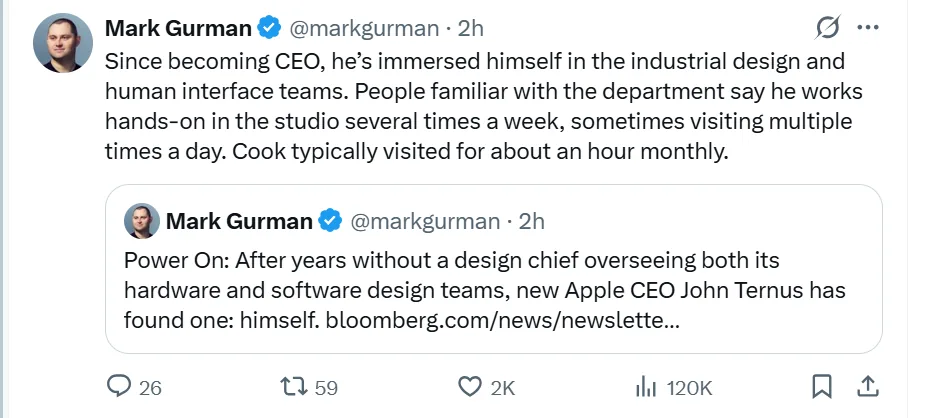
New Apple CEO John Ternus has taken a hands-on studio role, making John Ternus design direction a core part of his early term just one month after taking over from Tim Cook on September 1. Mark Gurman reported the shift for Bloomberg on October 4, saying the 51-year-old leader now works with industrial design and human interface teams multiple times each week. That close contact marks a sharp change from Cook, who usually visited the design studio only once a month for about an hour [1].
Studio Visits Mark Shift From Tim Cook Era
Inside Apple’s Cupertino design studio, John Ternus isn’t treating creative reviews as casual visits. Insiders in the group told Bloomberg that Ternus drops by the workspace multiple days each week, often coming back several times in one day to check early shells. Cook focused on supply chains and global sales growth during his years at the top, leaving studio staff to report to former Chief Operating Officer Jeff Williams before Williams left last year [1].
That routine began before Ternus formally took over as CEO. When Williams stepped down as operations head, Apple said design teams would report to Cook, but reporters learned that Ternus took charge of them instead. Having led hardware teams for iPhone, iPad, and Mac lines, he already knew how studio concepts turn into finished devices on factory lines, shaping John Ternus design reviews into practical working sessions [3].
Gurman said that Ternus has “immersed” himself in the day-to-day work of the studio groups. That frequent contact gives industrial modelers and software interface teams a direct line to the CEO without extra layers of managers slowing down feedback. Because he spent years leading hardware teams, he doesn’t need basic memos to grasp physical limits when testing new metals [4].
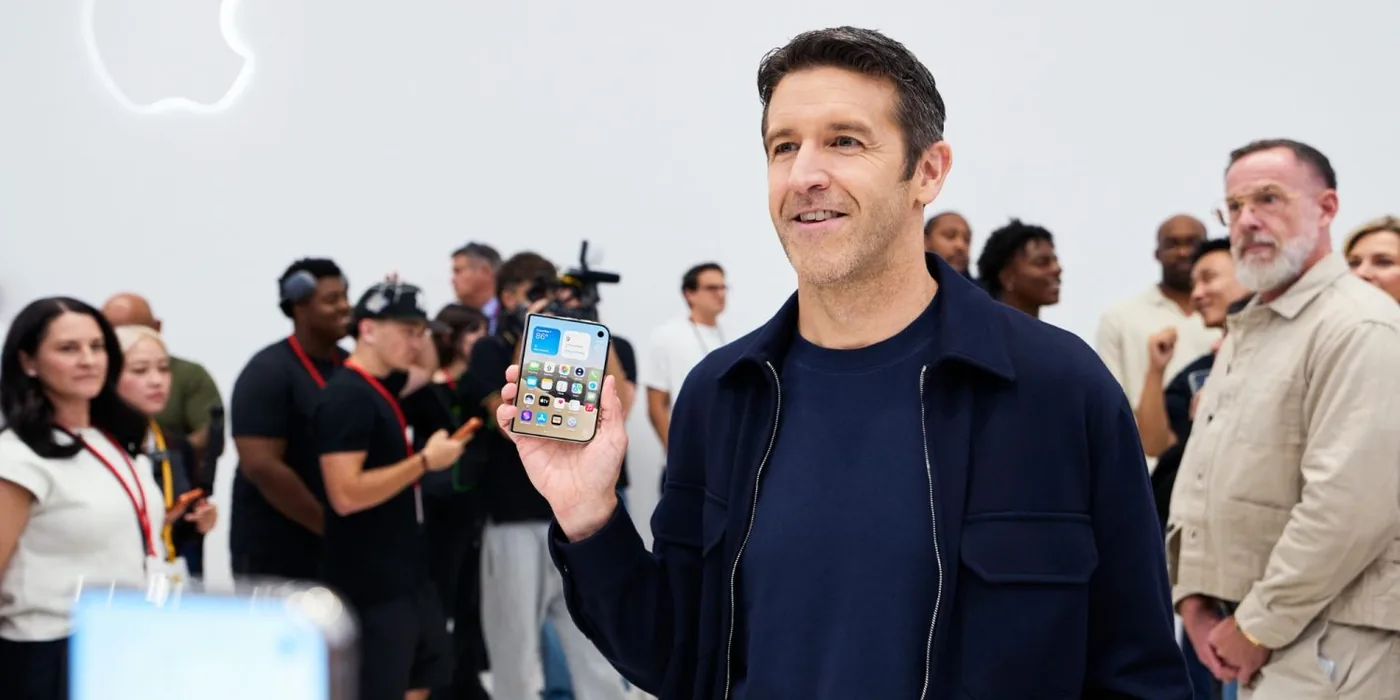
Restoring John Ternus Design Influence After Ive
Apple hasn’t had a single design chief since Jony Ive stepped down in 2019 to run his own firm. In the Steve Jobs book by Walter Isaacson from 2011, Jobs said that Ive had more power at Apple than anyone except Jobs himself because of “the way I set it up.” That top-down creative sway eroded over the next decade as finance managers and supply staff took greater control over hardware roadmaps, as Gurman noted in his Power On newsletter [2].
The shift in office power led to a steady talent drain from Apple’s design benches over recent years. Meta hired away key staff like Alan Dye, while OpenAI brought in several core members to build AI hardware. Rather than starting an outside search for an Ive successor, Apple promoted junior talent from within its ranks and hired fresh faces to rebuild the studio team [1].
Ternus spoke about that creative legacy during an internal meeting with staff before taking office. “Apple’s brought truly incredible design to more people than any company in history,” Ternus said. “The most beautifully designed thing that most customers own is an Apple product. We’re going to make sure that stays the case.” Those remarks signaled that John Ternus design goals would guide company plans as product cycles speed up [6].
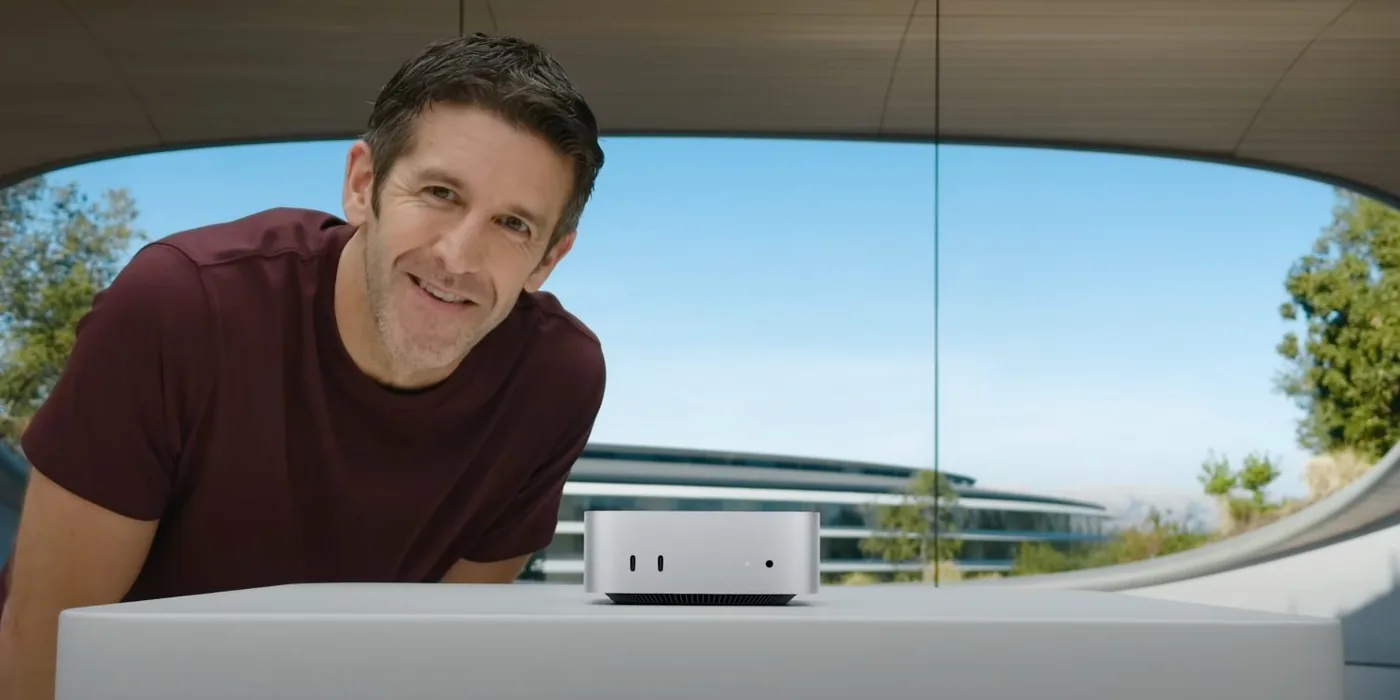


New Leadership Under Molly Anderson and Steve Lemay
Instead of hunting for an outside star designer, Apple has relied on two trusted studio leaders. Molly Anderson leads the industrial design group (the hardware styling team), while Steve Lemay directs human interface design across iOS, macOS, and related systems. Both leaders recently had their profiles added to Apple’s public team webpage, showing their standing under the new CEO [4].
Ternus acts as the central decision maker connecting those two distinct sides. While he lacks formal art school training, his hardware tenure gives him a clear grasp of how glass, aluminum, and silicon fit together. Teams can pitch bold casing ideas knowing that the CEO knows the physics behind them, while software leads can align interface gestures with the person signing off on models, which defines the new John Ternus design workflow in Cupertino [1].
That fresh setup was visible during Apple’s first product keynote under Ternus, where design leads stood closely beside the new boss. The 51-year-old CEO is also trimming office layers so that builders can speak directly with top leaders rather than passing ideas through review panels. It’s a planned shift that aims to give product teams faster calls on new lab hardware [5].
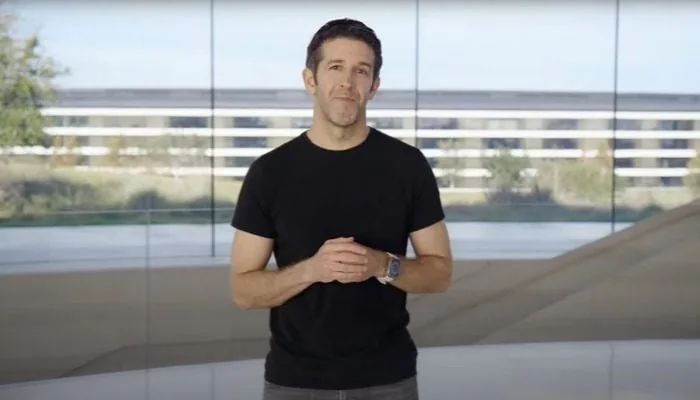
How John Ternus Design Direction Shapes Hardware
Apple PR staff have already framed Ternus as the public face behind recent hardware hits like the MacBook Neo. Before taking the top job, he led hardware teams tasked with remaking the Mac lineup with custom Apple silicon, balancing slim bodies with cool thermal layouts. That past run shows how John Ternus design oversight bridges visual goals with factory needs as new form factors enter testing [2].
Studio teams are now wrapping up work on a redesigned OLED MacBook Pro that testers expect to be much lighter than existing models. David Joseppi of The Apple Post reported that this thinner laptop is one of several major hardware updates moving through Cupertino studios under Ternus’ guidance. Moving to thin OLED panels (organic light-emitting diodes) gives the team more room to shave bulk off the laptop frame [3].
Ternus wants Apple to release products at a quicker pace rather than waiting years between major design updates. Staff report that fewer approval steps have already cut review cycles for early models in the Cupertino labs. By testing ideas quickly in mockups, the studio can spot comfort flaws before tooling commits millions of dollars to factory assembly lines [3].
Upcoming Foldables and Smart Home Devices Test Strategy
The real test for this revamped studio will arrive as Apple prepares one of the busiest launch cycles in its company history. Between late 2026 and 2027, the firm plans to unveil its first foldable iPhone, camera-equipped AirPods, smart glasses, special edition iPhone builds, and new AI-focused hardware devices. Ternus will show many of these devices himself at upcoming media events [6].
Smart home gear marks another major frontier for the growing product roadmap. As part of that hardware push, Apple prepares a smart home hub that links tabletop screens with home sensors. Building tabletop gear asks industrial modelers and software coders to work closely on viewing angles, speaker sound, and touch controls [3].
Will a hands-on leadership team give studio artists enough freedom to push factory limits, or will budget costs dilute bold concepts? During the Cook era, supply managers often blocked complex design ideas because high scrap rates hurt profit margins. Ternus now occupies a rare middle ground: he knows factory limits well, but he also sees that unique styling built Apple’s brand value over four decades. People close to the studio say his daily presence gives the team confidence that their boldest models will reach assembly lines intact. If he keeps studio staff inspired while holding hardware rigor, Apple won’t just protect its past creative name—it can set a faster, more unified hardware rhythm as John Ternus design guidance faces its biggest test during upcoming product launches [4].
- ONLINE NEWS Burkhardt, M. (2026, October 4). John Ternus is taking a more ‘hands-on’ role in Apple’s design teams as CEO: report. 9to5Mac. [Article Link]
- ONLINE NEWS Mayo, B. (2026, June 21). John Ternus set to re-establish importance of Apple’s design team when he takes over as CEO: report. 9to5Mac. [Article Link]
- ONLINE NEWS Joseppi, D. (2026, October 4). Apple CEO John Ternus taking hands-on role in design teams, report says. The Apple Post. [Article Link]
- ONLINE NEWS Saini, R. (2026, October 4). John Ternus makes himself Apple’s hands-on design chief. The Mac Observer. [Article Link]
- ONLINE NEWS Shahid, R. (2026, October 4). Why Apple CEO John Ternus is taking a hands-on approach to design. The News International. [Article Link]
- ONLINE NEWS Saini, R. (2026, June 22). Report: Apple’s next CEO preparing to rebuild the design team. The Mac Observer. [Article Link]


