





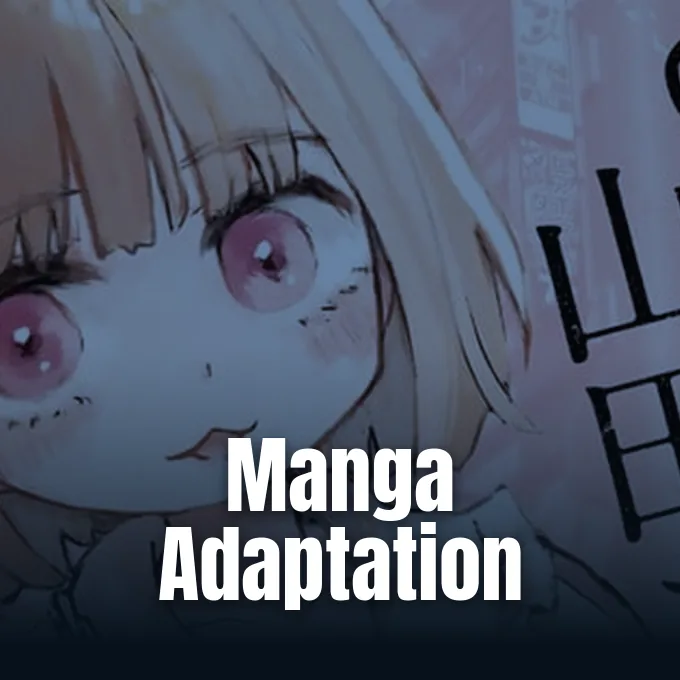
Reports from classrooms reached disability advocates throughout August 2026. Children were using a fictional character’s name to mock vulnerable classmates. On Wednesday, September 9, the Autism Society Japan (ASJ) issued an official statement challenging Nene Azuki’s manga Mii-chan and Miss Yamada. What began as an online serial about Tokyo nightlife has triggered a national argument over developmental disability representation. Advocates now urge producers to drop plans for a television anime adaptation entirely. [1, 2]
Real-World Bullying Prompts Advocacy Warning
The controversy centers on how Nene Azuki portrays her title character. In the serialized story, Mii-chan struggles with basic reading, writing, and routine daily tasks while working in Tokyo’s nightlife industry with Yamada, a university student employed as a hostess. The original manga never assigns an explicit medical diagnosis to Mii-chan. However, Autism Society Japan notes that her behavioral depiction led readers to interpret her as living with an intellectual condition. Unlike conventional character studies that examine strategic morality in fiction, such as the analysis of Norman in The Promised Neverland, this dispute addresses the real-world harm of packaging vulnerable people for commercial drama. [1, 2]
Real-world consequences soon followed that reading. On August 19, Zenkoku Te o Tsunagu Ikuseikai Rengōkai (National Hand-in-Hand Educational Society) warned that peers used “Mii-chan” as a derogatory nickname. The advocacy group confirmed that siblings of autistic children reported intense anxiety about schoolyard teasing. Troubled family members expressed growing discomfort over the depiction. [1, 2, 4]
What is Autism Society Japan? The organization advocates nationally for families, addressing public policies, discrimination, and social barriers. Its leadership emphasized that even if Nene Azuki and publisher Kodansha harbored no intention to encourage discrimination, advocates cannot ignore the harmful incidents that have already taken place among school children and vulnerable readers. [1, 2, 3]
Harm had already occurred. For advocates, that concrete fallout turned an artistic dispute into an urgent child welfare issue. [1, 2]
Autism Society Japan Rejects 2027 Anime
Flag Pictures (a Japanese film and media production company) announced a television anime adaptation of Mii-chan and Miss Yamada on July 26, slating the production for release in 2027 without detailing the animation studio, director, or cast. The announcement triggered immediate public backlash. While another disability group, the New Inclusion Japan Association, called for greater editorial explanation without categorically rejecting an adaptation, Autism Society Japan took a substantially firmer stance against the screen project. [1, 2]
Can an age rating resolve these community concerns? The advocacy organization explicitly dismissed compromises such as broadcast restrictions or parental advisories. In its formal statement, the society declared that it does not consider an animated adaptation appropriate under any circumstances, even if television networks restricted the show from freely available terrestrial broadcast or applied an age-restricted rating. The group argued that commercial projects carry a distinct civic responsibility when depicting real-world poverty, sex work, and developmental disabilities. Stories dealing with vulnerable populations should foster social empathy and direct audiences toward established support networks, rather than packaging severe human hardship and vulnerability as provocative commercial entertainment. [1, 2, 3]
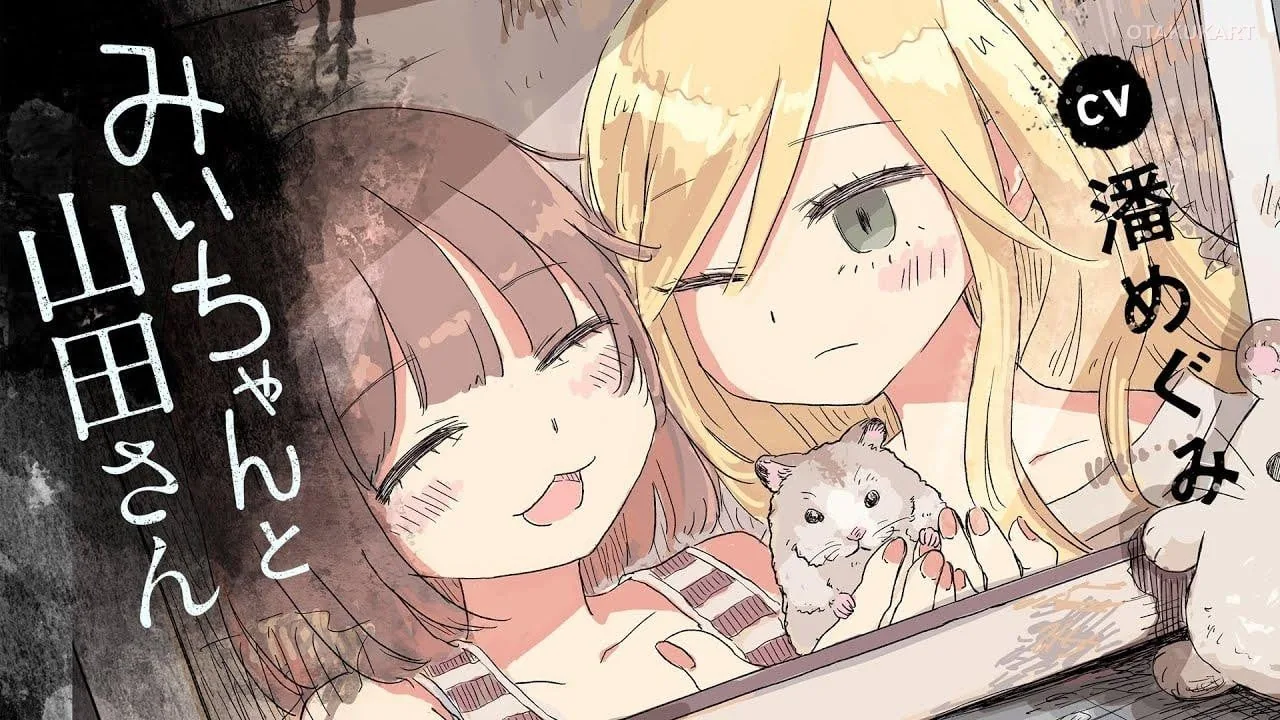
The society also voiced grave concern over the mindset of the creative team. Its statement called anime production inappropriate given the attitudes displayed around the manga’s publication. Media producers must ensure that sensitive depictions of disability actively connect people to community assistance. [1, 2, 3]
Commercial exploitation remained their central complaint. That concern grew sharper once advocates examined the publisher’s promotional strategy. [1, 2]
Editorial Video Sparks Exploitation Backlash
Public scrutiny intensified after critics highlighted a now-deleted promotional video featuring editors from Kodansha’s Young Magazine discussing the title. Representatives of Autism Society Japan pointed directly to on-screen text displayed during that editorial roundtable. Captions featured in the video included phrases telling viewers that “the manga makes you want to see Mii-chan suffer” and described the work as an invitation to witness “the darkest depths of this world.” Another caption declared that Mii-chan is a character created to make audiences want to watch someone fall. [1, 2]
Those marketing slogans severely undermined arguments that the story was written out of personal sympathy. In the manga, Yamada visits Mii-chan’s grave every year, a recurring scene that readers could interpret as Nene Azuki expressing empathy for Mii-chan through her narrator. However, representatives stated that the editorial video dismantled that interpretation. The society asserted that the publisher’s framing demonstrated that the series commercially exploited Mii-chan’s tragedy as misery for entertainment, causing profound distress to readers with disabilities. [1, 2]
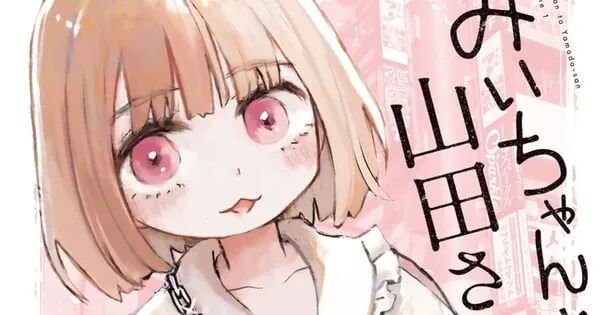
Mii-chan’s visual design further complicated reader reception. Advocates observed that her light-hearted artistic depiction contributed directly to her name being adopted as a playground taunt. By presenting severe poverty and personal struggles through an approachable comic format, the editorial presentation blurred the gravity of her circumstances and invited casual mockery from younger readers. [1, 2]
Digital Publishing Oversight Under Scrutiny
The dispute also exposed structural questions regarding editorial oversight on digital manga platforms. Nene Azuki launched Mii-chan and Miss Yamada on Kodansha’s Magazine Pocket (the publisher’s smartphone manga service) in September 2024, distributing chapters through the mobile app before assembling them into tankobon volumes. Autism Society Japan argued that digital distribution systems frequently operate without the rigorous risk-mitigation policies and editorial review established for traditional print publications. Publishers must enforce stricter supervision for web releases, especially when debut creators handle sensitive themes. [1, 2]
Azuki concluded serialization in August 2026, and Kodansha shipped the final collected volume on September 9. While other manga discussions examine whether stalled serials can resume, such as reporting on Guyver creator Yoshiki Takaya’s future in manga, Azuki’s narrative reached its intended print conclusion. Seven Seas Entertainment licensed the English edition, framing the narrative around two women navigating Tokyo’s hostess and club scene. [1, 2]
Finishing print publication did not close the controversy. Completing serialized chapters cannot undo the disparagement experienced by children in schools. The conclusion of the manga only shifted public attention toward the upcoming screen adaptation. [1, 2]
Adaptation Plans Move Forward Despite Backlash
Production on the television anime adaptation of Nene Azuki’s work continues despite sustained public criticism. Kodansha acknowledged reader reactions on July 27, but Flag Pictures has not modified its production timetable. The project remains officially scheduled for release in 2027, leaving disability advocates, educators, and fans watching to see how the animation staff addresses the sensitive subject matter. [1, 2, 5]
Crucial production details remain undisclosed. Flag Pictures has not identified the animation studio handling the adaptation, nor has it named a director, scriptwriter, or voice cast. That lack of creative information leaves the tone of the upcoming television series unknown. Reporting from Ken Iikura-Gross at Anime News Network and Jung Min-gyu at OtakuKart confirmed that producers have shared no advisory guidelines or planned consultations with disability advocacy groups. [1, 2]
Azuki’s story will test industry standards throughout production. Autism Society Japan has articulated its position without equivocation: commercial media must not transform real-world suffering into uncritical entertainment. As Flag Pictures advances toward 2027, the dispute tests how commercial anime handles vulnerable experiences. [1, 2]
- ONLINE NEWS Jung, M. (2026, September 12). Autism Society Japan opposes Mii-chan and Miss Yamada anime, calls adaptation inappropriate. OtakuKart. [Article Link]
- ONLINE NEWS Iikura-Gross, K. (2026, September 11). Autism Society Japan issues statement on Mii-chan and Miss Yamada manga. Anime News Network. [Article Link]
- REPORT Autism Society Japan. (2026, September 9). [Statement regarding Mii-chan and Miss Yamada and its planned anime adaptation]. Autism Society Japan. Cited via Anime News Network and OtakuKart. [Article Link]
- REPORT Zenkoku Te o Tsunagu Ikuseikai Rengōkai. (2026, August 19). [Comment on the use of “Mii-chan” as a disparaging nickname]. National Hand-in-Hand Educational Society. Cited via Anime News Network. [Article Link]
- PRESS RELEASE Kodansha. (2026, July 27). [Statement regarding criticism following Mii-chan and Miss Yamada anime announcement]. Kodansha. Cited via Anime News Network. [Article Link]


