





On November 28, 2026, The Verge reported that its readers chose inexpensive tech accessories and subscription bundles over high-priced flagship electronics during Black Friday shopping. Writer Cameron Faulkner observed that price sensitivity shaped buying choices, though shoppers also gravitated toward quirky hardware for holiday gifts and personal use. Digital entertainment discounts and compact handheld gadgets drew far more interest than expensive upgrades [1].
Popular Streaming Bundles and Audio Gear
Subscription services emerged as some of the most sought-after items because deep price cuts reduced the ongoing burden of monthly bills. Readers secured an ad-supported Disney Plus and Hulu bundle for $4.99 a month, providing an $8 monthly discount for an entire year. That package provided access to extensive television and film libraries, including The Simpsons, Andor, Toy Story 5, and The Fantastic Four: First Steps. Meanwhile, an HBO Max Basic subscription dropped to $5.49 a month, shaving about $6 off the standard rate through December 1st for audiences following A Knight of the Seven Kingdoms, The Last of Us, The Pitt, Superman, and Weapons. Additional interest surrounded discounted subscriptions for Apple TV and Peacock, which granted viewers access to live sports, NBC series like The Office, reality programming from Bravo, and studio releases from Universal Pictures and DreamWorks [1].
Beyond home streaming, audio devices and small personal trackers captured significant reader attention. Apple’s AirPods Pro 3 stood out by offering improved water resistance, a more secure and comfortable fit, and built-in heart rate tracking for athletic workouts, while supporting live translations across a handful of languages. Shoppers also picked up the second-generation Apple AirTag, which incorporates an upgraded ultra-wideband chip for more precise short-range tracking, an expanded Bluetooth range, and a noticeably louder internal speaker [1].
Pocket Gadgets and Compact Electronics
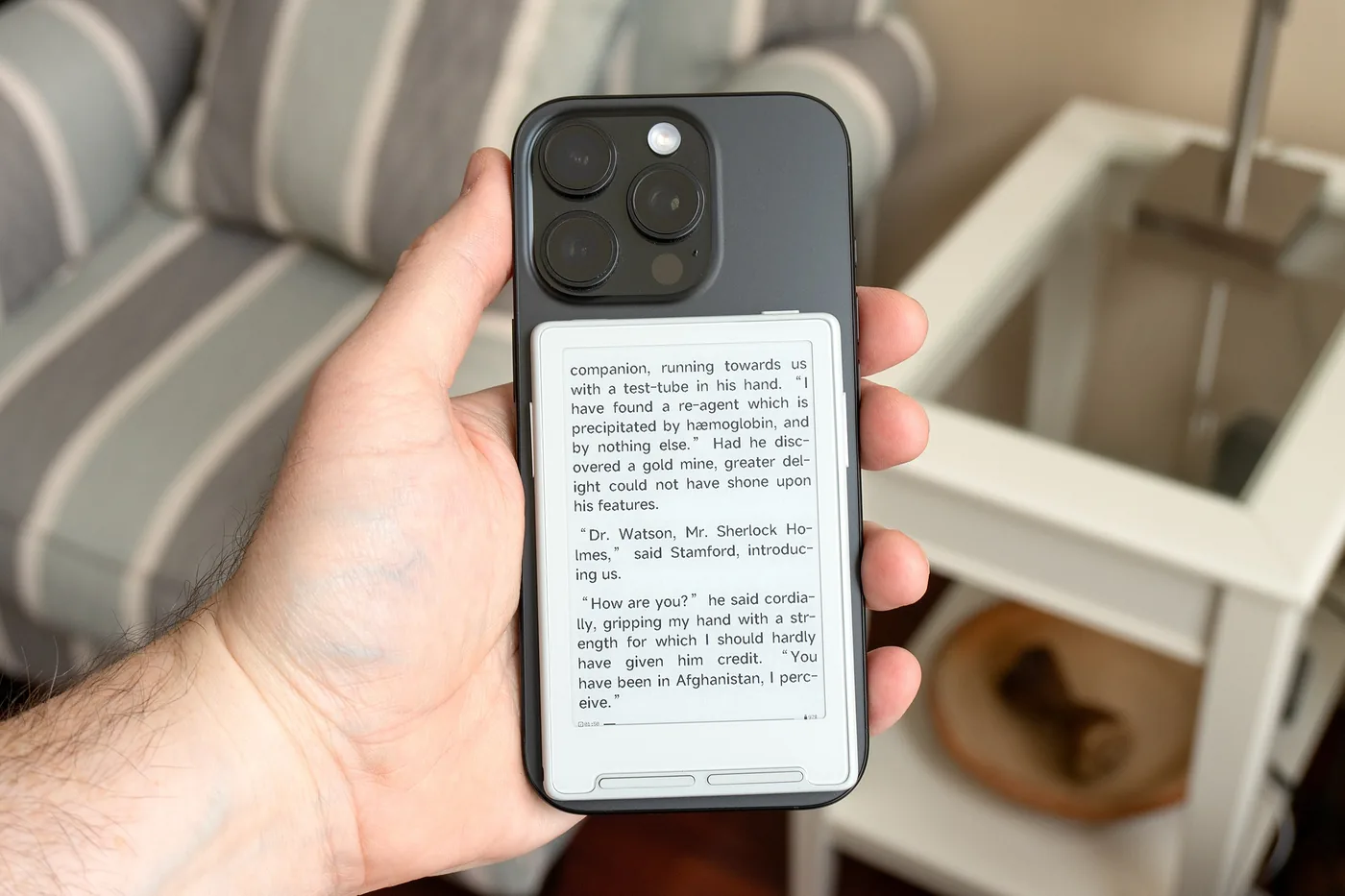
Handheld hardware and portable power solutions proved unusually popular among readers looking for compact everyday tools. The Xteink X4 Classic pocket e-reader attracted tinkerers with its 4.3-inch E Ink screen and magnetic phone mount compatible with MagSafe cases. While it’s limited to TXT and EPUB files, its physical body is smaller and more pocketable than any current Amazon Kindle or Kobo device. For travelers, Anker’s 100W Universal Charger offered charging capabilities across more than 200 countries. It doesn’t support AC plugs, but it offers three USB-C ports and an integrated LCD display that shows real-time charging status [1].
Unusual novelty gadgets also found a passionate audience among holiday shoppers who valued charm and convenience over raw technical specifications. Kodak’s Charmera keychain digital camera offered an ultra-small 1.6-megapixel sensor, a built-in LED flash, and modest onboard memory for spontaneous, lo-fi photography. The rechargeable Wuben G5 flashlight packed a rotatable multi-color light, an adjustable clip, and USB-C recharging into an aluminum housing the size of a standard Zippo lighter. For household convenience, the rechargeable SwitchBot Bot allowed users to automate rocker switches, garage doors, and pet feeders remotely from a smartphone. Readers also purchased the Govee Table Lamp 2, which features over 60 lighting modes such as “Dandelion” alongside customizable holiday palettes, as well as the Fanttik X9 Pro portable tire inflator, which inflates a car tire in under one minute across four presets up to a maximum pressure of 150PSI [1].
Cameron Faulkner observed that these buying patterns revealed a distinct consumer mindset. As Faulkner explained, “Cheap, practical gifts (and subscriptions) won over pricey ones during Black Friday.” While holiday shoppers often hunt for high-end televisions or desktop computers, many readers preferred gifting affordable items that felt clever without stretching their seasonal budgets [1].


Retail Shift in Black Friday Shopping
The strong preference for portable gadgets and streaming bundles illustrates how reader priorities adapt during holiday sales. While budget accessories and services dominated buyer interest, earlier retail reporting noted that Sony shared PS5 hardware deals for Black Friday but skipped console discounts. When major hardware makers keep console prices steady, consumers naturally direct their spending toward practical accessories and discounted entertainment rather than expensive hardware.
The commercial tradition that shapes today’s Black Friday shopping began with very different retail dynamics in the mid-twentieth century. The earliest known print usage connecting the term to post-Thanksgiving commerce appeared in the trade publication Factory Management and Maintenance in November 1951, repeating the reference in 1952. In those early articles, the phrase did not describe exciting holiday discounts, but rather referred to workers calling in sick the day after Thanksgiving to create an unauthorized four-day holiday weekend [2].
Police officers in Philadelphia and Rochester subsequently popularized the label during the 1950s and 1960s to describe massive downtown sidewalk crowds and heavy traffic gridlock. As suburban families flooded commercial districts to begin their Christmas shopping, local authorities struggled to manage congested roadways and overcrowded storefronts. In 1961, Philadelphia merchants and civic leaders attempted to rebrand the event as “Big Friday” and “Big Saturday” to remove negative associations, but the friendlier moniker failed to gain public traction [2].
Historical Roots of the Shopping Tradition
Long before the phrase entered the retail lexicon, the label referred to national financial disasters. The most prominent early event was the Panic of 1869 on September 24, when Wall Street financiers Jay Gould and James Fisk attempted to corner the United States gold market. By exploiting political ties to the Ulysses S. Grant administration, the pair drove gold prices higher until President Grant intervened directly. Grant ordered the federal Treasury to release a massive supply of government gold, which broke the speculative run and caused gold prices to plunge by 18% in a single day, ruining numerous investors including the president’s brother-in-law Abel Corbin [2].
The retail meaning spread slowly across the country over several decades. The New York Times first printed the phrase on November 29, 1975, still using it strictly to characterize Philadelphia’s heavy shopping congestion. A decade later in 1985, The Philadelphia Inquirer reported that merchants in major cities like Cincinnati and Los Angeles still had no familiarity with the name. To counteract the term’s chaotic connotations, retailers in the early 1980s popularized an accounting explanation, suggesting the day marked the moment when stores moved out of operating in the red and turned into profitable black ink for the year [2].
Modern Black Friday Shopping and Extended Sales
The structure of modern Black Friday shopping underwent another fundamental transformation with the rise of digital commerce. The introduction of Cyber Monday and week-long promotional windows diluted the singular focus on a single Friday, turning a chaotic twenty-four-hour rush into an extended seasonal event. Instead of camping outside physical storefronts before midnight, modern shoppers browse digital platforms from home, spreading their purchases across several weeks [2].
This transition toward flexible online purchasing explains why practical gadgets and digital entertainment dominated reader carts this year. As Cameron Faulkner observed in his analysis of reader habits, “Price is a major factor, unsurprisingly, but for the holidays, some people care more about novelty above all else.” Shoppers today combine careful financial planning with playful gifting, using holiday promotions to secure affordable everyday upgrades [1].
Whether grabbing a pocket-sized e-reader, an automated switch controller, or a discounted streaming catalog, consumers continue to reshape holiday traditions. What originated as nineteenth-century financial turmoil and twentieth-century urban traffic management has evolved into a global digital marketplace. Today’s shoppers navigate those sales with measured budgets, choosing utility and enjoyment over expensive indulgence [1].
- ONLINE NEWS Faulkner, C. (2026, November 28). Here’s what other Verge readers bought during Black Friday. The Verge. [Article Link]
- WEBSITE Wikipedia. (n.d.). Black Friday (shopping). [Article Link]


