





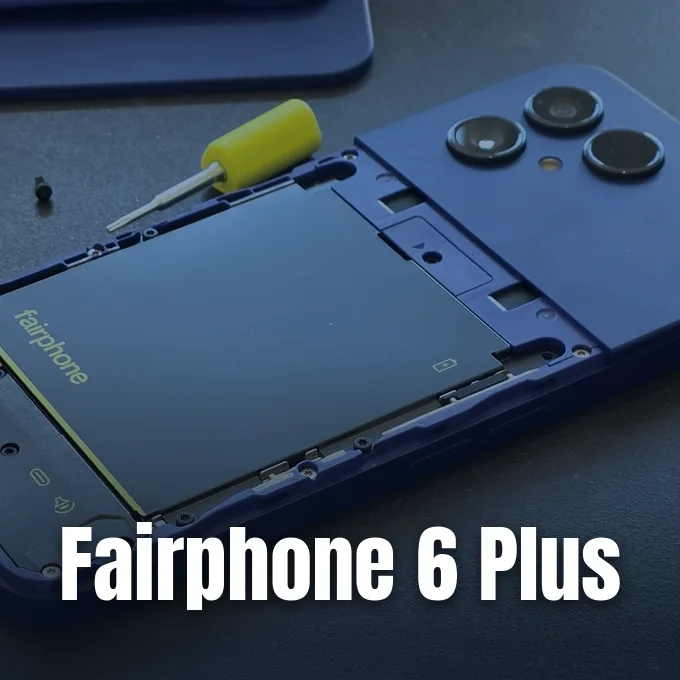
Dutch smartphone maker Fairphone announced on November 12, 2026, that it has partnered with Boost Mobile to bring the Fairphone 6 Plus to the carrier’s wireless network [1]. The commercial agreement gives the Amsterdam company its first official carrier partnership in the United States. Previously, American shoppers could only purchase the modular device unlocked through Amazon or Fairphone’s website [2]. While the retail price stays at $649.99, joining a cellular provider opens a vital channel into a domestic market where equipment installment plans drive consumer phone purchases [3].
Fairphone 6 Plus Reaches Boost Mobile Subscribers
Boost Mobile currently serves over seven million wireless subscribers across the United States. In a statement announcing the partnership, Fairphone chief executive officer Raymond van Eck said that “for too long, US consumers have been captives of a system built on planned obsolescence and constant, expensive upgrades”. Van Eck said the initiative focuses on providing American users with a modular handset that owners can service and maintain over multiple years [3]. As Android Central reporter Nickolas Diaz reported, the Fairphone 6 Plus originally launched in August in Europe and North America without direct carrier backing [1]. Paying full retail price upfront initially restricted the device’s audience across contract-driven carrier channels [3].
Boost Mobile functions as a mobile virtual network operator (MVNO) under EchoStar. Instead of spending billions building and maintaining private transmission towers, the company leases wireless infrastructure from major national networks like AT&T to deliver nationwide voice and data coverage at lower operating costs. EchoStar assembled the current Boost Mobile business after acquiring Dish Network along with Sprint’s prepaid mobile assets [4].
Counterpoint research director Mohit Agrawal said that about 16 percent of mobile subscribers in the United States rely on virtual network operators like Boost Mobile, Cricket, and Mint Mobile. Virtual network operators provide service to tens of millions of active subscriber lines throughout the country. Fairphone sees this group as a receptive audience for sustainable electronics after spending more than a decade selling modular hardware in Europe [4]. Van Eck said that “while competitors ‘shrinkflate’ their new models, Fairphone is giving people more: power, features, and longevity. The Fairphone (Gen. 6+) simply makes sense” [1].
eSIM Activation on Boost Mobile Networks
American shoppers will not find the handset on shelves inside physical Boost Mobile stores. Instead, buyers order the phone online from Fairphone or Amazon and select a Boost Mobile wireless plan during digital checkout. When the parcel arrives in the mail, Boost sends an eSIM activation profile by email so owners can set up service from home. Digital provisioning allows owners to connect their line without visiting a retail storefront. Customers receive account credentials electronically, bypassing the in-store counter while keeping activation simple and fast [4].
Rutger Sneep, chief commercial officer at Fairphone, told WIRED writer Julian Chokkattu that this first rollout represents the opening phase of a multi-year collaboration between both brands. Sneep said that more news about “joint go-to-market plans” will arrive as both teams evaluate buyer demand [4]. Boost subscribers gain an ethical alternative to mainstream hardware makers [3].
The hardware connects to AT&T and T-Mobile wireless towers, which supply core cellular frequencies for Boost Mobile customers [4]. But the device does not support Verizon networks. Consumers with Verizon accounts cannot activate the phone on their plans. For buyers who want to switch carriers later, unlocked units bought from Fairphone or Amazon stay fully compatible with standard AT&T and T-Mobile plans at the regular $649.99 price. The phone keeps its cellular flexibility across both supported GSM-based networks [2].

Fairphone 6 Plus Modular Hardware Design
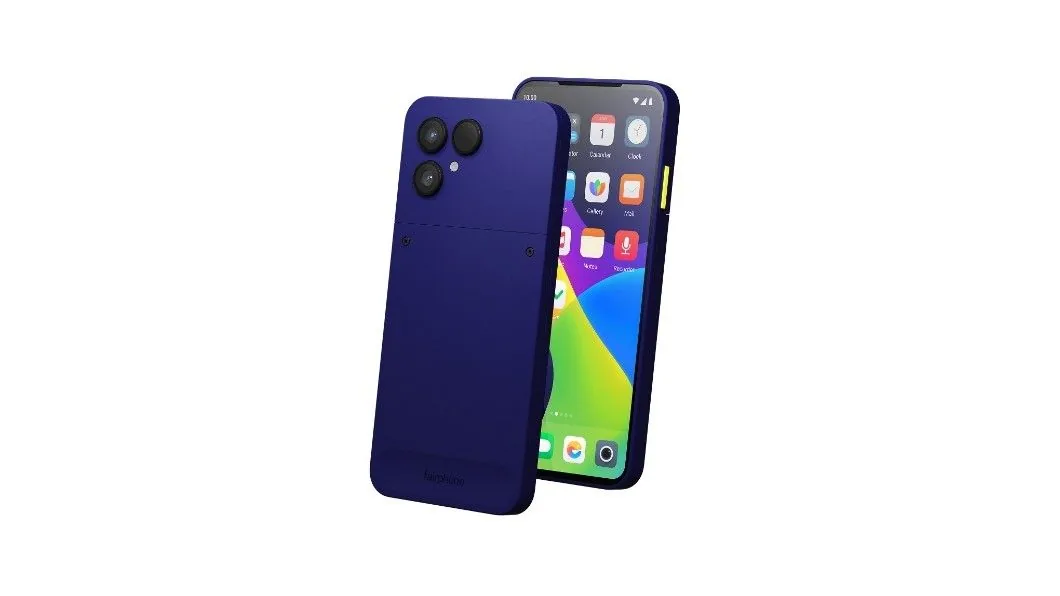
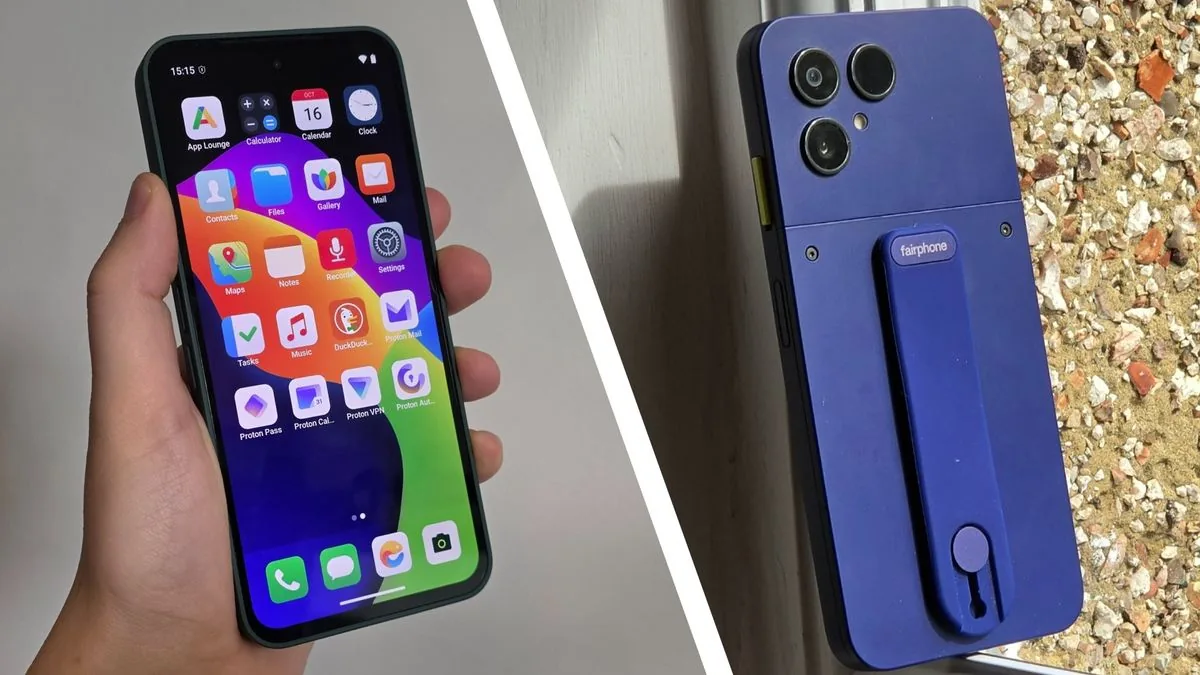
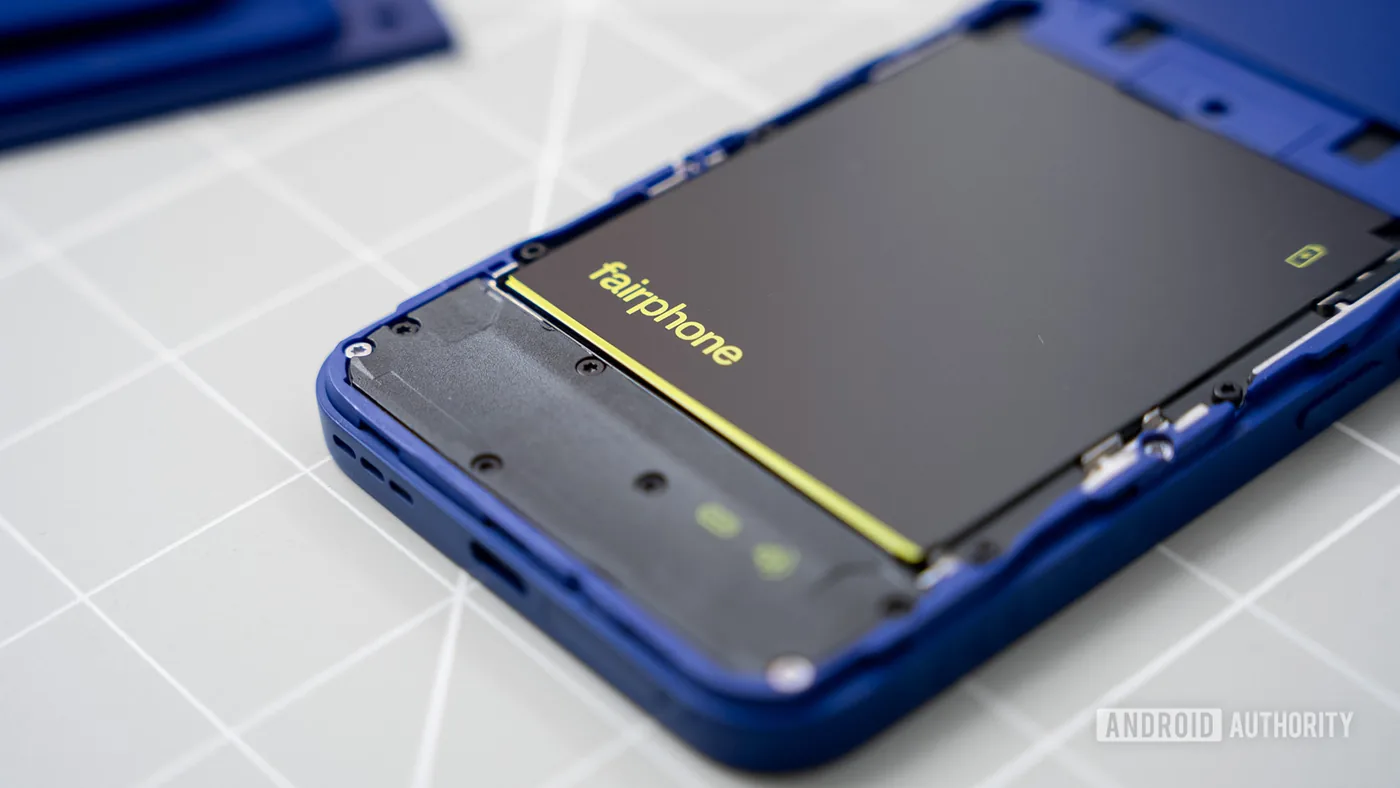
The Fairphone 6 Plus differs from conventional sealed smartphones by letting users swap internal components with a simple screwdriver shipped in the box [2]. Its frame houses 12 modular parts, including the USB-C charging port, camera modules, speaker assembly, and the battery pack [4]. The rear panel pops off by hand without heating tools [1].
In technical specifications analyzed by Android Authority writer Chethan Rao, despite that modular build, the phone carries an IP55 durability rating against dust and water splashes. It cannot withstand full submersion underwater, but rain showers and table spills will not short out internal hardware. The front display uses a 6.31-inch OLED screen with an 1116 by 2484 resolution and a 120Hz refresh rate, protected by Corning Gorilla Glass 7i [2, 3]. Under the hood, Qualcomm’s Snapdragon 7s Gen 4 processor runs with 12GB of RAM and 256GB of storage. Users can also slide a microSD card into the slot to add up to 2TB of extra memory [1]. A 50MP main camera records 4K video, supported by a 13MP ultrawide sensor and a 32MP front shooter [2]. Android 16 comes preinstalled, with guaranteed software patches through 2033 [1].
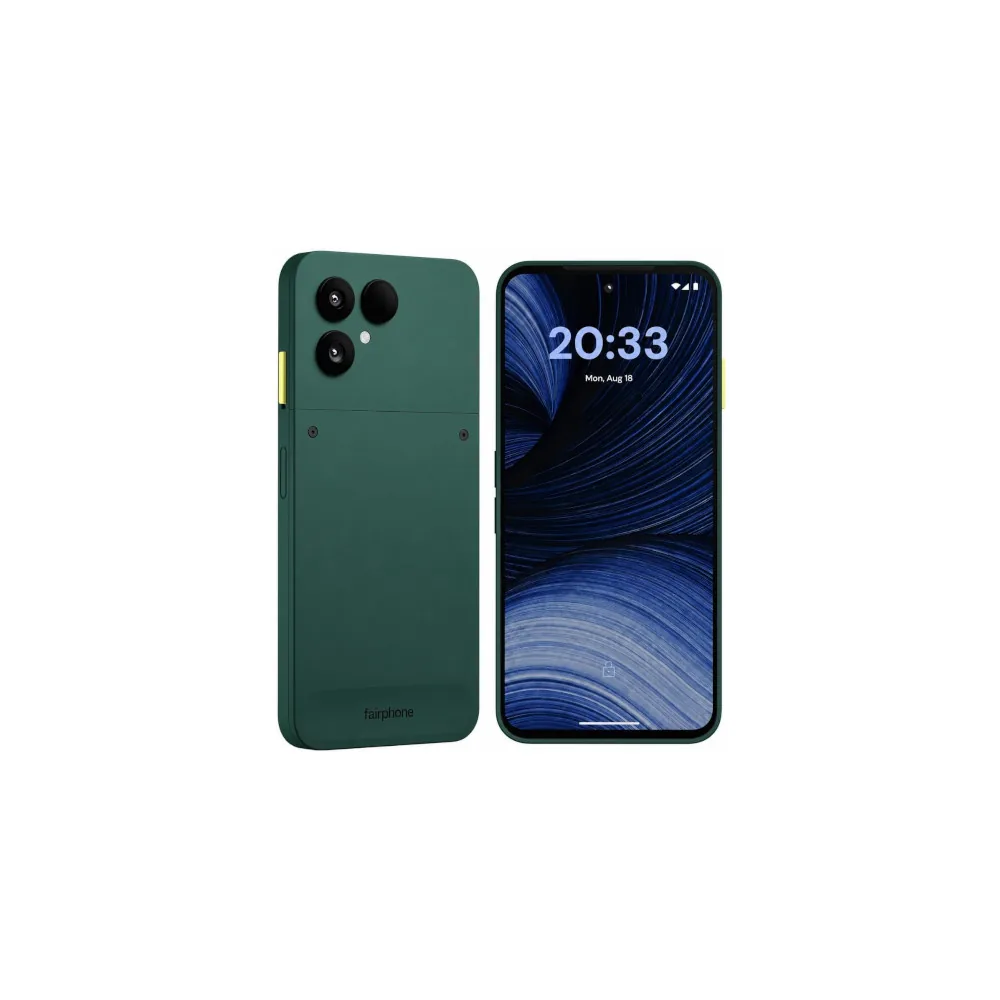
Biometric authentication uses a side-mounted fingerprint sensor embedded directly in the power button. For daily power, the 4,415mAh battery supports 30W fast wired charging, while the exterior finish comes in three distinct colorways: Cobalt Blue, Forest Green, and Horizon Black [1, 2]. Fairphone added the Cobalt Blue shade during the August launch [1]. To minimize environmental impact, the entire chassis incorporates recycled plastics alongside conflict-free minerals, matching the manufacturer’s long-standing dedication to responsible hardware engineering [4].
Spare Part Costs and Extended Warranty
Fairphone sells official spare parts through its website at prices well below common repair rates. A replacement 4,415mAh battery costs $40, while a fresh display panel costs $90. In contrast, fixing a damaged screen on an Apple iPhone 17 costs $329 through official service providers, and an Apple battery replacement costs $99. Sneep said that customers won’t need to visit a shop to resolve common hardware issues: “You can simply and affordably order all spare parts to your doorstep and carry out the repair yourself” [4].
For intricate electrical repairs, Fairphone operates a mail-in repair center. Technicians service rare board-level defects if home replacements prove insufficient [4]. The company includes a compact screwdriver in every retail box so users have the exact tool needed to open the frame [2].
Every phone comes backed by a five-year warranty if the owner registers the hardware on Fairphone’s website within 90 days of purchase [4]. That extended coverage matches the company’s commitment to eight years of software support through 2033 [1]. Fairphone holds independent B Corp certification and a Platinum sustainability rating from EcoVadis for its supply chain practices, which include fair wage standards for assembly workers and recycled minerals in component lines. These ethical labor practices explain why the device costs $649.99 despite carrying mid-range silicon, because the purchase price reflects cleaner sourcing and extended product longevity rather than disposable manufacturing [4].
Carrier Realities in the American Smartphone Market
Breaking into North America is notoriously difficult for independent smartphone makers. According to 2025 market research data from IDC, nearly 70 percent of American consumers purchase smartphones directly through wireless carriers on multi-year contracts rather than buying unlocked devices from independent retail outlets [4]. Shoppers expect subsidized monthly installments. Without carrier billing integration, boutique electronics brands face immense friction trying to convince mainstream buyers to spend $650 in a single upfront cash payment [3].
The broader phone market is also dealing with economic pressures that have slowed hardware shipments worldwide. Counterpoint data indicates that global smartphone shipments fell 19 percent year over year in 2026, driven by higher component costs from memory shortages. Industry revenues still edged up 3 percent between July and September 2026 as device makers bumped retail prices to offset smaller shipment volumes [4].
Fairphone reported contrasting results in financial disclosures, with phone sales rising 74 percent during the first half of 2026 and 48 percent in the second quarter alone [4]. As TechRadar writer James Rogerson noted, expanding onto Boost Mobile gives the European company its first foothold in a market dominated by carrier financing [3]. When consumers in the United States embrace repairable hardware and long software warranties, other US network operators could open their retail channels to sustainable phones in the coming years [2]. Connecting with Boost Mobile shows that alternative hardware can carve out shelf space even in an entrenched telecom landscape [3].
- ONLINE NEWS Diaz, N. (2026, November 12). Fairphone, Boost Mobile partner to bring the Gen. 6 Plus to even more users. Android Central. [Article Link]
- ONLINE NEWS Rao, C. (2026, November 12). US carriers start warming up to Fairphone as Gen 6 Plus reaches Boost Mobile. Android Authority. [Article Link]
- ONLINE NEWS Rogerson, J. (2026, November 12). Fairphone signs first US carrier partnership, making the easily repairable Fairphone 6 Plus more widely available. TechRadar. [Article Link]
- ONLINE NEWS Chokkattu, J. (2026, November 12). Fairphone Lands Its First US Carrier Partner in Boost Mobile. WIRED. [Article Link]


