





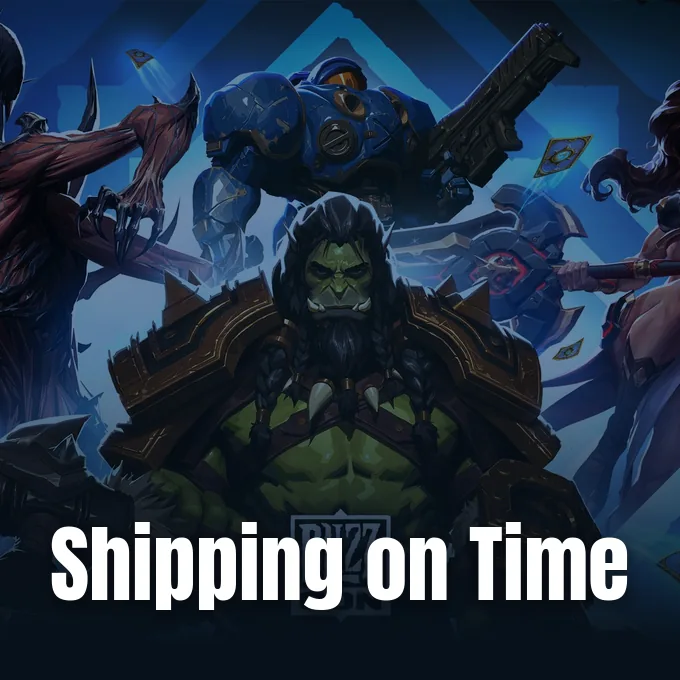
Long development cycles define gaming. Yet the newly revealed Blizzard release schedule extends unusually far into the next decade. Speaking ahead of BlizzCon 2026, Blizzard Entertainment president Johanna Faries defended the decision to announce faraway launch windows for premier franchises. The studio attached a 2030 target to a brand-new StarCraft shooter reboot and slated Diablo 5 for Spring 2029. Faries pledged that teams will meet both targets on time.
Blizzard Release Schedule Targets 2029 and 2030
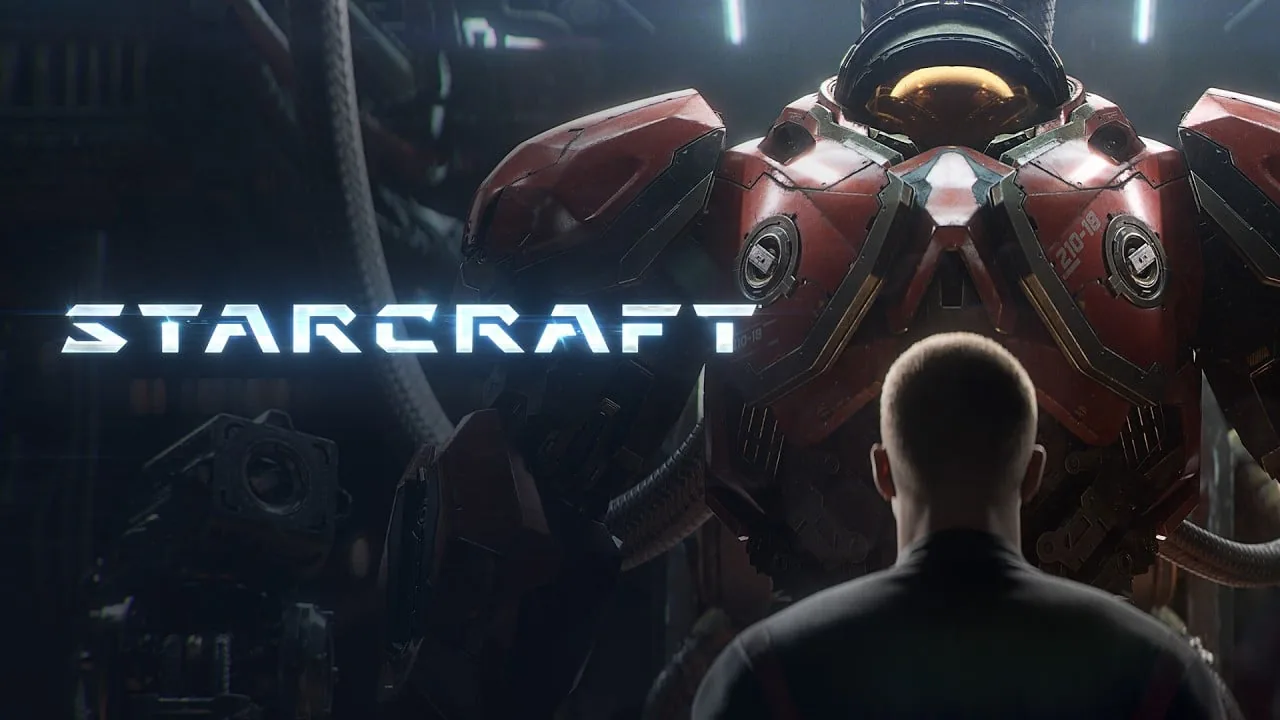
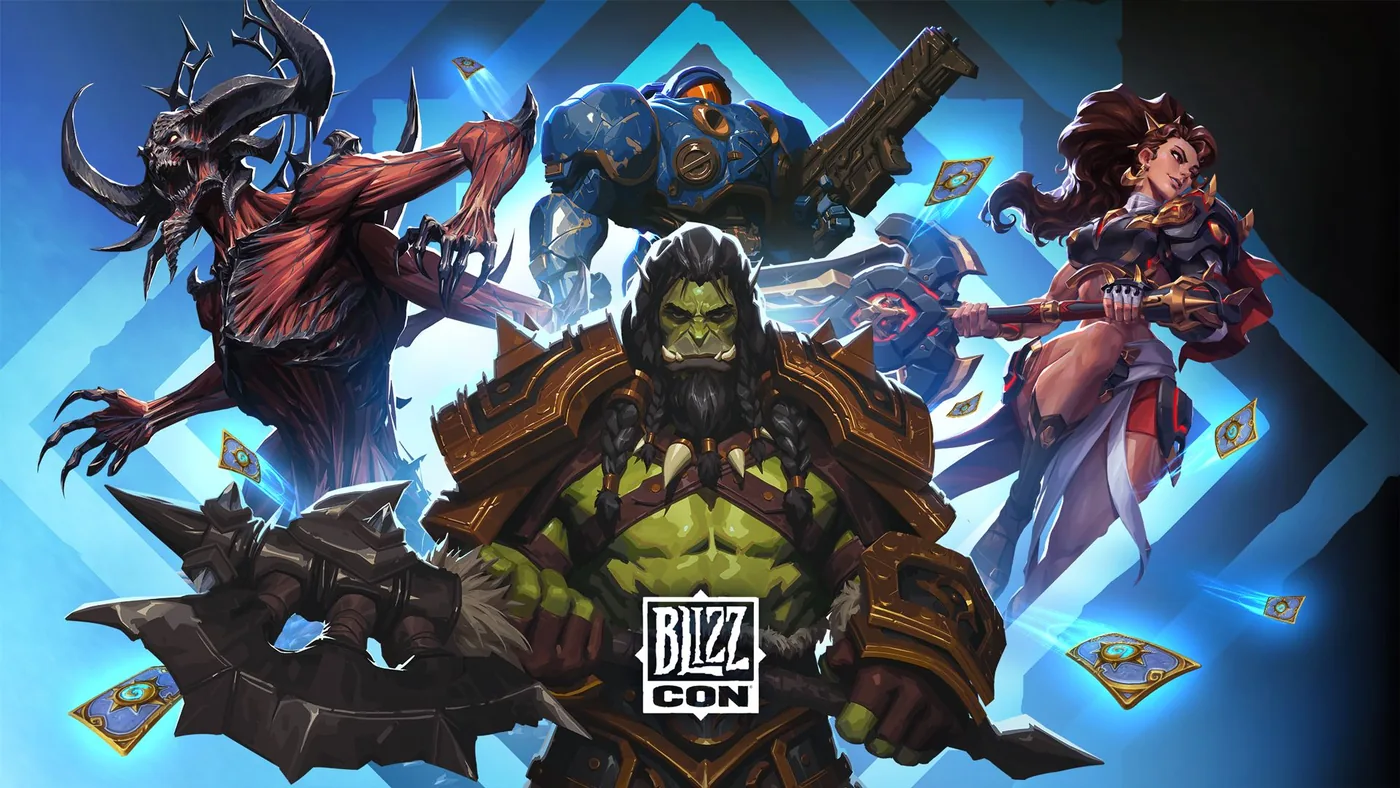
BlizzCon 2026 delivered sudden surprises. On the convention floor in Anaheim, Blizzard Entertainment officially announced that an open-world shooter reboot titled simply StarCraft will arrive in the Koprulu Sector in 2030 [1],. Diablo followed immediately afterward. During that keynote, leadership announced that Diablo 5 will debut in Spring 2029, establishing a dark world where Sanctuary has fallen [3], [5]. Committing to specific calendar targets years ahead breaks standard industry conventions [2].
While previous site coverage in Back to Azeroth: BlizzCon 2026 Revives Blizzard’s Worlds chronicled the celebratory stage spectacle and nostalgic reveals across Azeroth, the real operational test lies in production discipline. Setting public release windows years in advance forces management to shoulder genuine accountability instead of relying on indefinite extensions [2], [4]. Studios frequently battle unpredictable technical bottlenecks, industry memory shortages, and unexpected scope changes [1]. Delays happen easily. For Blizzard Entertainment, announcing locked calendar years carries immense pressure because the storied developer has historically taken more than a decade between mainline installments across flagship universes [2], [4].
Publishing distant roadmaps invites intense scrutiny. Past video game missteps turned early promises into cautionary tales [2]. Yet executive leadership chose public transparency. By anchoring the updated Blizzard release schedule to firm calendar dates, management signaled that core programming and asset construction are actively progressing rather than lingering in early conceptual stages [1], [2].
Executive Confidence and Shipping on Time
Explanations followed the opening keynote. In an interview with Bloomberg reporter Jason Schreier, Blizzard president Johanna Faries directly confronted skepticism regarding the distant timeline [1], [2]. Faries explained that leadership wanted to ‘convey confidence’ in premier projects rather than keep players in suspense [1], [4]. The studio wants to establish predictability across its global fanbase [2].
Firm language accompanied the public promises. Rather than offering tentative release windows, Faries insisted that her organization will ‘ship big, and ship on time,’ describing an ‘all hands on deck’ effort to guarantee delivery [1],. That statement marks a decisive shift in public posture for an enterprise historically associated with protracted production delays [2], [4]. Delivering on time demands discipline.
Confidence also extends to veteran project directors. StarCraft project lead Dan Hay told GamesRadar+ that 2030 represents ‘a date we feel really confident about’ [2].
Hay explained that his core development team has already invested substantial time prototyping systems, allowing leadership to share progress openly [2]. Early technical validation through the PTR (Public Test Realm, Blizzard’s dedicated staging environment for community feedback) will eventually test those underlying combat mechanics before worldwide distribution [3]. Communication builds lasting credibility. Managing the Blizzard release schedule with this degree of transparency reflects genuine internal progress rather than superficial marketing hype [2], [4].


Rebooting StarCraft Without Leaving Strategy Roots
Branding decisions sparked immediate conversation among convention attendees. Rather than appending a numerical designation or subtitle, Blizzard chose the standalone franchise name for the upcoming project [1],. The production reimagines the storied science-fiction series as an open-world shooter (combining expansive planetary exploration with third-person tactical combat) set across the war-torn Koprulu Sector [3], [5]. Faries clarified that this branding deliberately signals a fresh beginning while continuing to respect RTS (real-time strategy, the resource-management format that originally defined the series) heritage [1].
Industry precedents justify the branding choice. Nintendo recently employed the exact same naming philosophy by entitling the Nintendo Switch 2 remake of Star Fox 64 simply Star Fox. Names carry substantial weight. Faries maintained that the production philosophy aims for ‘the modern, next generation of players’ without abandoning established lore. Blizzard plans to reveal additional gameplay details across the coming years as asset pipelines mature [1], [3].
Genre transitions require cautious execution. Longtime fans readily recall previous abandoned efforts like StarCraft: Ghost, which attempted a similar transition into third-person action [1],. Clarifying creative direction within the Blizzard release schedule helps establish grounded player expectations years before launch [2]. Whether this balance satisfies veteran strategists and console shooter enthusiasts will determine the game’s long-term commercial reception [1], [4].
Expanding Diablo 5 and Franchise Traditions
Diablo advances along an independent timeline. While StarCraft targets 2030, Diablo 5 anchors the roadmap with an earlier Spring 2029 arrival [1], [3]. Blizzard revealed the initial confirmed character classes for the sequel, highlighting the return of the Demon Hunter and Monk alongside the debut of the Plague Knight [2], [3]. The development team confirmed that the dark ARPG (action role-playing game, characterized by isometric dungeon crawling and loot progression) will feature more playable classes at release than any prior entry [2], [3].
Fresh character archetypes dramatically alter dungeon combat. Pairing an all-new knight archetype with beloved staples illustrates the creative scope guiding the sequel [2], [3]. Sustaining multi-year momentum requires discipline; Blizzard intends to prove that dark gothic fantasy remains central to its heritage [2], [3]. As a central pillar in the Blizzard release schedule, the grim adventure bears heavy commercial expectations from gaming communities worldwide [2], [5].

Other storied franchises also shared the BlizzCon spotlight. Announcements included World of Warcraft: Forever launching in November 2026, alongside the animated Diablo series commissioned for Netflix [3], [5]. Simultaneously maintaining several sprawling live-service (ongoing seasonal patch cycles and recurring digital expansions) ecosystems while constructing future flagship blockbusters demands exceptional managerial coordination [1], [3]. Delivering Diablo 5 in Spring 2029 will serve as the initial public litmus test for this ambitious development cadence [2], [4].
Studio Culture Under Microsoft and Xbox
Corporate headwinds complicate distant production schedules. During her wide-ranging Bloomberg discussion, Jason Schreier raised the sensitive topic of sweeping workforce reductions across Microsoft and the broader Xbox gaming division overseen by corporate leadership [2], [4]. Faries declined to speculate on potential future cuts, stressing that safeguarding studio health remains her foremost operational duty [2], [4]. Industry observers note that Blizzard has adopted what financial analysts describe as a portfolio approach (balancing annual expansions like World of Warcraft: Midnight alongside five-year marquee releases) to satisfy corporate profit benchmarks [6]. Maintaining that delicate operational equilibrium becomes crucial as Xbox leadership evaluates subsidiary performance across the entire gaming portfolio [4], [6]. Workplace stability shapes final game quality.
Creative autonomy remains fundamental to Blizzard’s identity. Faries emphasized the studio’s cultural heritage as an irreplaceable asset, arguing that high commercial performance under Microsoft creates a mutually beneficial partnership for both corporate headquarters and internal developers [2], [4]. Commercial success protects independent development teams.
Recent operational milestones provide substantial encouragement. Blizzard recently distinguished itself as Xbox’s best-performing first-party studio, showing notable financial strength amidst widespread industry volatility [2], [6]. Strong momentum must now translate into consistent execution. Adhering to the Blizzard release schedule across 2029 and 2030 will ultimately determine whether the legendary creator can reinvent its corporate rhythm and fulfill its most daring long-term commitments on time [1], [2].
- ONLINE NEWS DeFelice, R. (2026, September 13). Blizzard Promises Diablo 5 and StarCraft Will Ship on Time. Insider Gaming. [Article Link]
- ONLINE NEWS Serin, K. (2026, September 13). After announcing StarCraft and Diablo 5 years in advance, Blizzard president promises “to ship, and ship big, and ship on time”. GamesRadar+. [Article Link]
- PRESS RELEASE Blizzard Entertainment. (2026, September 12). Everything Announced at BlizzCon® 2026 Opening Ceremony. Blizzard News. [Article Link]
- ONLINE NEWS Angyal, A. (2026, September 13). Why Does Blizzard Still Announce Games Years Before Their Release? theGeek.games. [Article Link]
- ONLINE NEWS Key, B. (2026, September 12). BlizzCon 2026: All Major Announcements, Reveals, And Release Dates. Yahoo Tech. [Article Link]
- ONLINE NEWS Vpesports. (2025, December 22). Blizzard’s New Pace: Two Major Releases a Year and Microsoft’s Schedule. VPEsports. [Article Link]


1 comment