




Square Enix announced a new mobile role-playing game on November 10, but the project quickly drew criticism from within the Japanese video game industry. Yasunori Mitsuda, who composed the music for Chrono Trigger, stated on his personal blog that Square Enix should retire the 40-year-old Dragon Quest series rather than continue making games without character designer Akira Toriyama. Toriyama died on March 1, 2024, at age 68, leaving behind art that defined the visual identity of the franchise since its debut in 1986 [1].
Why Yasunori Mitsuda Wants Dragon Quest to End
Mitsuda explained his view after seeing promotional art for the upcoming mobile release, titled Dragon Quest RPG: The Cursed Tree and the Chosen Isle. He questioned whether copying Toriyama’s style respects the late artist or his fans. The composer felt that the current direction serves neither the creator nor the public [3].
In a blog post translated by Automaton, Yasunori Mitsuda addressed the issue plainly. “The Dragon Quest RPG: The Cursed Tree and the Chosen Isle illustrations in Akira Toriyama-san’s style have been a hot topic recently, but I think this kind of approach isn’t good for the artist, or Toriyama-san’s fans, or even the late Toriyama-san himself,” he wrote. He argued that the franchise can’t produce truly original work without Toriyama, suggesting that series creator Yuji Horii should instead pursue a fresh concept. “Since it’s pretty much impossible to create anything truly new no matter how much you try, I feel like it would be best to retire the Dragon Quest series and let Horii-san create a brand-new RPG,” Mitsuda wrote [3].
Mitsuda also pointed out that players can already revisit past adventures through numerous modern remakes. He worked with Toriyama and Horii during the Super Nintendo era on Chrono Trigger, giving his personal perspective deep historical weight. In his view, constantly leaning on past formulas prevents Japanese studios from building something truly bold and unexpected [2].
Fan Reaction to the New Mobile Game Art
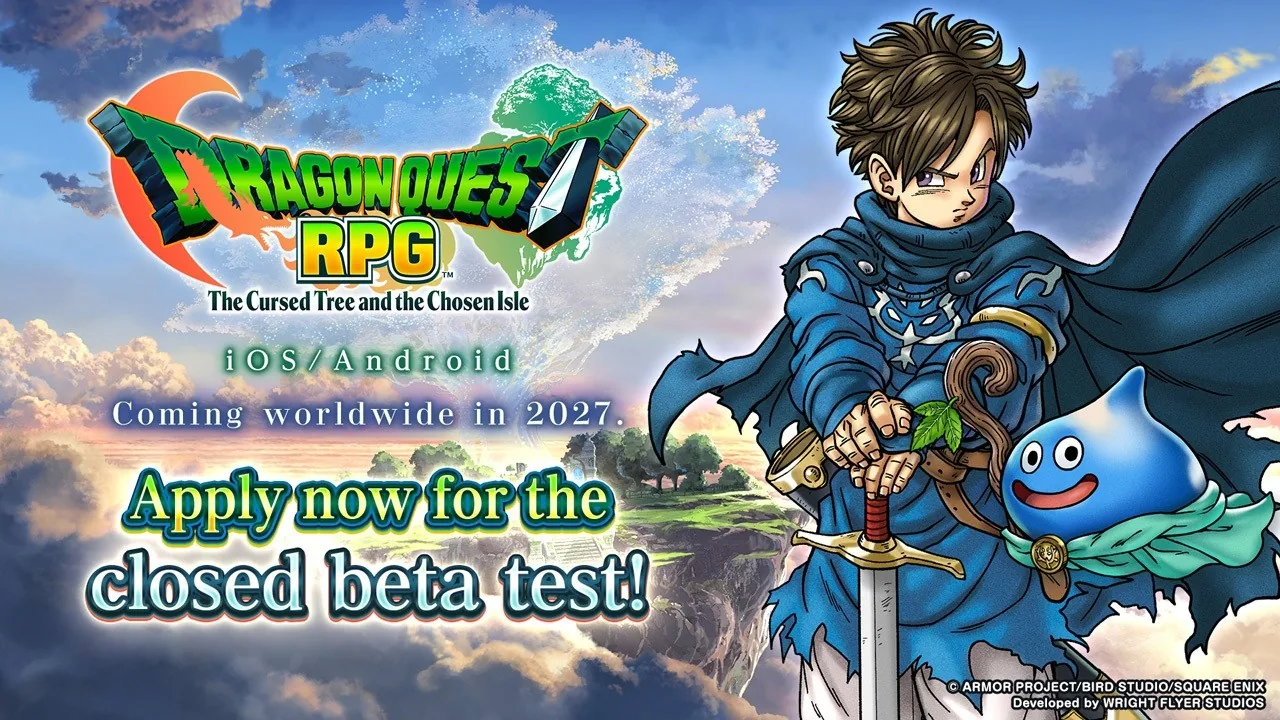
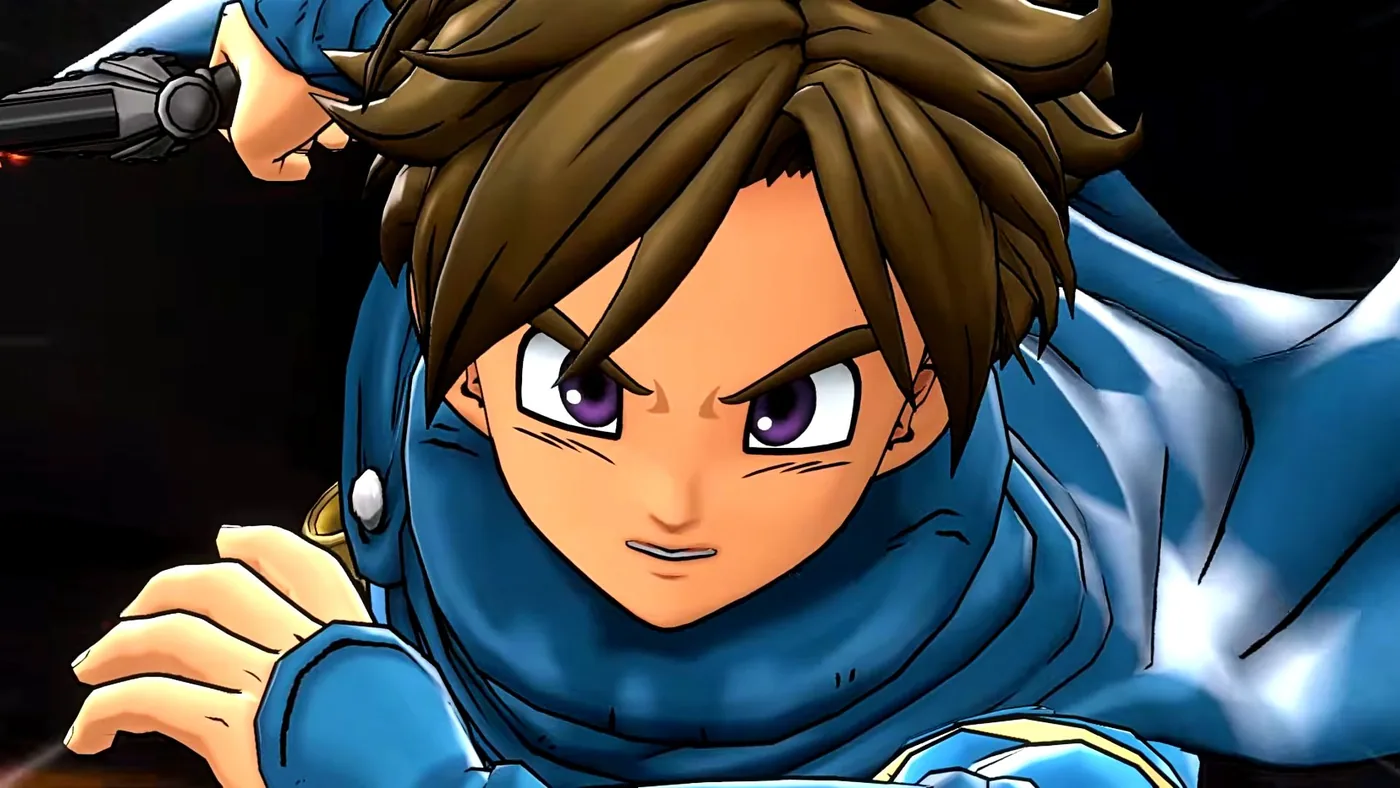
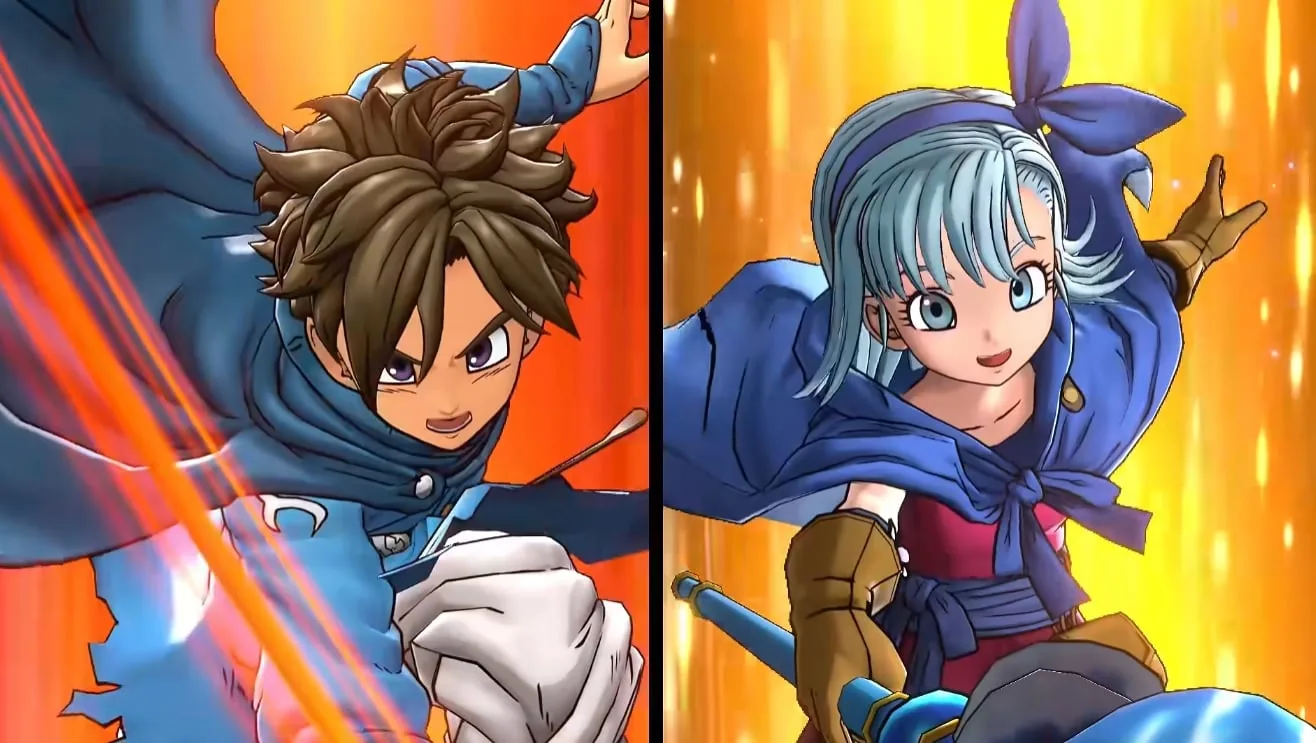
Square Enix plans to release Dragon Quest RPG: The Cursed Tree and the Chosen Isle in 2027 exclusively for mobile devices running iOS and Android. The publisher framed the mobile title as a turn-based adventure that mirrors the structure of mainline console games, offering turn-based battles, town exploration, and party progression. The reveal was intended to give fans an active project while they wait for Dragon Quest XII: Beyond Dreams. However, when the official announcement trailer and promotional artwork debuted on Japanese social channels, players on X raised concerns about whether the new hero truly matched Toriyama’s standards [4].
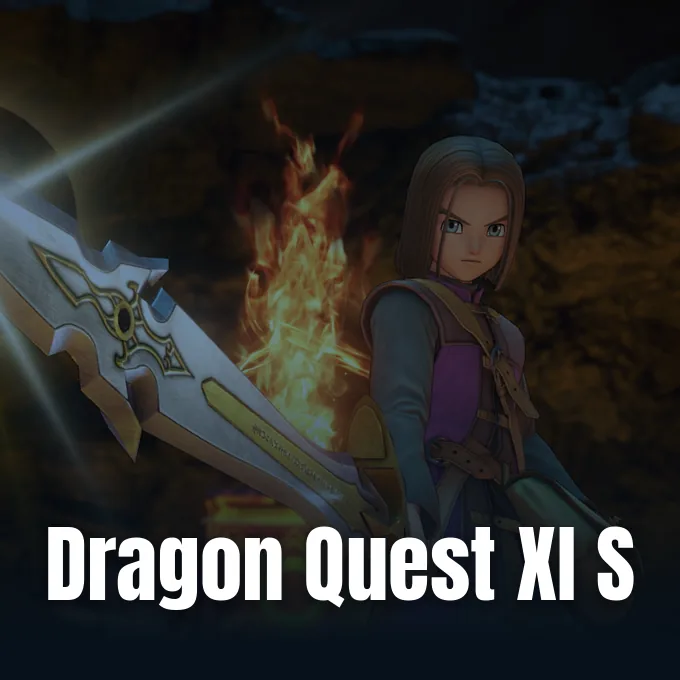
Online criticism focused on the practical details of the hero’s illustrated equipment. Fans noticed that the sword scabbard worn on the character’s back was far too narrow to hold the wide blade carried in his hands. Longtime followers argued that Toriyama always paid close attention to mechanical logic when drawing fantasy weapons [4].
The awkward scabbard led fans to question how the new protagonist was actually produced. Many observers speculated that Square Enix took unused concept sketches from Toriyama’s past archives and had internal illustrators polish them for the mobile release. While the publisher officially credited the character designs to Toriyama, it didn’t clarify whether the final drawing came from his hands or was assembled by other artists. That uncertainty fueled broader skepticism across gaming communities, with players openly debating whether repurposing draft material honors a legendary creator’s memory or merely commercializes his signature artistic style [4].
Debate Over Toriyama Legacy and Drawing Accuracy
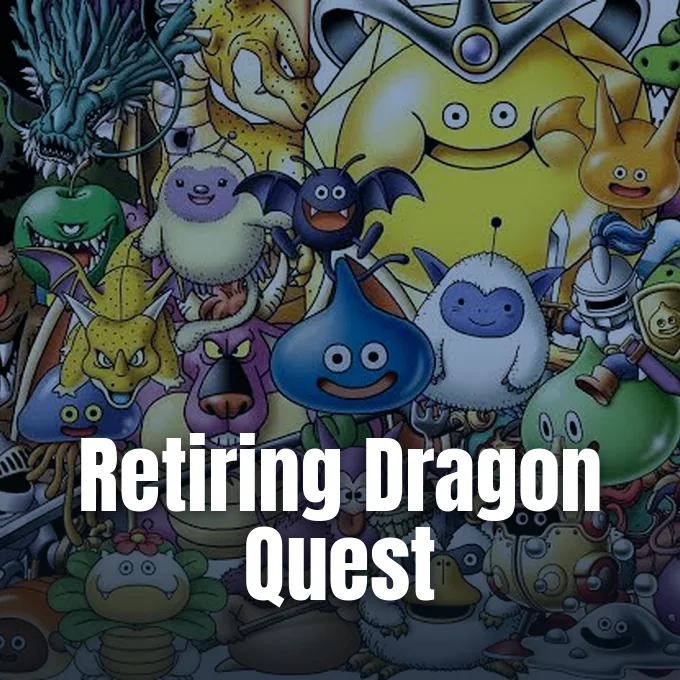
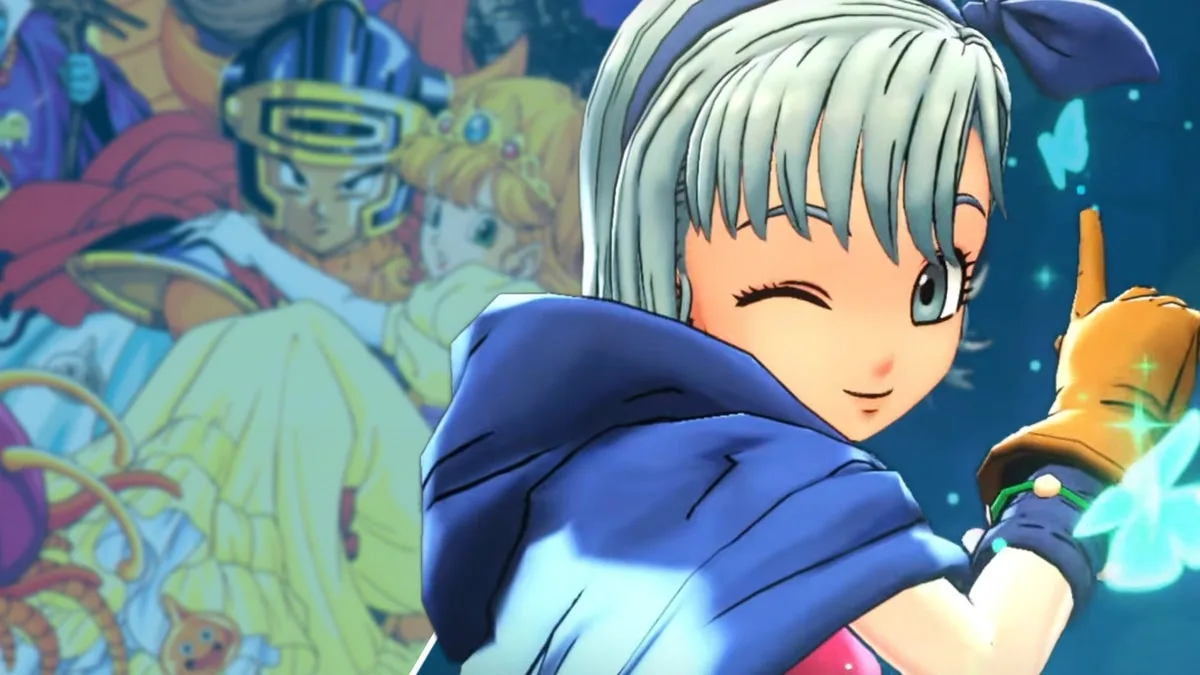
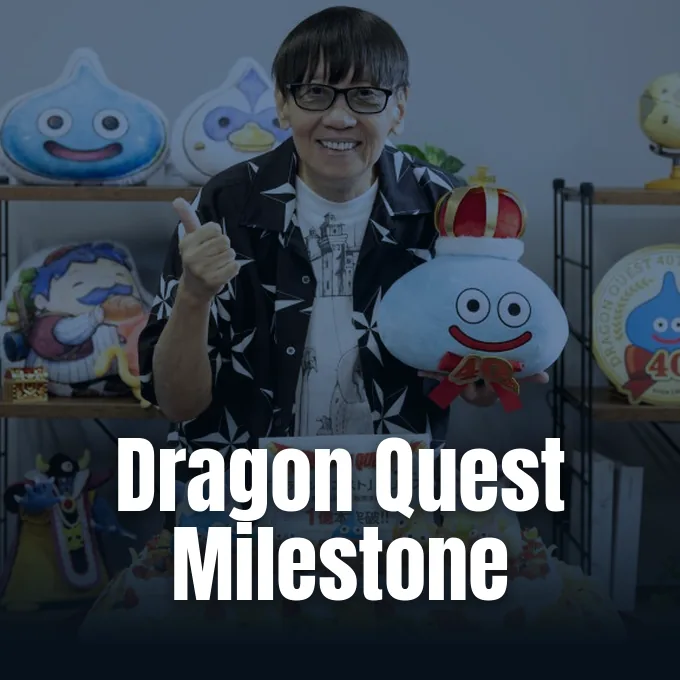
Toriyama served as the primary character and monster designer for Dragon Quest since its launch in 1986. His round, expressive creatures gave the franchise an approachable charm that distinctively separated it from darker Western role-playing games. For many fans, his visual style forms the very soul of the series [3].
Because his artwork is so closely linked to the games, deciding how to proceed without him presents a tough creative dilemma for Square Enix. Some fans believe the company should embrace new illustrators who can bring fresh energy to future installments, rather than asking staff to copy Toriyama’s hand. Others worry that any major visual shift would alienate core players who see Toriyama’s aesthetic as central to the experience. At the same time, continuing to emulate his drawings without his personal input feels artificial to long-term followers, who argue that no outside artist can capture his unique humor, character proportions, and distinct visual timing [4].
Horii, meanwhile, remains committed to preserving the familiar gameplay feel across every platform. Announcing the new mobile project, he stated that his goal is to “capture that unmistakable Dragon Quest feeling” through “exploring towns, meeting new allies, gearing up and steadily growing stronger.” He aims to bring that classic journey straight to smartphones [2].
Yasunori Mitsuda on Reaching Younger Players
In addition to his critique of the mobile game’s artwork, Yasunori Mitsuda addressed the cultural purpose of the franchise in modern times. He said that video games must provide young people with inspiration rather than just selling nostalgia to older fans who grew up with the Famicom. “What’s important is that the younger generation of children who will play them from now on are given dreams and hope, as well as experiences that can only be had through games; that’s what I really wish for,” Mitsuda wrote. His comments pointed toward a growing divide between aging series veterans and younger audiences who have different gaming habits [1].
Even while urging Square Enix to consider ending the series, Mitsuda expressed admiration for what it accomplished over forty years. “Every time I see topics like this, I realise just how wonderful Dragon Quest is and how it has captivated so many people,” he said. He recognizes its cultural standing in Japanese history [2].
That admiration contrasts with the demographic reality facing the series today. While Dragon Quest is culturally impactful in Japan, more recent entries haven’t reached younger generations in the way earlier games did. Development cycles now stretch over many years, creating long gaps where children grow up without experiencing a new mainline release during their formative school years. Much of the recent content has leaned toward pleasing older veterans who played the original releases on the Famicom and Super Famicom. Automaton reported that starting afresh with new creative talent may be the only reliable way for Square Enix to capture a younger audience [4].
Square Enix Franchise Strategy and Upcoming Games
Despite Mitsuda’s call for retirement, Square Enix shows no intention of abandoning the franchise. The market value of the brand remains exceptionally high in global markets. Recent releases continue to generate strong revenue for the publisher, proving that demand for classic turn-based Japanese role-playing games remains robust among worldwide audiences [2].
The commercial strength of the franchise appeared in Dragon Quest III HD-2D Remake, which exceeded Square Enix’s high sales forecasts shortly after launch. Over the past four decades, the franchise has sold more than 100 million copies worldwide, as detailed in how Dragon Quest series sales surpassed 100 million units across home consoles and handhelds. Square Enix also brought Dragon Quest XI S on Switch 2 to run at 60 frames per second, keeping the previous mainline entry active on newer systems. Horii is currently writing the scenario for Dragon Quest XII: Beyond Dreams, which is already slated for modern platforms including Nintendo Switch 2 [1].
The contrast between commercial goals and creative renewal shows the dilemma facing Dragon Quest. While Square Enix relies on proven character designs to sell games, creators like Yasunori Mitsuda believe that honoring a legacy sometimes means letting it end. As Horii continues work on upcoming titles, the conversation around Toriyama’s lasting influence remains far from settled [3].
- ONLINE NEWS Nintendo Everything. (2026, November 17). Chrono Trigger composer Yasunori Mitsuda says Dragon Quest should end after Akira Toriyama’s death. [Article Link]
- ONLINE NEWS Eurogamer.net. (2026, November 17). Is it time to retire Dragon Quest as a series? Chrono Trigger composer Yasunori Mitsuda thinks it might be. [Article Link]
- ONLINE NEWS GamesRadar+. (2026, November 17). Square Enix should “retire the Dragon Quest series” following Dragon Ball creator Akira Toriyama’s death, Chrono Trigger composer says as new mobile RPG sparks backlash. [Article Link]
- ONLINE NEWS AUTOMATON WEST. (2026, November 17). Chrono Trigger composer Yasunori Mitsuda conflicted about Dragon Quest’s use of late Akira Toriyama’s art, suggests the series might be better off retiring in favor of a fresh start. [Article Link]


