






NASA and SpaceX have scheduled an uncrewed Dragon cargo craft to leave the International Space Station on Wednesday, Nov. 18, concluding weeks of intensive orbital research operations. Ground teams prepared the vehicle to depart the orbital complex during this spacex resupply mission window, carrying returning science samples to Earth for laboratory analysis. Will changing ocean weather alter recovery timing? Flight directors monitor coastal sea states while targeting a night return off California [1].
Departure Schedule for the SpaceX Resupply Mission
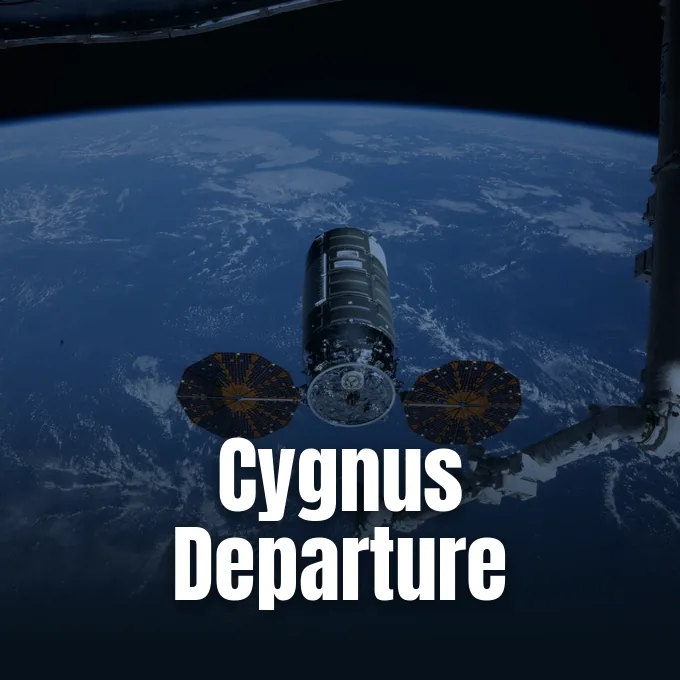
The departure sequence for the SpaceX resupply mission begins at the forward section of the orbital laboratory, where the Dragon spacecraft remains attached to the Harmony module space-facing port. If local weather patterns permit safe operations, ground controllers working at SpaceX headquarters in Hawthorne, California, will transmit radio commands to release the latching hooks at 11:05 a.m. EST. Those automated commands instruct the spacecraft to fire thrusters and step away from the station into an independent orbit. Flight controllers track sensor readings to verify separation before the vehicle initiates its descent toward the upper atmosphere. Because microgravity alters cellular development in distinct ways, researchers wait for these biological cultures to reach ground laboratories without delay [1].
Station crew members finished loading cargo lockers earlier in the week, securing science containers so they do not move during descent. If offshore winds pick up, teams can keep the craft docked until sea conditions improve. This caution protects delicate research samples stored inside temperature-controlled units [1].
Broadcast Plans and California Splashdown Timing
NASA plans live coverage of the undocking starting at 10:45 a.m. EST on Wednesday, broadcasting exterior views over agency digital channels and social video platforms. Commentators will track each step as automated latches release and thrusters push the craft away [1]. Unlike uncrewed disposal craft covered during the Northrop Grumman CRS-24 departure, this capsule brings hardware back intact rather than burning up during atmospheric reentry.
Following its planned departure from the station, the spacecraft will spend more than fourteen hours lowering its orbital path toward an ocean landing off the western coast. Flight controllers target splashdown off the California coast no earlier than 1:50 a.m. EST Thursday, Nov. 19 (10:50 p.m. PST Nov. 18), pending final weather checks. Recovery ships will wait stationed near the target area, ready to deploy fast boats as soon as the vehicle hits the water. Retrieval crews attach lifting lines and hoist the capsule onto the ship deck to safeguard the cargo lockers. Ground teams will adjust these recovery plans if wave heights or wind speeds exceed safety limits in the Pacific landing zone [1].
NASA will not broadcast the nighttime splashdown live on video channels. Instead, agency officials plan to post progress reports on the official space station blog as retrieval boats reach the floating capsule. Those updates will confirm when the vehicle is safely out of the water and secured on the recovery deck [1].
Vascular Tissue Studies Returning to Earth
Among the scientific investigations returning inside the pressurized cabin is a 3D-bioprinted blood vessel construct designed to explore vascular aging under weightless conditions. Scientists used this biofabricated tissue model to study how microgravity affects vascular degradation and cellular stress mechanisms that take decades to develop in people on Earth. Cardiovascular disease remains a major cause of illness globally, so studying vascular models in orbit gives researchers new ways to track arterial aging. The biological experiments began their journey during the SpaceX CRS-35 health research launch from Cape Canaveral. Medical researchers will analyze structural changes in vessel walls once the tissue specimens arrive at ground laboratories [1].
Results from these bioprinted tissues could also help flight surgeons develop protective medical treatments for astronauts on longer planetary missions. Spaceflight shifts bodily fluids and stiffens blood vessels, so understanding these cellular responses helps protect human health both in orbit and on the ground. Doctors hope these insights lead to better therapies for aging patients [1].


Tumor Organoids and Microbial Adaptation in Orbit
Returning cargo lockers also contain frozen organoids that were treated aboard the station to test therapies against cancer. Organoids are tiny, three-dimensional cell structures that mimic real human tumors far better than flat culture dishes. Researchers treated these cellular clusters in orbit to see how microgravity changes drug effectiveness, aiming to advance personalized medicine for patients on Earth [1].
Microbiological investigations on this return flight include frozen microbial samples that will help scientists understand how antibiotic-resistant bacteria survive, adapt, and evolve in space. In orbital environments, bacteria face higher radiation levels and unusual fluid movements that can alter their growth rates and defense systems. When microbial colonies develop resistance inside a sealed spacecraft, flight doctors need to know which genetic mutations drove those changes. Closed life-support systems share recycled air and water, making bacterial adaptation a practical concern for astronauts on extended voyages. Similar resistance patterns challenge terrestrial hospitals battling persistent bacterial infections. By studying the genetic mutations in these space-flown samples, laboratory teams hope to pinpoint weak spots in bacterial defenses and create more effective antimicrobial treatments [1].
Long-Duration Lighting Tests Aboard the Station
Hardware returning in the Dragon capsule includes an experimental lighting system that flew for more than three years aboard the International Space Station. Station crews tested this lighting hardware to evaluate whether adjusting daily light spectrums could support astronaut sleep patterns and improve mental well-being during arduous long-duration missions. Crew members orbiting Earth see sixteen sunrises and sunsets each day, a rapid cycle that can throw off natural body rhythms and disrupt restful sleep. Ground teams will test the returned electrical assemblies and LED arrays to see how well the components held up after years of continuous orbital use [1].
NASA plans to use data from this three-year lighting test to guide lighting designs for future Moon Base habitats under the Artemis campaign. Crews on lunar outposts will live under artificial light for months at a time, making proven lighting hardware important for crew health [1].
Flight Profile of the SpaceX CRS-35 Cargo Run
This cargo run began on Oct. 13, launching on a Falcon 9 rocket from Space Launch Complex 40 at Cape Canaveral Space Force Station in Florida. The Dragon capsule arrived at the station two days later on Oct. 15, delivering more than 6,300 pounds of crew supplies, science investigations, and vehicle equipment. That delivery kept orbital research programs running smoothly over the past month before teams loaded the capsule with returning hardware [1].
The mission marks the agency’s 35th commercial resupply services flight conducted with SpaceX to keep the orbital laboratory fully supplied. Commercial cargo runs give NASA a steady way to send new experiments into orbit and retrieve finished samples without building custom government capsules for every trip. For more than 26 years, people have lived and worked aboard the International Space Station, advancing scientific knowledge and making research breakthroughs not possible on Earth. The orbiting outpost helps NASA understand the challenges of human spaceflight, expands commercial opportunities in low Earth orbit, and builds foundations for deep space missions to the Moon and Mars [1].
As the spacex resupply mission capsule completes its journey back to Earth, science teams wait to receive their samples off the California coast. Rapid delivery lets biological data stay intact for researchers around the globe [1].
- PRESS RELEASE Low, L. E. (2026, November 17). NASA to cover 35th SpaceX resupply mission space station departure. NASA. [Article Link]
APA 7: PerEXP Teamworks. (2026, November 18). NASA Covers SpaceX Resupply Mission Space Station Departure. PerEXP Teamworks. https://perexpteamworks.com/en/spacex-resupply-mission-space-station-return/


