





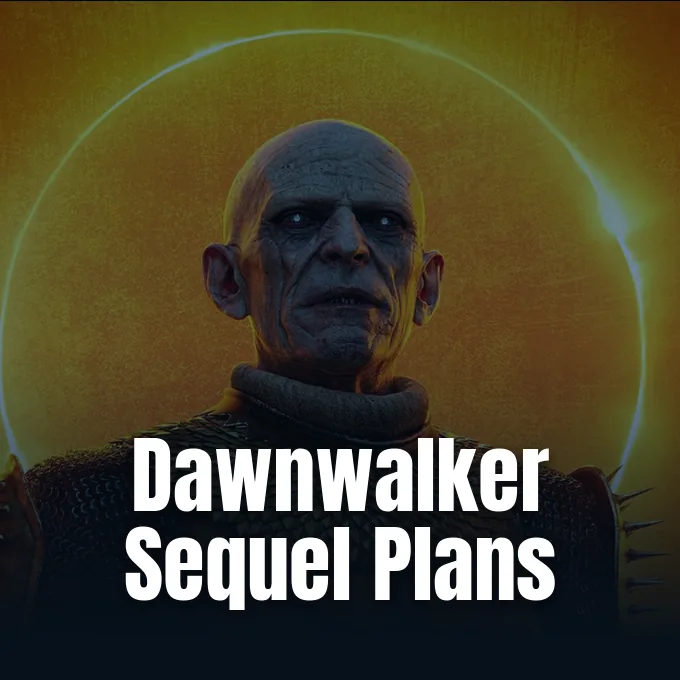
Can a strict in-game clock survive the fierce backlash of modern role-playing fans? In The Blood of Dawnwalker, director Konrad Tomaszkiewicz designed an intricate segmented countdown where player survival depends upon rescuing an endangered family within an unforgiving thirty-day deadline. Following sharp community division, Tomaszkiewicz confirmed to Eurogamer that the controversial countdown may not return in future installments. Studio developers at Rebel Wolves intend to evaluate player reception before locking down core systems for any sequel [2].
Why Blood of Dawnwalker Limits the Quest Clock
The debate erupted across gaming communities when director Konrad Tomaszkiewicz confirmed that the controversial time mechanic might not return in any future franchise sequel. For many enthusiasts, a ticking countdown disrupts the traditional desire to explore every corner without penalty. Tomaszkiewicz identified the system as a distinct design pillar (a unique selling point intended to heighten emotional stakes during perilous narrative arcs) [2]. While some players embraced the mounting tension, others voiced frustration over being rushed through pivotal storylines [1]. The design split the audience.
Unlike standard fantasy adventures where days advance on an automatic clock, exploration in The Blood of Dawnwalker requires deliberate player action before the world calendar moves forward. Roaming through wilderness zones and battling wandering wolves does not deplete precious hours on the calendar. Instead, the system segments time directly through an active gauge (a segmented dial that tracks story advancement rather than real-time movement). Spending valuable skill points in certain talent trees consumes designated chunks of the day [2]. Time moves only when players commit.
Reporting from Insider Gaming highlighted that director Konrad Tomaszkiewicz views the system as an adaptable storytelling device rather than an immutable structural requirement for future studio releases [1]. Speaking in an extensive interview with Robert Purchese of Eurogamer, Tomaszkiewicz clarified that developer Rebel Wolves will never force the loop into storylines that demand complete open-ended freedom. If subsequent projects feature narratives that benefit from urgent pacing, the team will integrate time constraints accordingly. Should a future story require extensive leisure, the mechanic will remain absent [2].
Vampire Brencis and Thirty Days of Pressure
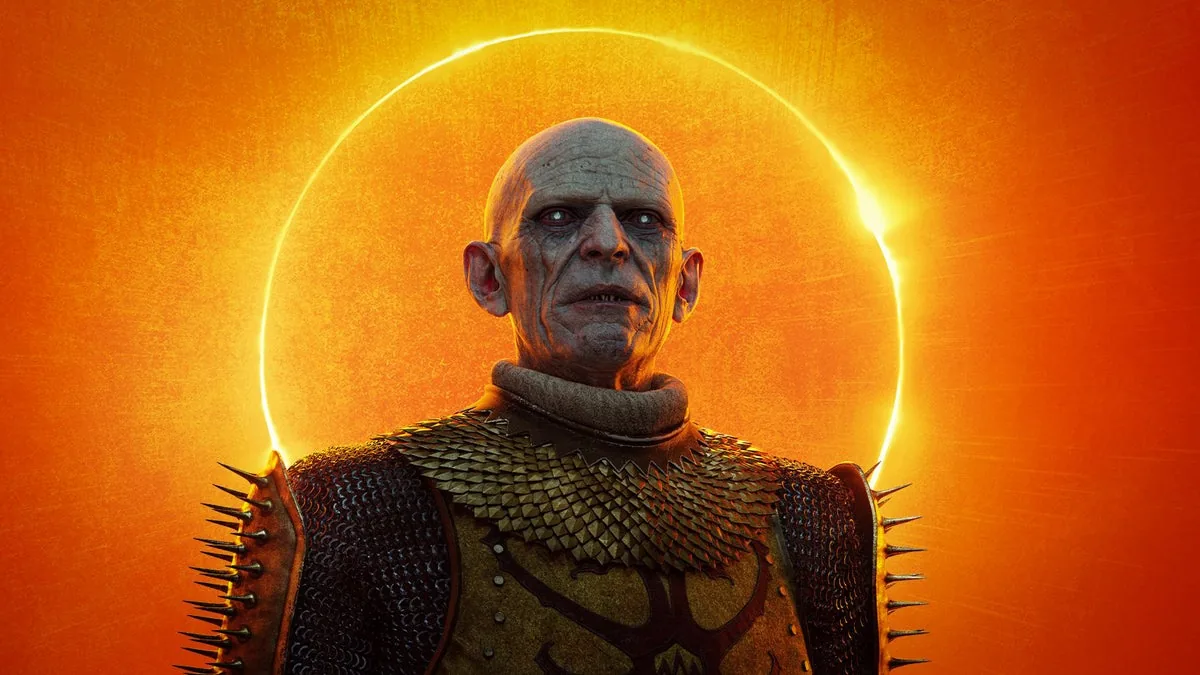
Narrative pressure in the game revolves around a grim confrontation with a merciless vampire adversary named Brencis. Players are granted exactly 30 days and 30 nights to rescue their endangered family before the villain executes his final schemes across the realm. This narrative framework anchors every regional expedition, forcing travelers to weigh whether traveling across distant territories to assist local villagers justifies advancing the overarching story gauge. While the expansive environment encourages adventurous exploration against predatory wolves, committing to major quest stages steadily pushes the dial toward the ultimate showdown against the vampire [2]. Tomaszkiewicz structured this thirty-day countdown to transform routine questing into a desperate tactical race against impending disaster. Brencis offers no second chances.
The director acknowledged that intense community pushback began long before retail launch, generating passionate debates across public gaming forums and private messages sent directly to studio developers. ‘I knew that it would be a problem,’ Tomaszkiewicz remarked when describing how players reacted to losing unlimited narrative freedom. Many gamers operate with an ingrained completionist mindset, expecting single playthroughs to grant access to every hidden secret without consequence. When arbitrary limits impede total completion, resistance inevitably follows [2].
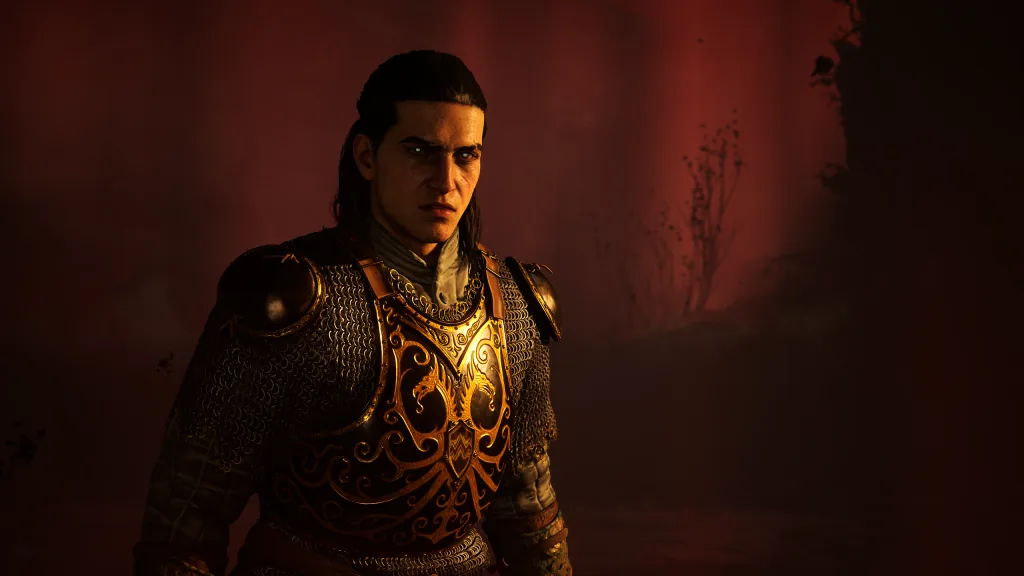
Experience altered player perspectives significantly once review copies and retail copies circulated widely among dedicated role-playing circles. Tomaszkiewicz pointed out that critical complaints decreased noticeably as more users reached the final confrontation against Brencis. ‘They think that they have more time than they need, actually, and they can do more than they thought they could,’ Tomaszkiewicz noted when describing how players adapt to the calendar [2]. Initial panic yielded to mastery.

Tomaszkiewicz Defends Completion and Player Choices
To address criticisms from completionist audiences, Konrad Tomaszkiewicz drew direct comparisons to legendary open-world role-playing benchmarks such as The Witcher, noting that branching storylines naturally restrict single-playthrough visibility. Can any sprawling fantasy adventure truly reveal every outcome within a single uninterrupted journey? ‘The arguments of ‘I want to see everything in one playthrough’ I understand, but it’s false to begin with,’ Tomaszkiewicz stated firmly. In complex narrative structures, making a consequential choice naturally locks off mutually exclusive story paths [2]. Tomaszkiewicz emphasized that branching narrative design inherently prevents players from witnessing every permutation in a single campaign run.
Branching pathways define modern storytelling. Every moral dilemma demands sacrifice. Players cannot walk every path.
Addressing mathematical concerns regarding game content, the production team calibrated the pacing so dedicated adventurers could absorb the vast majority of quests. Tomaszkiewicz explained that the studio deliberately balanced the timeline to ensure dedicated adventurers could complete approximately 80 percent of all content despite the persistent pressure of the active time gauge. ‘If someone wants to play on the mod, it’s fine, but I want to encourage people to try this implementation we have,’ he explained, pointing out that careful route planning unlocks immense narrative breadth [2]. Pacing rewards smart planning.
Pre-Launch Mods and the Eighty Percent Balance
Anticipation around The Blood of Dawnwalker inspired extensive community intervention even before retail release, with the most celebrated pre-launch modification package stripping the countdown mechanism out of the game entirely. Rather than issuing legal threats or condemning community creators, Tomaszkiewicz accepted community modifications with remarkable equanimity. Developers at Rebel Wolves recognize that player agency extends beyond intended parameters (a pragmatic philosophy accommodating diverse playstyles across PC and console ecosystems) [2].
Because major narrative choices permanently eliminate opposing factions and alternative quest resolutions, disabling the timer merely removes psychological pressure rather than granting immediate access to every conflicting storyline. Robert Purchese reviewed The Blood of Dawnwalker for Eurogamer, praising the tangible weight the clock granted to ordinary decisions while acknowledging that certain pacing friction points sparked understandable player frustration [2]. Purchese argued that the countdown infused the experience with a memorable presence that contemporary fantasy epics frequently surrender.
Community discussions remain split into two passionate factions debating the virtues of creative risk versus unrestricted escapism. One camp cherishes the palpable urgency of racing against Brencis, while another insists that ticking clocks generate counterproductive anxiety. Tomaszkiewicz observed that ongoing playthrough completions will steadily reshape these community proportions as newcomers realize that the 80 percent content threshold leaves generous room for thorough world exploration [2]. Experience reshapes player attitudes.
Future RPGs and the Next Chapter Scheme
Looking beyond the initial release, studio leadership has initiated early conceptual development for subsequent journeys. Insider Gaming reporter Sam Sepiol confirmed that the production team is already planning the next chapter in The Dawnwalker Saga. Although early reports cited developer Rebel Moon during project transitions, director Konrad Tomaszkiewicz continues steering creative direction at Rebel Wolves [1]. Tomaszkiewicz reiterated that the studio has not decided whether the signature time mechanics will anchor future installments across the burgeoning saga, preferring to evaluate narrative compatibility first. [2]
Instead of locking the franchise into a predictable design loop, Rebel Wolves is researching radical experimental concepts to challenge traditional genre tropes. Tomaszkiewicz revealed that developers are actively exploring crazy ideas to surprise audiences and redefine modern role-playing conventions [1]. Readers tracking recent role-playing updates can examine how Trails in the Sky the 2nd Remake redesigns Liberl across similar design transitions that challenge traditional genre expectations. Innovating within established genres always carries significant developmental risk (a calculated gamble aimed at distinguishing new fantasy universes from legacy competitors) [2].
As The Blood of Dawnwalker circulates across PC, PS5, and Xbox Series platforms, the fate of experimental mechanics rests directly upon long-term engagement metrics [2]. Will future sequels abandon time constraints entirely, or will developers refine the concept into isolated, high-intensity narrative chapters [1]? Robert Purchese noted that Eurogamer will publish a comprehensive interview discussing upcoming studio initiatives in greater depth. Whether players celebrate the ticking clock or bypass it through custom modifications, Rebel Wolves has demonstrated a refreshing willingness to disrupt standard role-playing expectations in an increasingly predictable marketplace [2].
- ONLINE NEWS Sepiol, S. (2026, September 16). Blood of Dawnwalker’s Time Mechanic Won’t Be Used in Every Game. Insider Gaming. [Article Link]
- ONLINE NEWS Purchese, R. (2026, September 16). “I knew that it would be a problem” – The Blood of Dawnwalker’s controversial time mechanic won’t necessarily be in a sequel, the game director says. Eurogamer.net. [Article Link]


