





Apple published European Union regulatory filings detailing energy specifications for its upcoming iPhone Duo foldable. The documentation confirms the device features a 4,883 mAh battery, dispelling early rumors that Apple planned the largest battery pack in iPhone history. While pre-orders opened recently with delivery dates already slipping into 2027, the confirmed energy data shows the phone doesn’t carry a record-breaking cell, giving buyers a clear picture of how Apple balances endurance against folding chassis space [1].
European Filings Reveal the iPhone Duo Battery
Apple rarely talks about exact milliampere-hour figures on stage, preferring broad video playback estimates during its keynote events. The European Union energy label database changed that custom when regulatory entries for the foldable appeared online, as first spotted by MacRumors. The official listing confirms Apple equipped the phone with a rated 4,883 mAh capacity. That certified confirmation answers months of speculation among shoppers who wondered how much power Apple could fit inside a folding frame [3].
Early supply rumors claimed the foldable would easily surpass every existing iOS device in raw capacity. Real-world laboratory benchmarks showed runtimes practically matching the iPhone 18 Pro. Those numbers match [4].
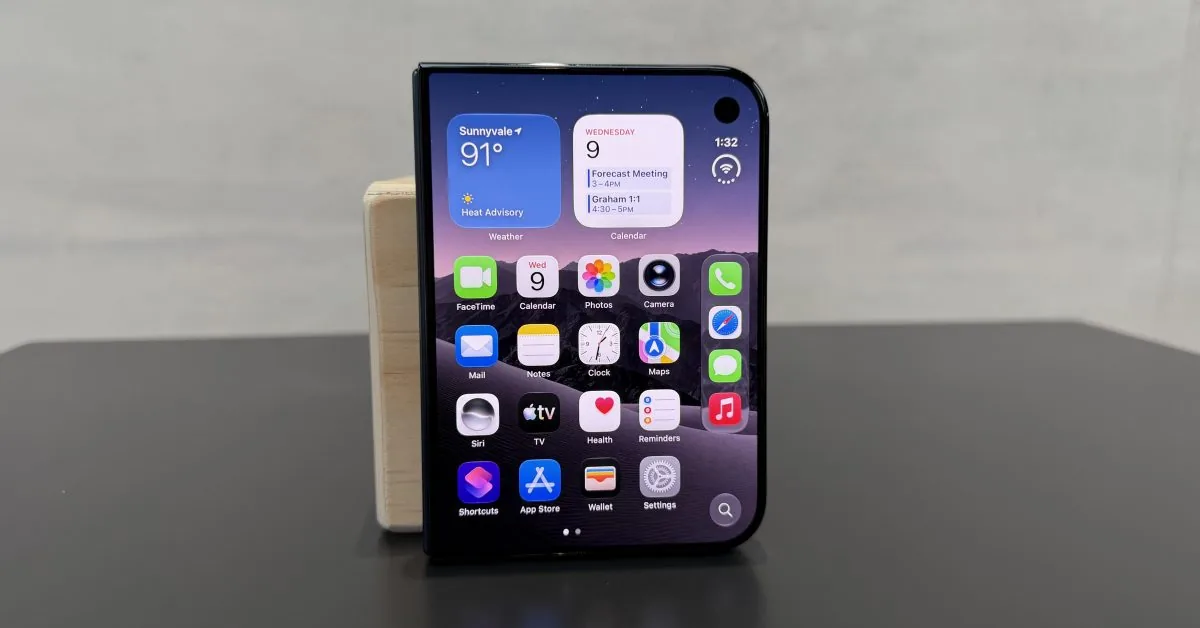
The regulatory filing outlines energy efficiency ratings that help buyers compare hardware before units reach store shelves. As Apple explores larger portable screens, where the iPhone Duo faces iPad Mini in screen real estate, European compliance rules forced the company to submit certified hardware specs that disclose its exact power profile [1]. The certified paperwork leaves little room for guesswork.
Dual Cell Design and Charging Cycles
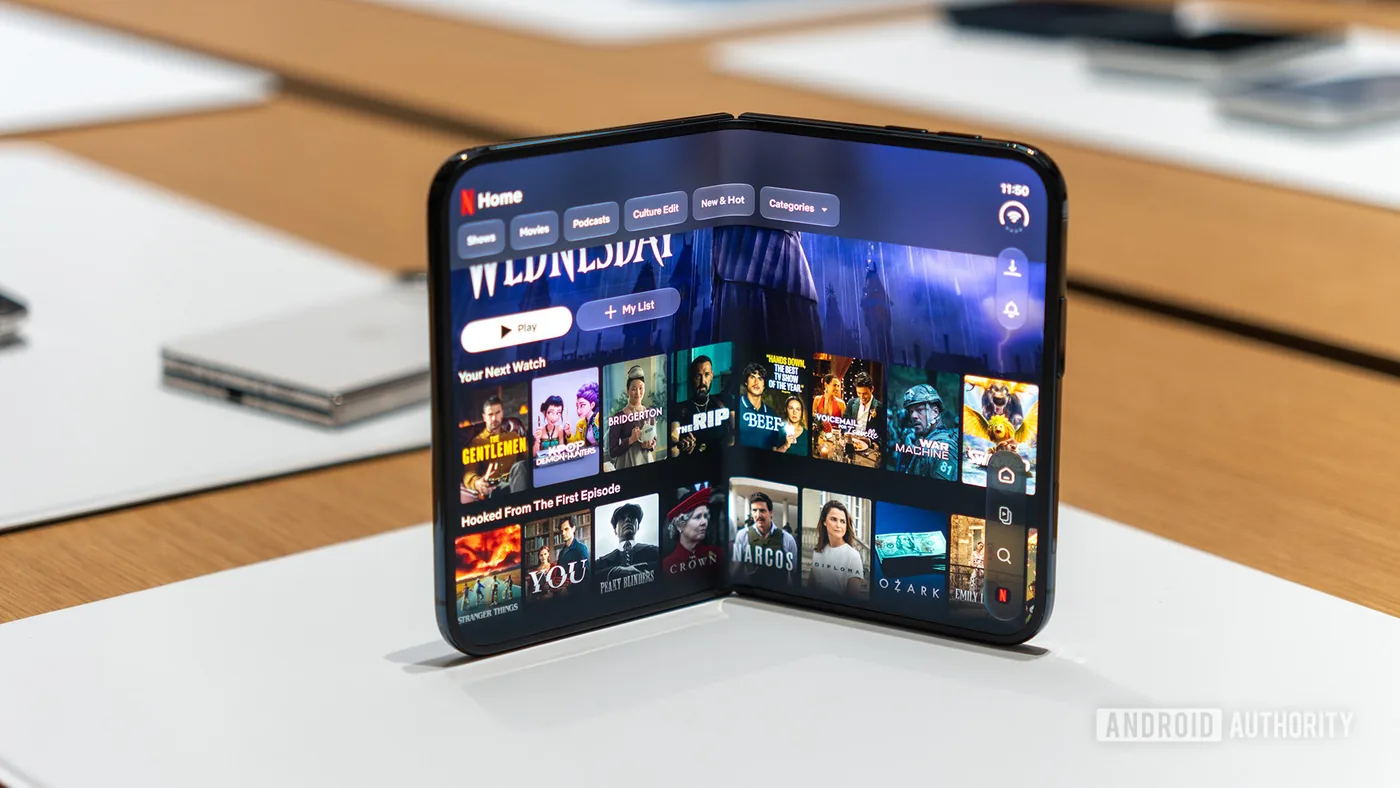
The 4,883 mAh total capacity doesn’t come from a single power cell tucked beneath the logic board. Apple divided the pack into two separate batteries, placing a 2,962 mAh cell in one half and a 1,921 mAh cell in the other [2]. Splitting the battery lets Apple balance weight on both halves of the folding chassis while leaving room for the hinge assembly and cooling hardware. It’s a design choice that helps the phone avoid feeling lopsided in hand [3].
Cycle longevity stands out as another interesting detail revealed by the European Union database. Apple rated the dual-cell pack to keep 80% of its original capacity after 1,000 charging cycles, ensuring consistent performance through extended daily usage. In comparison, users dealing with the recent battery replacement fee for the iPhone 18 Pro know that cell degradation affects device longevity over several years. A rating of 1,000 cycles gives heavy users roughly three years of daily charging before capacity drops noticeably, meaning shoppers won’t need an early battery service under normal charging routines [3]. That longevity rating gives Apple users peace of mind.
That cycle endurance rating reveals an interesting contrast with Android rivals. Samsung rates the Galaxy Z Fold 8 for 1,200 charging cycles before dropping to the same 80% capacity threshold. Samsung holds a slight advantage in cell longevity over multiple years of use, even though Apple provides more raw charge out of the box [3].

How Rival Android Foldables Compare
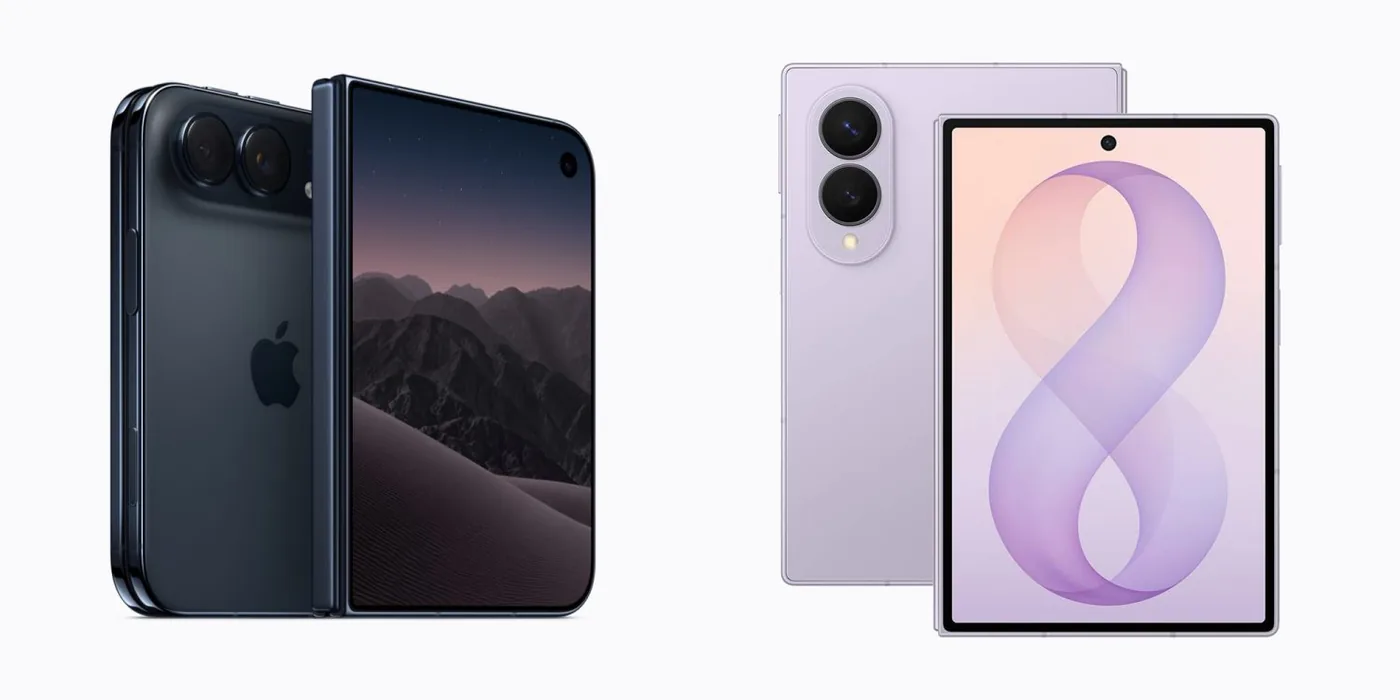
When compared with competing Android foldables on the market, the iPhone Duo holds a surprising raw capacity lead that shifts the competitive landscape between major tech giants. Apple holds a clear capacity lead against Android rivals. Samsung’s standard Galaxy Z Fold 8 packs 4,660 mAh, Google’s Pixel 11 Pro Fold carries 4,658 mAh, and the premium Galaxy Z Fold 8 Ultra tops out at 4,854 mAh. Writing for 9to5Google, Ben Schoon said that while neither rival has bad battery life, Apple’s capacity edge makes it harder for Samsung or Google to lure away customers who already rely on Apple services. The battery margin is real [1].
Yet Apple’s battery advantage comes with trade-offs in device bulk and carry comfort. The iPhone Duo weighs 254g and measures 11.3mm thick when folded shut. That makes it noticeably heavier and thicker than folding devices from Samsung and Google, which shaved grams and millimeters off their recent frames. Apple chose capacity over slimness. Heavier cells simply demand thicker housing [1].
Does extra battery volume make up for a heavier pocket feel? Mobile gamers and power users often value raw milliampere-hours more than a razor-thin profile. Samsung noted rising consumer demand for its own Galaxy Z Fold 8 following Apple’s entry into foldables, showing that category interest continues to rise as both manufacturers push distinct design priorities [1].
iPhone Duo Battery Rank in Apple’s Lineup
Inside Apple’s own catalog, the foldable occupies a unique middle ground between standard Pro hardware and the largest Pro Max models. Michael Burkhardt of 9to5Mac said that the 4,883 mAh capacity places the foldable between the iPhone 18 Pro, which carries 4,288 mAh, and the iPhone 18 Pro Max, which tops the lineup at 5,567 mAh. That puts the Duo roughly 14% behind the top-tier Pro Max in battery volume while offering 14% more capacity than the standard Pro [2].
Looking back at previous releases shows how steady Apple’s battery capacity growth has been across successive hardware generations. The iPhone Duo actually exceeds the iPhone 16 Pro Max, which carried a 4,685 mAh battery, and sits close to the 5,088 mAh cell found in the iPhone 17 Pro Max. It also easily surpasses standard base models, such as the iPhone 17 at 3,692 mAh, the iPhone 17e at 4,005 mAh, and the ultra-slim iPhone Air at just 3,149 mAh. Those numbers demonstrate that Apple engineers treated the foldable as a top-tier flagship rather than an experimental lightweight gadget [2].
These comparisons reflect eSIM models. Apple removed physical SIM trays across multiple regions to reclaim precious interior space for larger battery chemistry [2].
Display Playback Hours and Hardware Weight
Raw battery capacity only tells half the story on a foldable with two screens. Apple’s official specifications indicate the iPhone Duo delivers up to 44 hours of video playback on the smaller outer display. That estimate drops to 31 hours of video playback when users unfold the device and run content on the inner display. Powering twice the screen area naturally drains energy faster, creating a 13-hour gap depending on which display stays active [2].
That playback difference puts the Duo in perspective against traditional iPhones. The iPhone 18 Pro Max reaches 45 hours of video playback on its single panel, while the iPhone 18 Pro achieves 36 hours. When closed, the Duo outlasts most standard iPhones, but unfolding the inner screen pulls endurance down near the 30-hour mark of an iPhone 17 [2].
Hardware cooling also affects how the phone handles heat during intense multitasking and gaming sessions. Apple integrated a clever hinge-based cooling design to move heat away from both battery cells and the main processor without extra fan hardware. The folding animation in iOS also adjusts refresh rates, helping preserve charge whenever the user switches between screens [3].
The EU regulatory disclosures paint a realistic picture for buyers weighing whether to join the foldable wave or stick with standard flagships. The iPhone Duo gives users genuine battery volume that beats Android rivals like the Galaxy Z Fold 8 and Pixel 11 Pro Fold, but it demands patience with pre-order delays reaching into 2027 and acceptance of a heavier 254g body [1].
- ONLINE NEWS Schoon, B. (2026, October 19). iPhone Duo has a bigger battery than Galaxy Z Fold 8 and Pixel 11 Pro Fold. 9to5Google. [Article Link]
- ONLINE NEWS Burkhardt, M. (2026, October 18). Here’s how iPhone Duo’s battery capacity compares to other iPhones. 9to5Mac. [Article Link]
- ONLINE NEWS Android Authority. (2026, October 19). iPhone Duo battery specs revealed: Good news for Galaxy Z Fold 8 and other Android rivals. [Article Link]
- ONLINE NEWS AppleInsider. (2026, October 19). iPhone Duo battery capacity lands in between iPhone 18 Pro & Pro Max. [Article Link]


