




Does somatic expiration immediately sever the human relationship with the physical form? Clinical observations demonstrate that the biological journey of the body after death is a gradual metabolic shutdown rather than an instantaneous event [6]. While Western societies historically institutionalized chemical preservation and sealed subterranean vaults, urgent modern ecological considerations are driving a comprehensive reassessment of conventional post-mortem disposition choices. The National Funeral Directors Association projects that traditional American burial rates will plummet to 13.3% by 2045 [4].
Biological Changes in the Body After Death
Jonathan Bennion, lead anatomist at the Institute of Human Anatomy, explains that somatic expiration initiates a coordinated sequence of cellular cessation rather than an instantaneous blackout. When cardiac contractions stop, systemic blood circulation ceases immediately, starving tissues of oxygen and vital metabolic substrates. Within 15 to 20 seconds, oxygen deprivation silences the cerebral cortex, producing complete unconsciousness. Measurable electrical activity nevertheless lingers within deeper cerebral structures for several minutes, occasionally displaying surges of gamma wave activity associated with memory retrieval and cognitive processing. Cortical neurons deteriorate irreversibly after 4 to 6 minutes without oxygen. Peripheral skin and connective tissue cells survive for many hours through anaerobic energy reserves [6].
Following cellular arrest, predictable physical changes progress systematically through internal tissues. Core thermal decline commences immediately during algor mortis (the post-mortem cooling of internal tissues), dropping at roughly 1.0 to 1.5°F per hour depending on ambient conditions and insulation. With circulatory pressure absent, gravity pulls static blood into dependent vascular beds during livor mortis, creating purplish discoloration within 20 minutes that becomes permanently fixed after 8 to 12 hours. As metabolic cellular adenosine triphosphate reserves deplete entirely, actin and myosin filaments lock into rigor mortis between 2 and 6 hours post-mortem, peaking at 12 to 24 hours before autolytic tissue breakdown gradually softens the musculature [6].
Demystifying the biological transformations of the body after death can alleviate acute psychological distress. Palliative care physician Dr. Nina O’Connor observes that irregular breathing and secretions creating a death rattle reflect bodily slowdown, accompanied by profound fatigue. General practitioner Dr. Clare Gerada notes that terminal cardiac events often trigger visceral sensations. Dr. Sam Parnia emphasizes that dying represents an extended biological continuum. Understanding these mechanisms assists families in coping with existential anxiety regarding physical mortality [2].
Historic Funeral Rites and Embalming Origins
Mortuary customs differ fundamentally across civilizations. Ancient Egyptian embalmers utilized mummification resins to prepare souls for mythical subterranean journeys mapped on funerary scrolls. In contemporary Indonesia, the Toraja people care for departed relatives at home for months or years, treating them as ailing kin before final crypt entombment and exhuming them periodically to renew their garments. Rabbi Corey Helfand notes that Jewish tradition deliberately prohibits chemical preservation, requiring plain pine boxes and unadorned cotton shrouds to ensure bodily decomposition returns natural flesh directly to the earth [2].
Widespread arterial embalming in the United States emerged during the American Civil War to preserve military casualties for long rail transit back to their families for formal interments. Modern morticians continue this practice following pathologist examinations where internal organs are inspected before fluid replacement. Mortuary technicians drain vascular fluids and inject formaldehyde-based chemical solutions. Staff pack respiratory cavities with cotton wool, insert contoured plastic eye caps beneath eyelids, and glue or stitch oral tissues shut before applying cosmetics [2].
Leaders from the National Home Funeral Alliance encourage families to reclaim intimate post-mortem care. Clean water cleanses mortal flesh. Washing the body with botanical oils, dressing loved ones, and hosting quiet home vigils creates space for navigating grief after those who left before mortuary transfer occurs [3].
Environmental Costs of Conventional Funerals
Why do standard industrial cremation chambers require substantial fossil fuels? Thermal reduction retorts consume immense quantities of natural gas to sustain temperatures between 1400 and 1900 degrees Fahrenheit for several hours. Lee Webster, former president of the Green Burial Council, notes that flame cremation accounts for roughly 14 percent of all toxic mercury entering United States waterways due to vaporized dental amalgams. This thermal process continuously expels hundreds of pounds of greenhouse gases per body directly into regional atmospheres [1].
Traditional cemetery plots also generate substantial ecological strain. Subterranean concrete vaults, copper linings, and hardwood caskets require intensive manufacturing and transport logistics. Furthermore, toxic formaldehyde-based preservatives resist biological filtration, presenting persistent chemical leaching hazards to subterranean hydrology. These manufactured vaults effectively prevent organic remains from cycling back into the biosphere [1].
International funeral customs face comparable ecological constraints [1]. In India, traditional open-air funeral pyres consume between 880 and 1,100 pounds of wood per ceremony, releasing 500 to 600 kilograms of carbon dioxide into ambient air. Urban burial plots are rapidly dwindling worldwide. Industry forecasts from the National Funeral Directors Association project that United States cremation rates will reach 82.1% by 2045, while conventional casket burial rates fall to 13.3% [4]. Growing public awareness of these industrial burdens has spurred consumer interest in sustainable alternatives [1].

Green Burial Grounds and Conservation Preserves
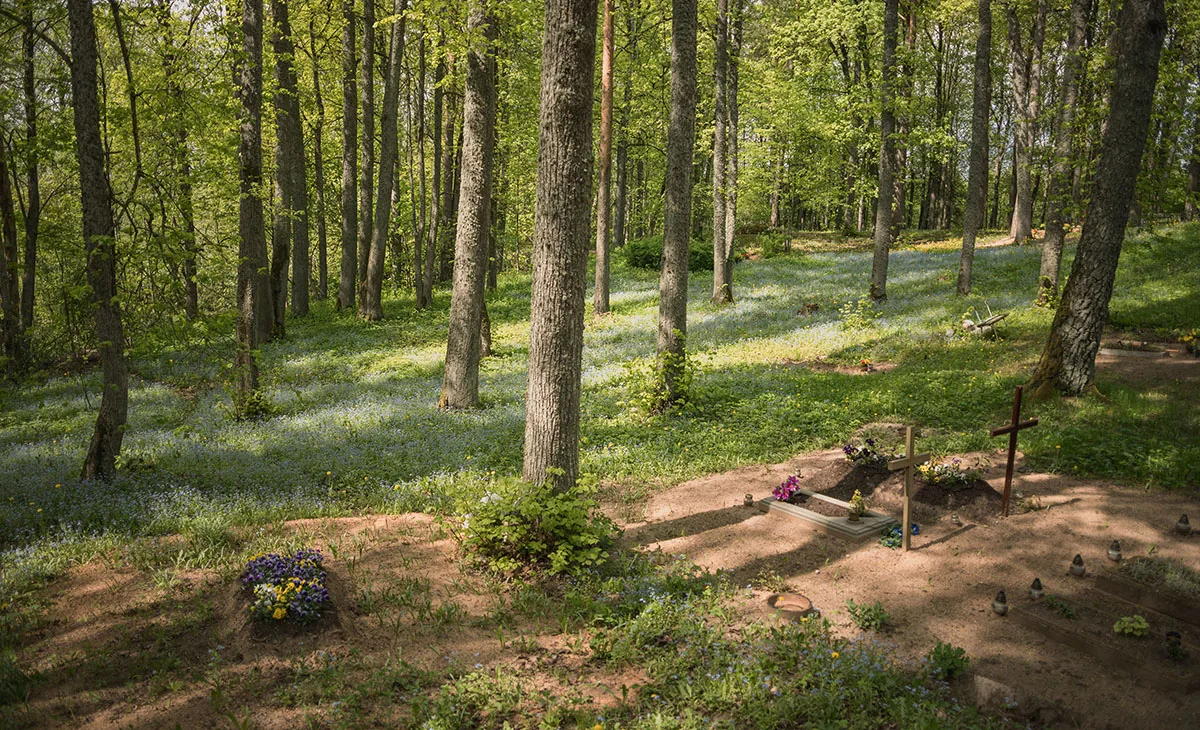
Established in 1996, Ramsey Creek Preserve pioneered modern conservation interment in the United States. Located approximately 70 miles southwest of Asheville, North Carolina, along the rolling foothills of the Appalachian Mountains, the sanctuary integrates burials into protected woodlands. Dense canopies of oaks, birches, and maples thrive as interments nurture native root networks [1].
Natural burial permits the body after death to decompose completely [4]. Topsoil welcomes natural remains. Returning organic nutrients directly into forest soil sustains woodland ecosystems without synthetic chemical barriers.

Similar dedicated woodland sanctuaries have emerged across the country, including Honeycreek Woodlands and Milton Fields near Atlanta. These dedicated conservation cemeteries prohibit toxic chemical embalming, non-biodegradable metal hardware, and subterranean concrete vaults. Remains are interred within simple biodegradable containers fabricated from untreated pine, wicker, or bamboo. Natural decomposition occurs rapidly when remains rest in unlined graves wrapped in natural woven shrouds. Botanical innovations have gained traction, including mycelial mushroom burial suits popularized following the death of actor Luke Perry [3].
Aquamation and Natural Organic Reduction Methods
Aquamation, known scientifically as alkaline hydrolysis, utilizes heated water and potassium hydroxide to dissolve biological tissues within a sealed stainless steel vessel. Operating over approximately 12 hours, this flameless liquid process reduces carbon emissions by roughly 20 percent compared to standard incineration. The chemical breakdown leaves behind sterile calcium phosphate bone fragments with 100 to 300 gallons of liquid effluent processed through municipal wastewater treatment systems for biological purification [1]. In jurisdictions like Virginia, the technology is legally recognized but remains unavailable due to commercial equipment costs [4].
Natural organic reduction, commercially referred to as Terramation or human composting, converts the human body into nutrient-dense topsoil within automated decomposition vessels. Inside these aerated cylinders, technicians layer the deceased with organic plant matter including alfalfa, straw, and hardwood chips. Beneficial thermophilic bacteria rapidly metabolize soft tissues over 30 to 60 days, generating internal temperatures high enough to eliminate environmental pathogens. Technicians remove non-organic prosthetics, mill skeletal fragments into fine minerals, and blend the compost to produce roughly 250 pounds of soil that families can scatter across conservation forests or utilize to nurture memorial flora [1].

Artistic memorials preserve cremains differently. Creative memorial artisans also incorporate processed remains into diverse environmental substrates. Cremated calcium fragments can be mixed into cast-concrete artificial reef modules placed along continental shelves to re-establish degraded marine ecosystems. Specialized laboratories extract purified elemental carbon from remains to synthesize memorial diamonds under intense heat and pressure [5].
Whole Body Donation for Scientific Advancement
Donating the physical body after death provides indispensable resources for academic medical education. University anatomical programs regard cadaveric donors as silent teachers who permit medical students to master gross anatomical structures and practice intricate surgical procedures before treating living patients. Academic and clinical institutions usually cover regional transit costs and subsequent cremation expenses, returning pulverized bone fragments to donor families once anatomical research concludes [5].
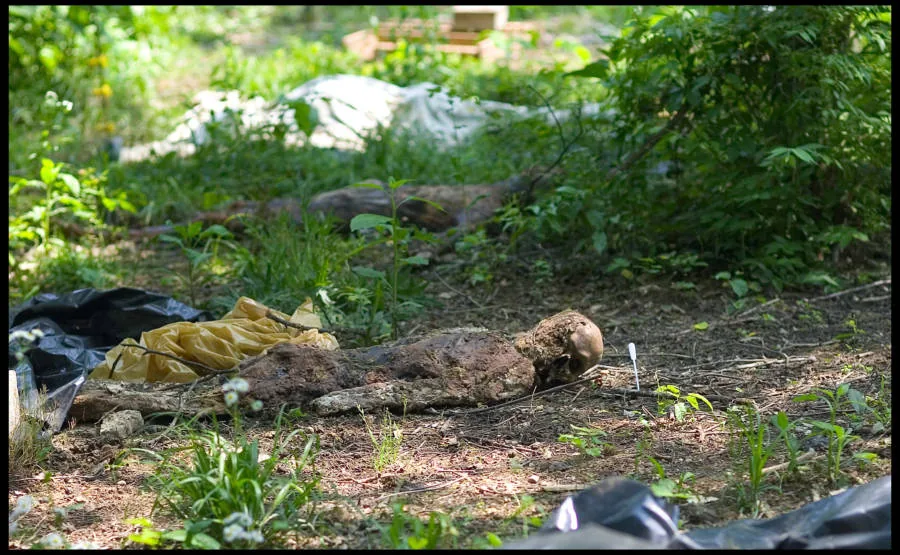
Forensic science laboratories rely on anatomical bequests to advance crime scene methodologies. Outdoor research sites calibrate post-mortem decomposition timelines under variable environmental climates. Facilities like the Anthropological Research Facility at the University of Tennessee and George Mason University’s Forensic Science Research and Training Laboratory in Manassas expose remains to outdoor environments to train investigators in time-since-death estimation [4].
Prospective donors must navigate formal legal protocols and anatomical suitability standards. In Virginia, anatomical donations are managed by the Virginia State Anatomical Program, which excludes autopsied bodies and individuals with specific transmissible infectious diseases. Donors may simultaneously consider vital organ donation through national registries, where Health Resources and Services Administration records show two out of every five organ donors in 2023 were over age 50. A single organ donor can rescue up to eight individuals facing acute organ failure. Explicitly recording final disposition choices ensures personal wishes are faithfully executed while sparing grieving families administrative distress [4].
- ONLINE NEWS Durn, S., & Baisas, L. (2026, September 19). What do you want to happen to your body after you die? Popular Science. [Article Link]
- ONLINE NEWS McKennett, H. (2026, April 5). What happens when you die? Here’s what we know — and what we don’t. All That’s Interesting. [Article Link]
- WEBSITE Hospice of the Golden Isles. (2024, August 2). What is possible for my body after death? Hospice of the Golden Isles. [Article Link]
- REPORT Jones, G. (2026, January). What happens (to your body) after you die? Golden Gazette, Fairfax County Department of Family Services. [Article Link]
- WEBSITE Niederkrom, B. (2025, October 14). Beyond the farewell: A comprehensive guide to what you can do with your body after you die. Becca Niederkrom. [Article Link]
- WEBSITE Bennion, J. (2026, April 11). What happens to your body after death. Institute of Human Anatomy. [Article Link]
APA 7: TWs Editor. (2026, September 20). Forensic Science Tracks the Body After Death and Eco Burials. PerEXP Teamworks. https://perexpteamworks.com/en/body-after-death-science-burial-options/


