





A growing segment of players cancelling Xbox Game Pass, PlayStation Plus, and Nintendo Switch Online subscriptions point directly to household financial strain as monthly bills mount across the gaming ecosystem. New market research reveals that price sensitivity now overtakes catalog fatigue or lack of playtime when subscribers choose to walk away. Does the rising price tag permanently alter how players value digital subscriptions? According to fresh survey data published by Circana (a market research firm tracking gaming industry retail trends), more than 40% of cancelling subscribers in the United States now identify rising subscription costs as the primary driver behind their departures. [1]
Cancelling Xbox Game Pass Over Rising Costs
Circana senior director and video game analyst Mat Piscatella emphasized that the newly reported numbers illuminate consumer motives rather than total churn volume. The data does not measure an acceleration in total cancellations, but isolates the financial calculations that prompt existing members to terminate active memberships. Household budgets have tightened considerably. Piscatella confirmed that within Nintendo Switch Online, 50% of recently departed players acknowledged that they liked the service yet could no longer justify its expense within their monthly budgets, marking a steep climb from 40% recorded earlier in the year. [1]
The escalation appears equally pronounced across Microsoft and Sony console ecosystems. For members leaving Xbox Game Pass Essential (the baseline console subscription tier providing core networking and limited game access) as well as PlayStation Plus Essential, cost citations climbed from 37% in the first quarter to 40% in recent polling. That metric highlights how price increases compound over time. Platform holders implemented successive price hikes throughout 2026, often citing broader macroeconomic conditions. Console makers pointed toward escalating component costs, particularly memory hardware driven upward by massive artificial intelligence infrastructure investments across enterprise data centers. [1]
Player resistance has forced Microsoft to adjust its subscription positioning. In April, Xbox reduced the monthly price of its premium Game Pass Ultimate subscription, yet simultaneously excised day-one access for upcoming Call of Duty releases from the package. Microsoft executives conceded publicly that the top-tier offering had become too expensive for too many players, forcing a strategic recalculation. The move demonstrated that even flagship brands reach clear affordability ceilings when consumers reassess recurring entertainment bills. [1]
Subscription Fatigue Strains Console Player Budgets
Consumer pushback against recurring entertainment charges extends beyond software subscriptions into underlying hardware investments. All three major console manufacturers—Microsoft, Sony, and Nintendo—raised retail hardware prices across international markets earlier this year. Gamers now face higher barriers at every entry point of console ownership. When monthly platform charges increase while hardware prices escalate simultaneously, discretionary entertainment budgets break under the strain. Subscribers naturally eliminate redundant services first. [1]
To counter subscriber dropouts, Xbox began exploring alternative monetization models designed to lower immediate payment thresholds. In July, the company initiated live testing of ad-supported game streaming, displaying commercial messages prior to gameplay sessions while leaving core game performance untouched. Xbox leadership framed advertising integration as an effort to offer players more accessible and affordable avenues to access modern games without demanding steep upfront subscription fees. However, streaming experiments alone have failed to eliminate underlying budget frictions. Many players still consider baseline subscription fees burdensome when discretionary spending shrinks. [1]
Service adjustments have also curtailed previously unrestricted perks. Microsoft recently confirmed monthly cloud gaming quotas for Game Pass subscribers, scheduled to take effect in November 2026. Xbox chief executive officer Asha Sharma described these operational boundaries as vital steps toward securing efficiency, affordability, and high-tier performance across server infrastructure. Yet capping cloud playtime risks diminishing overall service value in the eyes of dedicated subscribers who relied on portable streaming. Can reduced service capabilities successfully retain cost-conscious players who are already actively weighing cancellation? [1]
Rumored Restructuring Threatens Day-One Game Access
Leaked internal plans suggest that Microsoft may implement even more drastic structural overhauls across its subscription catalog in 2027. On September 14, ResetEra community member Slayven published details outlining an impending dual-tier subscription structure scheduled to debut between February and April 2027. The leak outlines an ad-supported Game Pass tier priced at $12.99 monthly, with a standard ad-free tier running $19.99 per month or $240 annually. Industry insider NateTheHate lent credibility to the report by noting that Slayven had previously revealed Microsoft’s division of Game Pass into Core and Standard tiers in 2025 prior to official public disclosure. [2, 3]
The most controversial aspect of the leaked proposal involves removing day-one first-party game launches from the ad-free tier. Under the rumored terms, cloud streaming would no longer be bundled into the base subscription, converting instead into a separate $5.99 monthly add-on restricted to 25 hours of playtime. Multiplayer access would also be unbundled into a dedicated $10.99 monthly plan reminiscent of legacy Xbox Live Gold days. Console multiplayer once formed a standalone expense. Re-establishing that separation would mark a fundamental reversal in Xbox platform strategy. [2, 3]
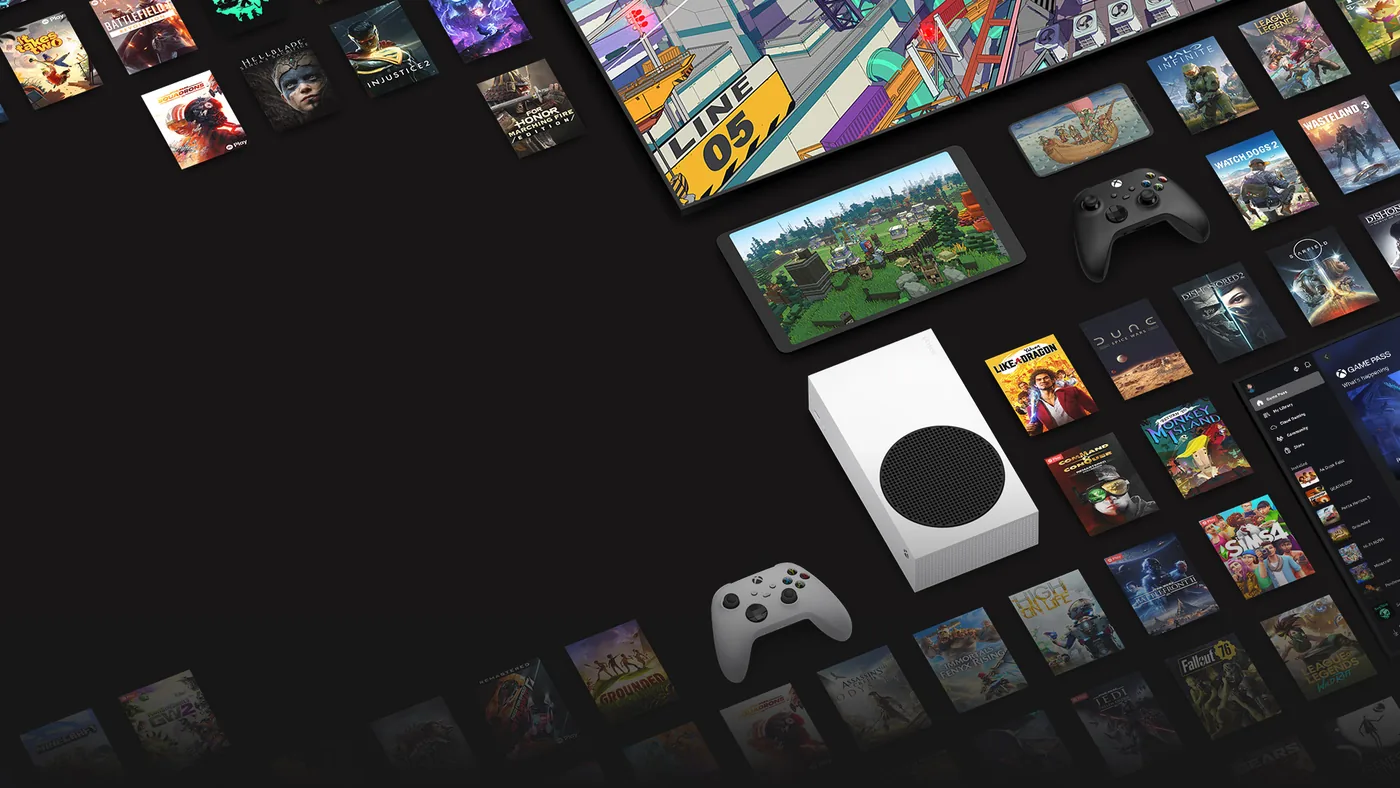
When gaming journalist Paul Tassi pressed Microsoft regarding the accuracy of Slayven’s claims, an Xbox spokesperson declined to issue a direct denial. The company stated that it regularly tests varied subscription configurations across global markets and currently has no finalized changes to announce, while confirming that previously promised games will still arrive on Game Pass Ultimate on day one. That formal response preserves considerable latitude for Microsoft to alter future release schedules once existing release commitments conclude. Major upcoming first-party titles, including the anticipated Fable reboot scheduled for February 2027 and inXile’s steampunk adventure Clockwork Revolution, remain bound to current day-one promises. [2, 5]
Studio Frustrations and Devaluation of Gaming Catalogs
Beyond consumer resistance, internal discontent among game developers has intensified scrutiny surrounding the long-term sustainability of all-you-can-play subscription ecosystems. Following company-wide restructuring that eliminated approximately 1,600 jobs at Xbox, internal debates over revenue generation have erupted into public view. Reporting by Bloomberg journalist Jason Schreier revealed that numerous leaders across Xbox development studios harbor deep animosity toward Game Pass economics. Schreier reported that multiple studio heads believe subscription services destroy the perceived monetary value of individual video games and inflict structural harm across the wider development sector. [3]
External production partners also exhibit mounting caution toward subscription licensing. In June, Shams Jorjani, chief executive officer of Helldivers 2 developer Arrowhead Game Studios, disclosed that Microsoft had frozen negotiations regarding prospective third-party additions to Game Pass. Publisher resistance derailed consumer initiatives. Earlier proposals to introduce a shared family subscription were scrapped due to intense pushback from major publishers, notably Electronic Arts, which reportedly rejected the licensing terms. Publishers fiercely defend premium retail price points. [3]
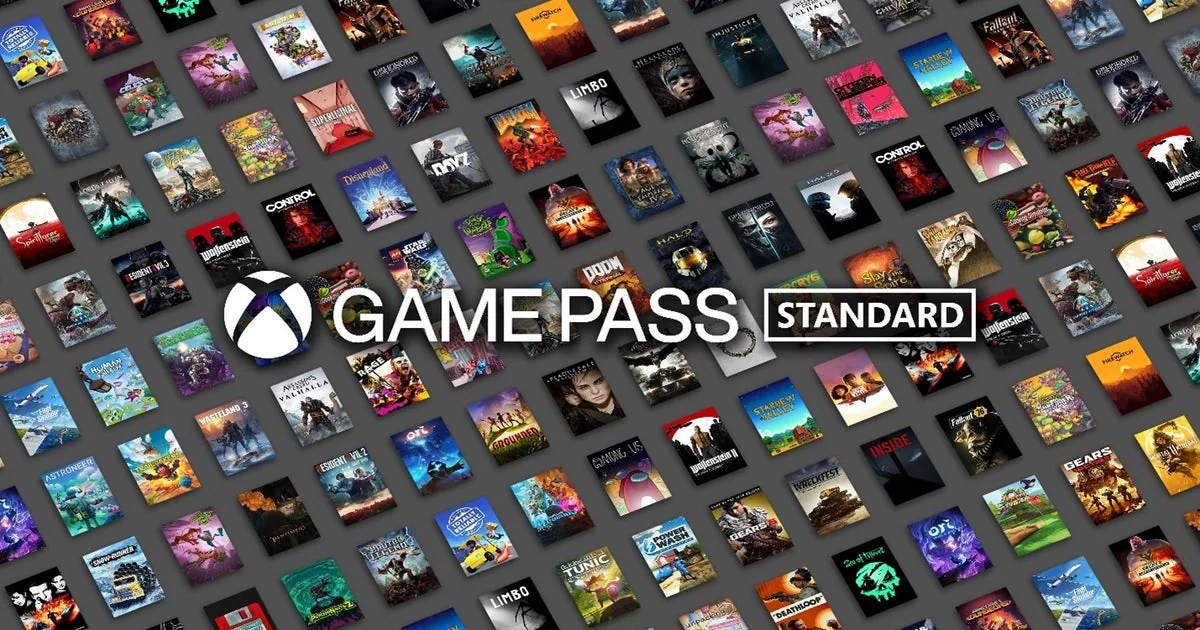
These commercial tensions illuminate why cancelling Xbox Game Pass has transitioned from an isolated consumer choice into a broader industry trend. Subscription ecosystems rely upon constant high-value additions to discourage churn, yet publishers increasingly withhold premium content when licensing payouts decline. If major publishers retreat and day-one blockbusters vanish, will casual players maintain recurring monthly subscriptions during economic downturns? Without reliable first-party tentpoles, consumer willingness to sustain recurring entertainment commitments evaporates rapidly. [1, 3]
Catalog Removals and Shifting Multiplatform Publishing Plans
Catalog turnover adds immediate friction. In late September 2026, Microsoft removes eight titles from Game Pass, including Sloclap’s martial arts hit Sifu, Atomfall, and Little Nightmares 2 Enhanced Edition. [4]
Departures force subscribers who wish to continue their campaigns to purchase games outright before the September 30 deadline, albeit with a temporary member discount applied to store checkout totals. Meanwhile, Microsoft adapts to mounting financial realities by expanding software releases onto rival platforms. PerEXP Teamworks documented this strategic transition in its coverage of how Xbox secured publishing rights for Hideo Kojima’s espionage project Physint after Sony withdrew, illustrating Microsoft’s readiness to invest in high-profile cross-platform software even as subscription economics face severe headwinds. Expanding software sales across competing platforms provides dependable revenue streams that recurring subscription tiers can no longer guarantee in isolation. [3, 4]
As console makers balance ballooning infrastructure expenses against subscriber price resistance, the golden era of subsidized digital libraries faces severe structural recalibration. Between cloud gaming playtime limits, hardware inflation, and potential day-one release exclusions, players confront diminishing returns across recurring entertainment services. For more than 40% of departing console gamers, cancelling Xbox Game Pass and competing services represents a necessary budgetary defense rather than a loss of enthusiasm for gaming itself. Future subscription growth will ultimately depend on whether platform holders can deliver unmistakable value without outpricing the households that sustain them. [1, 3]
- ONLINE NEWS Blake, V. (2026, September 14). More than 40% of people cancelling Xbox Game Pass, PlayStation Plus and Nintendo Switch Online subscriptions blame rising costs. GamesIndustry.biz. [Article Link]
- ONLINE NEWS Zwiezen, Z. (2026, September 15). Xbox Responds To Rumors That Game Pass Is Losing New Day-One Games in 2027. Kotaku. [Article Link]
- ONLINE NEWS Daniels, J. (2026, September 15). Xbox Game Pass to Lose Day-One Games, Split Into Two Tiers in 2027 – Rumor. GamingBolt. [Article Link]
- ONLINE NEWS Sepiol, S. (2026, September 15). 8 Games Leaving XBOX Game Pass in September. Insider Gaming. [Article Link]
- ONLINE NEWS Xbox Responds To Rumour That Game Pass Could Drop Day One Releases In 2027. (2026, September 15). Pure Xbox. [Article Link]


