






Why do chronic gut swelling and immune illnesses occur far less often in places where human worms still thrive? Parasitic worms, known scientifically as helminths, have survived inside animal hosts for millions of years by dampening host defenses. Today, global health estimates indicate that over 1.5 billion people carry these gut worms. While heavy infections cause illness, the biochemical tricks these worms use to silence immune alarms have prompted teams to explore worm-derived proteins as potential therapies for inflammatory disorders [8].
What Parasitic Worms Can Humans Get?
Humans host several major groups of parasitic worms, known scientifically as helminths, including roundworms, tapeworms, hookworms and flukes. Many of these species live and feed inside the host bowel. They survive there for years or decades without being expelled. Health data show that these intestinal worms infect up to 1.5 billion people worldwide each year. While light cases often cause no symptoms, heavy worm burdens lead to anemia, gut pain and poor growth in young children [8].
To thrive inside a mammal, gut worms had to solve an evolutionary puzzle: surviving for decades without being killed by host white blood cells. The human immune network walks a delicate tightrope, staying aggressive enough to fight off viruses, bacteria and fungi, but restrained enough to protect healthy native tissue. When control breaks down, rogue white cells assault the body, sparking long-term joint pain, lung distress or gut inflammation. The worms developed clever ways to mute this hostility [7].
Doctors group these immune failures into three main types. In autoimmune disorders, confused immune cells assault native organs. In chronic inflammatory conditions, excessive white cell activity damages nearby healthy flesh and creates lasting pain. In allergies, defense cells overreact to harmless particles like pollen, dust mites or common food proteins, treating safe substances as deadly invaders [8].

The Old Friends Hypothesis and Modern Illness
Over recent decades, medical teams noticed a clear global divide: rates of autoimmune and allergic illnesses rose steeply in rich nations that had cleared gut worms. In contrast, populations with common worm infections showed far lower rates of asthma, hay fever and type 1 diabetes. This contrast gave rise to the old friends hypothesis, which suggests that human immune systems coevolved with parasitic worms and gut bugs over millennia, relying on their steady presence to tune inflammatory responses [3].
While researchers examine how strange gut microorganisms shape human metabolism and immune signaling, larger intestinal residents play an equally influential role in training host defenses. Without constant exposure to these ancient gut partners, an under-stimulated immune system can easily overreact to harmless pollen, food proteins or native bodily tissues. Anthropologist Molly Fox and colleagues documented this trend, showing that countries with lower microbial exposure and fewer worm infections face higher rates of brain disorders, including Alzheimer’s disease [3]. Without old parasites, human immune cells struggle to keep balance.
In rural settings, regular contact with bowel parasites taught human defense cells to curb aggressive attacks and sustain peace. When indoor plumbing and modern sanitation broke this ancient partnership, human white cells lost the signals that once calmed excessive inflammatory reactions. Clinical doctors soon realized that mimicking this biochemical truce, rather than carrying live worm burdens, might offer a sensible path to calm runaway immune attacks in modern patients [8].
Early Clinical Trials Using Whipworm Eggs
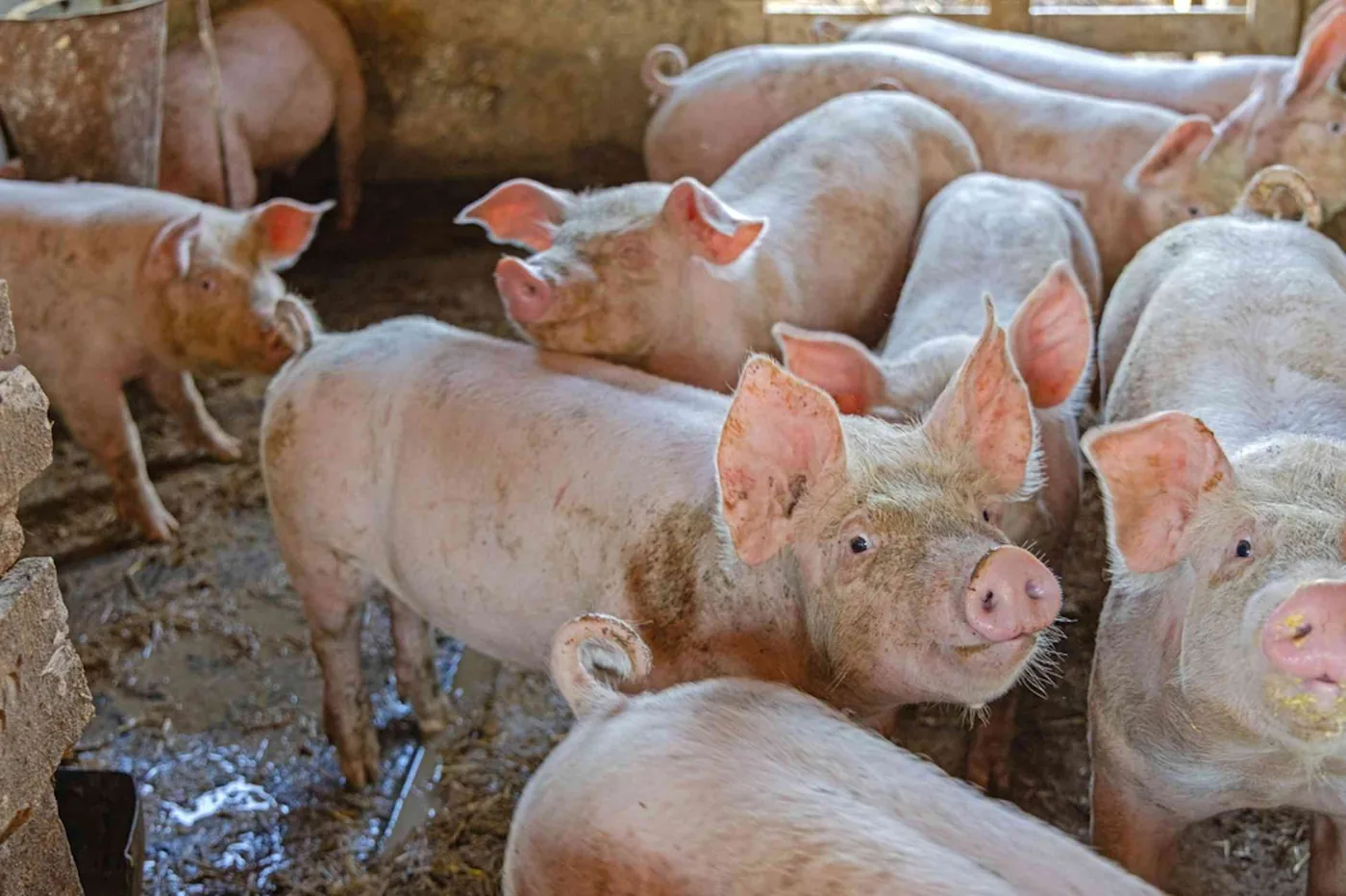
By the early 2000s, clinical teams decided to test whether reintroducing gut worms could soothe inflammatory bowel illness. At the University of Iowa, a clinical group led by gastroenterologist Robert W. Summers explored whether swallowing parasite eggs could calm inflamed gut tissue. They chose Trichuris suis, the pig whipworm. This species was selected because it dwells in the human bowel only briefly without multiplying or invading deep tissues. Summers gave patients with bowel disease drinks containing 2,500 viable eggs at set intervals [1].
The Iowa trial showed that patients who drank the whipworm eggs experienced noticeable relief from painful bowel symptoms. Their gut swelling subsided over time. However, swallowing live worm eggs was an idea many people found hard to stomach. Beyond natural revulsion, live parasites carry safety concerns, including unpredictable egg viability, erratic colonization rates and the danger of larval migration through vulnerable intestinal walls. These practical hurdles led scientists to look past living worms toward the exact chemical signals they release into host tissue [7].
Doctors knew that giving living parasites to sick patients posed stiff regulatory hurdles that standard medicine could not easily resolve. Because live worms can provoke secondary infections or behave unpredictably in weak hosts, producing consistent pharmaceutical batches of living eggs remained nearly impossible. Sick patients needed clean, measured chemical medicines rather than biological infections. Laboratories soon turned away from live parasites, focusing on finding the individual proteins that worms shed to trick host defenses [8].

How Helminth Molecules Calm Host Inflammation
Modern drug discovery focuses on isolating the individual proteins and peptides that helminths secrete inside host tissue. These secreted factors bind directly to host immune cells, turning down aggressive signaling cascades and prompting the body to create soothing regulatory white cells. Just as studies reveal how parasitic worms might manipulate insect behavior through shared genetic mechanisms, mammalian helminths deploy secretomes tailored to modify host defense networks. By giving isolated molecules rather than whole worms, doctors hope to keep therapeutic gains while removing infection risks [5].
To gauge the scale of this medicinal potential, neuroscientist Eilis Dowd and researcher Sienna Stucke conducted broad systematic reviews of worm-derived proteins across cellular and animal models of disease. Their initial findings, summarized in an unreviewed preprint, synthesized data from hundreds of laboratory studies testing molecules from dozens of parasitic species [6]. Subsequent peer-reviewed analyses confirmed that helminth proteins consistently suppressed tissue destruction across animal models of asthma, arthritis, rhinitis, colitis, sepsis and diabetes. Sick animals treated with worm molecules breathed more freely, suffered less joint swelling, and avoided fatal septic shock during acute inflammatory crises. Coevolution gave these creatures a rich chemical toolkit for cooling angry host defenses [4].
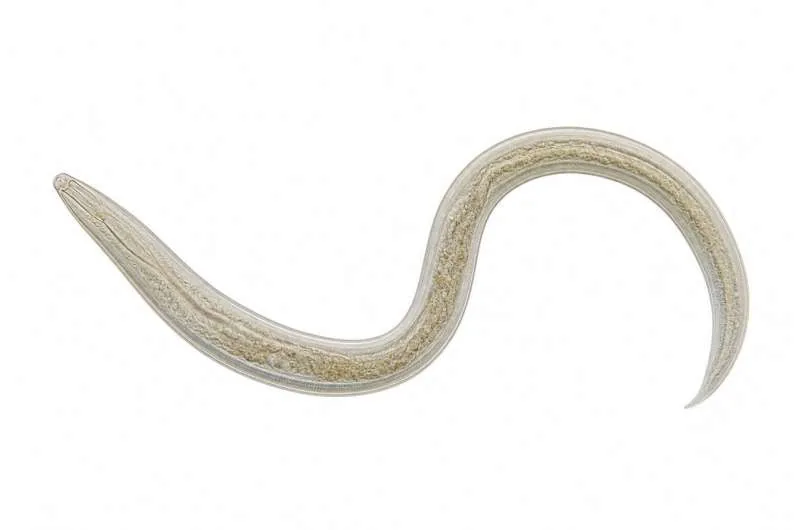
Laboratory tests across varied animal illnesses confirmed noticeable physical gains and faster recovery in multiple organ systems. In models of allergic asthma, administering worm molecules cleared clogged airways, allowing test subjects to draw breath without severe bronchial constriction. In models of arthritis, treated subjects displayed less cartilage destruction, reduced swelling and significantly improved joint mobility. In sepsis models, parasite proteins blocked the lethal cytokine storms that usually cause multi-organ collapse [4].
Protecting the Brain with Fluke Peptides
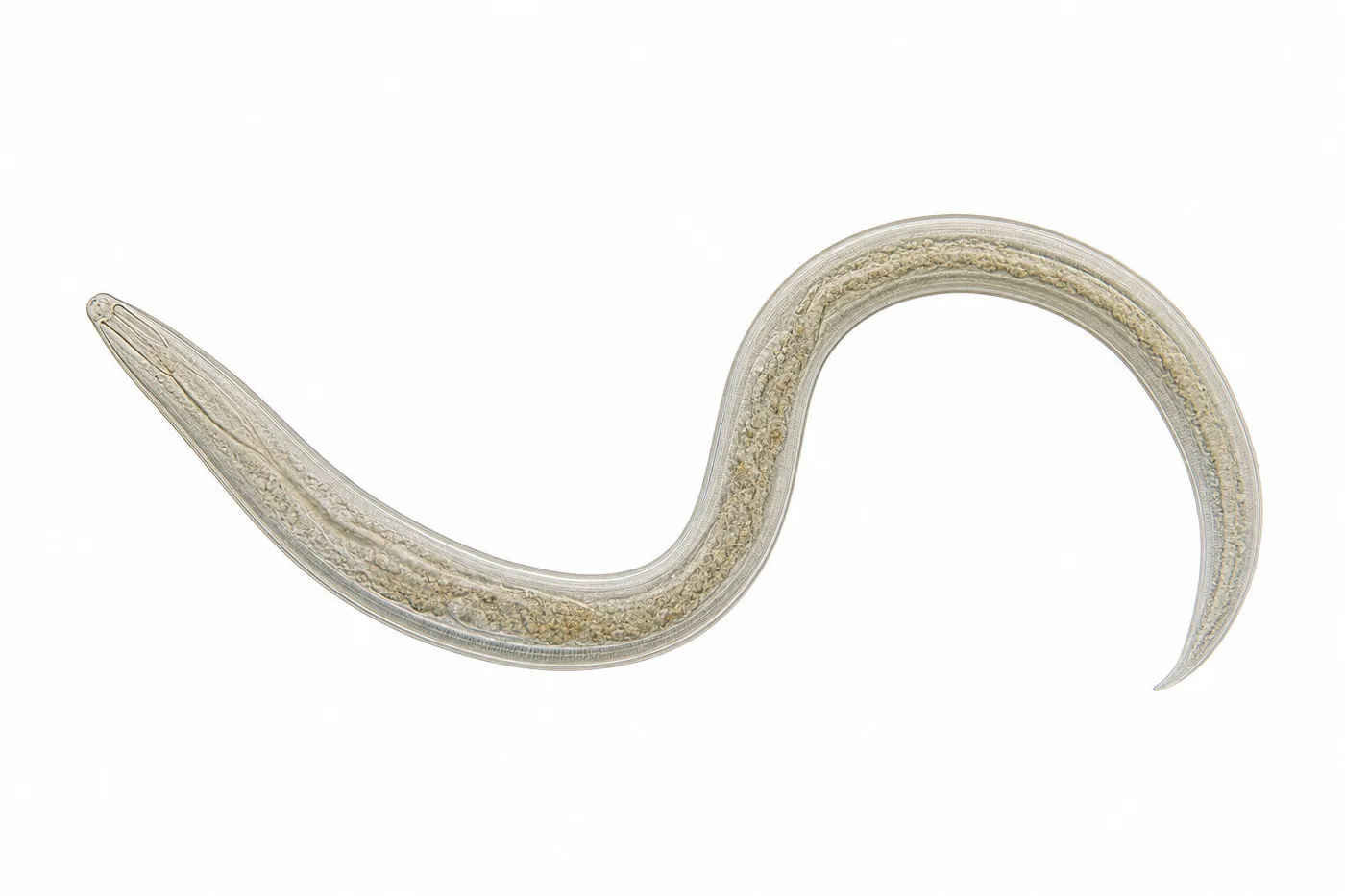
The protective effects of worm proteins reach beyond gut tissue straight into the central nervous system. In research at the University of Galway in Ireland, a team led by Rachel Lalor, Stephen Donnelly and J. P. Dalton isolated an immune defense molecule from the liver fluke, Fasciola hepatica. The scientists created a small amphipathic peptide, designated FhHDM-1.C2, and tested its biological activity in mice bred to develop multiple sclerosis [2].
Multiple sclerosis is an autoimmune disease where misguided immune attacks strip the protective myelin coating from nerves, impairing brain signaling and causing motor paralysis. When Galway scientists gave the fluke peptide to mice, the therapy prevented nerve damage and stopped the onset of crippling physical symptoms [2]. This experiment stands out because multiple sclerosis is the only brain illness where parasite molecules have been tested in living animals. Scientists now wonder whether fluke peptides could also soothe neuroinflammation in conditions like Parkinson’s disease, where chronic brain swelling speeds up neuron loss [8].
Because multiple sclerosis involves targeted brain inflammation, success with the fluke peptide raised broader questions about other degenerative conditions. Chronic inflammation inside the brain accompanies the slow progression of both Alzheimer’s disease and Parkinson’s disease, where overactive microglial cells accelerate the death of vital neurons. Public health records show that rates of these degenerative conditions jumped markedly after modern cities banished intestinal parasites from human populations. Medical researchers hope that synthetic peptides based on fluke proteins might eventually pass the blood-brain barrier to calm harmful brain swelling in human patients [8].
Turning Parasitic Helminths into Future Medicines
Turning a raw worm peptide into an approved pharmacy drug is a long and challenging process. Compounds that cure rodents often fail in people because human biology is vastly more complex. Scientists must isolate each promising worm protein, pin down the exact cell receptors it targets, and tweak its structure to ensure it remains stable inside human blood without triggering harmful antibodies [5]. Artificial intelligence tools can speed up this pipeline by scanning huge libraries of parasite molecules and forecasting which candidates will bind safely to human targets [8].
The goal is not to turn worms themselves into medicine, but to borrow solutions honed over millions of years of natural evolution. Parasitic helminths had to invent subtle chemical tools to disarm host defenses without destroying the host body. By deciphering these ancient survival strategies, medical researchers may find the blueprints for safer, highly targeted drugs to treat modern autoimmune disease [8].
- ACADEMIC JOURNAL Summers, R. W., Elliott, D. E., Qadir, K., Urban JF Jr, Thompson, R., & Weinstock, J. V. (2003). Trichuris suis seems to be safe and possibly effective in the treatment of inflammatory bowel disease. The American journal of gastroenterology, 98(9), 2034-41. [Article Link]
- ACADEMIC JOURNAL Lalor, R., Tanaka, A., Shiels, J., Dixit, A., Hoadley, S., Dufourd, E., Hamon, S., To, J., Taggart, C. C., Weldon, S., O’Brien, B., Greer, J., Dalton, J. P., & Donnelly, S. (2025). An immunoregulatory amphipathic peptide derived from Fasciola hepatica helminth defense molecule (FhHDM‐1.C2) exhibits potent biotherapeutic activity in a murine model of multiple sclerosis. The FASEB Journal, 39(4). [Article Link]
- ACADEMIC JOURNAL Fox, M., Knapp, L. A., Andrews, P. W., & Fincher, C. L. (2013). Hygiene and the world distribution of Alzheimer’s disease: Epidemiological evidence for a relationship between microbial environment and age-adjusted disease burden. Evolution, medicine, and public health, 2013(1), 173-86. [Article Link]
- ACADEMIC JOURNAL Stucke, S., Feeney, A., Lalor, R., Donnelly, S., Dalton, J. P., McKernan, D., & Dowd, E. (2026). The immune-modulatory potential of helminth-derived proteins in cellular models of inflammation: a systematic review with cross-study quantitative data analysis. Scientific Reports, 16(1). [Article Link]
- ACADEMIC JOURNAL Stucke, S., Feeney, A., Lalor, R., Donnelly, S., Dalton, J. P., McKernan, D., & Dowd, E. (2026). Healing helminths: A systematic review of the anti-inflammatory and disease-modifying potential of helminth-derived proteins. Molecular Therapy. [Article Link]
- PREPRINT Dowd, E., & Stucke, S. (2026). Parasitic worms could hold the key to treating immune system diseases – here’s what we know. [Article Link]
- ONLINE NEWS Dowd, E., & Stucke, S. (2026, October 7). Parasitic worms could hold the key to treating immune system diseases. Medical Xpress. [Article Link]
- ONLINE NEWS Dowd, E., & Stucke, S. (2026, October 7). Parasitic worms could hold the key to treating immune system diseases – here’s what we know. The Conversation. [Article Link]
APA 7: TWs Editor. (2026, October 8). Helminth Proteins Inspire New Therapies for Immune Diseases. PerEXP Teamworks.


