



YouTube opened its algorithmic engine to direct audience input during the Made on YouTube 2026 showcase on Wednesday. The company introduced YouTube custom feeds, a feature allowing viewers to generate personalized homepage tabs through natural-language prompts rather than relying solely on passive watch history. Instead of guessing how past clicks shape recommendations, users can now conversationally instruct the platform to isolate specific topics or combine contrasting viewing moods into dedicated tabs. The capability rolls out to United States viewers on mobile devices, desktop browsers, and connected televisions [1].
Prompting YouTube Custom Feeds via Natural Language
Access to the tool begins with a dedicated button labeled Your custom feeds positioned directly beneath the primary search bar. Selecting this option opens an interactive dialogue box where viewers type descriptive requests to configure a fresh front page from scratch. The interface operates directly next to established category chips such as Music and Podcasts, preserving normal homepage access whenever someone selects the standard All tab. Prompt suggestions appear within the input window to guide multi-layered queries, proposing parameters like videos uploaded this month or streams without talking or commentary [1].
TechRepublic confirmed that prompt-based recommendation tabs give audience members direct authority over their personal front page selections [3]. The update targets United States audiences [1].
In technical evaluations, the mechanics behind YouTube custom feeds rely on large language models capable of interpreting tonal nuances across complex topical combinations. Viewers can specify distinct routines such as evening wind down with long documentaries or discover new DIY creators, generating tailored libraries that standard keyword searches struggle to assemble [2]. During initial product demonstrations, prompts successfully gathered café jazz, street food chronicles, and travel vlogs to recreate a rainy Shanghai vibe, while another blended gooey macaroni recipes with Caleb Hearon comedy clips and crystal singing bowl recordings under fifteen minutes. The platform processes these contextual guidelines simultaneously, ensuring that niche preferences coexist cleanly within a single saved collection without polluting long-term profile history [1].
Why Full Recommendation Sliders Triggered Viewer Hesitation
Executive leadership emphasized that viewer demand for deliberate algorithmic steering drove the engineering timeline. ‘Users are always telling us that they want more control,’ says Emily Moxley, YouTube’s vice president of product management. ‘They want more ability to steer their algorithm. With custom feeds, we’re giving them a natural-language way that they can do that. They can tell us exactly what they want’ [1].
Could direct algorithmic sliders inadvertently distort established recommendation profiles built across years of viewing history? YouTube product engineers initially developed and tested an experimental feature granting viewers direct steering over their primary algorithmic recommendation weights, but internal trial feedback halted widespread distribution. ‘We found users were nervous and afraid to do that,’ Moxley says. ‘They were worried about messing it up’ [1]. Viewers worried that manual calibrations might degrade dependable homepage setups that reliably surfaced preferred material like Chris Fleming comedy clips or Big Brother season 28 updates. By contrast, the isolated tab structure of YouTube custom feeds emerged as a low-stakes sandbox, granting complete creative freedom across dedicated tabs while keeping the central feed anchored to historical engagement patterns.
Similar navigational experiments have gained traction across competing social and streaming applications. Meta launched the Your Algorithm tool on Instagram late last year, enabling accounts to adjust category balances through dedicated settings. Spotify launched Prompted Playlists last year. That audio system applies generative conversational modeling to build song queues matching listener mood descriptions. By adopting a prompt-driven tab system, YouTube joins this industry-wide transition toward conversational personalization without sacrificing core automated discovery loops [1].
Ask YouTube Expands Video Shopping Comparisons
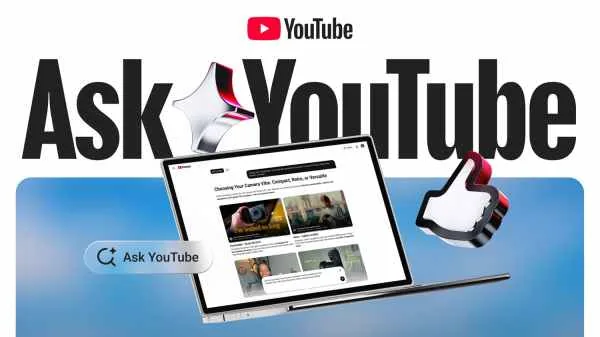
Beyond homepage layout adjustments, conversational artificial intelligence entered commercial browsing through major enhancements to Ask YouTube. First introduced at Google I/O earlier this year, the conversational assistant now assists consumers during product research. Viewers receive structured video recommendations organized into comparison tables showing product attributes and categories tailored to stated preferences [2].
Once an interested shopper selects a specific video from the comparison table, questions continue directly on the active watch page without interrupting playback. This granular inquiry interface allows users to probe item dimensions, warranty conditions, or comparative performance metrics referenced throughout creator reviews. Google introduced similar automated media creation when Google added free Gemini Omni 1.1 generation to Google Vids, demonstrating an overarching engineering push to embed natural-language processing into video discovery and authoring pipelines [1]. By connecting direct conversational product queries with video timestamps, the assistant transforms passive product demonstrations into interactive consumer catalogs [2].
Community engagement tools received complementary upgrades scheduled for rollout this fall. Mobile comment fields will introduce native GIF searching across standard uploads and Shorts, granting commentators visual reply formats. In-app messaging is expanding to support group chats across several international territories (including the United States, the United Kingdom, Singapore, and Brazil) [2]. The social expansion reinforces direct community discussions around trending video releases.
Deploying Custom Feeds on YouTube Across Living Room Screens
Expanding algorithmic curation into living rooms represents a central priority for the platform’s multi-device roadmap. Ars Technica reported that YouTube’s coming year concentrates heavily on artificial intelligence systems and livestreaming innovations designed to alter daily viewing routines [4]. Delivering prompt-generated layouts to connected television sets ensures that households experience consistent customization across mobile, desktop, and home theater environments [2].
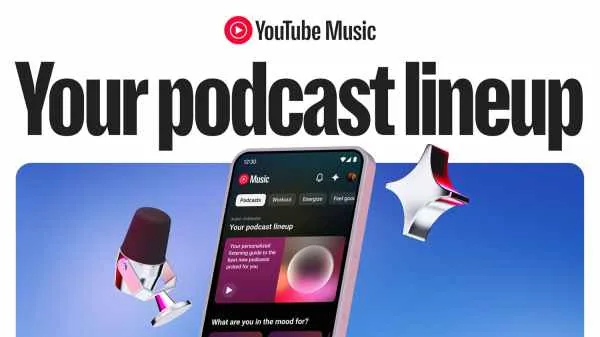
Living room viewers will witness deeper audio integration through specialized services arriving on YouTube Music. The music streaming division is introducing a dedicated spoken guide titled Your podcast lineup, designed as an automated weekly preview that articulates why listeners will enjoy specific show recommendations before playing curated episodes. Promoted as a completely eyes-optional and hands-free listening routine, the spoken host guides subscribers through emerging episodic productions without requiring screen contact. Bringing YouTube custom feeds to living room displays pairs visual prompt curation with this auditory guide, establishing complementary natural-language pathways across both visual and spoken content catalogs [2].
Subscribers also gain expanded conversational utilities through the Ask Music chat feature located on the application Home tab. The conversational tool allows listeners to customize upcoming song queues or explore detailed artist lore through interactive queries. The Coachella agreement runs through 2030. That broadcast milestone marks fifteen years of streaming desert festival performances to global audiences in 2027 [2].

Live Auto-Dubbing and Episodic Shorts Complete the 2026 Lineup
Creator production workflows received substantial technical upgrades aimed at removing linguistic barriers for international audiences. YouTube announced an automated feature called Live auto-dubbing scheduled to enter pilot testing in early 2027. The pilot begins in early 2027. The service translates spoken audio in real time, permitting viewers across different international territories to listen along in their preferred native language while live creator broadcasts unfold [2].
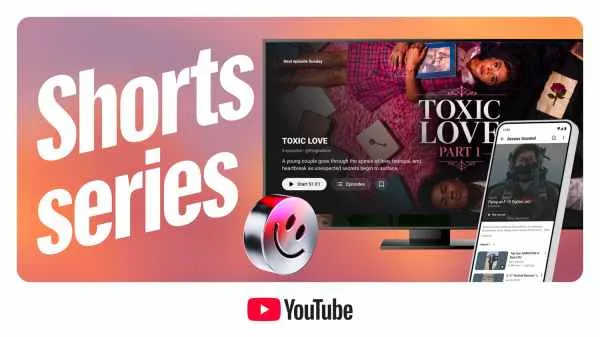
Comment moderation is simultaneously adding an opt-in machine learning tool that analyzes individual channel dynamics and creator preferences over time to apply customized moderation standards. For short-form video producers, the platform rolled out Shorts series to organize vertical clips into structured seasons and episodic playlists. Shorts series rolled out immediately. In addition, community text posts will begin appearing directly within the Shorts feed before expanding to television screens over the coming months. That daily audience tops 300 million. Google confirmed that over 300 million daily active users interact with Posts on YouTube, establishing massive exposure for textual announcements positioned directly between vertical video clips [2].
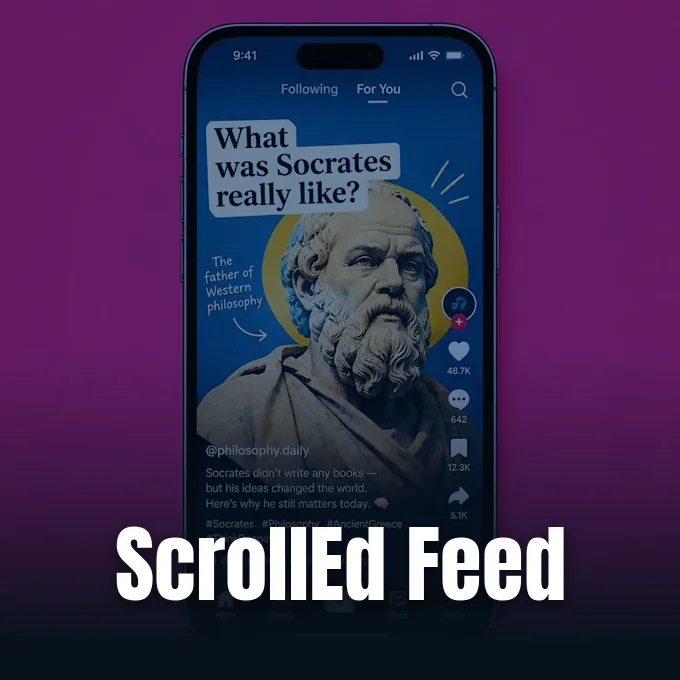
Structured vertical consumption continues to influence digital learning and entertainment habits. Algorithmic feed curation across vertical formats has evolved rapidly, as seen when the ScrollEd app converts textbooks into TikTok video feeds to alter passive browsing into structured review [2]. By combining natural-language prompt controls with episodic organization and real-time dubbing, YouTube transforms its recommendation infrastructure into an interactive environment where audiences actively dictate what appears on screen [1].
- ONLINE NEWS Rogers, R. (2026, September 23). YouTube’s Custom Feeds Give You More Control Over the Algorithm. WIRED. [Article Link]
- ONLINE NEWS Li, A. (2026, September 23). YouTube announces Custom Feeds, GIF comments, and ’Your podcast lineup’. 9to5Google. [Article Link]
- ONLINE NEWS TechRepublic. (2026, September 23). YouTube’s New Custom Feeds Give Viewers More Control Over Recommendations. [Article Link]
- ONLINE NEWS Ars Technica. (2026, September 23). YouTube promises custom feeds and a lot more AI later this year. [Article Link]


