



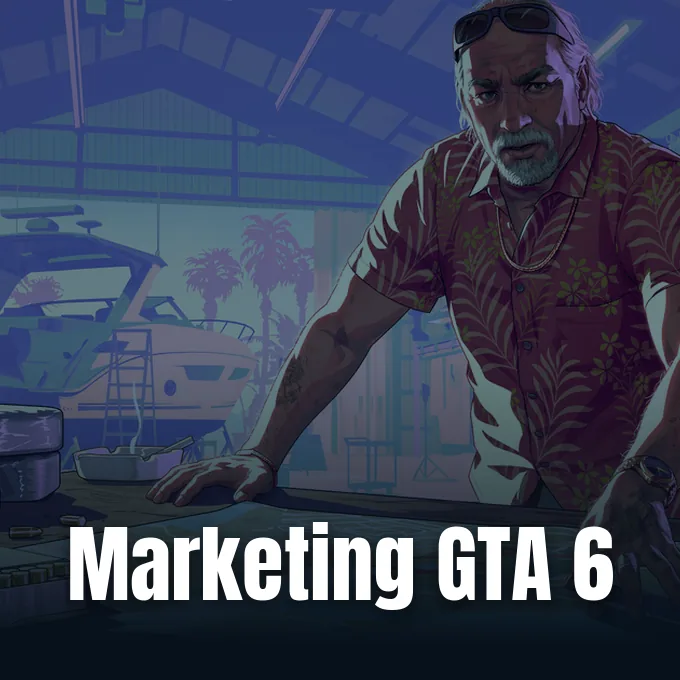
Shareholders confronted Take-Two Interactive leadership during a virtual meeting after years of production delays and heavy reliance on flagship franchises. Speaking across investor discussions and a fireside chat at the GamesBeat Insider event yesterday, Take-Two CEO Strauss Zelnick argued that Grand Theft Auto 6 still needs to be marketed aggressively despite widespread recognition. The executive pointed to his twenty years of tenure, explaining how leadership rescued the publisher from near-collapse. [1][2]
Take-Two CEO Strauss Zelnick Rebuffs Doubts
Investor frustration erupted during the annual shareholder gathering (a virtual session where investors questioned executive competence). As reported by GamesRadar, one participant directly challenged management, emphasizing that shareholders had endured repeated delays, missed expectations, and continued corporate dependence on a narrow collection of franchises. The questioner warned that the board of directors should replace senior leadership if operational performance failed to show tangible improvement. The question was tense. Take-Two CEO Strauss Zelnick pushed back immediately against that framing. [1]
Zelnick agreed that failing executives should be dismissed if operational performance deteriorated, but he quibbled with the shareholder’s historical characterization. [1]
Management stepped into leadership in March 2007 when corporate stability was collapsing. Take-Two was under formal investigation by at least four government entities, had failed to submit required annual reports for 13 months, and had neglected its legal obligations to convene an annual meeting. The publisher relied almost entirely on a single profitable franchise in Grand Theft Auto while the remainder of its catalog suffered persistent losses. The company was very nearly bankrupt. Today, Take-Two projects $8-8.2 billion in revenue, completing an extraordinary recovery from financial peril. Executive discipline drove that transformation. [1]
Why Brand Awareness Demands Aggressive Promotion
Executive strategy shifted to public marketing during a fireside chat at the GamesBeat Insider gathering. Take-Two CEO Strauss Zelnick highlighted the theatrical rollout of the Barbie movie to demonstrate why global familiarity does not eliminate the necessity of active commercial promotion. That theatrical production possessed universal brand recognition, yet producers still invested heavily in commercial exposure to generate organic excitement. Brand awareness alone does not guarantee consumer action. [2]
Interactive entertainment differs sharply from traditional media (the contrast between passive viewership and active player engagement). In linear entertainment formats such as movies or television broadcasts, viewers simply sit down and receive content without requiring hardware setup, controller competence, or software installations. Zelnick described traditional cinema as a lean-back experience that asks very little operational effort from its audience. Video games demand far greater commitment because players must purchase equipment, install extensive files, and navigate complicated digital environments. Promotional campaigns must demonstrate mechanics and visual depth so audiences clearly understand what they will receive before investing time and money. The distinction is fundamental. [2]
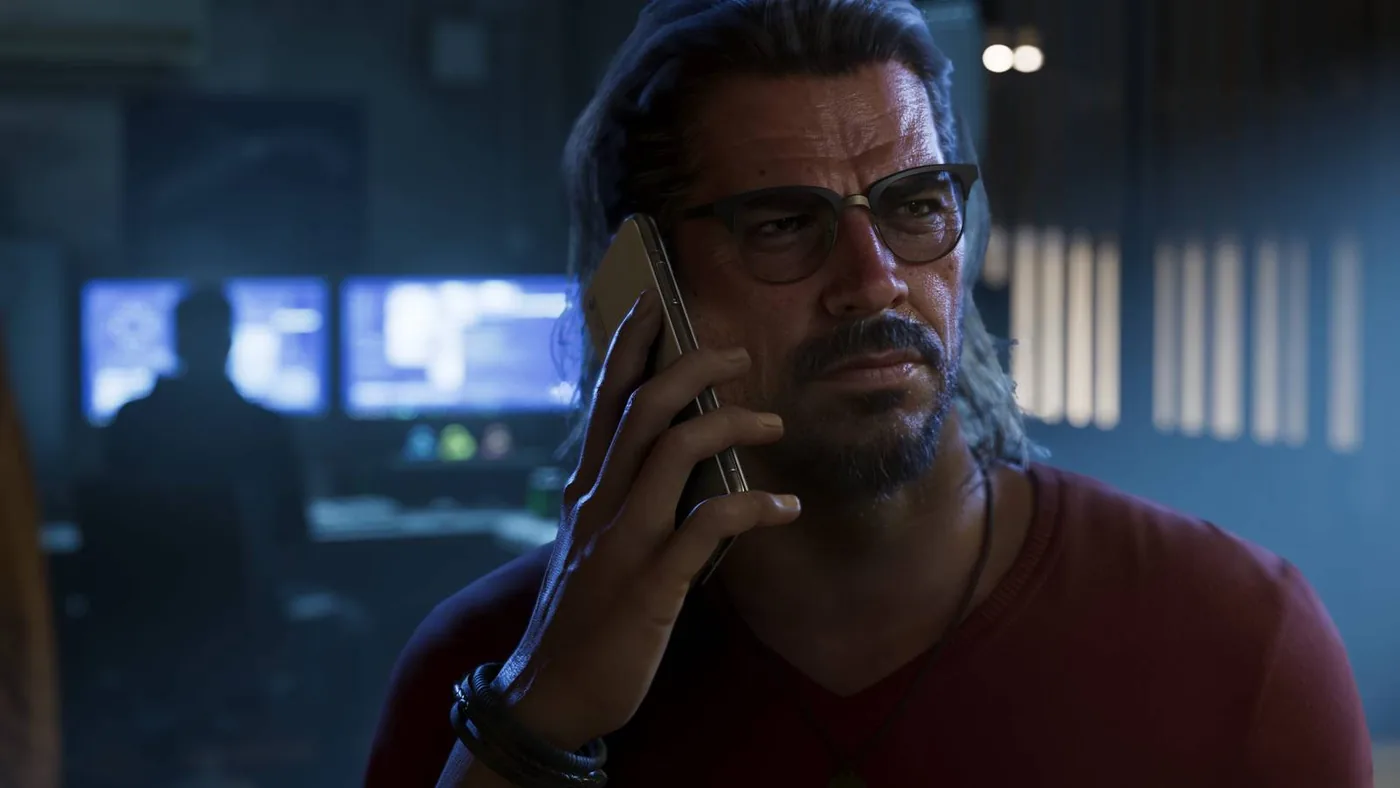
Physical marketing creates similar community engagement across urban centers. When a local municipal decision protected the GTA 6 advertising campaign in Miami Beach, outdoor murals ensured real-world visibility across coastal streets. Can commercial displays match the excitement of interactive gameplay demonstrations? Public momentum continued growing. [1][2]

Limits of Word of Mouth and Creator Promotion
Gaming studios depend on community sentiment to drive commercial momentum. Speaking with GamesBeat, Zelnick observed that gaming marketing mirrors television and cinema campaigns because publishers continually pursue glowing critical reviews, commercial prestige, and enthusiastic fan fervor. Independent broadcasters and streaming personalities can expand that visibility across dedicated digital communities. Their channels provide massive reach. Studios frequently coordinate with digital personalities to showcase upcoming titles before retail releases hit global shelves. [2]
Content creators can amplify word of mouth, but publishers cannot purchase unearned praise. Zelnick emphasized that even the most craven creator on earth will refuse payment to praise a terrible product, because deceiving viewers destroys their personal audience instantly. Credibility cannot be bought. Broadcasters maintain careers only when recommendations reflect genuine quality. The limits are clear. [2]
Publishers can structure legitimate promotional agreements by inviting creators to play a game exclusively for several days and rewarding that dedicated broadcast coverage across major channels. However, Zelnick stressed that companies cannot game the system by convincing consumers that something bad is good. Marketing serves to inform the audience that a major production is available, encouraging consumers to evaluate the experience for themselves. Can promotional campaigns overcome structural gameplay flaws? Company culture must focus on creating the best entertainment on earth, ensuring that promotional exposure supports an exceptional creative achievement. [2]
Labor Disputes and UK Tribunal Scrutiny
Corporate leadership delivered confident promotional forecasts while confronting contentious legal scrutiny outside boardroom discussions. According to reporting from TheGamer, allegations of union busting against Take-Two Interactive and Rockstar Games reached courtrooms this week. The tribunal continues this week. Those proceedings reveal underlying workplace friction. [1]
Tribunal hearings in the United Kingdom represent the climax of studio management firing 34 workers (31 union members and three non-members) across facilities in the UK and Canada last year. The studio justified the terminations by citing gross misconduct connected to leaks of confidential corporate materials, but affected staff insisted they were fired for trade union organizing. The dispute is currently being evaluated before a labor tribunal in the UK (a formal judicial body examining unfair dismissal claims). Those dismissals triggered outrage. During the GamesBeat Q&A session, interviewers did not question Zelnick regarding the tribunal hearings, keeping conversational focus strictly centered on corporate publishing goals. [2]
Public fascination with Rockstar’s future intensifies as legal conflicts unfold before commercial deadlines. Take-Two CEO Strauss Zelnick maintained that corporate culture remains disciplined, pointing to internal commitments to craft premier entertainment. The legal drama nevertheless underscores how high-stakes game development operates under acute public scrutiny. The stakes remain immense. [1][2]
Launch Timelines and Production Milestones
Thirteen years have passed since Grand Theft Auto 5 arrived on retail shelves, testing community patience across multiple console transitions. Rockstar Games has scheduled Grand Theft Auto 6 to launch on November 19, 2026. The title carries an ESRB Rating Pending (the official classification system that advises consumers on game content) and will likely receive a Mature 17+ designation. The date is firm. Fans and investors now anticipate the approaching distribution milestone. [1]
Technical production for the action-adventure project relies on the proprietary Rockstar Advanced Game Engine (RAGE), designed to deliver unprecedented environmental scale and physical simulation across modern hardware. Beyond base narrative modes, broadcast executives have evaluated broader ecosystem roadmaps, reflected in prominent industry commentary surrounding GTA 6 multiplayer launch expectations projected to expand digital viewership during subsequent calendar years. Multiplayer persistence remains essential for recurring corporate revenue. The technical ambition is vast. Delivering both single-player narrative depth and robust online multiplayer infrastructure requires disciplined operational coordination across internal studio branches throughout the demanding final development stretch. Rockstar has built its global reputation on expansive open worlds, making technical stability the primary benchmark for launch day success. [1][2]
Management argues that its overarching philosophy has guided the business through twenty years of cyclical market changes. Zelnick concluded that corporate culture must consistently center on building the biggest and best hits across global entertainment. The mandate has not changed. Whether November’s retail release satisfies restless institutional shareholders and validates Take-Two’s massive promotional investment will fundamentally shape the publisher’s commercial trajectory for the next decade. [1][2]
- ONLINE NEWS Roosevelt, N. (2026, September 17). Take-Two Boss Responds To Frustrated Investors Over GTA 6 Delays. TheGamer. [Article Link]
- ONLINE NEWS Argüello, D. (2026, September 17). Strauss Zelnick says GTA VI needs to be ‘marketed aggressively’. Game Developer. [Article Link]


